
Television series
The Universe
A sweeping documentary series that makes cosmology accessible and thrilling. Using cutting-edge graphics and genuine wonder, it explores planets, black holes, the search for life beyond Earth, and the discoveries that rewired how we see ourselves. For anyone who's looked up at the night sky and actually wanted answers.
Should you watch it?
Watch it if you like big-picture science documentaries that trade on wonder and speculation, the kind that imagine alien skies and weather on distant worlds with cheerful confidence.
Skip it if you want rigorous, up-to-date research or a documentary that stays grounded in hard evidence, since its CGI speculation and tidy storytelling can feel more like a cheerful tour than a careful inquiry.
What it asks of you: Eighty-eight hour-long episodes across nine seasons, so it rewards dipping in and out rather than binging, and it moves at a brisk, friendly clip with a narrator guiding you through each stop.
Not sure? Find tonight's pick in a minute.
If you liked this
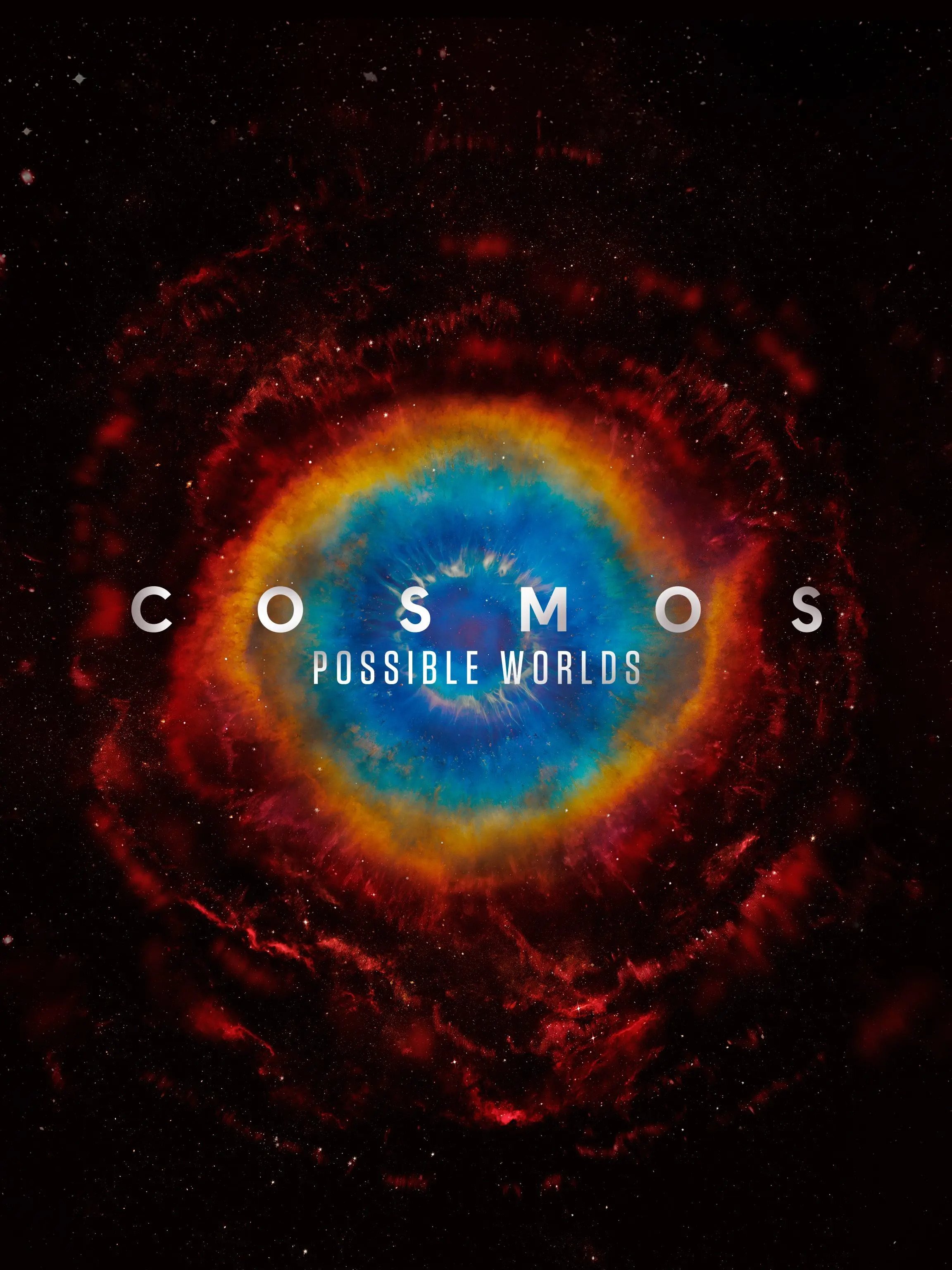
Cosmos1980
Neil deGrasse Tyson guides you through 13.8 billion years of cosmic history with the same infectious enthusiasm and visual spectacle. It feels like The Universe's more polished, philosophically ambitious older sibling.
But Some find Tyson's presentation style overly familiar or the CGI occasionally dated despite the 2014 production date.
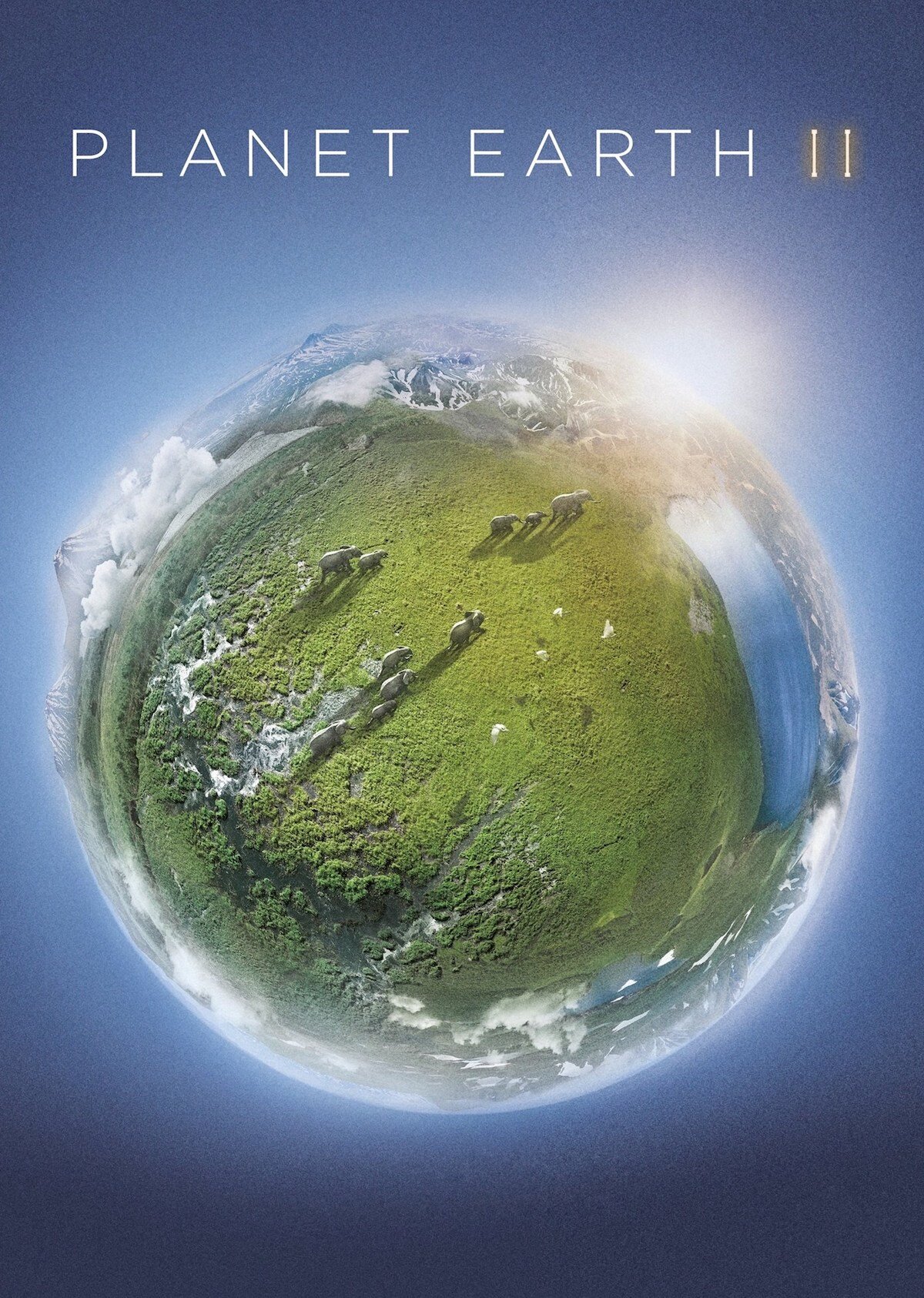
Planet Earth II2016
From BBC, a landmark series that applies the same cinematic scale and wonder to Earth's ecosystems. Gorgeous, meticulously researched, and shares that same sense of revelation about the world we inhabit.
But It's terrestrial rather than cosmic, so if you're specifically craving deep space and alien speculation, this won't scratch that particular itch.
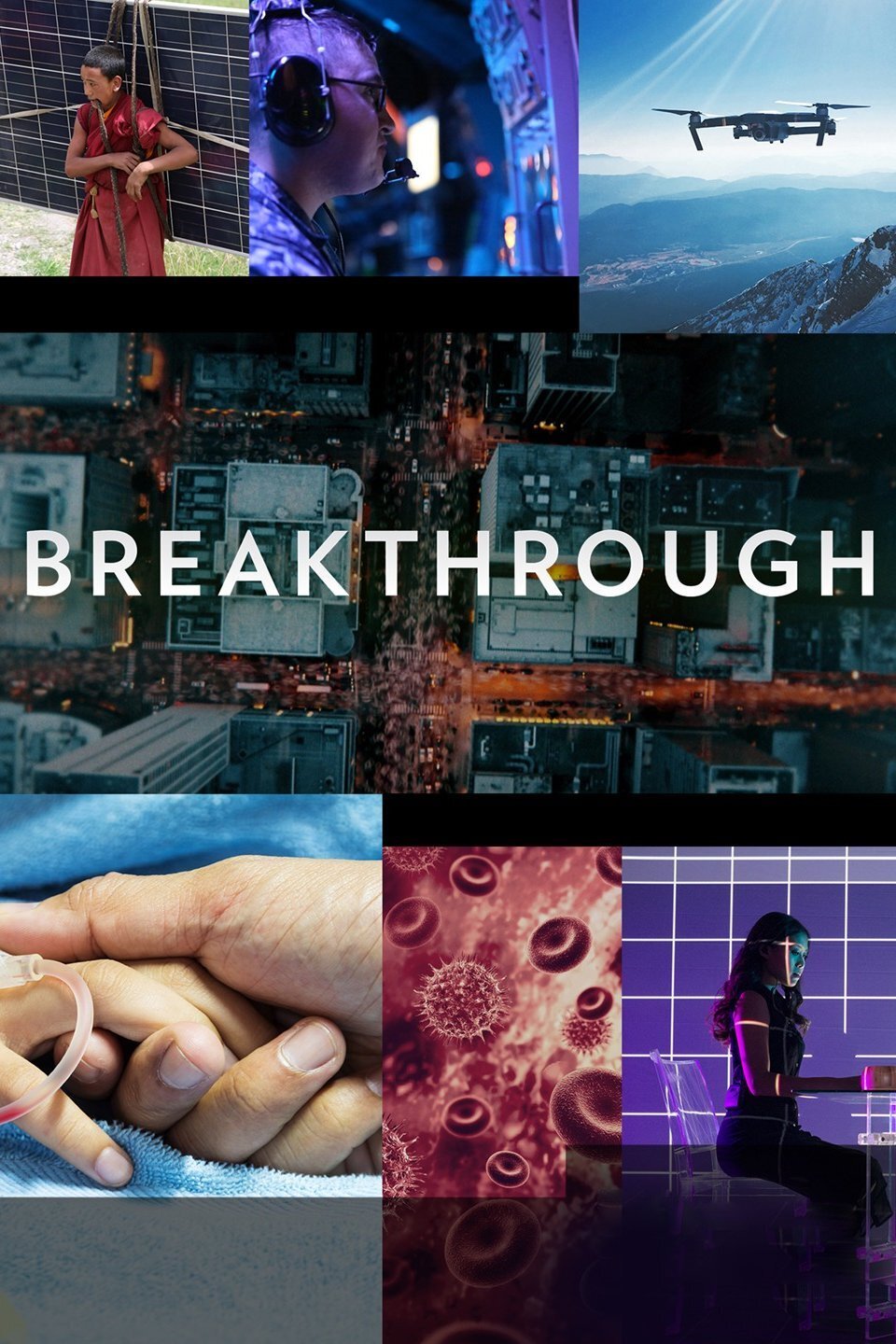
Breakthrough2015
Neil deGrasse Tyson again, but this time tracking how science actually gets made—the experiments, false starts, and eureka moments. Matches The Universe's fascination with discovery as human drama.
But Less visually spectacular than pure space documentaries; it's heavier on talking heads and lab footage.
Not sure tonight? Get a pick in a minute, starting from The Universe
The wildcard
Something you would not have found on your own.
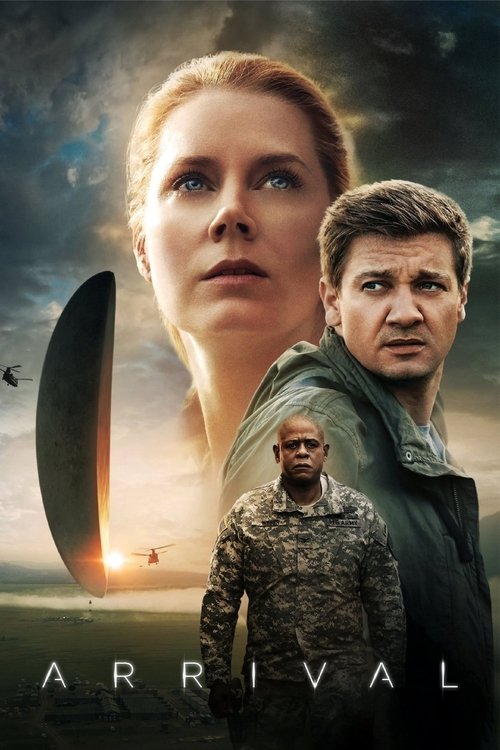
Arrival2016
Both ask 'what does meeting the alien other teach us about ourselves?'—one through documentary evidence, one through imagined consequence.
A science fiction film that treats first contact with alien intelligence as a linguistic and philosophical puzzle rather than spectacle. It captures that same sense of cosmic perspective reframing what it means to be human, but through narrative and emotion rather than exposition.
But Deliberately slow and meditative; if you want action or visual wonder over existential meditation, it's the opposite of what you're after.
More like this (7)
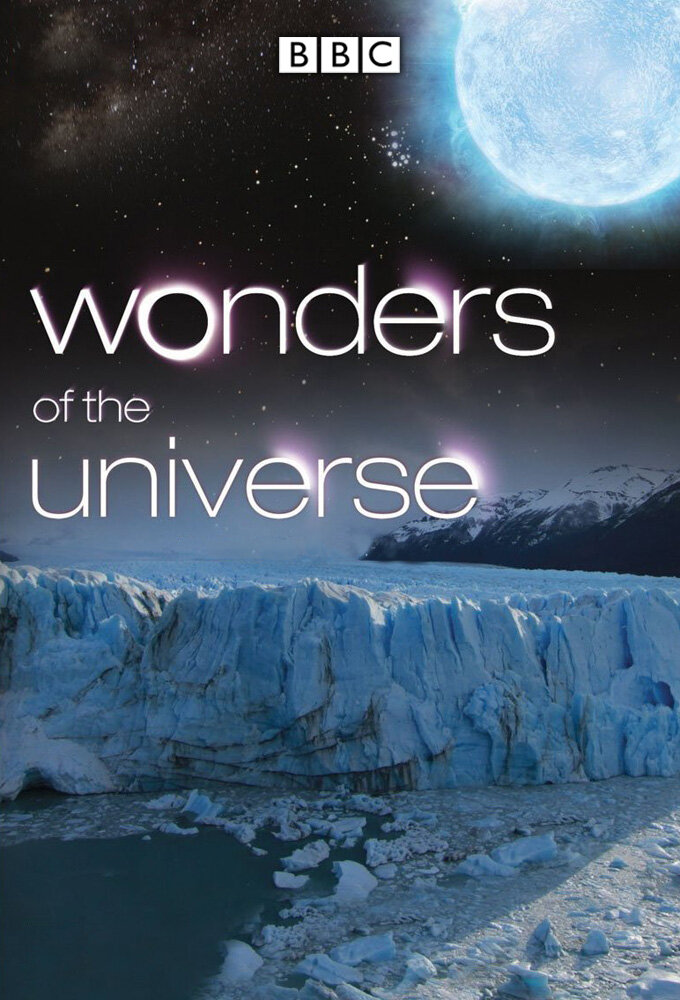
Wonders of the Universe2011
Brian Cox brings theoretical physics to life with genuine passion. Smaller in scope than The Universe but deeper on specific phenomena—black holes, time, quantum mechanics—explored with real intellectual rigor.
But Can feel more lecture-based than cinematic; demands more active engagement from viewers.
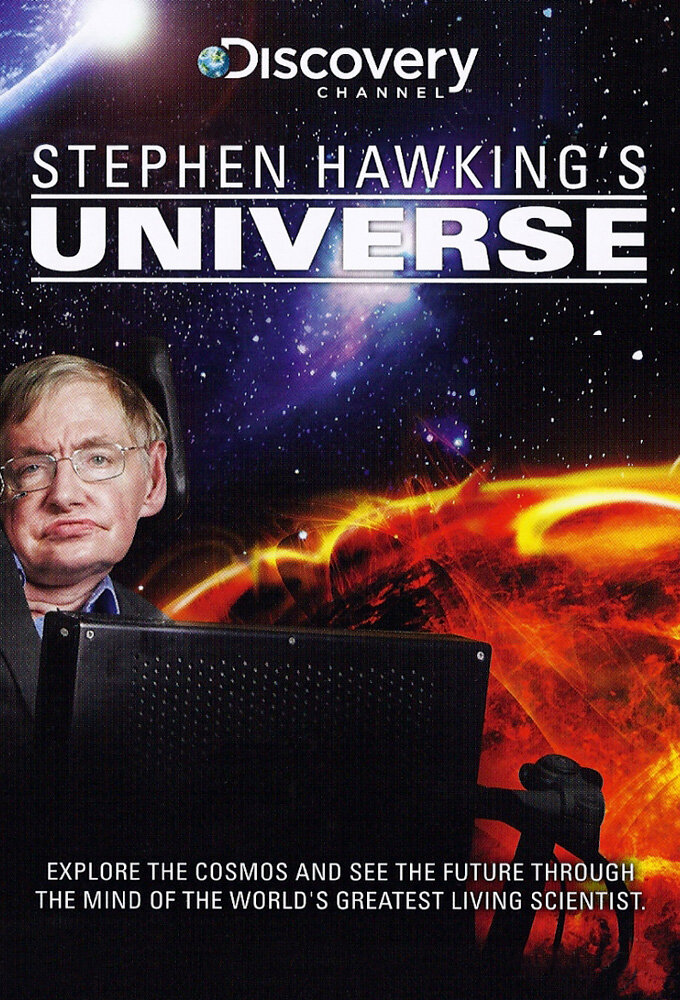
Stephen Hawking's Universe1997
A now-classic series that defined how to explain complex cosmology for general audiences. Hawking's voice and ideas are hypnotic, and it shaped the entire documentary-about-space genre.
But The graphics are very 1990s, and the pacing is slower than modern documentaries demand.
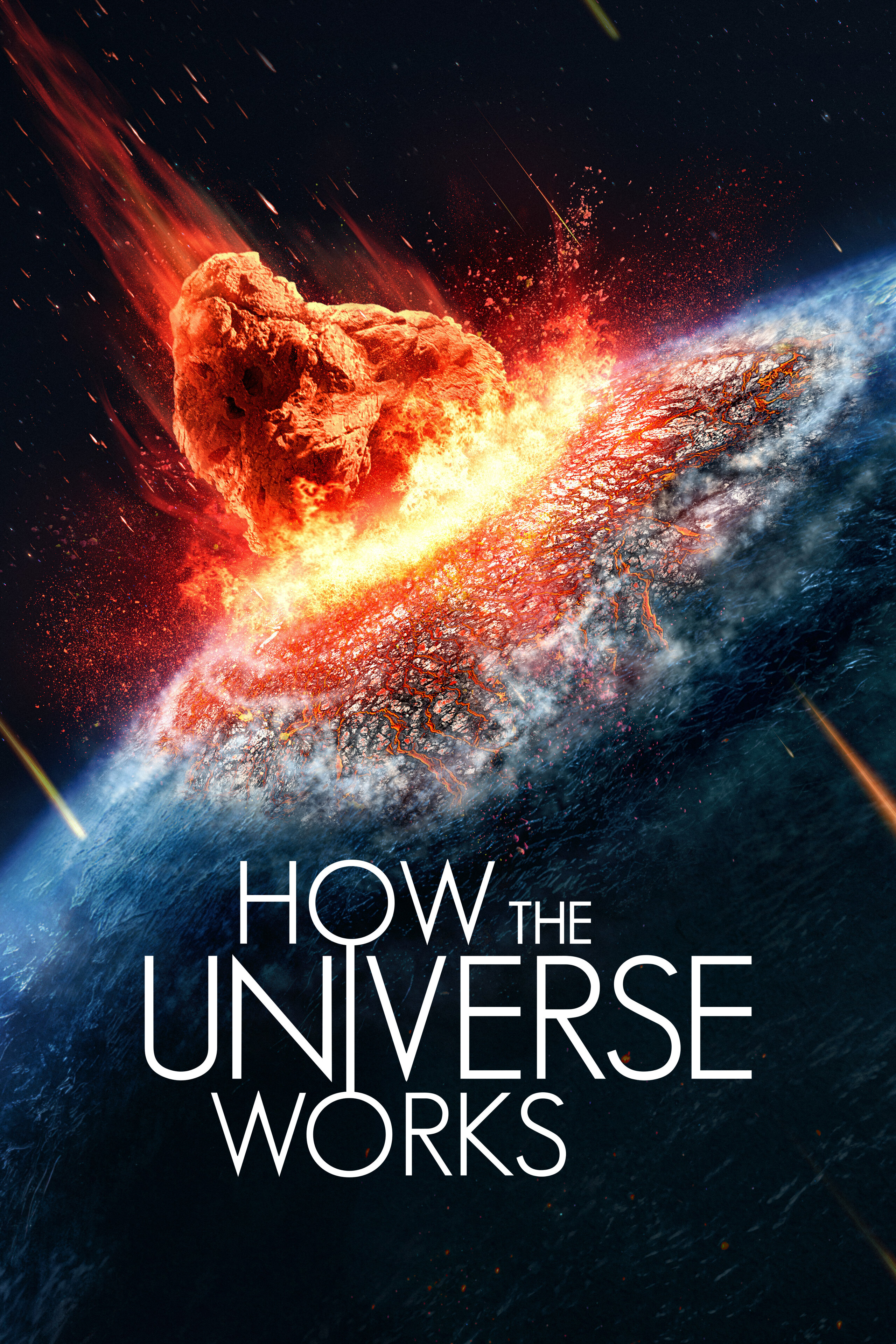
How the Universe Works2010
Each episode zeroes in on a single cosmic phenomenon—supernovas, galaxies, the big bang—with animations that make abstract physics visceral. Genuinely gripping even when explaining the obvious.
But Occasionally repeats itself across seasons, and can feel a bit more entertainment-forward than scientifically deep.
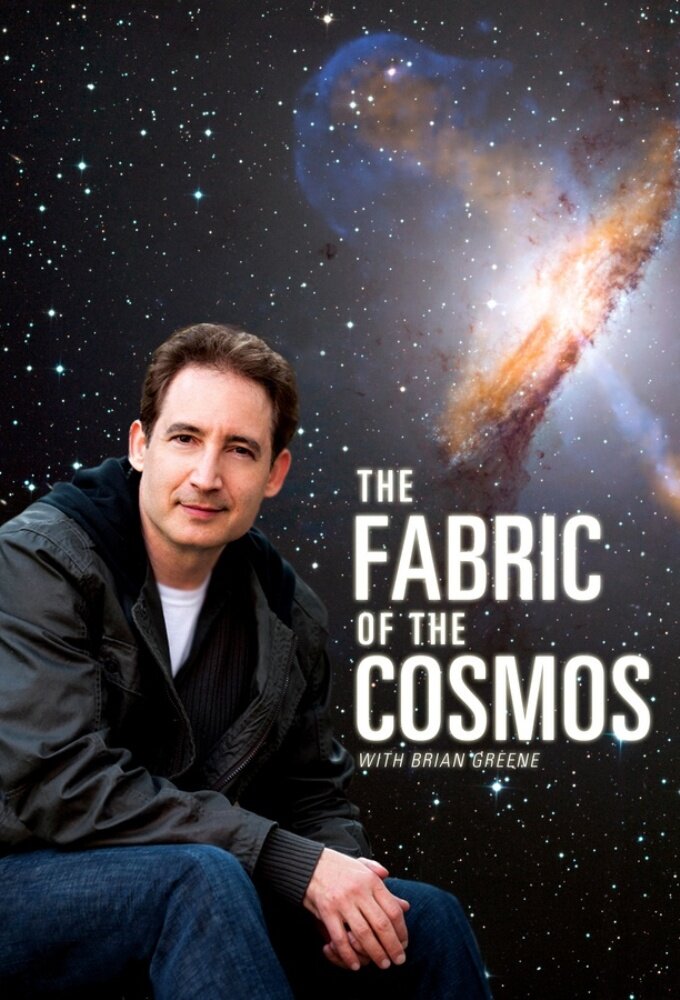
The Fabric of the Cosmos2011
Brian Greene makes string theory, dark matter, and the nature of reality feel urgent and comprehensible. Intellectually ambitious but never inaccessible.
But Heavy on theoretical physics; if you want observational astronomy and actual space exploration, this leans more abstract.
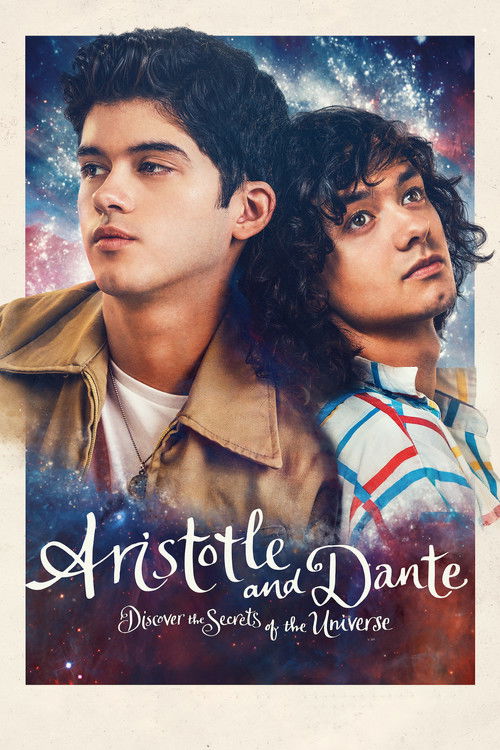
Aristotle and Dante Discover the Secrets of the Universe2023
A solid underrated series that balances observational astronomy with cosmic mysteries. Good pacing, clear explanations, and a genuine sense of awe throughout.
But Less distinctive in voice than Cosmos or Hawking's work; competent but not revelatory.
Pale Blue Dot
Same spiritual DNA as The Universe—cosmic perspective as the ultimate reframing of human significance—but approached as elegy rather than adventure.
A BBC documentary built entirely around Carl Sagan's photograph and philosophy. It's quieter and more poetic than The Universe, using that single image as a lens to explore humanity's place in the cosmos.
But Minimal graphics or cosmic spectacle; it's a meditative essay rather than a grand tour, and some will find it slow.
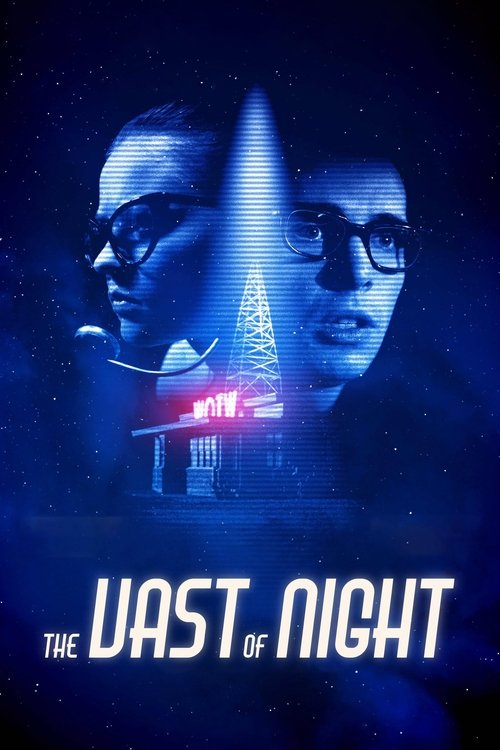
The Vast of Night2019
Both treat the search for extraterrestrial signals as fundamentally human drama—not just 'is there life out there?' but 'what does it mean to us that we're asking?'
A low-budget indie sci-fi film shot like a 1950s radio drama, following two teenagers investigating a strange signal. It has The Universe's sense of cosmic mystery and the wonder of discovery, but filtered through Americana and genuine creepiness.
But Very deliberately retro aesthetic; shot in black-and-white-ish tones with period dialogue. If you want modern polish, this is explicitly not that.
People
Cast
 Erik ThompsonNarrator
Production
- Melissa TittlAssociate Producer
- Steffen SchlachtenhaufenAssociate Producer
- Brittany GrahamCo-Producer
- Douglas CohenExecutive Producer
- Louis TarantinoExecutive Producer
Recommended by
How the Universe Works, Strip the Cosmos, Stephen Hawking's Universe, PBS Space Time, Hubble: 15 Years of Discovery, Sea Monsters: A Prehistoric Adventure