Television series
Breakthrough
Other titles called Breakthrough: the 1950 film.
- Light-hearted
- Dip in and out
Breakthrough follows scientists on the frontier of discovery across disciplines, letting you watch ideas become reality as they unfold. Each hour-long episode focuses on a different cutting-edge project—from neuroscience to materials research to biotech—with the intimacy of a documentary and the momentum of narrative television. It's for anyone who finds genuine discovery more thrilling than drama, and wants to understand how the future actually gets built.
If you liked this
Cosmos1980
Carl Sagan's spiritual successor delivers the same sense of awe about scientific inquiry, but with visual ambition that matches its intellectual reach. It makes you feel small and vast at once.
But The scale is sometimes majestic in a way that can feel overwhelming rather than intimate. Some episodes prioritise spectacle over clarity.
Life2007
Planet Earth's creative team turned the same observational eye toward the strategies organisms use to survive. Each episode is genuinely wondrous, structured around evolutionary solutions to real problems. Beauty and science fused.
But It's a nature series, not investigative journalism. The scientists are invisible; you're just watching what they know.
Our Planet2019
David Attenborough narrates stunning documentation of ecosystems under pressure, connecting ecological science to the stories of individual species. It's both heartbreaking and revelatory about how systems actually work.
But The environmental crisis is woven throughout. If you're already climate-fatigued, the weight of it can feel relentless rather than galvanising.
Not sure tonight? Get a pick in a minute, starting from Breakthrough
The wildcard
Something you would not have found on your own.
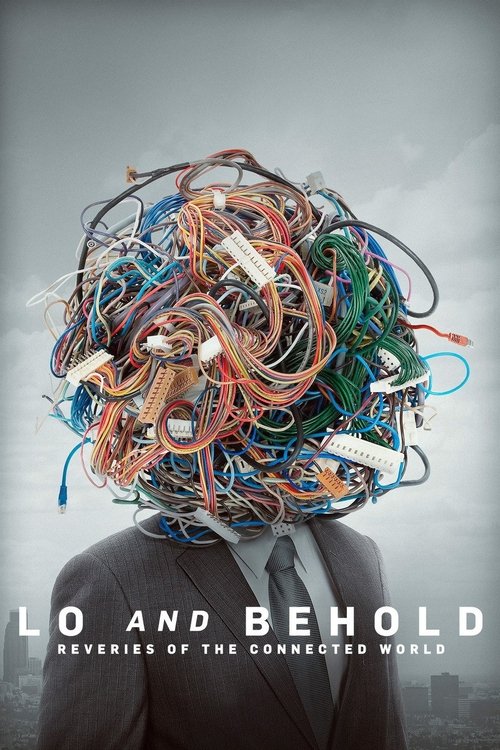
Lo and Behold: Reveries of the Connected World2016
Both are about innovation in process, but Herzog treats the internet as a site of existential wonder rather than technical achievement. He captures the philosophical vertigo of breakthrough.
Werner Herzog's documentary about the internet's history and future feels like a philosopher wandering through a cathedral. He asks questions about what connection means, interviewing everyone from Elon Musk to a woman who claims internet allergy. It's weird and profound—less interested in facts than in what we've collectively created.
But Herzog's voice and preoccupations dominate entirely. If you want objectivity rather than artistic meditation, this will frustrate you.
More like this (7)
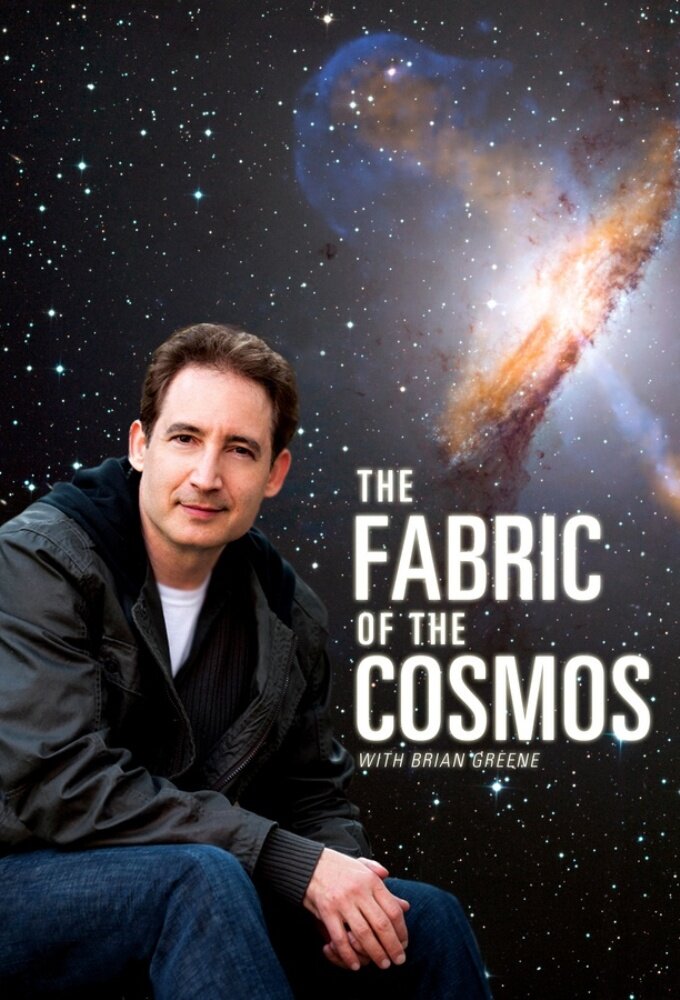
The Fabric of the Cosmos2011
Brian Greene makes theoretical physics tactile and visual, tracing how our understanding of space and time keeps changing. Complex ideas become intuitive when explained with this much patience and wonder.
But Some concepts require real concentration. If you're looking for passive comfort watching, it will ask something of you.
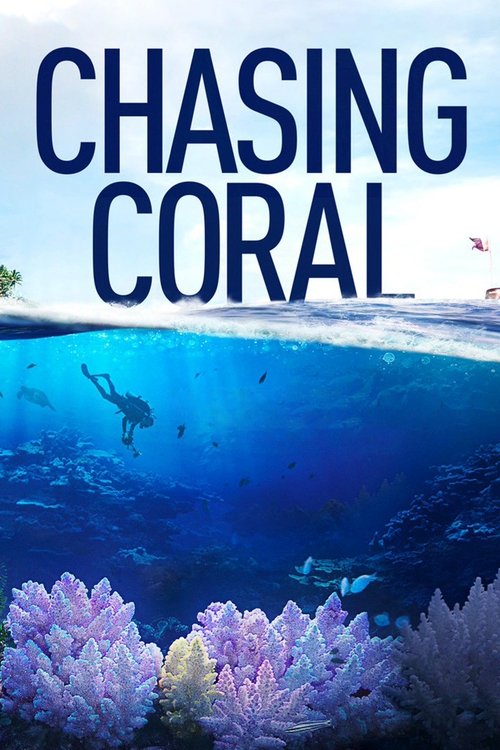
Chasing Coral2017
A documentary crew uses underwater cinematography to document coral bleaching in real time, turning invisible ecological crisis into something you can see and feel. The storytelling is urgent without being hysterical.
But The environmental content is genuinely distressing. Some viewers find the focus on loss more paralyzing than motivating.
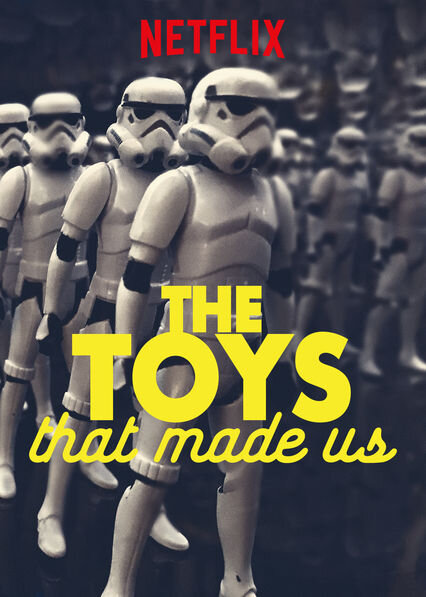
The Toys That Made Us2017
Each episode traces how a toy became culturally defining, through interviews and archival footage. It's about product innovation, creative risk, and how ideas survive in the world. Funny, nostalgic, and structurally smart.
But It's fundamentally about commercial products, not scientific discovery. The intellectual rigor is lower than it first appears.
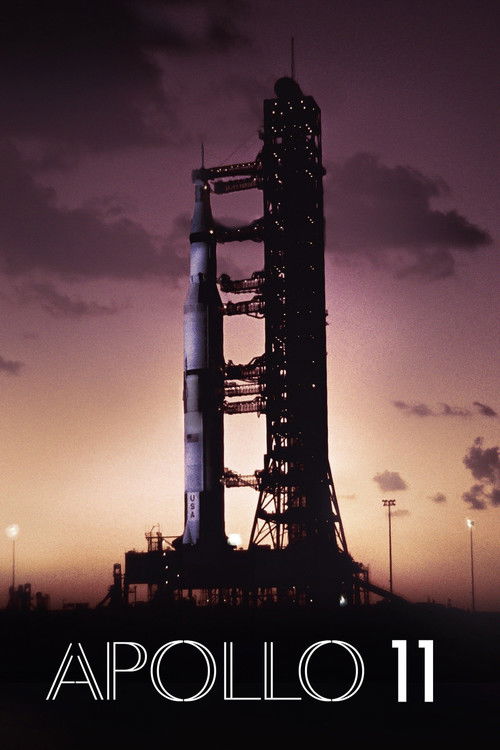
Apollo 112019
Restored footage from the NASA archives, arranged chronologically and without narration, lets you experience the moon landing as unfolding event rather than history. Pure cinema of human endeavour and precision.
But No context or explanation is given. You either know the story or you spend the runtime confused about what's happening.
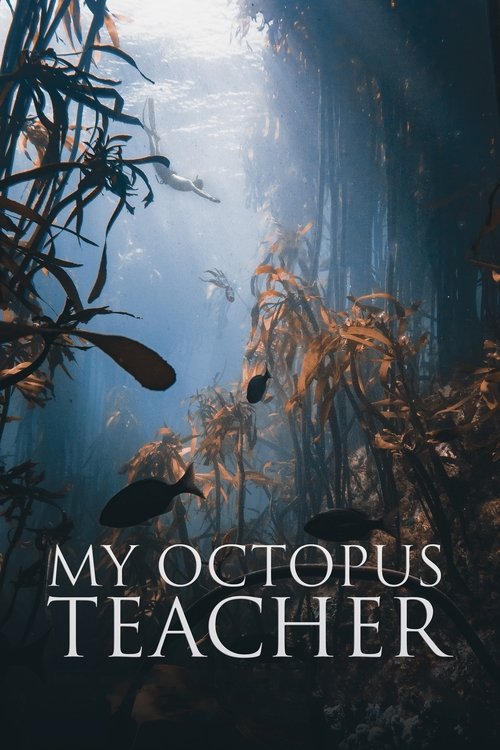
My Octopus Teacher2020
A filmmaker documents a year-long relationship with a wild octopus in a South African kelp forest, watching it solve problems and adapt. It's meditative, strange, and genuinely moving without sentimentality.
But It's slow and introspective. If you want facts and breakthroughs, this is more about observation and wonder than discovery.
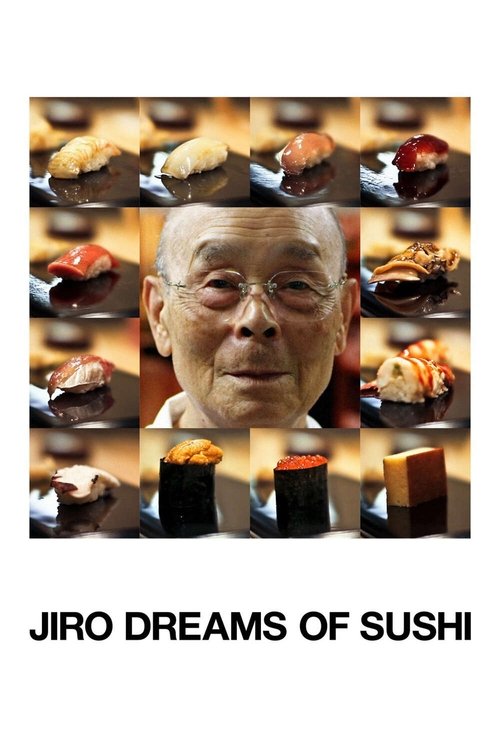
Jiro Dreams of Sushi2011
Both examine how experts work at the edge of what's possible in their domain. Jiro's incremental pursuit of perfection parallels scientific investigation—different materials, same devotion.
A documentary about an eighty-five-year-old sushi master in Tokyo pursuing perfection in rice and fish. It's about mastery, obsession, and the incremental refinement of technique—a different kind of breakthrough, earned over decades rather than in a lab.
But It moves very slowly and contains long sequences of food preparation. If you need narrative momentum, you'll find it meditative to the point of tedium.
49 Up2006
Both treat unfolding development as the subject. Breakthrough watches science solve problems; Up watches lives solve themselves. Both find the drama in process.
Michael Apted filmed the same British people every seven years from age seven onward. Across nearly fifty years and fourteen films, you watch human development unfold—how choices compound, how lives diverge, how people become themselves. It's an experiment in time and identity.
But It requires commitment: the first film is slight, and the payoff depends on watching across decades or reading summaries. Some people find the premise invasive.