
Film
Breakthrough
Other titles called Breakthrough: the 2015 series (National Geographic).
A 1950 combat film following American soldiers through the 1944 European invasion. Shot with Army cooperation, it's a straightforward procedural about a platoon's mission—professional rather than poetic, focused on logistics and tactics over individual heroics. Made for viewers who want the machinery of war examined closely.
Should you watch it?
Watch it if you like World War II stories told as a unit's plain grind, with little speechifying and a squad's tensions carrying the emotion.
Skip it if you want big battlefield spectacle or a lot of character interiority, since this stays brisk, procedural and fairly reticent about feelings.
What it asks of you: Roughly ninety minutes, with a steady, unfussy pace and little downtime; it wants your attention on the unit's movements and orders more than on any single face.
Not sure? Find tonight's pick in a minute.
If you liked this
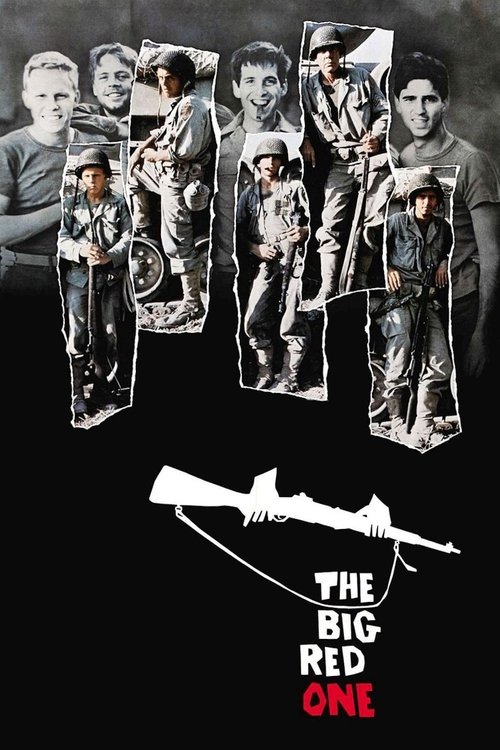
The Big Red One1980
Terrence Malick protégé Samuel Fuller's definitive WWII platoon film, where combat is chaotic and bewildering rather than heroic. The same unsentimental attention to how soldiers actually function under fire.
But Deliberately paced and structurally messy; it's about the *feeling* of war, not the plot. Patience required.
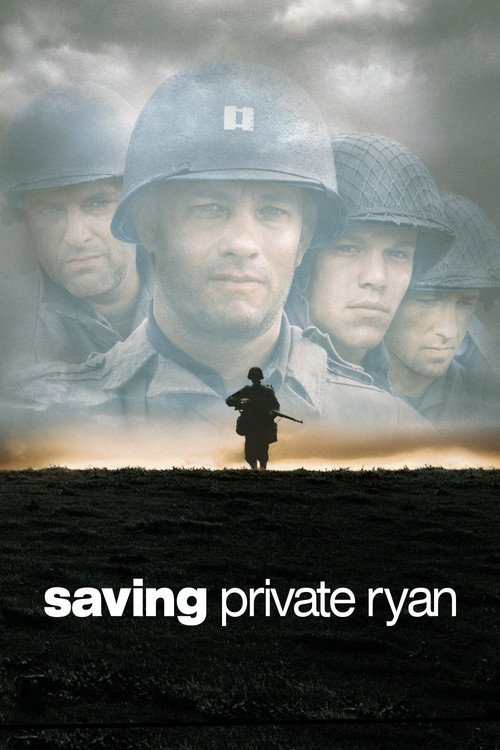
Saving Private Ryan1998
Spielberg's kinetic, meticulous depiction of the D-Day landing and its aftermath—technically brilliant and designed to make you feel the shock of combat. Shares Breakthrough's procedural approach to military operations.
But The spectacle and scale can overshadow character development. It's cinema, not introspection.
Come and See1985
A Soviet film of devastating power about a young soldier witnessing the Eastern Front. Both films examine war through a young man's education, but this goes places most films won't follow.
But Genuinely traumatizing and relentless. Not entertainment in any traditional sense.

Not sure tonight? Get a pick in a minute, starting from Breakthrough
The wildcard
Something you would not have found on your own.
The Battle of Algiers1966
Both films refuse to poeticize combat. Both treat military action as a problem to be analyzed: Breakthrough through American procedural eyes, this through the lens of occupation and resistance.
A Pontecorvo masterpiece about urban insurgency, shot in stark black-and-white with a documentary's precision. Structurally brilliant: it shows both sides of a conflict with complete tactical clarity, the way Breakthrough shows American operations.
But It's a war film about colonialism, which means it asks uncomfortable political questions. Not action-adventure; demanding and bleak.

More like this (7)
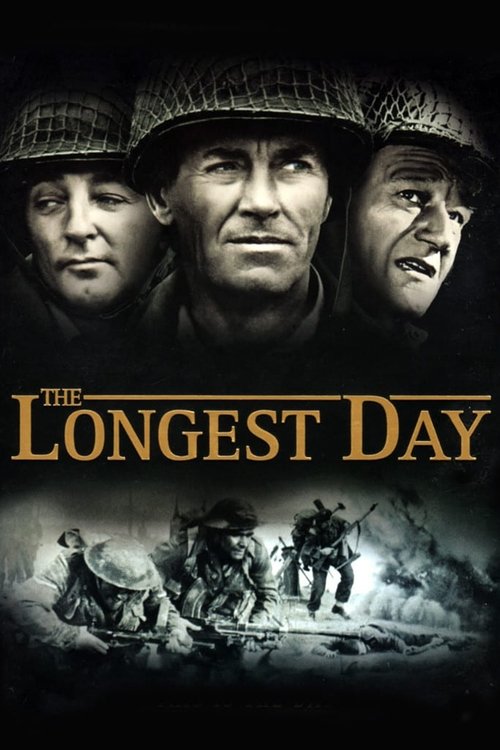
The Longest Day1962
An all-star, multi-perspective D-Day narrative that also prioritizes the tactical and logistical challenges. Ambitious in scope while remaining grounded in procedure and expertise.
But Three-and-a-half hours with an enormous cast means some characters barely register as human.
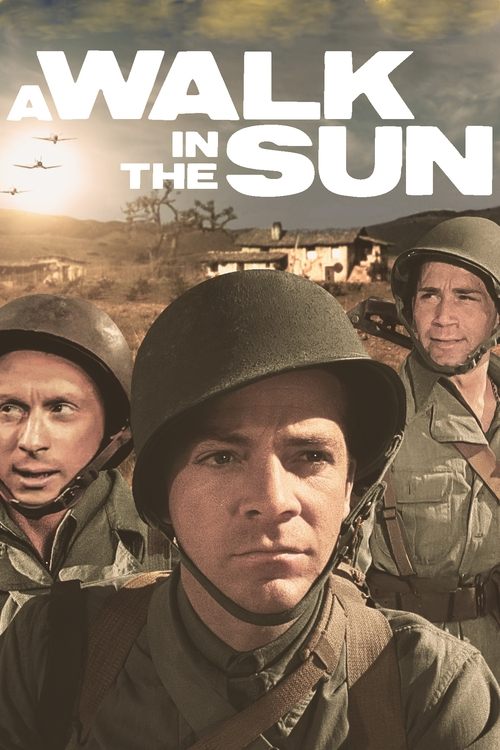
A Walk in the Sun1945
A single day, a single mission, a platoon moving inland after the Italian invasion. Deliberately spare and focused on the men's internal states during action. The same disciplined structure as Breakthrough.
But More poetic than Breakthrough, which some find precious; the psychological approach may feel slow if you're after excitement.
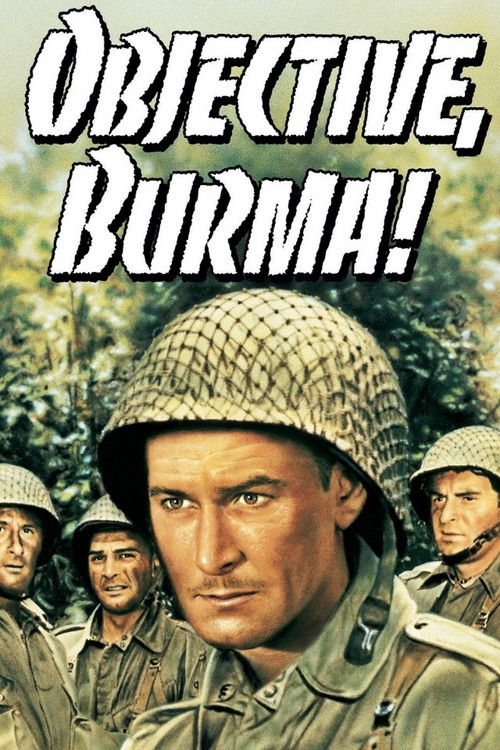
Objective, Burma!1945
Raoul Walsh's sharp wartime procedural about a commando raid in Burma. Tightly plotted, practically shot, focused on mission execution over sentiment. The DNA is identical to Breakthrough.
But Produced during the war with heavy studio influence; the propaganda intent shows if you're watching for it.
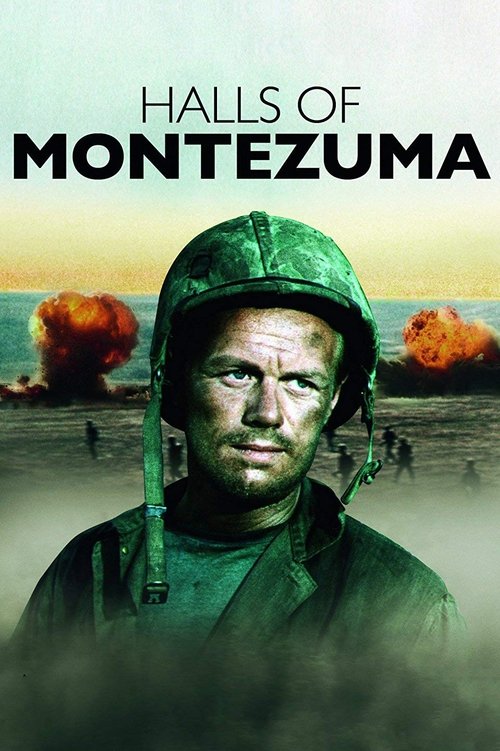
Halls of Montezuma1951
Released the same year as Breakthrough, this Marine Corps film has the same no-nonsense efficiency—boots on ground, objective clear, focus on the men doing the job. A perfect companion piece.
But Episodic structure means it can feel like a series of scenes rather than a driven narrative.
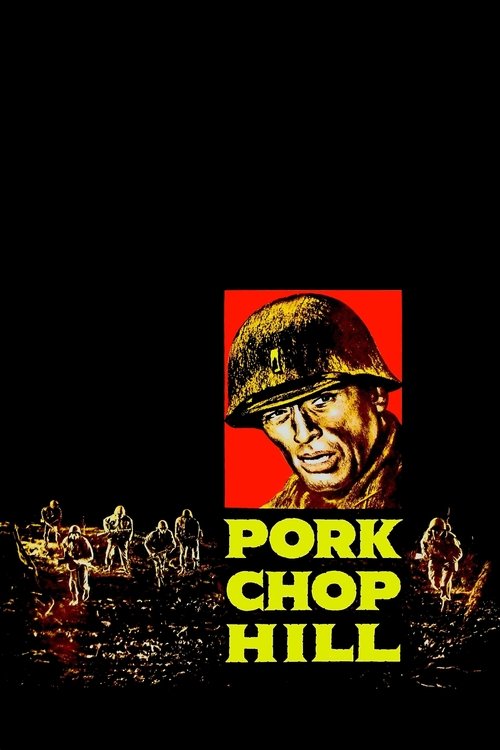
Pork Chop Hill1959
A Korean War film that treats combat as grim, repetitive, and largely pointless—soldiers climbing a hill they don't want to hold. The same documentary realism and refusal to glorify.
But Grim and morally ambiguous in ways that can feel bleak rather than enlightening.
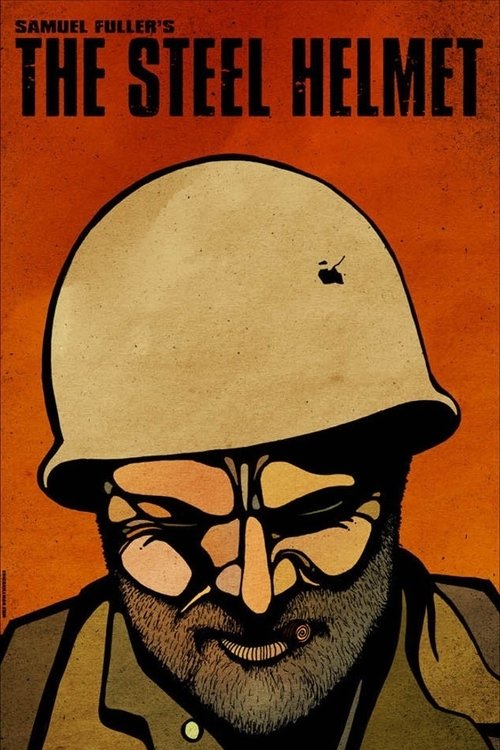
The Steel Helmet1951
Another Sam Fuller film, a Korean War platoon picture made on a shoestring. If you responded to Breakthrough's lean efficiency, Fuller's rawer, more cynical take on the same subject is revelatory.
But Low budget shows; stylistically agitated where Breakthrough is composed. Abrasive on purpose.
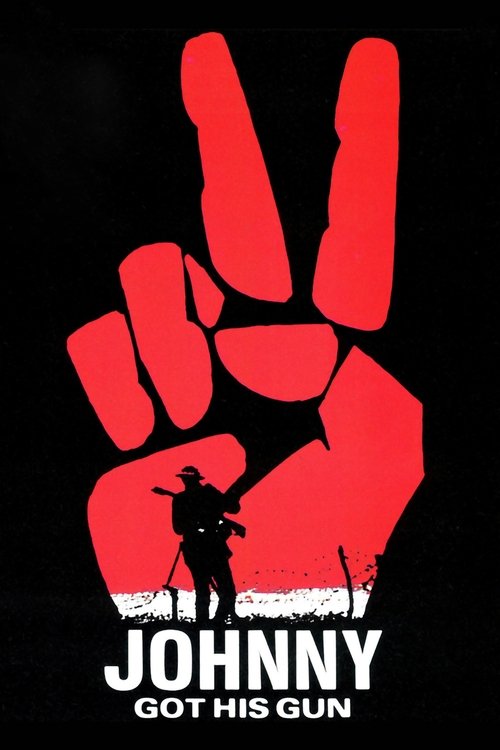
Johnny Got His Gun1971
Where Breakthrough shows war as efficient procedure, this shows its aftermath—the real cost that no military logistic can account for. It's the dark mirror.
Dalton Trumbo's surreal, almost hallucinatory adaptation of his own anti-war novel: a soldier returns from WWI entirely paralyzed, locked in his own mind. Visually and structurally unlike anything else, yet shares Breakthrough's focus on what combat actually *does* to bodies and systems.
But Experimental form, horror imagery, and a radical political argument make this unsettling rather than cathartic. Nothing like a conventional war film.
People
Cast
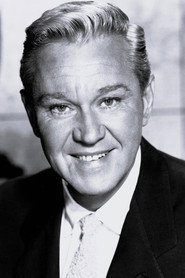 David BrianCapt. Tom Hale
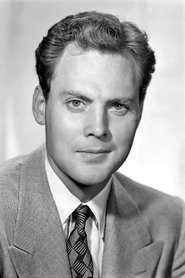 John AgarLt. Joe Mallory
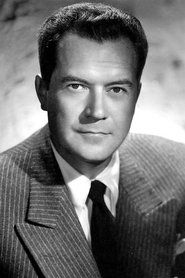 Frank LovejoySgt. Pete Bell
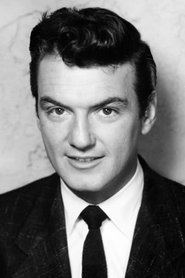 William CampbellCpl. Danny Dominick
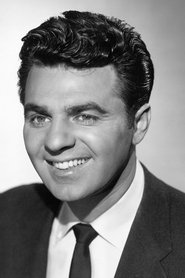 Paul PicerniPvt. Edward P. Rojeck
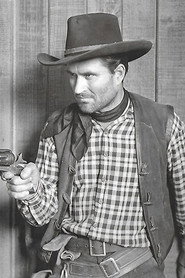 Greg McClurePvt. Frank Finley
- Richard MonahanPvt. "Four-Eff" Nelson
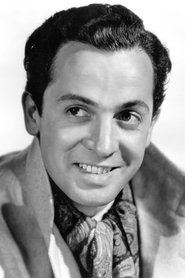 Edward NorrisSgt. Roy Henderson
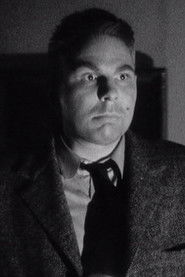 Matt WillisPvt. Jimbo Hollis
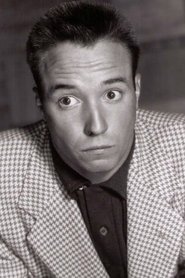 Dick WessonPvt. Sammy Hansen
 Suzanne DalbertCollette
 Danni Sue NolanLt. Janis King
Directing
- Lewis SeilerDirector
Writing
- Bernard GirardScreenplay
- Ted SherdemanScreenplay
- Joseph I. BreenStory