
Film
Halls of Montezuma
A 1951 war film following a Marine squad on a dangerous jungle mission to locate enemy rocket positions. Taut, visceral combat sequences anchored by excellent character work from a stellar cast. Widmark and Palance carry the moral weight as men trying to keep their squad alive. For viewers who want their war stories grounded in individual choice and consequence, not just spectacle.
If you liked this
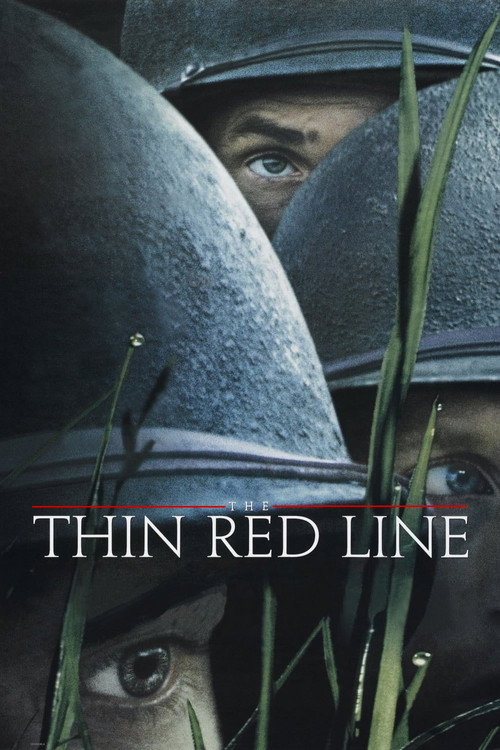
The Thin Red Line1998
Terrence Malick's philosophical war epic that lingers on the cost of combat—both physical and spiritual. Gorgeous cinematography, an ensemble cast doing their finest work, and a willingness to ask hard questions about morality under fire.
But It's meditative and long. Some find the philosophical voice-overs pretentious rather than profound, and there's minimal plot in the traditional sense.
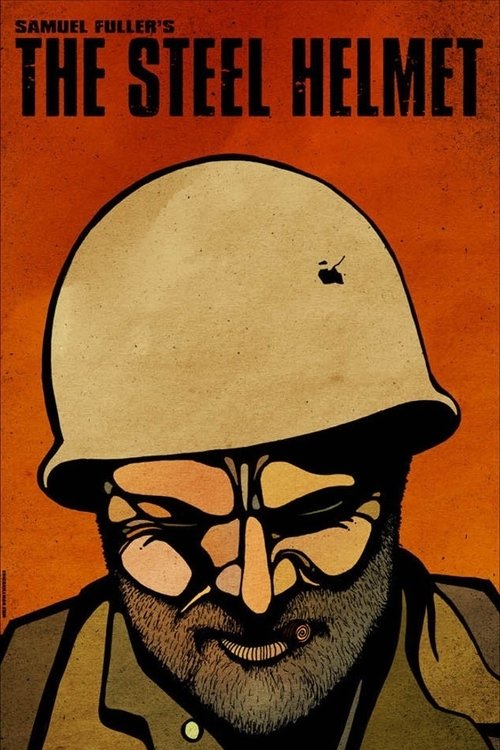
The Steel Helmet1951
Sam Fuller's raw, intimate Korean War film from the same year as Montezuma. A small squad, a mission, and unflinching attention to how men survive impossible situations. Fuller was a combat veteran and it shows—nothing feels sanitized.
But Low budget means you see the seams, and it's relentlessly grim. No uplifting moments or clear victories, just survival and small human gestures.
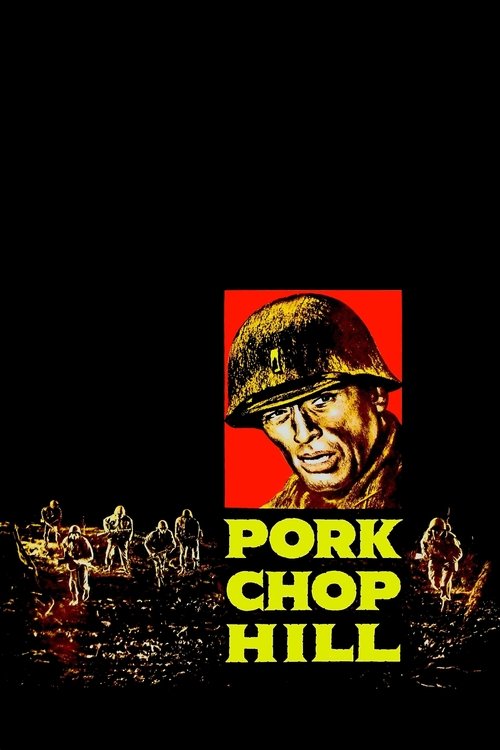
Pork Chop Hill1959
Gregory Peck leads a squad fighting over a tactically meaningless Korean hilltop. Focuses on leadership under stress and the gap between orders and reality. Excellent ensemble work and tactical tension that never lets up.
But The pacing is deliberate, sometimes slow. If you want constant action, this will feel like waiting between scenes of waiting.
Not sure tonight? Get a pick in a minute, starting from Halls of Montezuma
The wildcard
Something you would not have found on your own.
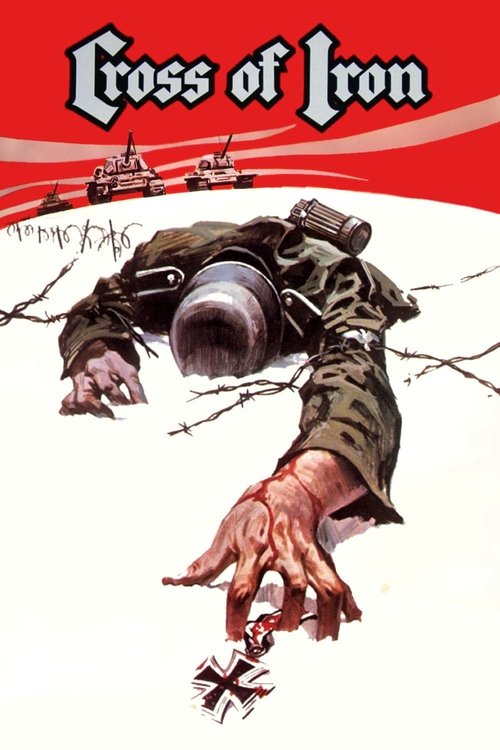
Cross of Iron1977
Both follow a small unit through a mission under an exceptional officer, but Cross of Iron inverts the moral geography—we're made to sympathize with the 'enemy,' complicating everything Montezuma takes as given.
Sam Peckinpah's masterpiece: a Wehrmacht squad on the Russian front, with James Coburn as a hardened sergeant. Brutal, complex, and refuses to make enemies simple. Peckinpah's visceral direction turns combat into something almost balletic.
But German soldiers as protagonists unsettles viewers, intentionally. Peckinpah's slow-motion violence is graphic and disturbing, not cathartic.
More like this (8)
Come and See1985
A Soviet film about a teenage boy conscripted into WWII. Visually stunning and emotionally devastating. Shows war's effect on innocence with unflinching power. One of cinema's greatest anti-war statements.
But Brutally dark and traumatic. Not entertainment—it's a gut punch designed to stay with you. Long sequences of quiet devastation.

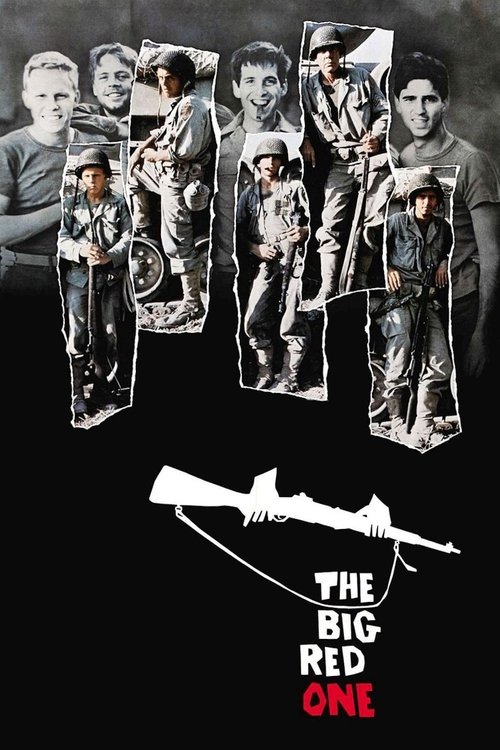
The Big Red One1980
Sam Fuller again, this time directing his own autobiography of WWII combat. A sergeant and his squad move through North Africa and Europe. Funny, horrifying, and deeply human about the brotherhood forged in war.
But The editing is choppy and the narrative loose. Fuller's style won't appeal to everyone, and the tone shifts between comedy and atrocity can feel jarring.
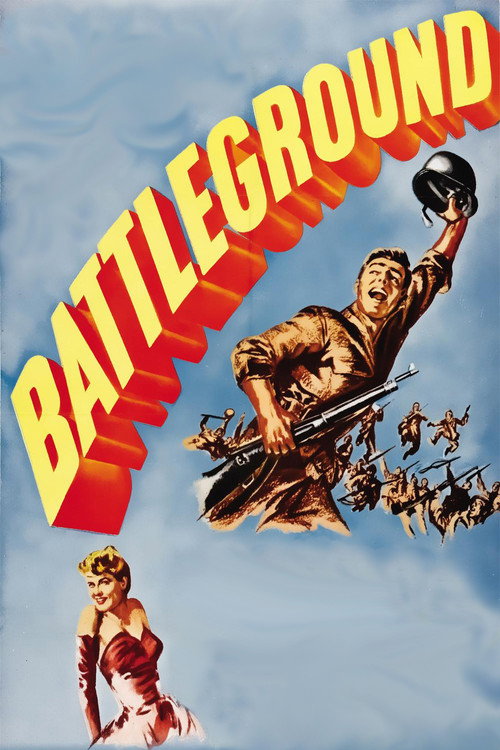
Battleground1949
William Holden and James Whitmore anchor this Battle of the Bulge film. Authentic squad dynamics, excellent dialogue, and a real sense of men confused and scared in winter combat. William Wellman directing at his best.
But It's very much a product of its era—some attitudes haven't aged well. The pacing occasionally drags between combat sequences.
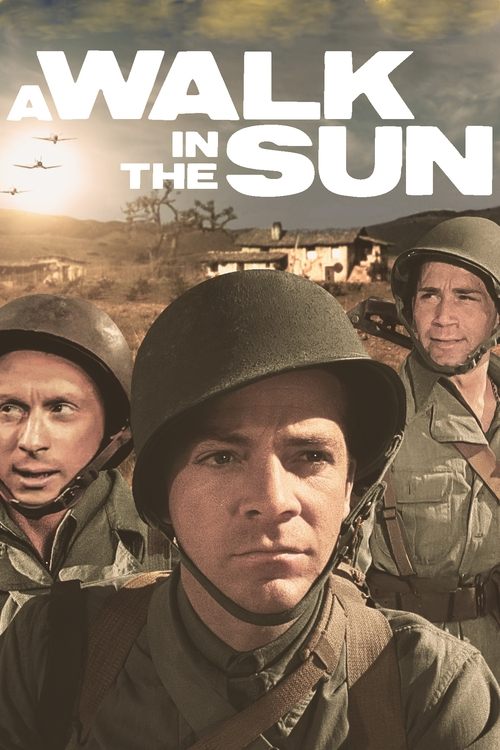
A Walk in the Sun1945
A platoon's single day in Italy during WWII, following their journey from beach to objective. Intimate, character-focused, with an almost dreamlike quality. Norman Reedus and Dana Andrews are luminous.
But Very little happens in plot terms. It's meditative where some want momentum, and the narration is a love-it-or-hate proposition.
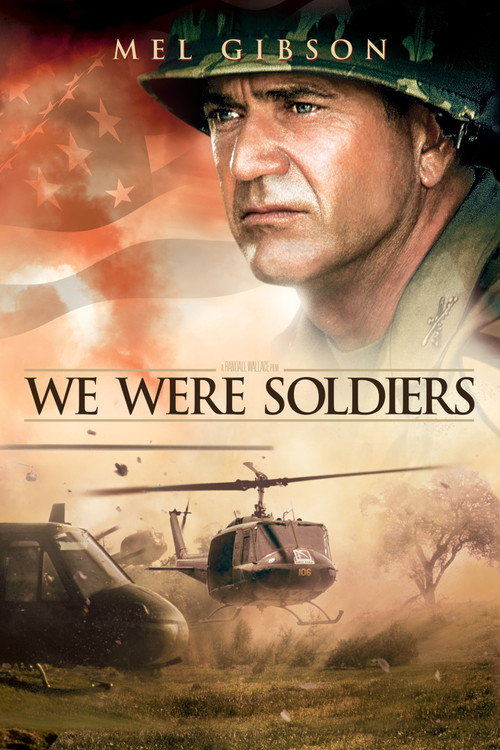
We Were Soldiers2002
Mel Gibson as a cavalry officer in the first major engagement of Vietnam. Honest about both American and Vietnamese soldiers as individuals. Strong ensemble, clear-eyed about combat's chaos and human cost.
But Gibson's later controversies color it, and some find the film's patriotism oversimplifies the war's moral complexity.
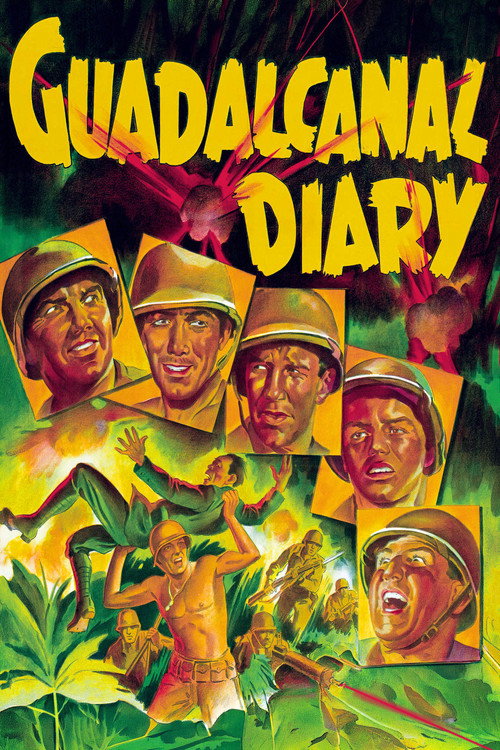
Guadalcanal Diary1943
A wartime chronicle of the battle itself, with excellent supporting work from Richard Conte and Lloyd Nolan. Fast-paced, energetic, and captures the esprit de corps of the early Pacific campaigns.
But Propaganda film, so it's relentlessly upbeat about American virtue. The characterizations are broad, and it feels of-the-moment rather than timeless.
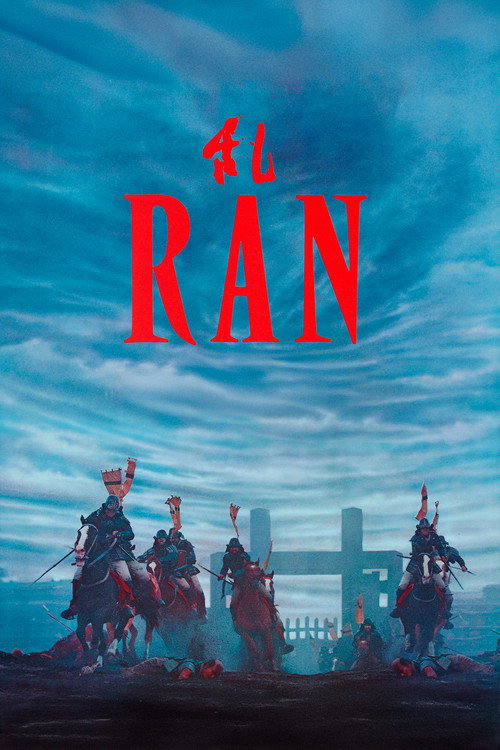
Ran1985
Both examine leadership and the bonds forged in conflict, but Montezuma is intimate and urgent while Ran is vast and tragic—same core, opposite register.
Kurosawa's Shakespeare-on-horseback about an aging warlord dividing his kingdom. Operatic, visually overwhelming, with battle sequences that feel mythic. Japanese, but the themes—power, loyalty, betrayal—are universal.
But Three and a half hours, subtitled, and its rhythms are deliberate. The scope and abstraction aren't for viewers wanting grounded character studies.
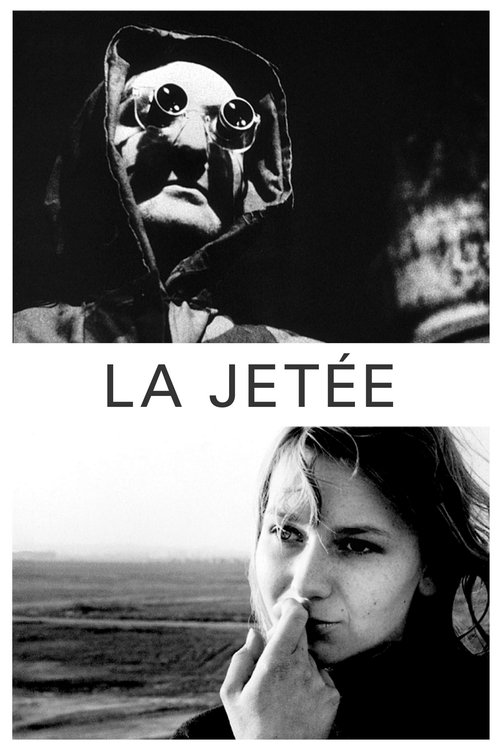
La Jetée1962
Where Montezuma asks 'how do men survive combat,' La Jetée asks 'how do humans survive anything.' Both are about holding onto what makes you human when everything tries to strip it away, but one does it through action, the other through memory.
Chris Marker's sci-fi masterpiece told almost entirely through still photographs and narration. About memory, loss, and time. Thirty minutes but feels like a complete world. Hypnotic and devastating—as much poetry as cinema.
But It's an experimental film, not narrative in the conventional sense. People expecting conventional storytelling will be confused; patience is mandatory.
People
Cast
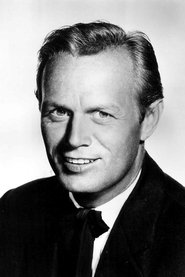 Richard WidmarkLt. Carl Anderson
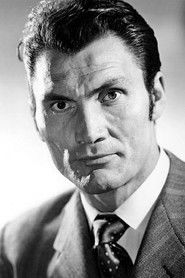 Jack PalancePigeon Lane
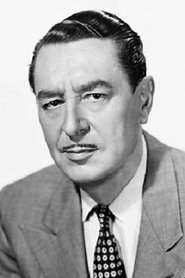 Reginald GardinerSgt. Randolph Johnson
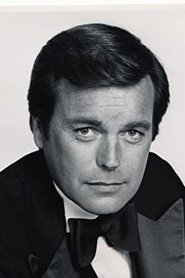 Robert WagnerCoffman
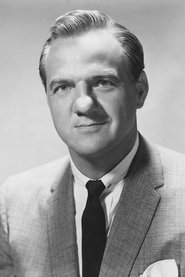 Karl MaldenC.E. "Doc" Jones
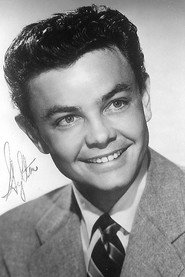 Richard HyltonStuart Conroy
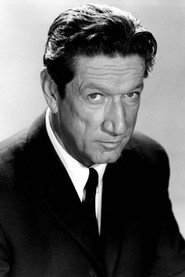 Richard BooneLt. Col. Gilfillan
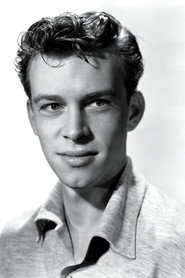 Skip HomeierRiley "Pretty Boy" Duncanon
- Don HicksLt. Bill Butterfield
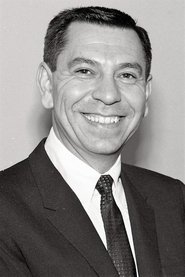 Jack WebbCorrespondent Dickerman
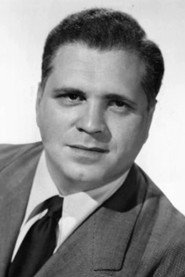 Bert FreedSlattery
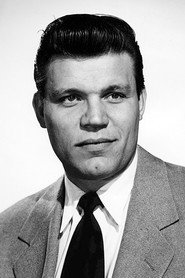 Neville BrandSgt. Zelenko