
Film
A Walk in the Sun
- War action
- Very dark
A 1945 war film following an American platoon's single day after landing in Italy, moving inland toward a bridge. Rather than combat spectacle, it's a study of ordinary soldiers under mounting tension—their talk, fears, darkening humour. Deliberately paced, almost dreamlike. For anyone interested in how cinema could depict war as exhaustion and dread before the action films came.
Should you watch it?
Watch it if you love war films that treat a single mission as a slow, talky walk through ordinary men's nerves, banter and small mistakes rather than a parade of battle set-pieces.
Skip it if you want constant action or a clear hero's arc; this is a 117-minute stretch of marching, waiting and sporadic gunfire, with the tension built from conversation more than from explosions.
What it asks of you: Settle in for just under two hours of unhurried, mostly daylight wandering across the countryside, where patience matters more than adrenaline and the quieter scenes carry as much weight as the fighting.
Not sure? Find tonight's pick in a minute.
If you liked this
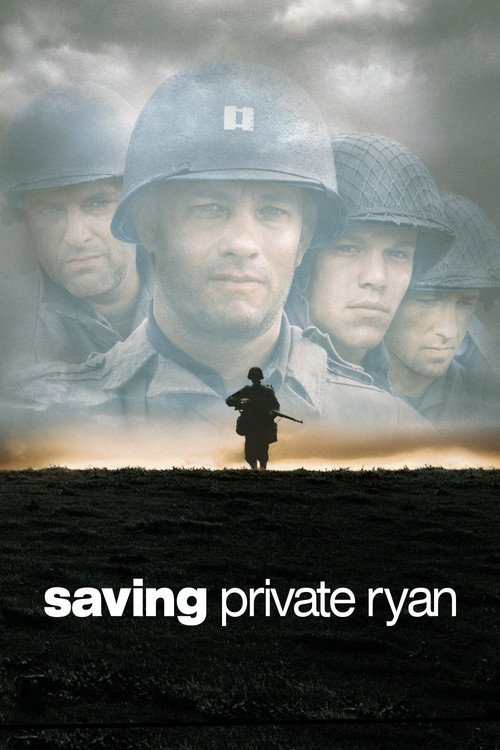
Saving Private Ryan1998
The beach assault is unforgettable, but what lingers is the quiet aftermath—soldiers processing trauma, arguing about duty. It shares the conviction that war is psychological as much as physical.
But Three hours long, and the opening thirty minutes are relentlessly loud and graphic. It can feel like a film made from a commercial about heroism rather than the thing itself.
Come and See1985
A Soviet film about a boy conscripted into a partisan unit. Genuinely the most honest depiction of what war does to the human being ever committed to film. Unbearable and necessary.
But It is genuinely unbearable. Not entertainment. Not cathartic. It will change your mood for days. Some scenes are almost unwatchable, and they're meant to be.

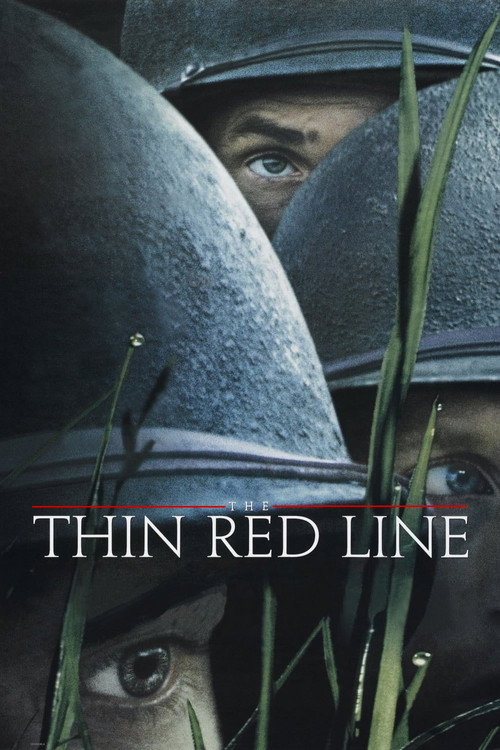
The Thin Red Line1998
Terrence Malick's Guadalcanal film is philosophical and strange—soldiers as philosophers in the jungle, voiceover meditation on mortality and nature. Hypnotic if you surrender to its rhythm.
But It's shapeless and self-indulgent. Malick's style here feels wilfully obscure. If you want plot momentum or clear character arcs, you'll be frustrated.
Not sure tonight? Get a pick in a minute, starting from A Walk in the Sun
The wildcard
Something you would not have found on your own.
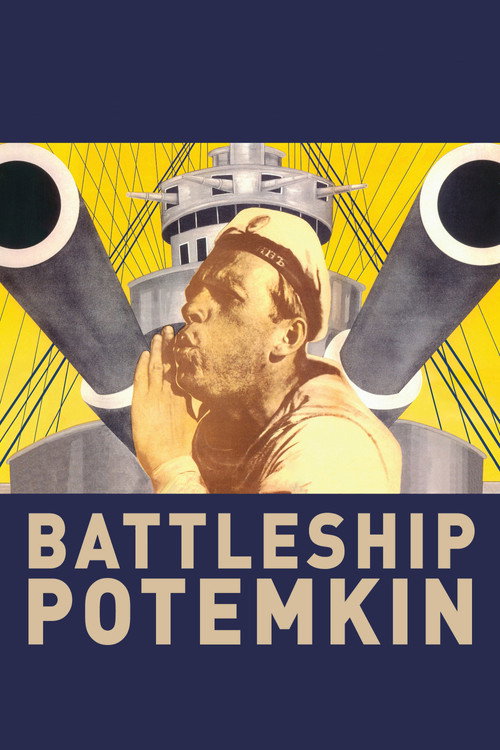
Battleship Potemkin1925
Both are precise studies of men under collective pressure, moments of moral decision. But Potemkin moves at rhythm and symbol where Walk moves at footstep and silence. One is a manifesto, the other a diary.
Eisenstein's silent Soviet masterpiece about a mutiny on a warship. Not realist—it's visual poetry, a manifesto in images about collective power and revolution. The Odessa Steps sequence is cinema itself being born. Nothing like the war film you know.
But It's silent, it's from 1925, and it's experimental. No naturalistic acting, no plot as such. If you need to be entertained conventionally, it will feel like work. And it's overtly propaganda.
More like this (8)
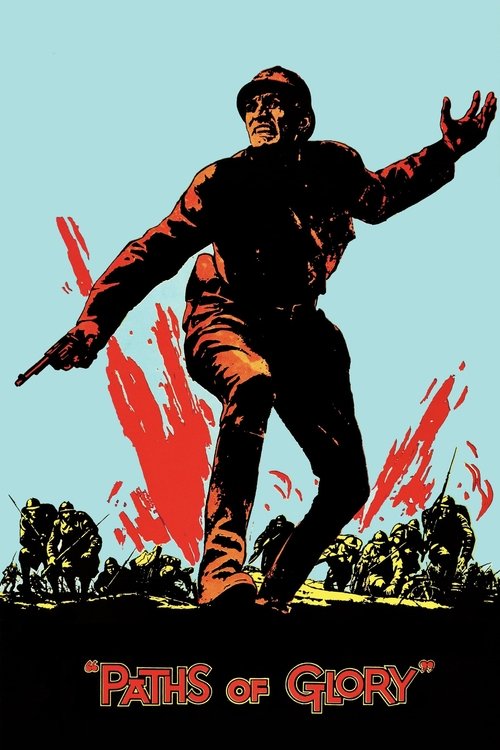
Paths of Glory1957
Kubrick's WWI courtroom film is lean, angry, and structurally brilliant. A platoon sent on a suicide mission, then sacrificed by their own officers. Moral clarity without sentiment.
But The ending is devastating in a way that doesn't resolve. It leaves you in darkness. Some find that profound; others find it punishing.
The Battle of Algiers1966
A Algerian film shot like a documentary about urban guerrilla warfare. Formally inventive, morally complex, and completely unsentimental. Shows how cinema itself could be a weapon.
But It's abstract and didactic at times. The politics are explicit. And it's ambiguous about violence in a way that will bother people looking for clear heroes.

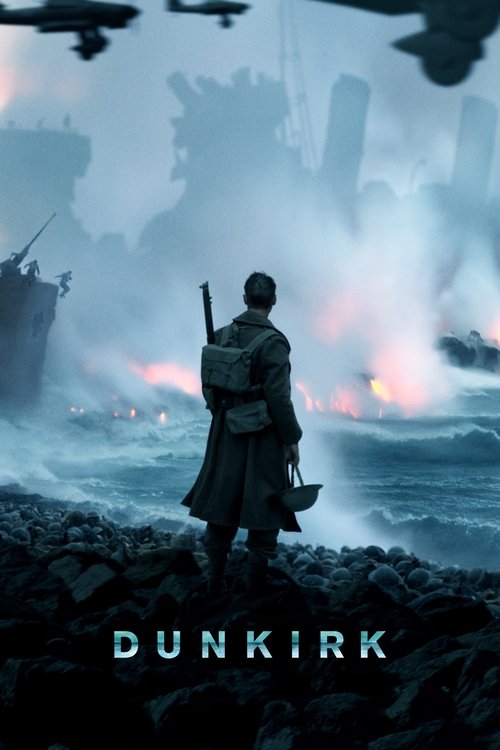
Dunkirk2017
Nolan's Dunkirk is about retreat and survival rather than victory—soldiers waiting on a beach, ships crossing the channel. Multiple timelines create an almost musical structure. Formally clever and genuinely tense.
But The narrative fractured across three timelines is disorienting. Some find it gimmicky rather than illuminating. And there's almost no character development.
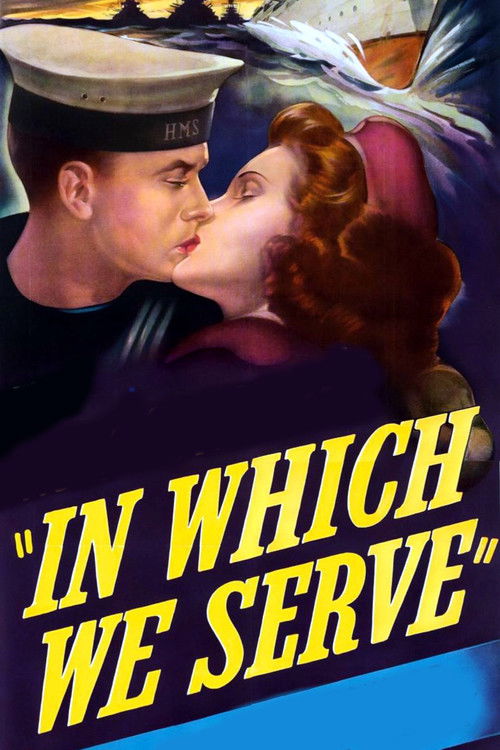
In Which We Serve1942
Coward and Lean's wartime British film about a Naval destroyer and the men aboard her. Propaganda, yes—but intelligent propaganda that respects both soldiers and audience. Foundational.
But It's undeniably of its moment, stiff in places. The class politics are dated. And it's more interested in morale than realism.
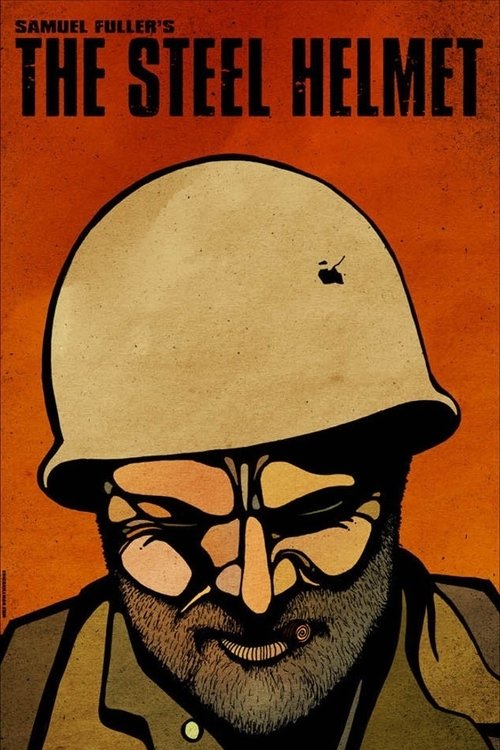
The Steel Helmet1951
Fuller's Korean War film, made on a shoestring. A sergeant and a squad of men hole up in a Buddhist temple. Racial tensions, doubt, exhaustion. Raw and alive in a way bigger films aren't.
But The budget shows. Some scenes feel stagey. The dialogue is sometimes clunky. It looks like what it was—a scrappy independent film.
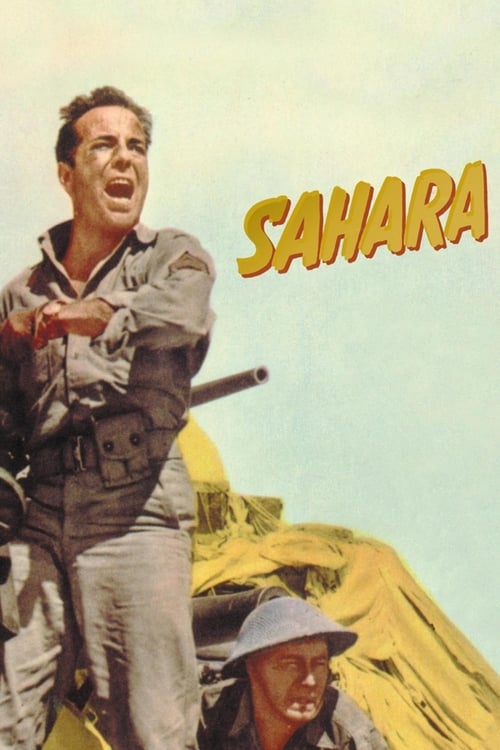
Sahara1943
An American tank crew and a British sergeant are stranded in the North African desert. Tense, claustrophobic, focused on a small group under pressure. A tight, propulsive thriller.
But It's less interested in the horror of war than in survival mechanics. The moral stakes feel thin compared to the plot mechanics. Some will find it too straightforward.
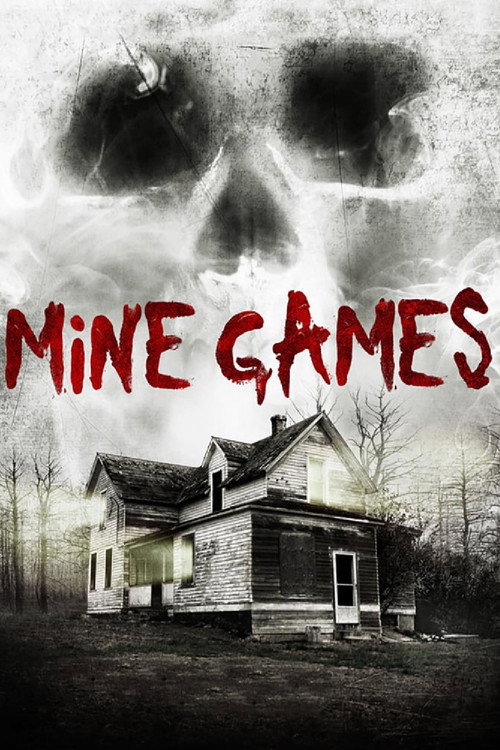
Mine Games2012
Both films trust silence and atmosphere over exposition. Both watch ordinary people processing impossible situations. Walk is realist; Mine Games is sci-fi. But they share a conviction that the real drama is internal.
A group of college students discovers bunkers in the woods. Then they realize they're in them repeatedly—time fracturing, timelines colliding. Dread builds wordlessly. A small, clever film that gets inside your skull.
But It's obscure for a reason: low budget, unknown cast, and the twist will either fascinate or infuriate you. Some find it pretentious. It's slow and deliberately opaque.
Stalker1979
Both films believe that war—or mystery—is not the real subject. The real subject is the soldier's or traveller's interior life: doubt, memory, what they want to become. Both are patient enough to let you live in that silence.
Tarkovsky's Soviet film: a guide, a scientist, and a writer journey through a mysterious zone toward a room that grants wishes. Not a war film—a philosophical meditation on desire, faith, and human nature. Shot in long, hypnotic takes. Transforms what cinema can be.
But It is extremely slow. Ninety minutes will feel like three hours. Almost nothing happens. If you need plot or conventional beauty, you'll be miserable. It demands patience most people don't have.

People
Cast
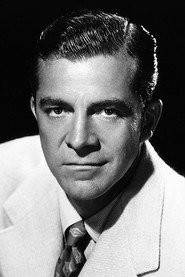 Dana AndrewsSgt. Bill Tyne
 Richard ContePvt. Rivera
 George TynePvt. Jake Friedman
 John IrelandPfc. Windy Craven
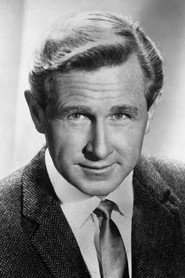 Lloyd BridgesSgt. Ward
 Sterling HollowayMcWilliams
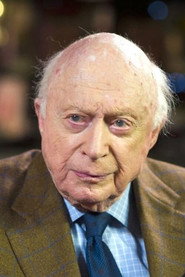 Norman LloydPvt. Archimbeau
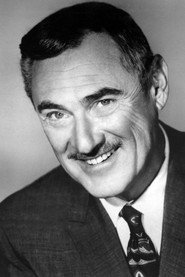 Herbert RudleySgt. Eddie Porter
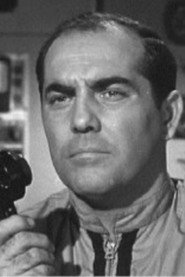 Richard BenedictPvt. Tranella
 Huntz HallPvt. Carraway
 James CardwellSgt. Hoskins
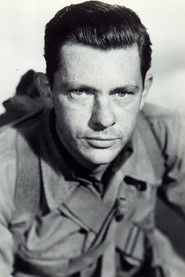 George Offerman, Jr.Pvt. Tinker
Directing
- Maurie M. SuessAssistant Director
- Sam NelsonAssistant Director
- Lewis MilestoneDirector
Writing
- Harry BrownNovel
- Robert RossenScreenplay
Production
- Lewis MilestoneProducer
- Samuel BronstonProducer
- Joseph H. NadelProduction Manager
Recommended by
The Way Ahead, Guadalcanal Diary, Sands of Iwo Jima, Sahara, To Hell and Back, The Fighting Sullivans, The Great War, In Harm's Way, I Wanted Wings, Battleground, Thirty Seconds Over Tokyo, Attack, The Tanks Are Coming, The Losers, The Naked and the Dead, The Glory Guys, Prisoner of War, Wake Island, Winged Victory, Seven Into Hell, The Long and the Short and the Tall, The Hasty Heart, Home of the Brave, Breakthrough, Men in War, From Hell to Victory, Go for Broke!, The White Tower, Halls of Montezuma, Thunder Birds, Combat!