
Film
Attack
A taut 1956 war drama about an infantry lieutenant who loses faith in his captain's command during the Battle of the Bulge. Shot in stark black-and-white, it's a character study disguised as a combat film—less interested in heroics than in how fear and doubt corrode leadership. For anyone who wants their war films uncomfortable and human.
If you liked this
The Killing1956
Kubrick's debut shares Attack's lean efficiency and moral murkiness. A heist film where character flaws matter more than plot mechanics, and nobody walks away clean. Raw, propulsive, utterly gripping.
But It's a noir with a fatalistic worldview that doesn't soften or explain itself. Some viewers find that coldness exhausting rather than compelling.

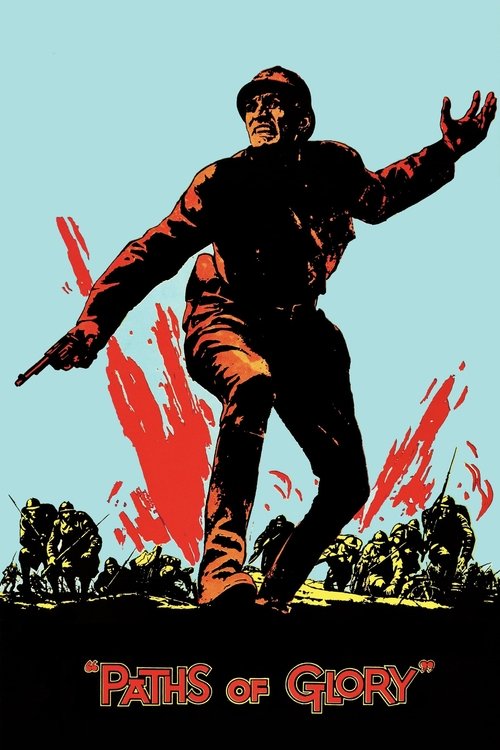
Paths of Glory1957
Kubrick and Kirk together make perhaps cinema's fiercest indictment of military leadership. Three soldiers court-martialed for cowardice during WWI; the film asks who the real cowards are. Devastating and necessary.
But It's angry in a way that doesn't leave room for entertainment. The ending is bleak by design, which some find punishing rather than profound.
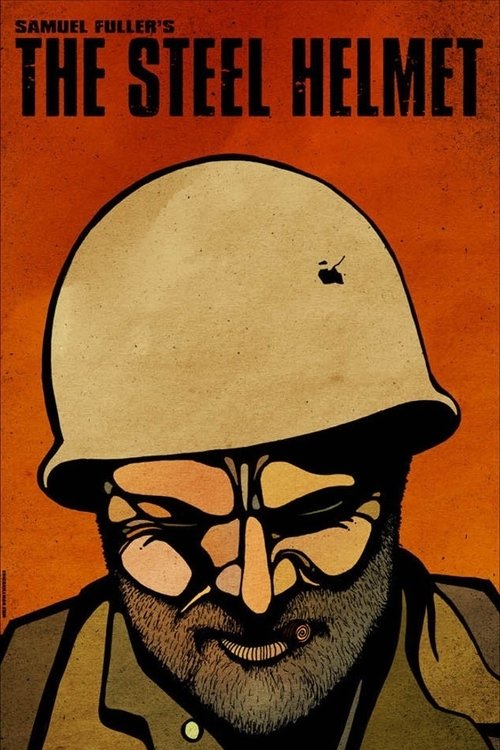
The Steel Helmet1951
Fuller's Korean War film has Attack's interest in fractured leadership and doubt. A sergeant leading a handful of men through hostile terrain, tension mounting from within the unit as much as from enemy fire. Visceral and direct.
But Filmed on a shoestring budget with a small cast, it can feel claustrophobic and repetitive if you're expecting conventional war spectacle.
Not sure tonight? Get a pick in a minute, starting from Attack
The wildcard
Something you would not have found on your own.
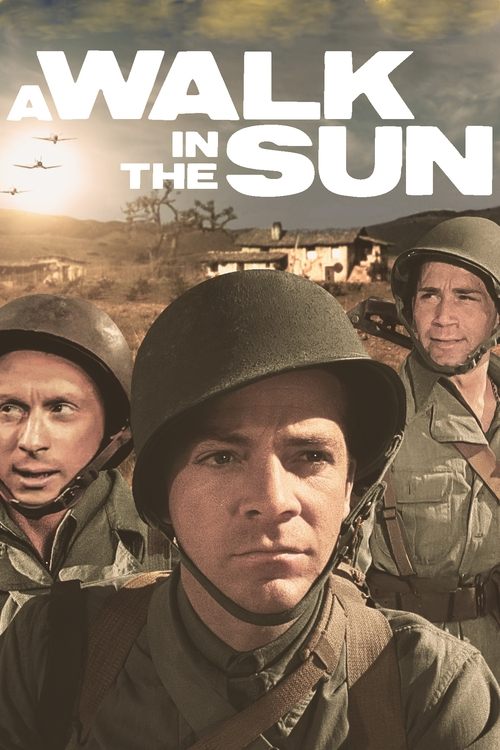
A Walk in the Sun1945
Both are intimate company-level studies of how leadership fractures under pressure, using a single day or operation as their crucible rather than sweeping campaign narratives.
Lewis Milestone's overlooked 1945 film follows a single platoon on one day of combat, mostly in real time. Like Attack, it's focused and psychological, watching how men hold together under stress. Shot in a style that feels almost neorealist for its era.
But It's slow and chamber-like, more interested in conversation than action. For viewers accustomed to modern pacing, it may feel deliberately static.
More like this (8)
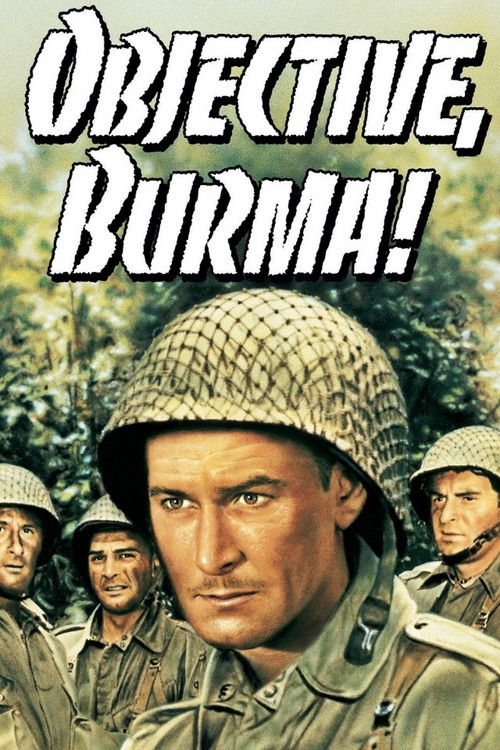
Objective, Burma!1945
Raoul Walsh directs Errol Flynn in a WWII commando raid that's taut and unglamorous. The squad dynamics and creeping doubt mirror Attack's psychological focus. Surprisingly modern in how it handles group tension.
But It's a Hollywood picture from 1945, so the values sometimes show their age. Not as dark or questioning as a modern war film would be.
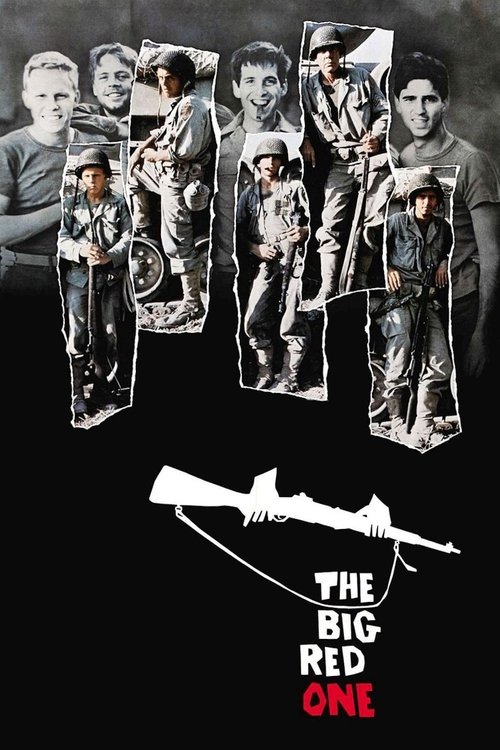
The Big Red One1980
Samuel Fuller's autobiographical WWII epic follows a sergeant and his squad from North Africa to Europe, wrestling with command decisions that haunt him. Epic in scope but intimate in its attention to doubt and trauma.
But It's nearly three hours and structurally episodic rather than plot-driven. Some sequences feel raw or unfinished—which is partly the point, but it won't appeal to everyone.
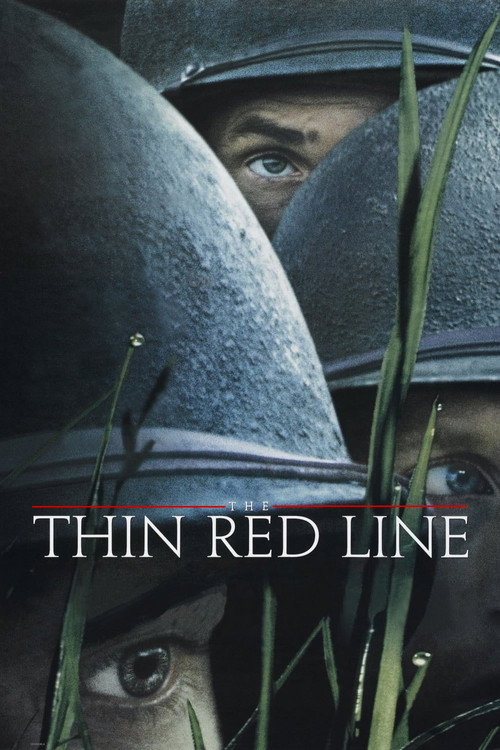
The Thin Red Line1998
Malick's Guadalcanal film is Attack reimagined as a meditation on war's philosophical weight. Stunning cinematography, an ensemble cast, and a willingness to pause and think. For viewers who want beauty alongside brutality.
But It's slow, elliptical, and more interested in philosophy than plot. Malick's style is meditative to the point of abstraction for some viewers.
Come and See1985
A Soviet film about a young partisan recruit in WWII that shares Attack's refusal to sentimentalize war. Shocking, immersive, and psychologically precise about how combat reshapes a person. One of cinema's greatest anti-war statements.
But It's brutal and relentless in ways that verge on unwatchable. Not recommended after a long day or when you need lightness.

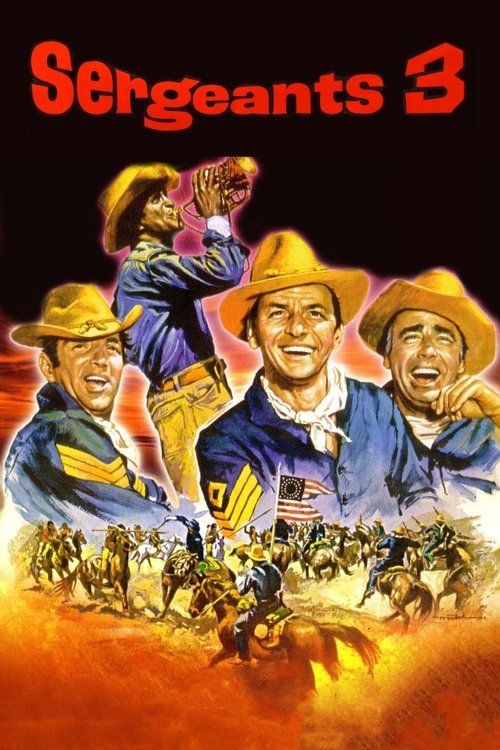
Sergeants 31962
The Rat Pack's cavalry western with Frank Sinatra and Dean Martin. It's a lighter take on the squad dynamics theme, with chemistry between the leads and genuine humor. A reminder that character-driven ensemble pieces don't always have to be grim.
But It's fluffy compared to Attack, which might feel like a tonal whiplash. If you want the weight back, this won't hold it.
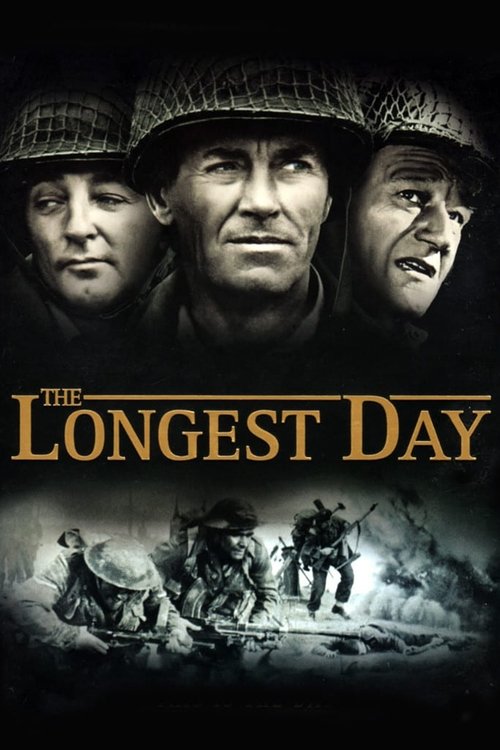
The Longest Day1962
Zanuck's D-Day epic with an ensemble cast (including Marvin and Jaeckel from Attack) and multiple narrative threads. Ambitious, well-crafted, and genuinely moving. A model of how to handle large-scale war storytelling.
But It's a studio picture at heart, so some character arcs resolve too neatly. Three hours of multiple storylines can feel scattered rather than unified.
Ikiru1952
Both examine how institutional hierarchies can strip a good person of agency, and how one man's loss of faith in the system becomes the film's moral centre.
Kurosawa's masterpiece about a dying bureaucrat finding meaning in his final months. It shares Attack's focus on dignity undermined by systems larger than the self, and its black-and-white photography has the same austere beauty. A meditation on wasted potential.
But It's not a war film at all—it's quiet, introspective, and sometimes melancholic. If you're looking for combat or plot momentum, this will feel glacially slow.

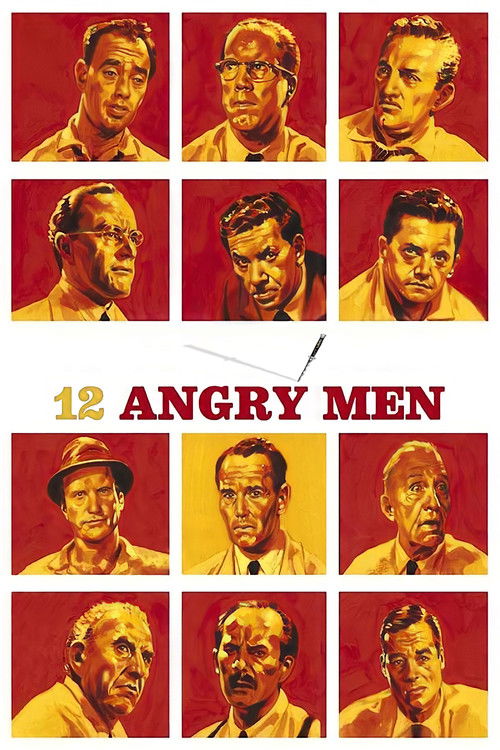
12 Angry Men1957
Both are ensemble pieces about men questioning authority and consensus, where the real drama is psychological and moral rather than external. Both trust dialogue and character over spectacle.
Lumet's brilliant courtroom drama about twelve jurors debating a murder verdict. Like Attack, it's about doubt, authority, and men disagreeing under pressure in a confined space. The architecture of argument and doubt is virtually identical.
But It's entirely set in a jury room and consists largely of talking. If you need visual variety or outdoor action, it's deliberately austere.
People
Cast
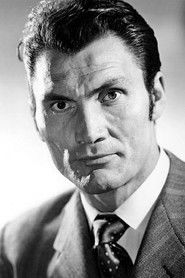 Jack PalanceJoe Costa
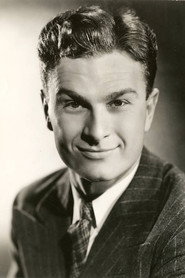 Eddie AlbertErskine Cooney
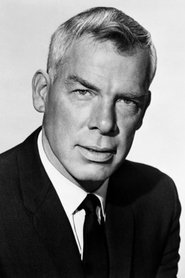 Lee MarvinClyde Bartlett
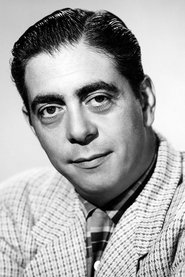 Robert StraussBernstein
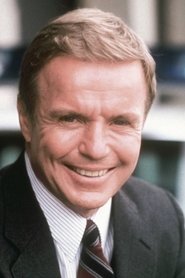 Richard JaeckelSnowden
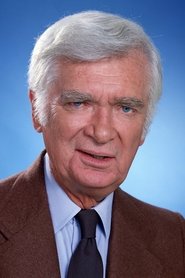 Buddy EbsenTolliver
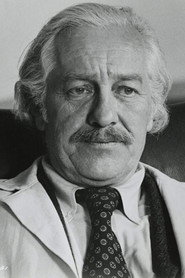 Strother MartinIngersol
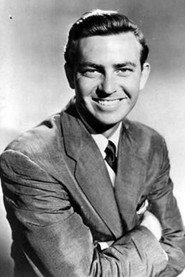 Jon ShepoddJohn Jackson
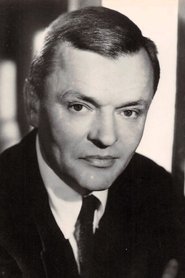 Peter van EyckSS Captain
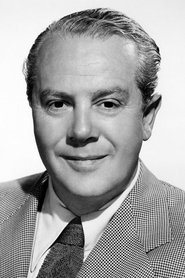 Steven GerayOtto
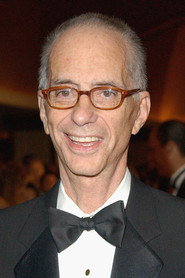 Jud TaylorJacob R. Abramowitz
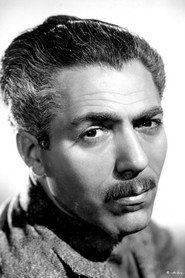 Louis MercierBrouise
Directing
- Robert H. JustmanAssistant Director
- Robert AldrichDirector
Writing
- James PoeScreenplay
- Norman BrooksTheatre Play
Production
- Robert AldrichProducer
- Walter BlakeProducer
- Jack R. BerneProduction Supervisor
Recommended by
Sahara, The Steel Helmet, The Tanks Are Coming, Suicide Commando