
Film
The Tanks Are Coming
A lean 1951 war film following an American tank crew's push into Germany. Unflinching about combat's chaos and costs, it prioritizes the men in the turret over spectacle—their competence, camaraderie, and the grinding exhaustion of staying alive. Solid mid-century American cinema for viewers who want their war stories grounded and human-scaled.
If you liked this
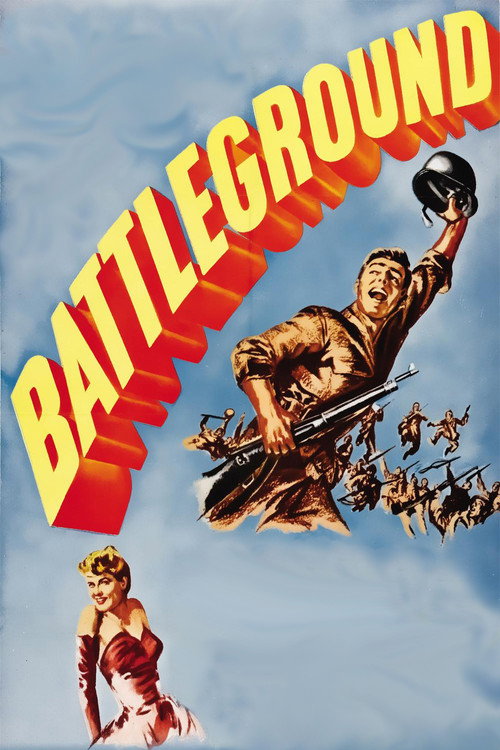
Battleground1949
An ensemble cast carries this tense, unglamorous account of American soldiers in the Ardennes. Director William Wellman finds drama in small moments of fear and fatigue rather than heroic gestures. A masterclass in how to make soldiers feel real.
But The plot is thin—survival and holding ground, not plot momentum. Some find the episodic structure meandering rather than immersive.
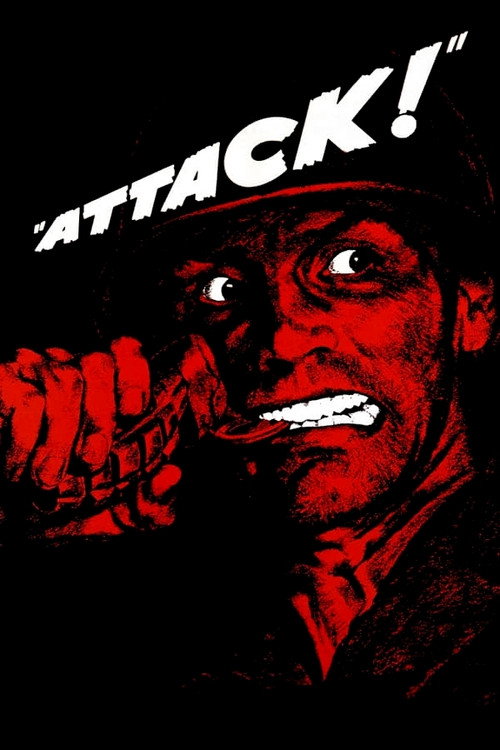
Attack1956
Jack Palance glowers through this brutal portrait of a platoon betrayed by cowardice from above. Tense, morally complex, and genuinely angry about what war does to ordinary men. Lee Marvin is exceptional as the man caught between duty and rage.
But It's darker and more cynical than most 1950s war films. If you want heroism or closure, this will frustrate you.
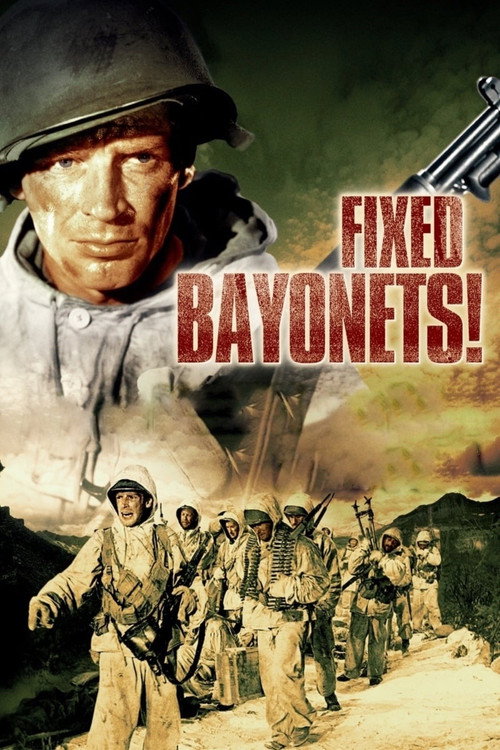
Fixed Bayonets!1951
Samuel Fuller's Korean War film captures infantry combat with documentary-like immediacy. The camera puts you in the mud with soldiers who are terrified, competent, and desperate. Fuller was there—you feel it in every frame.
But Handheld camera work and tight framing can feel claustrophobic. The editing is deliberately rough, which some mistake for amateurism.
Not sure tonight? Get a pick in a minute, starting from The Tanks Are Coming
The wildcard
Something you would not have found on your own.
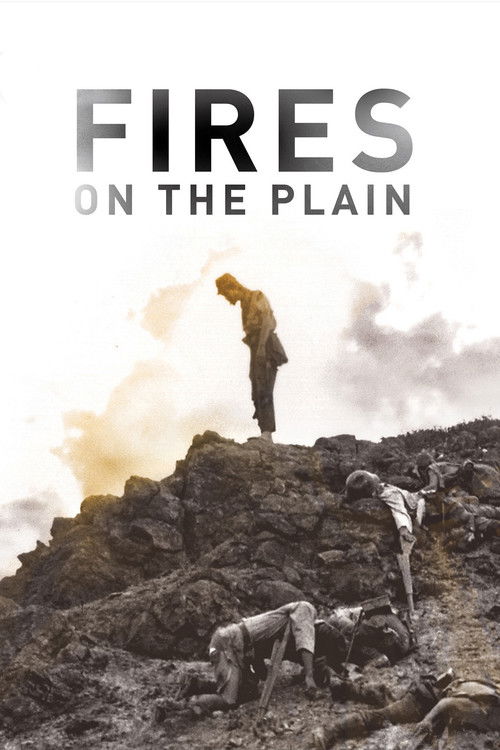
Fires on the Plain1959
Both are told from the grunt's perspective with tactical precision, but Kobayashi uses that lens to expose the horror Americans euphemize. Where The Tanks Are Coming shows competence under fire, Fires on the Plain shows what happens when the machinery breaks and institutions abandon you.
Masaki Kobayashi's Japanese film follows stragglers in the Philippine campaign—not a combat film but a descent into starvation, madness, and moral collapse. Shot in stark black-and-white, it treats war not as drama but as dehumanization. A masterpiece that obliterates the possibility of heroism.
But Extremely bleak and difficult to watch. Contains scenes of desperation that push beyond what most war films dare. Long, slow, and punishing in the best way.
More like this (8)
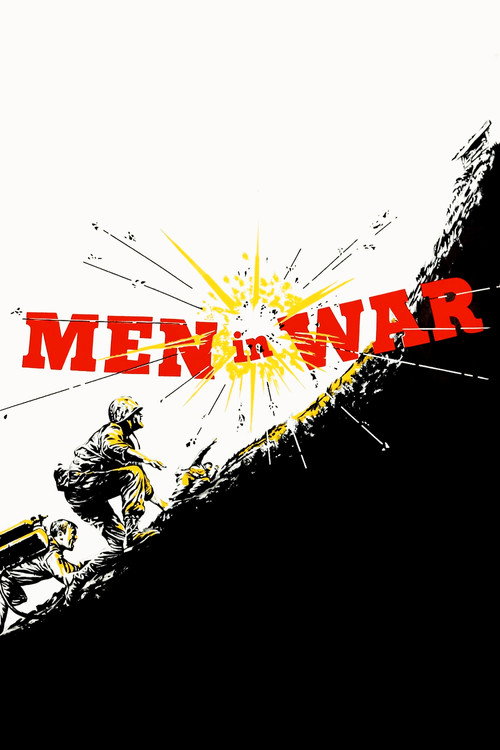
Men in War1957
Robert Aldrich directs this Korean War patrol film with surgical precision. A lieutenant and sergeant navigate moral ambiguity, supply shortages, and the weight of decisions that cost lives. Aldo Ray is unforgettable as a traumatized soldier.
But Slower than you'd expect from Aldrich. The philosophical weight might feel heavy if you're after action.
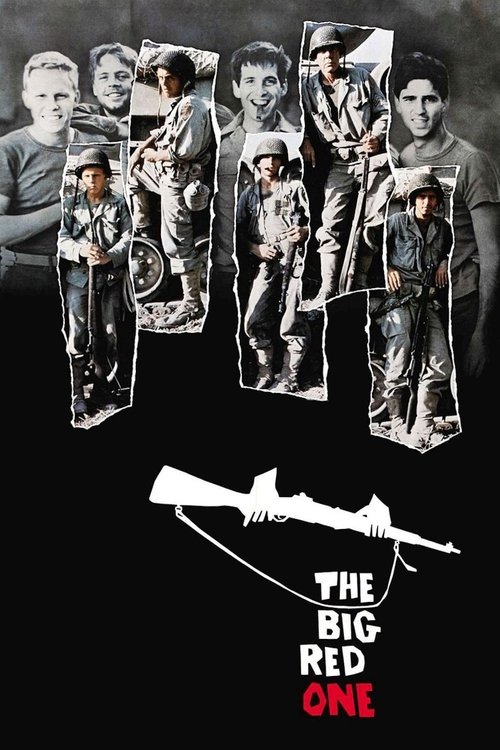
The Big Red One1980
Fuller's opus follows a sergeant and his squad from North Africa to Berlin. Episodic but profound—war as a series of brutal lessons, not a narrative arc. Shot partly in Fuller's own battle footage, it feels like memoir rather than fiction.
But Nearly two hours of mostly dialogue-driven combat sequences. Lee Marvin's gravelly narration won't appeal to everyone. The pacing is deliberately meditative.
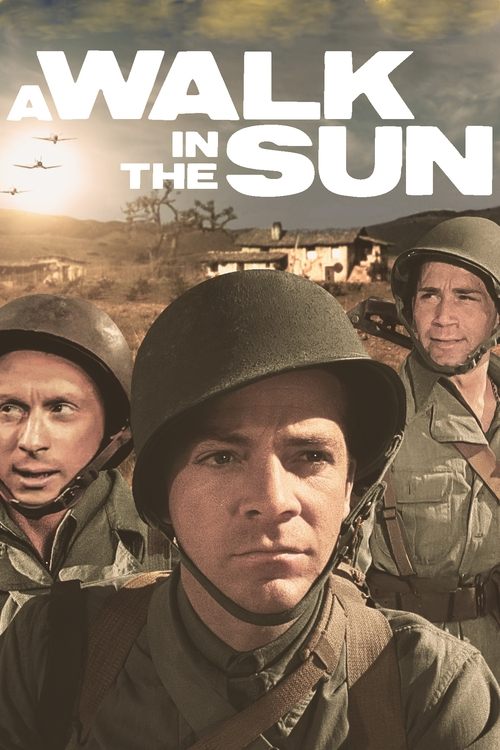
A Walk in the Sun1945
A single day, a single platoon crossing Italian farmland toward a bridge. John Ford captures the texture of wartime anxiety—waiting, joking, fear, mud. The rhythmic structure is hypnotic rather than explosive.
But Nothing dramatic happens until the final minutes. If you need plot escalation, the film's quietness will feel like nothing is happening.
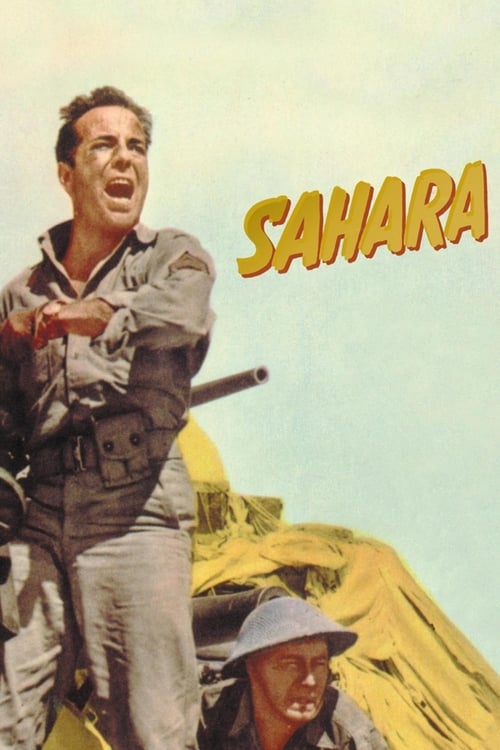
Sahara1943
Humphrey Bogart commands a tank and its crew across the North African desert, fending off German forces with ingenuity and grit. It's taut, purposeful, and Bogart is riveting as a professional soldier under pressure.
But The multi-national crew gathering feels like parable rather than lived experience. Some of the politics date awkwardly.
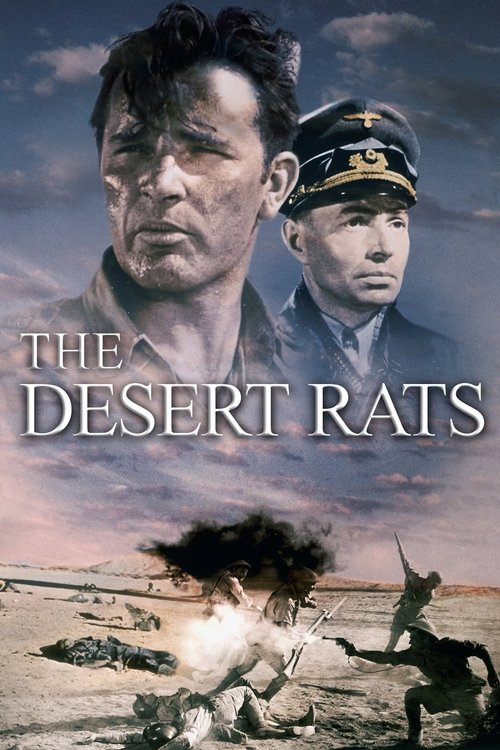
The Desert Rats1953
Richard Burton anchors this British tank film with wiry intensity. Gritty, well-choreographed sequences, and a portrait of exhausted soldiers adapting to desert warfare. Burton brings moral weight to a role others would mail in.
But Feels more like a competent procedural than a revelation. If you've seen good WWII films, the shape of this one is familiar.
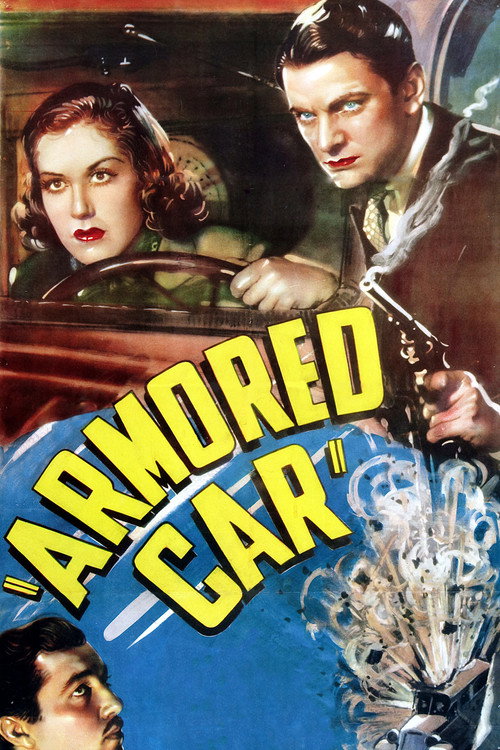
Armored Car1937
An obscure precursor that treats armored warfare with genuine tactical curiosity. Spare, methodical, focused on the vehicle and crew dynamics. Worth tracking down if you want to see where postwar tank films learned their grammar.
But Low budget shows everywhere. The pacing is glacial by any standard. You will have to be actively interested in the subject to stay engaged.
La Haine1995
Both films compress narrative into a tight timespan to intensify pressure on a cohesive unit. Both are about men from different backgrounds forced into alliance by circumstance. Both ask what holds groups together when everything is collapsing.
A French film about three men in a Paris banlieue during riots, told in continuous real-time over 24 hours. Gripping, angry, formally audacious. The kinetic energy and attention to group dynamics under pressure create an entirely different kind of combat narrative.
But French language. The violence is urban, not military. If you're looking for WWII or tactical warfare, this will feel like a category error. Some find it polemical rather than dramatic.

Come and See1985
The Tanks Are Coming privileges competence and crew discipline as anchors. Come and See uses a teenager's loss of innocence to show that the same war is a collapse into absolute chaos on another front. They are the same historical event photographed from opposite ends of comprehension.
Elem Klimov's Soviet film follows a 14-year-old partisan through WWII's Eastern Front. Shot on location where it happened, shot partly on film stock salvaged from the battle itself. It is the most unflinching portrait of war's dehumanization ever committed to cinema. Essential and nearly unwatchable.
But Brutal. Genocidal violence. Long takes that refuse to cut away. You will not have a good time watching this. It exists to destroy the idea that war can be a story with a meaning.

People
Cast
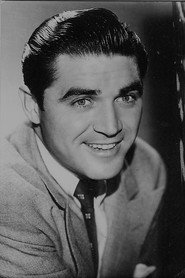 Steve CochranFrancis Aloysius 'Sully' Sullivan
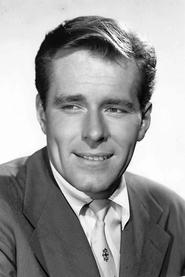 Philip CareyLieutenant Rawson
 Mari AldonPatricia Kane
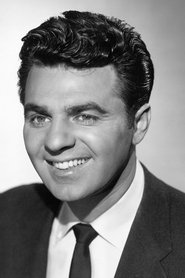 Paul PicerniDanny Kolowicz
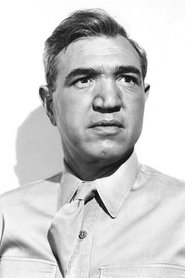 Harry BellaverSergeant Lemchek
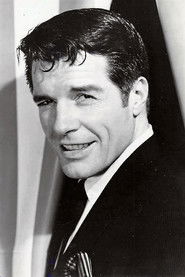 Robert HortonCaptain Bob Horner
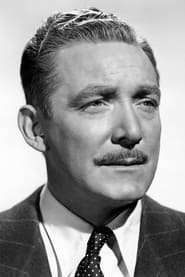 Roy RobertsMajor General
- James DobsonPFC George 'Ike' Eisenhower
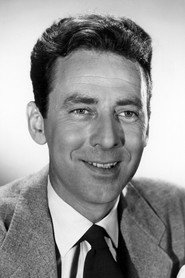 George O'HanlonSgt. Tucker
 John McGuireCol. Matthews
- Robert HortonCapt. Bob Horner
 Michael SteeleSgt. Joe Davis
Directing
- Oren HaglundAssistant Director
- Lewis SeilerDirector
Writing
- Robert Hardy AndrewsScreenplay
- Samuel FullerStory
Production
- Bryan FoyProducer