
Film
The Big Red One
- War action
- Very dark
Samuel Fuller's epic war film follows a grizzled sergeant and his squad across five theaters of WWII, from North Africa to concentration camps. Shot in documentary-like immediacy, it's less interested in heroism than in survival, exhaustion, and the absurd clarity that comes when you've seen too much. For anyone who wants war unglamorous and visceral.
Should you watch it?
Watch it if you like war stories built from episodic scenes of ordinary soldiers getting through a long campaign, with a gruff veteran's rough-edged humanism and little interest in heroic polish.
Skip it if you want a tight, plot-driven war film; it wanders from scene to scene, and at 162 minutes its episodes can feel like they're testing your patience.
What it asks of you: Settle in for a long, episodic haul at a deliberate pace, where the mood swings from dry banter to sudden brutal violence and patience matters more than suspense.
Not sure? Find tonight's pick in a minute.
If you liked this
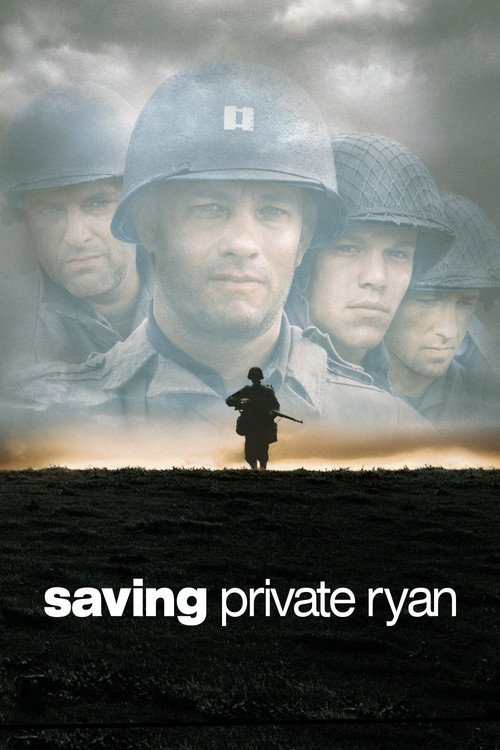
Saving Private Ryan1998
Spielberg's D-Day sequence redefined combat cinema for a generation, and it shares Fuller's commitment to sensory realism—mud, confusion, the random algebra of who lives and dies.
But The second half pivots toward something more conventionally purposeful, whereas Fuller keeps everything contingent and bruising throughout.
Come and See1985
A Soviet film of unbearable power about a teenage partisan confronting the Nazi occupation of Belarus. Like Fuller, it refuses to let you distance yourself from what you're watching.
But It's genuinely one of the most difficult films ever made—not long, but spiritually exhausting in ways that linger for weeks.

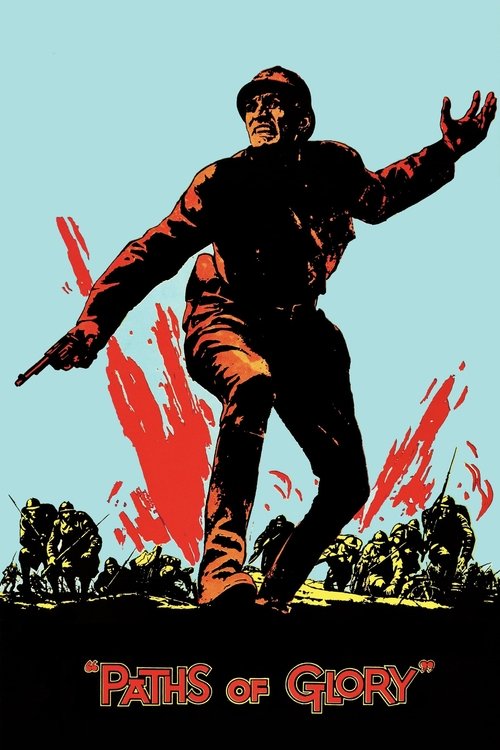
Paths of Glory1957
Kubrick's WWI masterpiece about military bureaucracy and the men ground between it. Same anger at the gap between orders and humanity that animates Fuller's work.
But Structured more like a legal procedural than a battle film; if you want combat, you'll be frustrated by long stretches of argument.
Not sure tonight? Get a pick in a minute, starting from The Big Red One
The wildcard
Something you would not have found on your own.
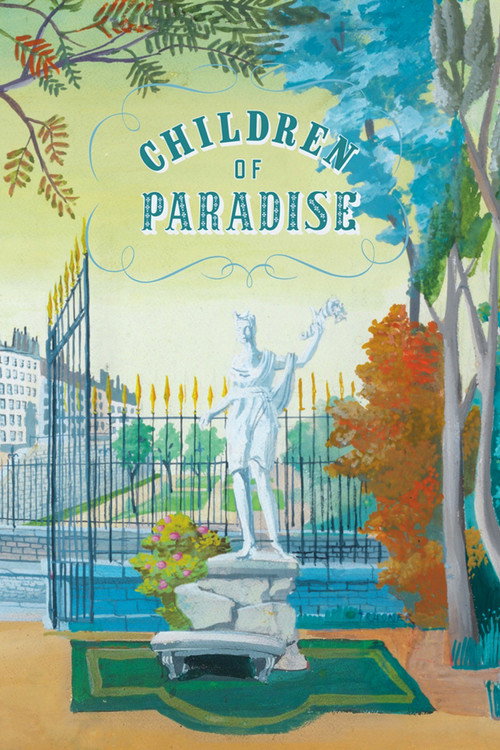
Children of Paradise1945
Both are wartime or immediate-postwar films that trust the audience to understand that survival and small human moments matter more than grand historical narrative.
Marcel Carné's masterpiece is a film *about* performance and survival made *during* Nazi occupation. Like Fuller, it's fundamentally about people enduring impossible circumstance while remaining fully human.
But It's a three-hour romantic melodrama in French with no combat—the connection is thematic rather than surface-level.
More like this (8)
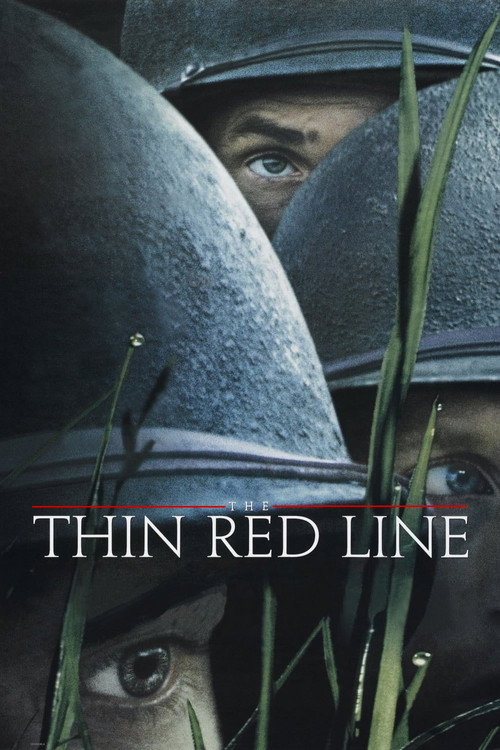
The Thin Red Line1998
Terrence Malick's elliptical Pacific War epic that fragments narrative the way combat fragments consciousness. Fuller and Malick both trust audiences to piece together meaning from sensory fragments.
But Intentionally abstract and often static; some viewers find it more like watching a photobook than a conventional film.
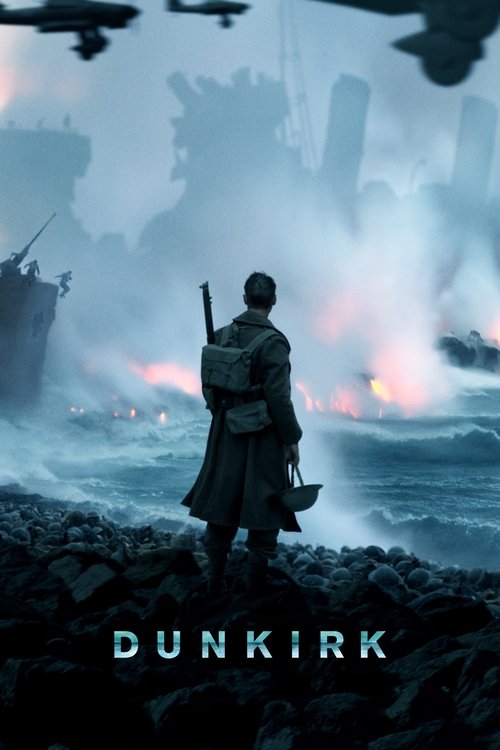
Dunkirk2017
Nolan uses three interlocking timelines to collapse perspective—a technique that, like Fuller, puts you in confusion rather than omniscience. Technically stunning and claustrophobic.
But The fractured structure and Hans Zimmer's relentless sound design can feel more like technical exercise than human drama.
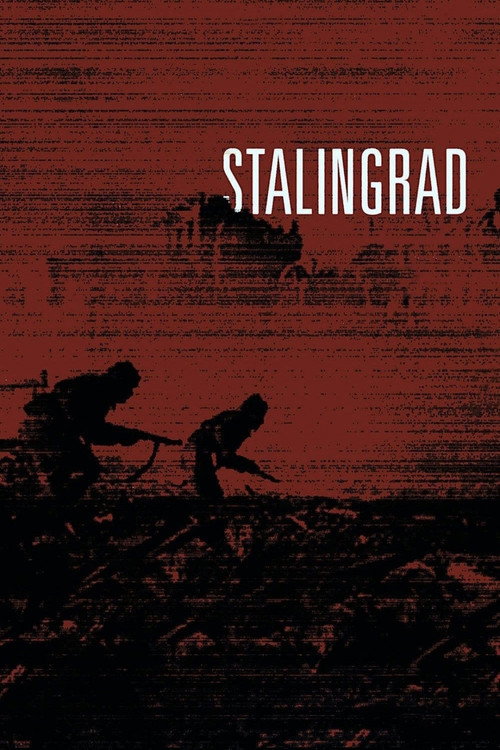
Stalingrad1993
German director Joseph Vilsmaier's unflinching account of the Eastern Front battle. Committed to showing war as grinding attrition rather than narrative climax.
But The pacing is deliberately slow, and there's no sense of inevitable victory—bleakness without relief can feel punishing.
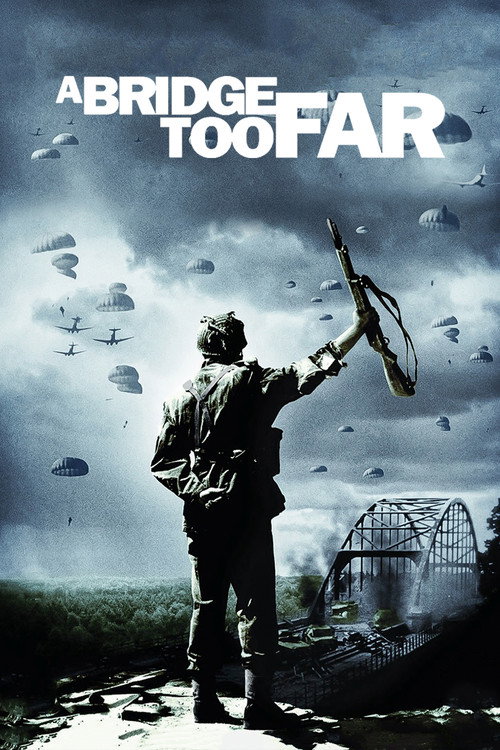
A Bridge Too Far1977
Richard Attenborough's sprawling Operation Market Garden chronicle with an ensemble cast navigating impossible orders. Epic in scope but focused on small human failures within larger machinery.
But Nearly three hours and somewhat uneven; some of the famous-actor cameos feel like distraction rather than story.
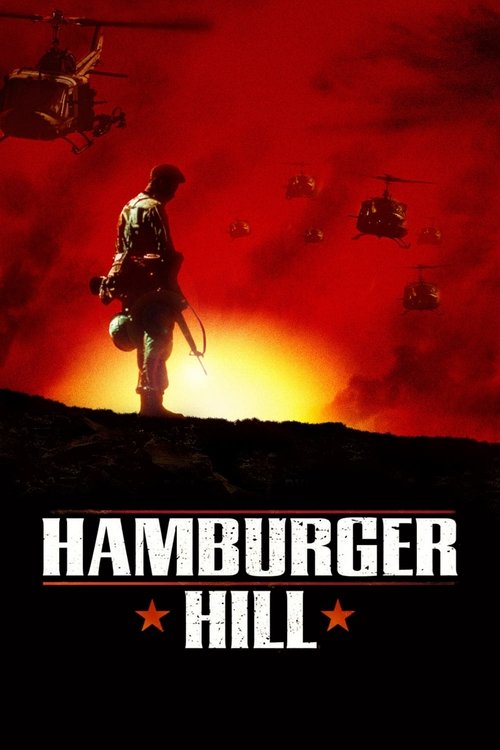
Hamburger Hill1987
A Vietnam War film that channels the Fuller tradition—a squad, a mission, rotating perspectives on futility. Understated and propulsive without pretension.
But It's straightforward in form and slightly dated in execution; nothing here surprised audiences even when it was new.
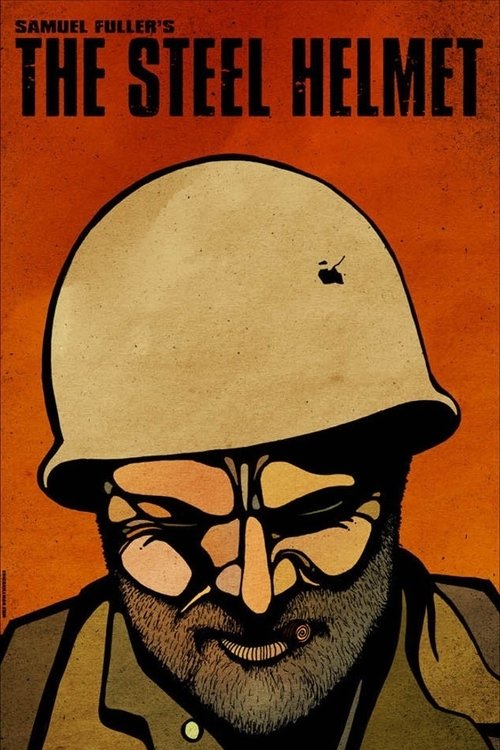
The Steel Helmet1951
An earlier Fuller film, this Korean War drama shows his method in miniature: a sergeant, a small squad, the grinding reality of occupation. Lean and urgent.
But Low budget shows in the production design; you're watching Fuller figure out his approach rather than executing it at full scope.
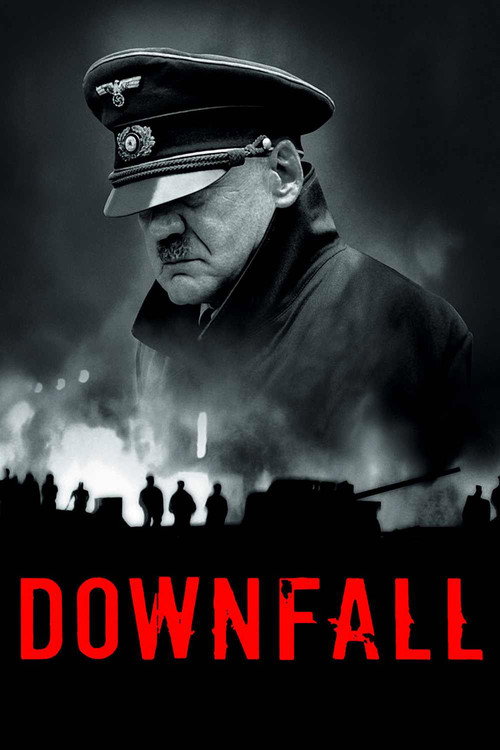
Downfall2004
Both films end by forcing the viewer into proximity with atrocity without the mercy of moral distance or explanatory narration—what you see is what you understand.
Oliver Hirschbiegel's final days of Hitler presents the apocalypse from inside the machine. Like Fuller's concentration camp sequences, it watches horror unfold with documentary precision, refusing to look away.
But Heavy subject matter executed without sentiment; the naturalism of performance and cinematography can feel cold to viewers seeking catharsis.
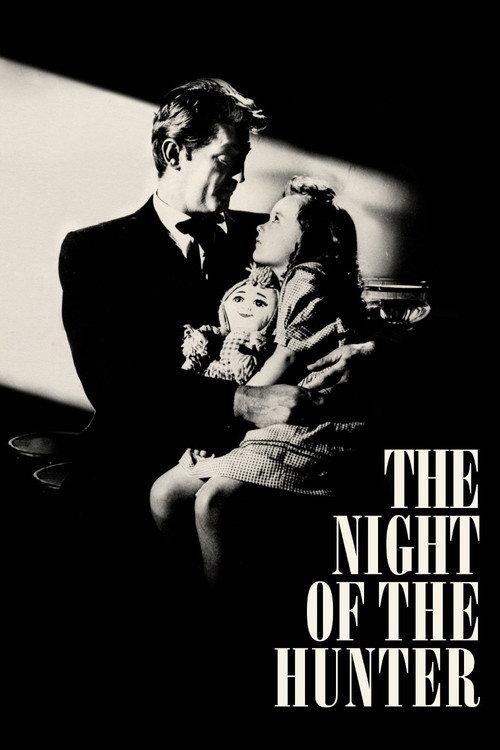
The Night of the Hunter1955
Fuller and Laughton both make films where visual composition and camera movement do the moral work—you don't need dialogue to feel the rightness or wrongness of what's happening.
Charles Laughton's only directorial effort is a nightmare of Americana—visually baroque, psychologically acute about vulnerability and threat. Totally different genre from Fuller, but identical in moral clarity and visual poetry.
But It's a Gothic thriller, not a war film, and some find its stylization artificial; the shadow-play aesthetics can feel theatrical rather than real.
People
Cast
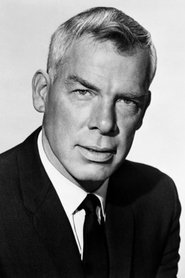 Lee MarvinThe Sergeant
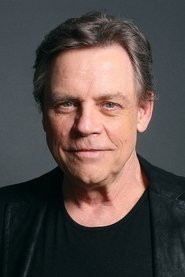 Mark HamillGriff
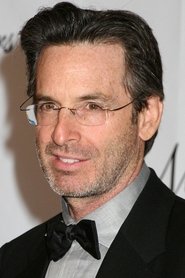
 Bobby Di CiccoVinci
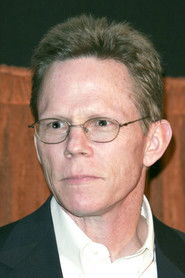 Kelly WardJohnson
 Stéphane AudranWalloon
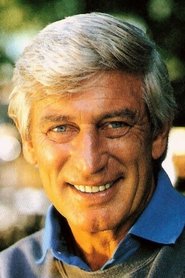 Siegfried RauchSchroeder
 Serge MarquandRensonnet
 Charles MacaulayGeneral / Captain
 Alain DouteyBroban
 Maurice MarsacVichy Colonel
- Colin GilbertDog Face POW
Directing
- Arne SchmidtAssistant Director
- Samuel FullerDirector
- Lynn A. AberScript Supervisor
- Avner OrshalimySecond Assistant Director
- Leo ZismanSecond Assistant Director
- Todd CormanSecond Assistant Director
- Gary ZembowSecond Second Assistant Director
- Lewis TeagueSecond Unit Director
- Monte HellmanSecond Unit Director
Writing
- Samuel FullerWriter
Production
- Barbara MillerCasting
- Gene CormanProducer
- Roni Ya'ackovProduction Manager
- Peter CornbergUnit Production Manager
Recommended by
The Battle of San Pietro, Story of G.I. Joe, Sands of Iwo Jima, The Winter War, To Hell and Back, In Harm's Way, Objective, Burma!, Bataan, Fixed Bayonets!, Attack, The Tanks Are Coming, The Red Badge of Courage, The Naked and the Dead, Breakthrough, Action in the North Atlantic, Treasure of the Amazon, The Red Ball Express, Halls of Montezuma