
Film
To Hell and Back
Audie Murphy plays himself in this 1955 dramatization of his extraordinary WWII service—the most decorated American soldier of the war. It's a straightforward, earnest combat film that balances action sequences with the human cost of survival. For history buffs and war film enthusiasts, it's both document and drama, though the tone is restrained by 1950s standards.
Should you watch it?
Watch it if you like war films built around one real man's stubborn survival, where the battle scenes matter less than the plain, unshowy loyalty between soldiers who have stopped expecting to get home.
Skip it if you want modern combat grit or a film that questions the war itself; this is a 1955 studio picture with a clean-cut hero, sentimental touches and a tidy, admiring frame.
What it asks of you: A brisk hour and three-quarters with an episodic shape, moving from campaign to campaign, so it rewards patience with its chronology more than close attention to any single moment.
Not sure? Find tonight's pick in a minute.
If you liked this
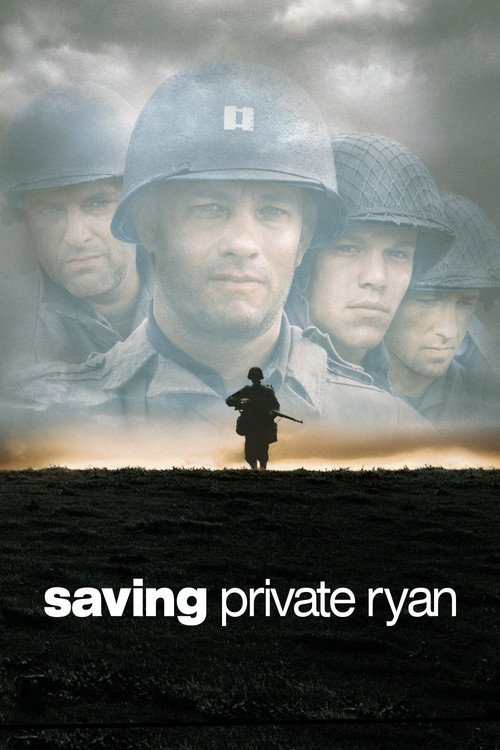
Saving Private Ryan1998
Visceral, unflinching depiction of D-Day and the mission that follows. Spielberg's realism set the standard for modern war cinema, and the opening thirty minutes remain genuinely harrowing.
But Three-hour runtime with long stretches between action. Some find the emotional beats heavy-handed compared to the raw combat sequences.
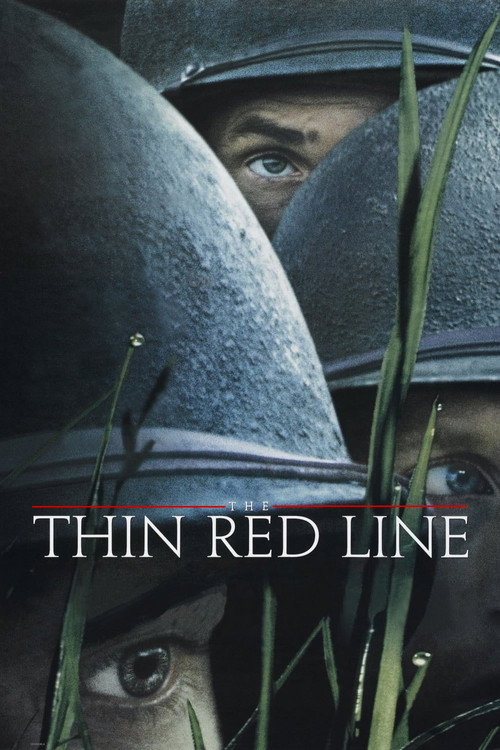
The Thin Red Line1998
Terrence Malick's philosophical meditation on the Guadalcanal campaign. Stunningly photographed, with an almost spiritual approach to war's meaning and mortality.
But Deliberately paced and introspective; if you want plot momentum, this isn't it. The voiceovers divide viewers sharply.
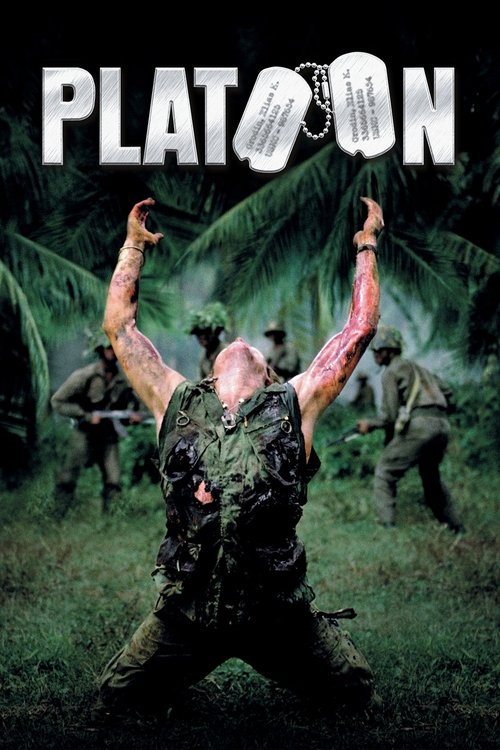
Platoon1986
Oliver Stone's semi-autobiographical account of Vietnam infantry life. The grunt's-eye view is immediate and claustrophobic, capturing confusion and moral ambiguity with rare honesty.
But Brutal and sometimes nihilistic in tone. The violence isn't gratuitous, but it's unflinching, and the film offers no easy answers.
Not sure tonight? Get a pick in a minute, starting from To Hell and Back
The wildcard
Something you would not have found on your own.
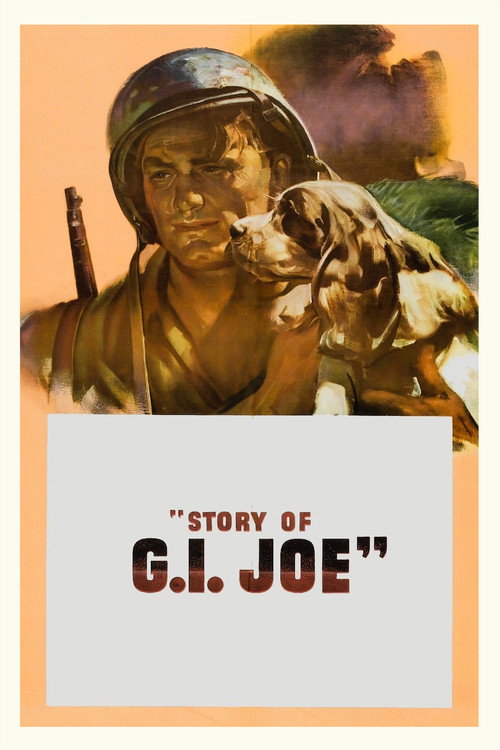
Story of G.I. Joe1945
Both are soldier's-eye accounts of real combat by men who lived it. Murphy's autobiography translated to film meets Pyle's journalism translated to drama—two witnesses to the same war, different media.
Ernie Pyle's war correspondent perspective embedded with troops in North Africa and Italy. Made during the war, it captures something documentary-like about frontline life—less about heroics than exhaustion and camaraderie. Burgess Meredith is unforgettable.
But Fragmented structure, no single narrative through-line. It's more a series of glimpses than a story, and the pacing is deliberately unhurried.
More like this (8)
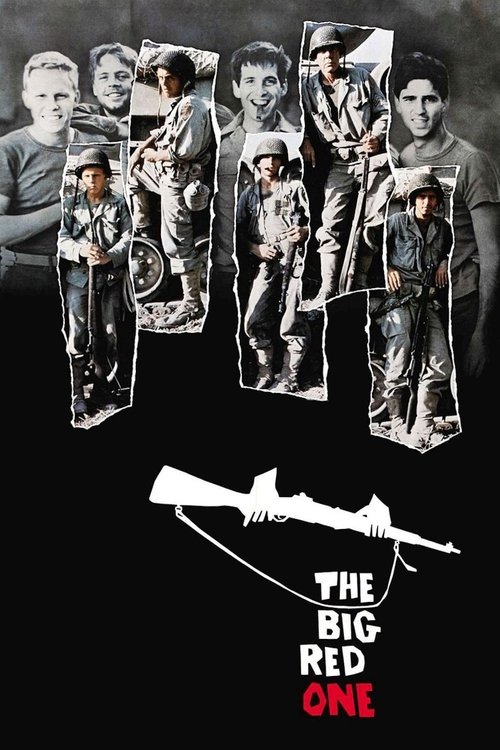
The Big Red One1980
Samuel Fuller's personal war film follows an infantry squad from North Africa through Europe. Fuller actually served in this unit, and the authenticity is palpable—gritty, unsentimental, alive.
But Episodic structure can feel baggy. The 2004 restoration helps, but it's still rough around the edges in ways that bother some viewers.
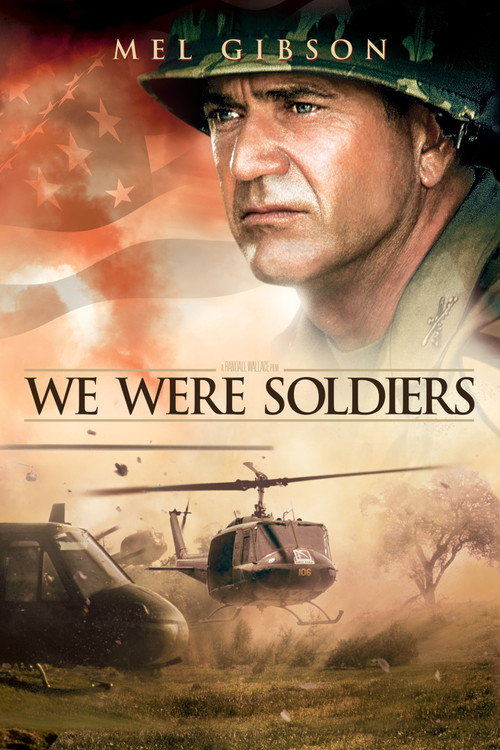
We Were Soldiers2002
Mel Gibson leads this account of the first major engagement between U.S. and North Vietnamese forces. Respects both sides, focuses on the human scale of command decisions, and the action is genuinely thrilling.
But Earnest to the point of schmaltz at times. The battle sequences, while well-done, can feel like war-movie checklist items.
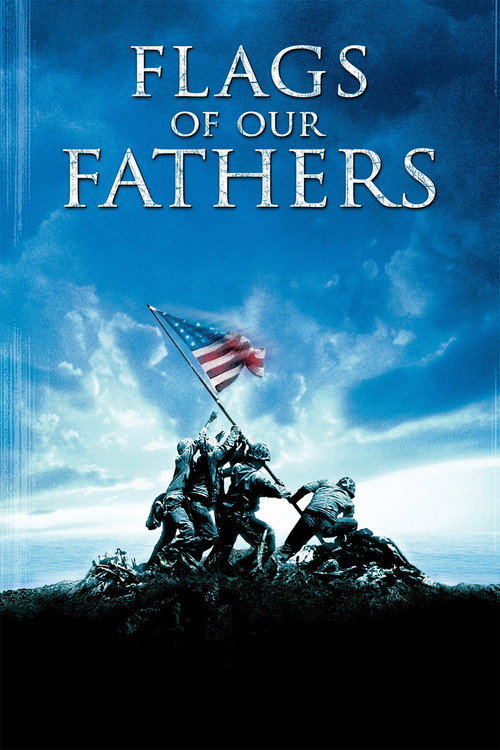
Flags of Our Fathers2006
Eastwood examines the Iwo Jima landing and its aftermath, interested in how soldiers become symbols. The storytelling is complex, moving between timelines with purpose and grace.
But The framing device can feel distancing. Some find the reflection on mythology less engaging than the battle itself would be.
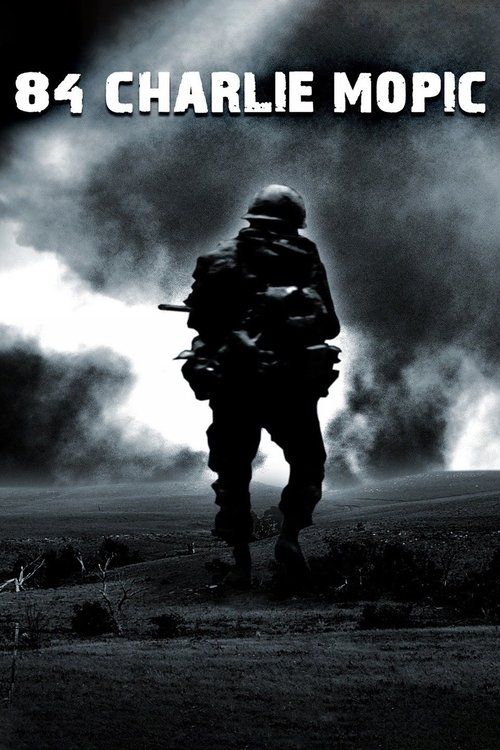
84 Charlie Mopic1989
Lean, intelligent film about long-range reconnaissance patrols in Vietnam. Emphasizes tension and strategy over spectacle; feels like a war film made by soldiers, not generals.
But Low budget shows in the production values. Quiet and procedural—completely the opposite of a war epic, which is exactly why some won't engage with it.
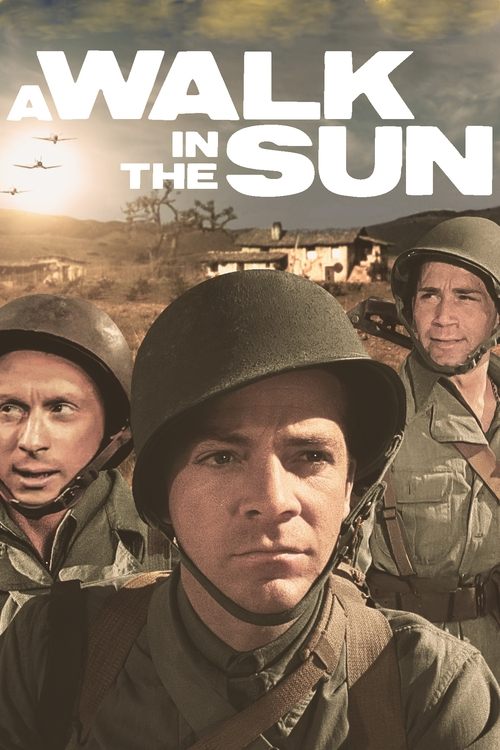
A Walk in the Sun1945
Released the same year the war ended, this follows an infantry platoon's single day in Italy. Remarkably modern in its focus on banter and psychology; the neorealist influence feels decades ahead.
But Black and white, low-budget production and theatrical pacing will feel slow to those raised on contemporary action cinema.
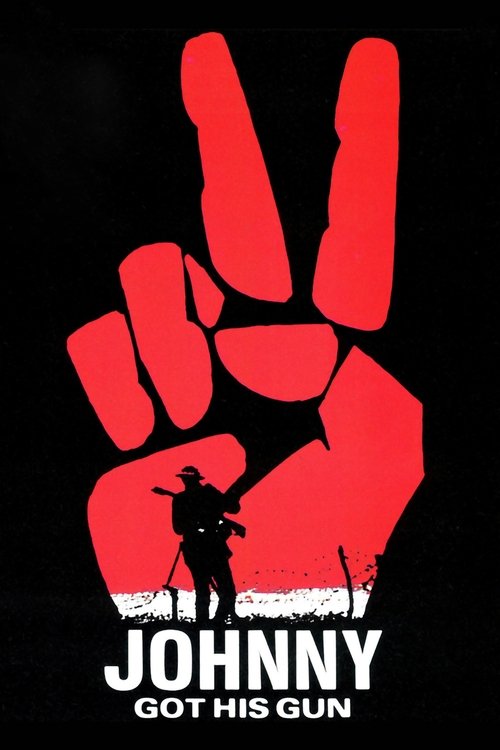
Johnny Got His Gun1971
Dalton Trumbo's haunting adaptation of his own anti-war novel about a WWI soldier rendered completely immobile. Experimental, poetic, and morally uncompromising in ways mainstream war films rarely attempt.
But Genuinely disturbing and deliberately bleak. The experimental style and subject matter make this a difficult watch, not a cathartic one.
Come and See1985
Murphy's film and this one exist at opposite poles of war cinema—one American, measured, heroic in bearing; this Soviet, experimental, stripped of any comfort. Both insist you look at what combat actually does.
Elem Klimov's Soviet film about a young Belarusian partisan in WWII is the most devastating war film ever made. Unflinching in its depiction of the cost of resistance, with a moral clarity that transcends propaganda.
But Extremely graphic and emotionally exhausting. Not entertainment in any conventional sense; this is art designed to scar. Subtitled, and the runtime is 142 minutes of unrelenting intensity.

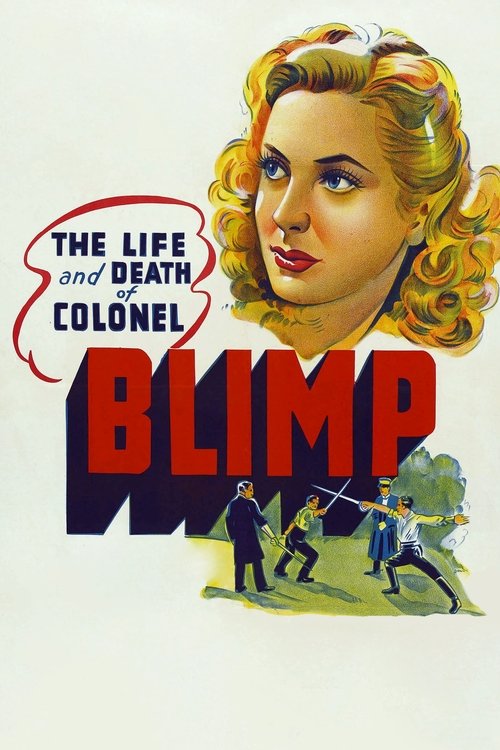
The Life and Death of Colonel Blimp1943
Murphy's film is autobiography as documentary; Blimp is biography as philosophical inquiry. Both ask what service means across a lifetime, but Murphy answers earnestly while Blimp questions everything.
Powell and Pressburger's Technicolor epic spans forty years and two wars through one soldier's life, examining how ideology and empire shape men across generations. It's visually sumptuous, morally complex, and utterly absorbing.
But It's a British film about British military life, sometimes oblique in its concerns. The runtime is long and the pacing is deliberate; it requires patience and attention.
People
Cast
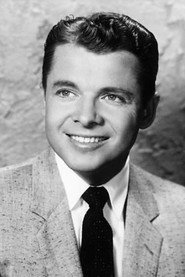 Audie MurphyAudie Murphy
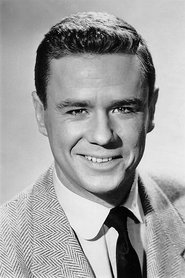 Marshall ThompsonJohnson
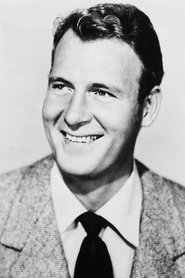 Charles DrakeBrandon
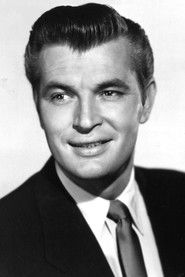 Gregg PalmerLt Manning
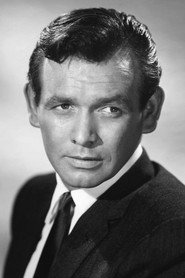 David JanssenLt Lee
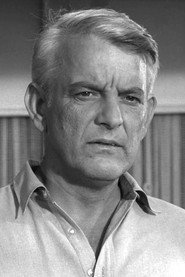 Denver PyleThompson
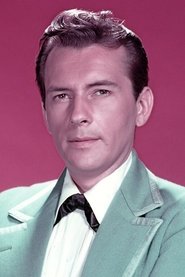 Jack KellyKerrigan
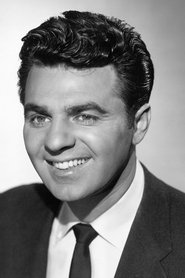 Paul PicerniValentino
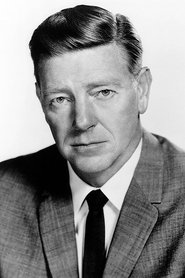 Paul LangtonColonel Howe
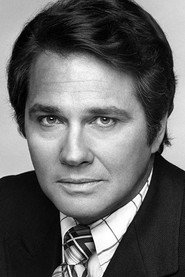 Brett HalseySaunders
 Susan KohnerMaria
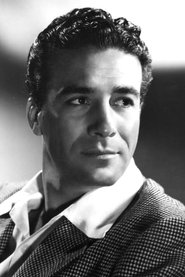 Bruce CowlingCaptain Marks