
Film
The Thin Red Line
Terrence Malick's WWII film uses the Guadalcanal campaign as a pretext for something closer to a tone poem than a combat picture. Soldiers whisper interior monologues about nature, God, and mortality while grass sways and battle erupts around them. It's gorgeous, slow, philosophically restless, and asks more questions than it answers. Patient viewers who want war cinema as meditation, not spectacle, will find it unforgettable.
If you liked this
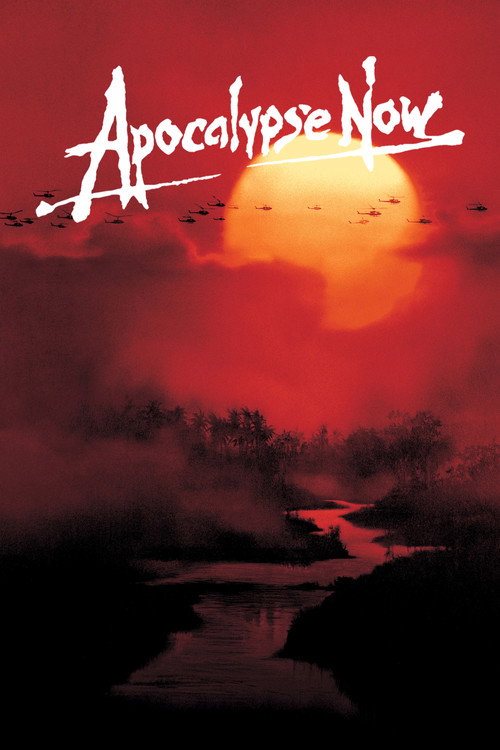
Apocalypse Now1979
Another war film that treats combat as a descent into something closer to madness and myth than strategy, with hallucinatory imagery and a voiceover as haunted as Malick's soldiers.
But Its Vietnam surrealism is louder and more operatic than Malick's hushed Pacific reverie.
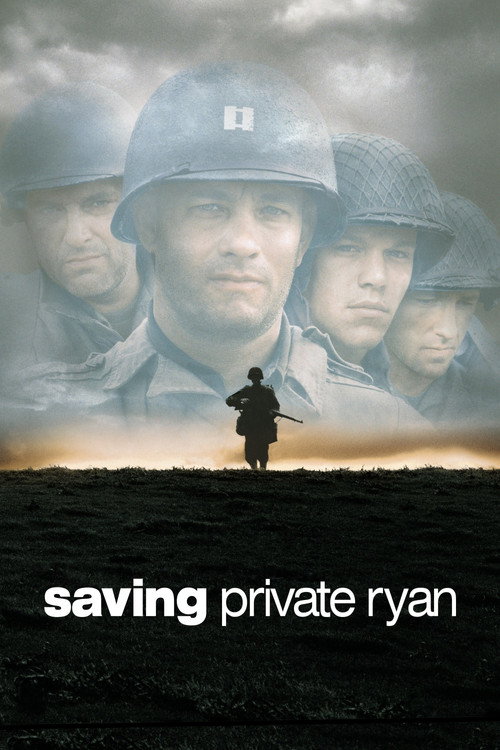
Saving Private Ryan1998
Released the same year, it's the visceral, propulsive counterpart to Malick's stillness — brutal, immediate, and unforgettable in its own very different register.
But It wants you gripped, not contemplative; the philosophy is thin next to Malick's.
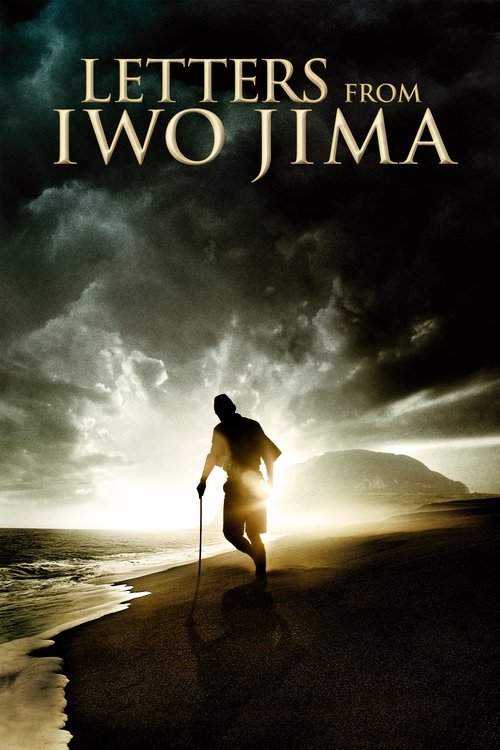
Letters from Iwo Jima2006
Same Pacific theatre, same quiet dread, but told from the Japanese side — a humane, restrained companion piece about men waiting to die far from home.
But Subtitled and mournful throughout; it never offers the visual ecstasy Malick does.
The wildcard
Something you would not have found on your own.
Guadalcanal Diary1943no page yet
Same battle, same island, same terror — but shot as confident wartime morale-boosting instead of decades-later philosophical grief. Watching them together shows exactly what fifty years and Malick's skepticism changed.
A wartime Hollywood picture about the exact same campaign, made while the battle was still fresh news — brisk, patriotic, and utterly certain of what it's for.
But Propaganda-era filmmaking: flat characters, no ambiguity, nothing like Malick's doubt.
More like this (8)
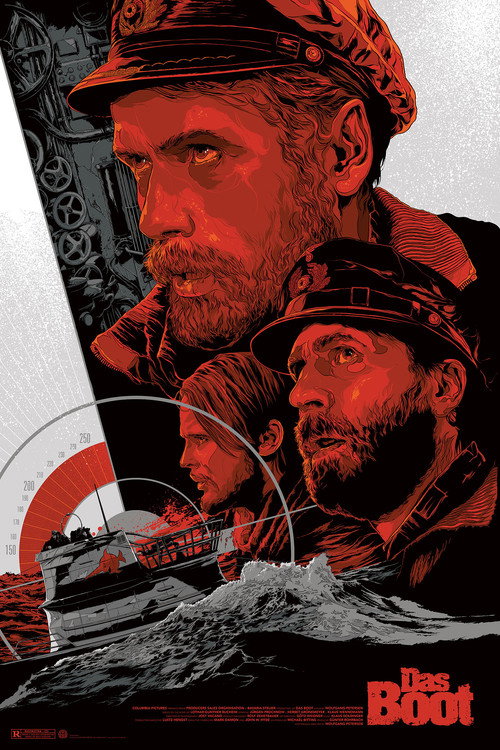
Das Boot1981
Swap jungle for submarine and you get the same claustrophobic dread of men trapped inside a machine built for killing, unsure if today is the day it ends.
But It's tense and airless where Malick is expansive and meditative — a very different kind of dread.
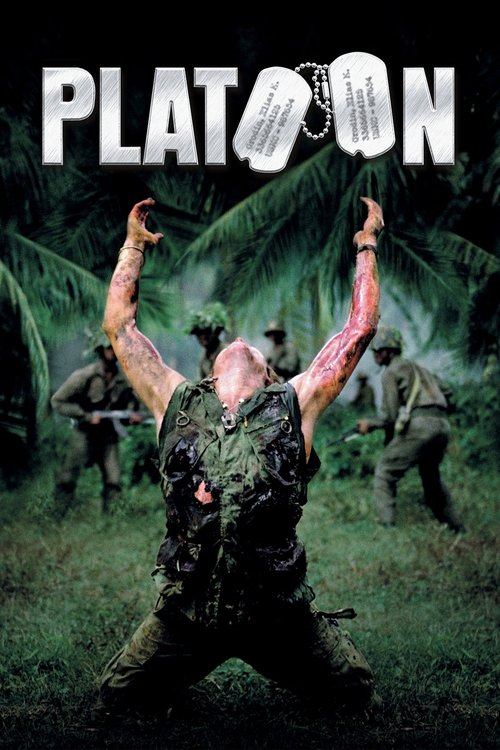
Platoon1986
Oliver Stone's own tour of duty turned into cinema, with the same interest in what war does to a soldier's soul rather than just his body.
But More morally blunt and less interested in nature or transcendence than Malick's version.
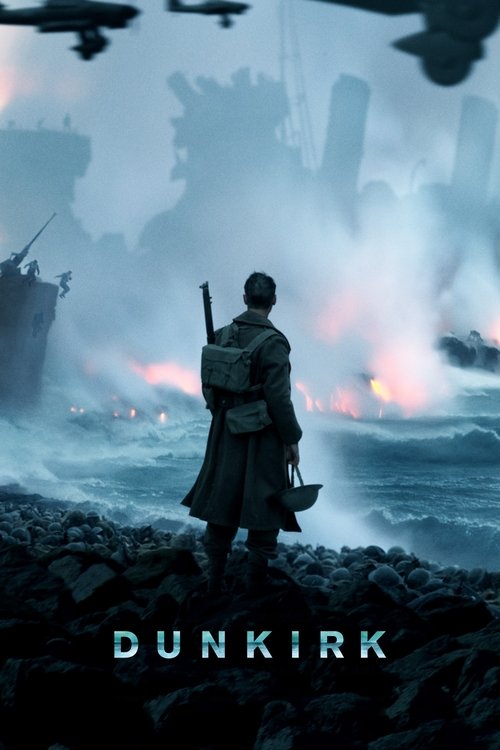
Dunkirk2017
Christopher Nolan's ticking-clock evacuation film is nearly wordless, all sensation and dread — a different but equally sensory way of putting you inside a war.
But It's tense and mechanical rather than reflective; there's no inner monologue here.
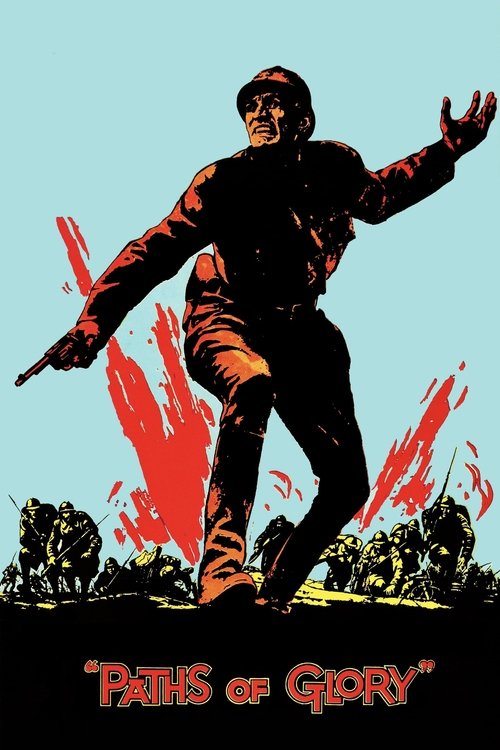
Paths of Glory1957
Kubrick's WWI courtroom drama shares Malick's fury at the gap between military logic and human dignity, delivered in crisp, furious black and white.
But Talkier and more plot-driven, with none of the impressionistic drift you'd get here.
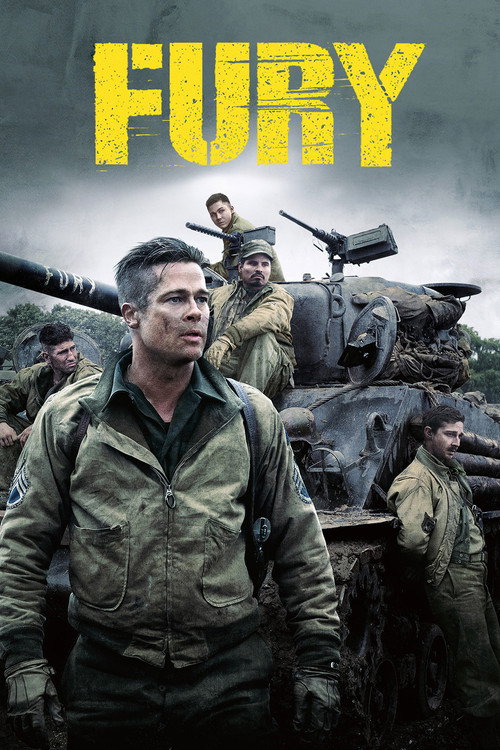
Fury2014
A tank crew grinding through the war's final days, brutal and grim, for when you want the ugliness of combat without any poetic distance.
But Straightforwardly grim rather than philosophical; it won't scratch the meditative itch.
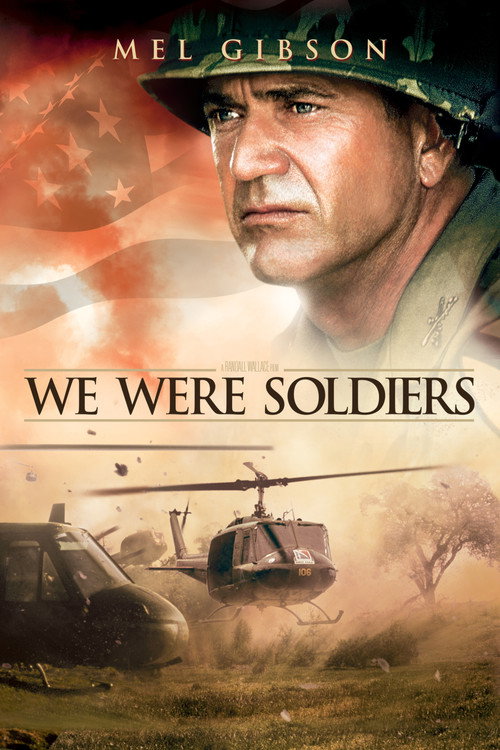
We Were Soldiers2002
An earnest, old-fashioned ensemble war film about Vietnam that wants you to feel every man's fear and grief, sentimental where Malick is elusive.
But Conventional in structure and score; it spells out feelings Malick leaves unspoken.
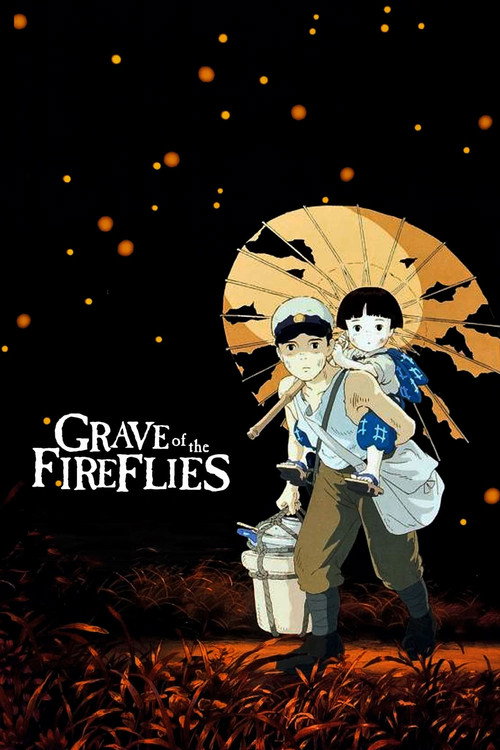
Grave of the Fireflies1988
Both films use the natural world — insects, light, water — as a silent witness to atrocity, and both refuse to give war any glory. This one just does it from the civilian side of the same war, in a medium you wouldn't expect.
An animated Japanese film about two siblings surviving the firebombing of Kobe — devastating, tender, and just as obsessed with nature's indifference to human suffering.
But It's animation, it's from the losing side, and it will wreck you far more directly than Malick ever does.
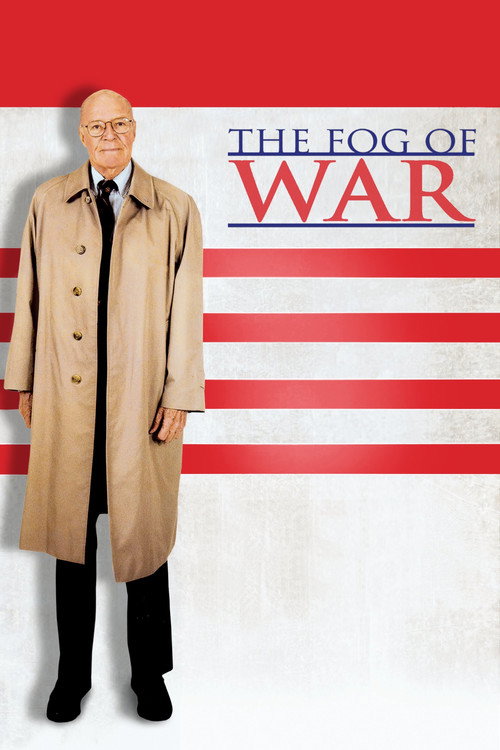
The Fog of War2003
Where Malick's soldiers philosophize about violence from inside it, McNamara philosophizes from decades of hindsight and guilt — the same questions about fate and culpability, asked in a courtroom instead of a jungle.
Errol Morris's documentary interview with Robert McNamara turns one man's memories of decision-making in war into a meditation on fate, morality, and self-deception.
But No combat footage or visual splendor — just a face, a voice, and eleven lessons about human error.
People
Cast
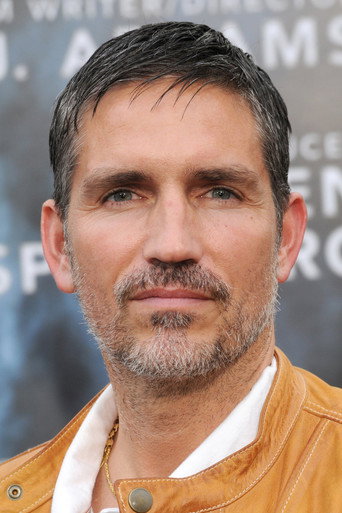 Jim CaviezelPvt. Robert Witt
 Nick NolteLt. Col. Gordon Tall
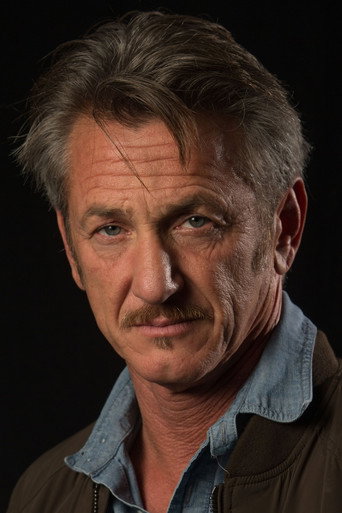 Sean Penn1st Sgt. Edward Welsh
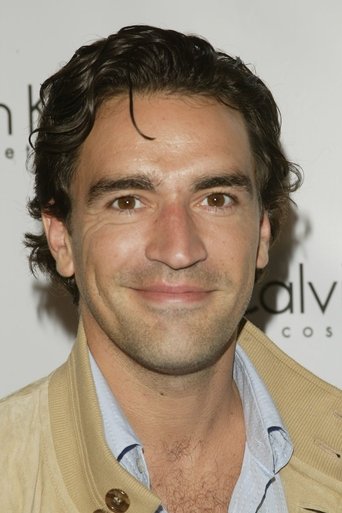 Ben ChaplinPvt. Jack Bell
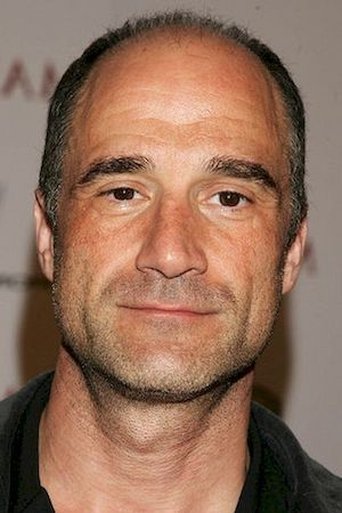 Elias KoteasCapt. James Staros
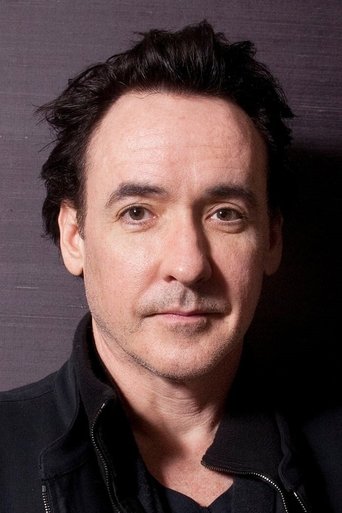 John CusackCapt. John Gaff
 Dash MihokPfc. Don Doll
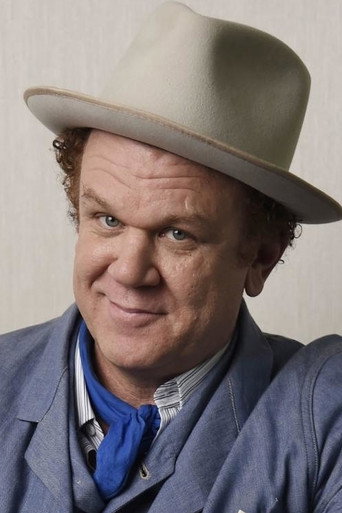 John C. ReillySgt. Maynard Storm
 Woody HarrelsonSgt. William Keck
 Miranda OttoMarty Bell
 Arie VerveenPfc. Charlie Dale
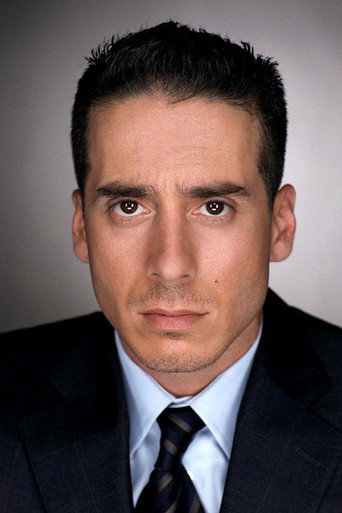 Kirk AcevedoPvt. Alfredo Tella
Directing
- Terrence MalickDirector
- Emily SaundersScript Coordinator
- Chris O'ConnellScript Supervisor
- Pamela WillisScript Supervisor
Writing
- James JonesNovel
- Terrence MalickScreenplay
Production
- Sheila Davis LawrenceAssociate Producer
- Dianne CrittendenCasting
- Barbara CollinsCasting Associate
- George Stevens Jr.Executive Producer
- Grant HillProducer
- John RoberdeauProducer
- Robert Michael GeislerProducer
Recommended by
Saving Private Ryan, Dunkirk, All Quiet on the Western Front, Band of Brothers, The Pacific, Generation Kill, Full Metal Jacket, Restrepo, Apocalypse Now, Platoon, All Quiet on the Western Front, The Battle of San Pietro, Pearl Harbor, The Deer Hunter, The Tree of Life, From Here to Eternity, Letters from Iwo Jima, Hacksaw Ridge, The New World, Flags of Our Fathers