
Film
One from the Heart
Coppola's fever dream of a film about a couple's one-night split in Las Vegas, told through drenched neon aesthetics and a swooning Tom Waits score. It's romantic melodrama filtered through pure cinema—less interested in plot than in how love feels when you're standing in the dark watching someone else's silhouette. For people who think films can be paintings.
If you liked this
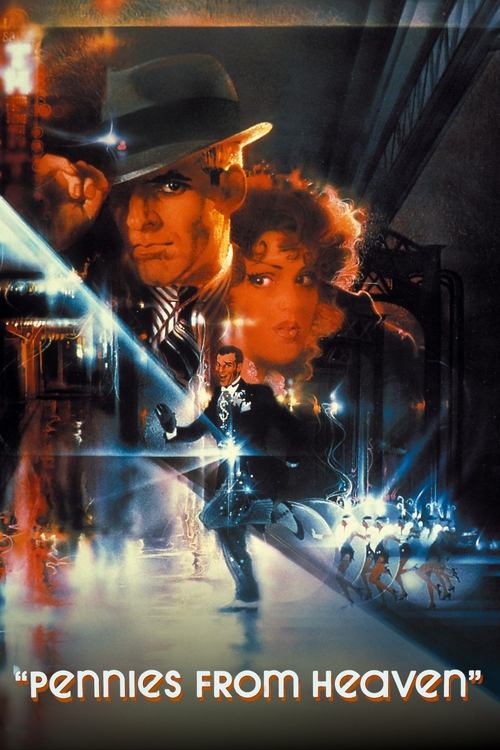
Pennies from Heaven1981
Like One from the Heart, it weaves Depression-era fantasy sequences into a story of longing and infidelity, using old songs and sumptuous cinematography to make everyday heartbreak feel operatic and gorgeous.
But Both films move slowly and philosophically rather than dramatically. If you need plot momentum, the gorgeous imagery will feel indulgent rather than transcendent.
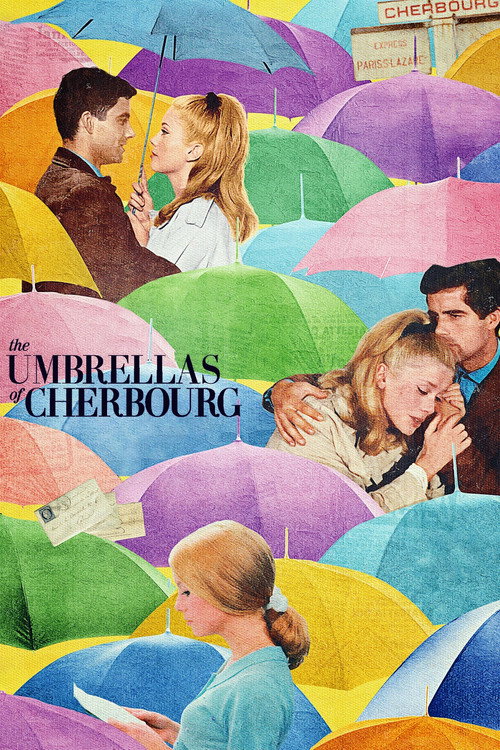
The Umbrellas of Cherbourg1964
A prototype for Coppola's aesthetic: a film where colour, music, and emotion are the actual story. About chance meetings and loves that might have been, told in saturated pastels and pure visual rapture.
But Deliberately artificial and stylised. The musical-without-singing approach requires you to surrender to artifice or you'll find it mannered and slow.
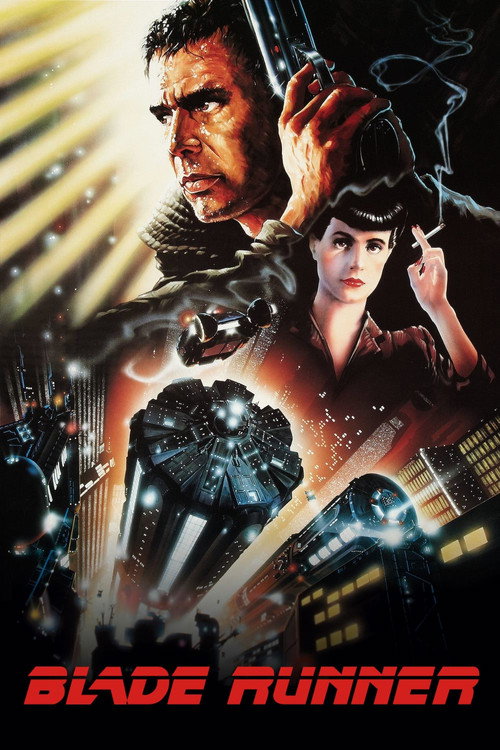
Blade Runner1982
Released the same year, equally concerned with neon-soaked atmosphere and whether authentic emotion exists at all. Both films ask what's real in a world dripping with artifice.
But It's a sci-fi noir, so the tone and pacing are completely different. One from the Heart is intimate; this sprawls and cools.
Not sure tonight? Get a pick in a minute, starting from One from the Heart
The wildcard
Something you would not have found on your own.
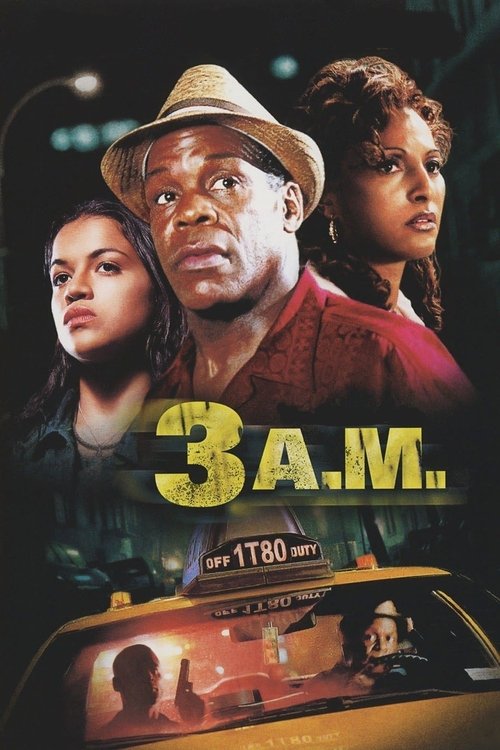
3 A.M.2001
Both films treat a single night in a city as the entire emotional universe. Both privilege mood, walking, and the spaces between words over plot. Both ask whether desire justifies its own pursuit.
A Korean film about a woman's obsessive night following her ex through Seoul, told in real-time without conventional drama. Like One from the Heart, it ransacks emotional fantasy against the grid of one city, one night, one impossible longing.
But Extremely slow, repetitive, and deliberately boring in places. It mimics the texture of obsession rather than entertaining about it. Some will call it self-indulgent.
More like this (8)
Mulholland Drive2001
Lynch's dreamlike excavation of Los Angeles fantasy and reality, love and loss. Like Coppola, he's interested in how cinema itself creates illusion and longing.
But Three hours long and deliberately obscure about what's actually happening. Frustrating if you want clarity or conventional narrative.

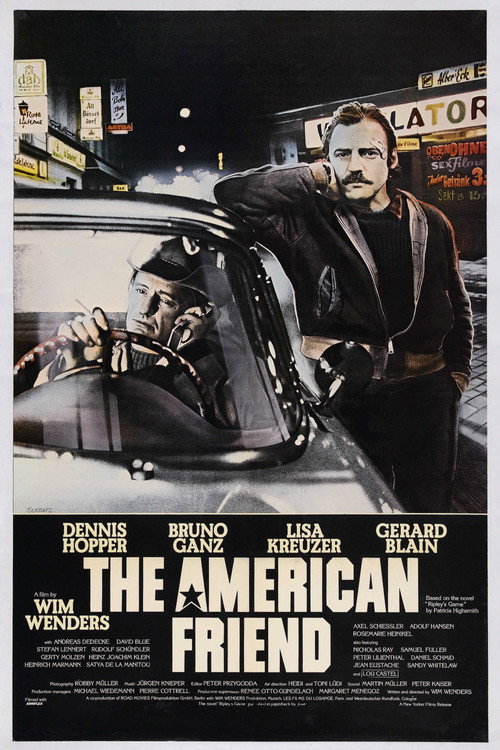
The American Friend1977
Wim Wenders on attraction and betrayal in Europe, with the same interest in mood, colour, and moral ambiguity. Quiet, observant, and visually intoxicating.
But Paced for contemplation, not entertainment. Nothing much happens in the conventional sense, and it trusts you to find meaning in looks and silences.
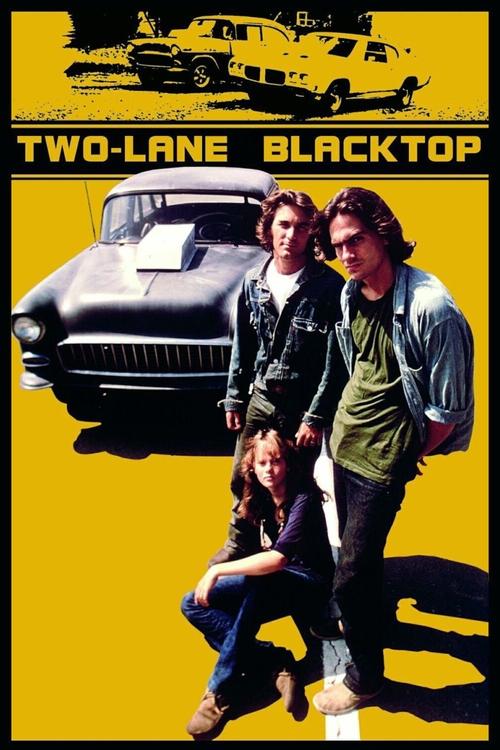
Two-Lane Blacktop1971
A minimalist American road film that cares more about surfaces, behaviour, and feeling than story. Like One from the Heart, it's about desire and motion rather than destination.
But Deliberately anti-narrative and elliptical. Long stretches of driving with minimal dialogue will test your patience if you expect traditional drama.
The Night of the Hunter1955
Expressionistic and visually extreme in ways that echo Coppola's approach—using shadow, light, and formal composition to convey psychological states rather than plot points.
But A thriller first, an art film second, so the violence and menace might work against the lyrical mood you're after.

Made in Hong Kong1997
Wong Kar-wai's saturated, romantic vision of urban alienation and young love. Like One from the Heart, it prioritises visual poetry and melancholy over conventional storytelling.
But Subtitled and shot in Wong's deliberately mannered style—fuzzy, neon-drenched, sometimes hard to follow. Some find it beautiful; others find it pretentious.

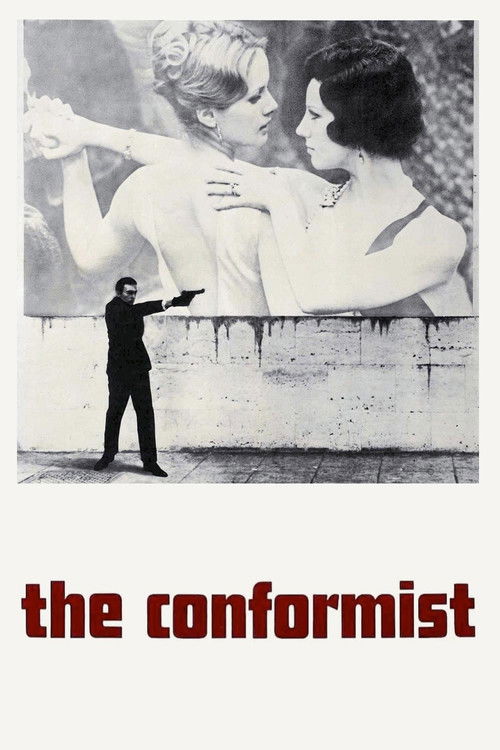
The Conformist1971
Bertolucci's exploration of desire, identity, and self-deception through lush, carefully composed frames. Both films use cinema itself as their primary language.
But Italian art cinema from fifty years ago; it requires patience and tolerance for ambiguity. The pacing is European, not American.
Stalker1979
Both refuse to let emotion resolve into neat conclusions. Both suggest that what we pursue is often not what we need, and the pursuit matters more than the destination. Both use environment—Las Vegas's neon, Stalker's grey Soviet textures—as a character itself.
Tarkovsky's slow meditation on desire, belief, and the difference between fantasy and reality. Shot in soft focus and muted colour, it has One from the Heart's dreamlike philosophy but in a completely different register—cosmic rather than romantic.
But Three hours long, almost nothing happens externally, and the pacing is glacial. If you found One from the Heart too ethereal, this will test you severely.

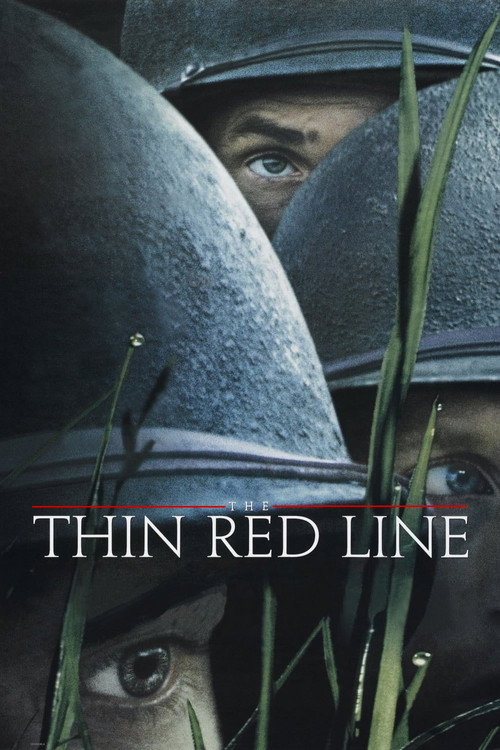
The Thin Red Line1998
Both films treat cinema as a vehicle for exploring interiority and feeling rather than story. Both digress beautifully. Both trust visual and auditory beauty to do emotional work that dialogue usually handles. Both have been criticized for prioritising surface over sense, but that's exactly what they're about.
Terrence Malick's war film that abandons chronology for ellipsis, treating battle as philosophical reverie. Like One from the Heart, it's interested in consciousness, beauty, and the texture of experience rather than coherent narrative.
But A two-hour-forty-minute war film that barely functions as one. Whispered voiceovers, philosophical tangents, and almost no conventional plot structure. Divisive even among those who love the approach.
People
Cast
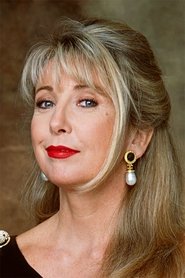 Teri GarrFrannie
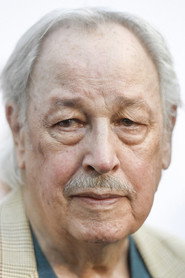 Frederic ForrestHank
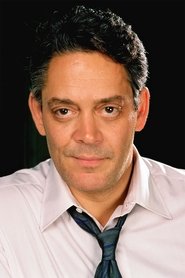 Raúl JuliáRay
 Nastassja KinskiLeila
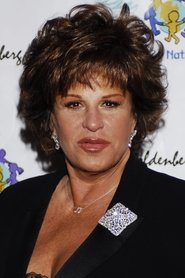 Lainie KazanMaggie
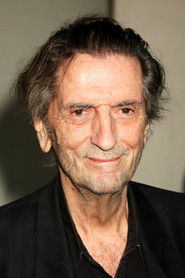
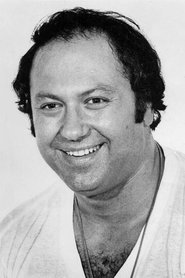 Allen GarfieldRestaurant Owner
- Jeff HamlinAirline Ticket Agent
- Italia CoppolaCouple in Elevator
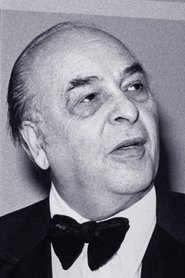 Carmine CoppolaCouple in Elevator
- Edward BlackoffUnderstudy
- James DeanUnderstudy
Directing
- Francis Ford CoppolaDirector
- Arne SchmidtFirst Assistant Director
- Jeff HamlinOther
- Joanie BlumScript Supervisor
- Dan AttiasSecond Assistant Director
- Kenneth D. CollinsSecond Assistant Director
Writing
- Armyan BernsteinScreenplay
- Francis Ford CoppolaScreenplay
- Armyan BernsteinStory
Production
- Jennifer ShullCasting
- Armyan BernsteinCo-Producer
- Bernard GerstenExecutive Producer
- Elisabeth LeustigExtras Casting
- Susan Landau FinchExtras Casting
- Fred RoosProducer
- Gray FredericksonProducer
- Daniel R. SuhartProduction Assistant
- Teri Fettis-D'OvidioProduction Assistant
- Estelle ChangasProduction Coordinator
- Donald HeitzerProduction Manager
- Ralph S. SingletonProduction Manager
- Anne SchwebelPublicist
- Max BercuttPublicist