
Film
Blade Runner
Ridley Scott's 1982 noir wrapped in neon and endless rain: Harrison Ford's burnt-out cop hunts fugitive androids through a Los Angeles choking on its own future, while the film quietly asks whether the line between human and replicant means anything at all. It's slow, moody, and gorgeous to sit inside — science fiction as elegy rather than adventure. Best for patient viewers who want atmosphere and unresolved questions over momentum.
If you liked this
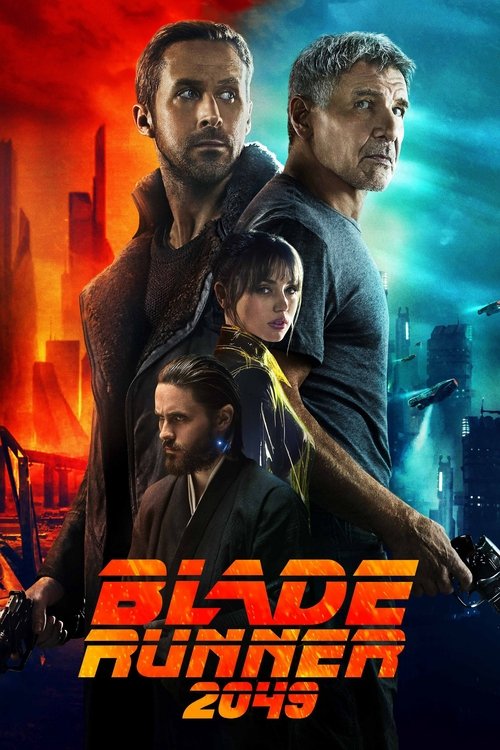
Blade Runner 20492017
Denis Villeneuve doesn't just extend the story, he deepens the ache — colossal scale, aching quiet, and Ryan Gosling's replicant detective picking up threads Deckard left behind, still wondering what makes a life real.
But It moves at a glacial pace and demands real patience; if the original's slowness tested you, this asks for even more.
Ghost in the Shell1995
Mamoru Oshii's cyberpunk anime asks the same soul-in-a-machine question through a female cyborg cop hunting a rogue AI across a neon future — visually and philosophically it's practically a cousin.
But The philosophical monologuing can feel heavy-handed, and the animation, gorgeous as it is, dates the film in ways live-action doesn't.

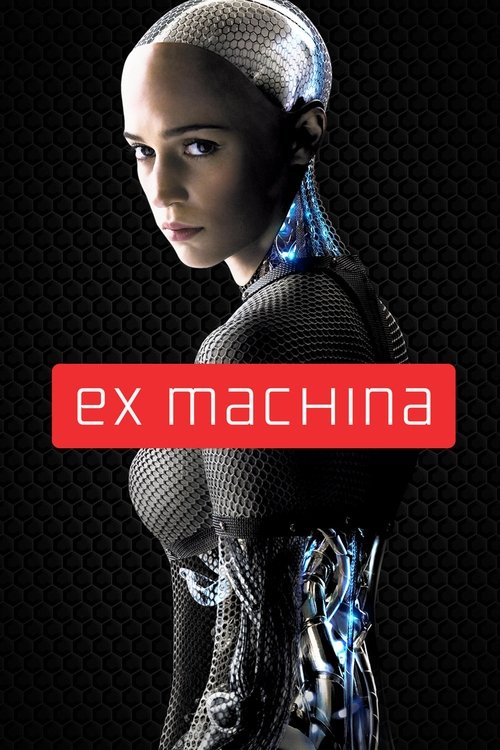
Ex Machina2015
A tense two-hander in an isolated glass house, where a young programmer administers a Turing test to a startlingly lifelike AI — Blade Runner's empathy test compressed into one claustrophobic room.
But The scope is tiny compared to Blade Runner's sprawl; if you want spectacle over intimacy, this will feel underpowered.
The wildcard
Something you would not have found on your own.
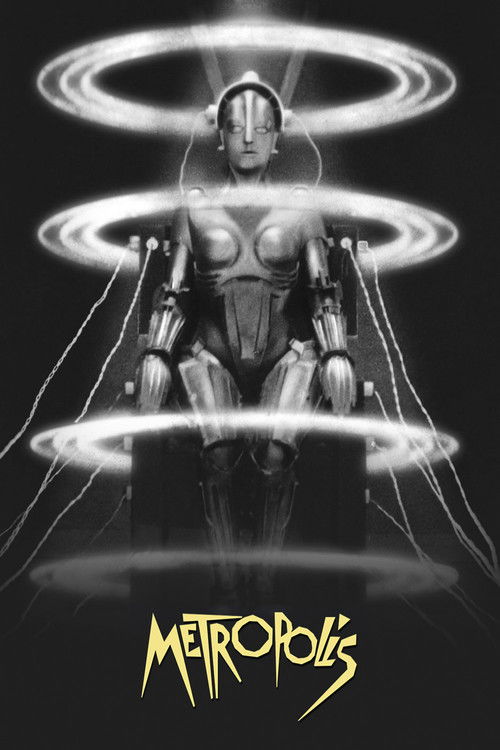
Metropolis1927
Ridley Scott openly borrowed Metropolis's vertical city and class divide for Blade Runner's Los Angeles, and the robot Maria is the ancestor of every uncanny replicant that followed — this is where the visual grammar was invented, sixty years earlier.
Fritz Lang's silent epic gave dystopian cinema its skyline — a vertical city of glittering towers over grinding machine-depths, and a false woman built to pass for human and incite chaos.
But It's silent, melodramatic, and nearly two and a half hours of German Expressionist theatricality; the pacing and performance style are a real leap from 1982.
More like this (8)
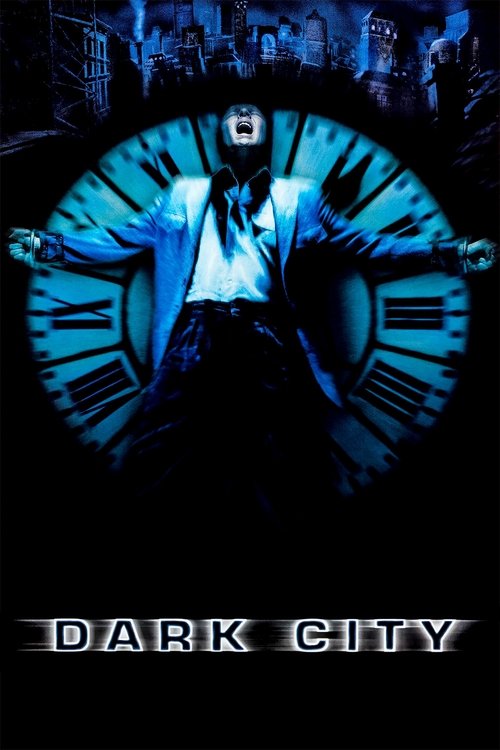
Dark City1998
A man wakes with no memory in a city that rearranges itself nightly at the hands of alien puppeteers — same drenched noir lighting, same identity dread, a much stranger plot underneath it.
But It's pulpier and weirder than Blade Runner, and its high concept occasionally buckles under its own mythology.
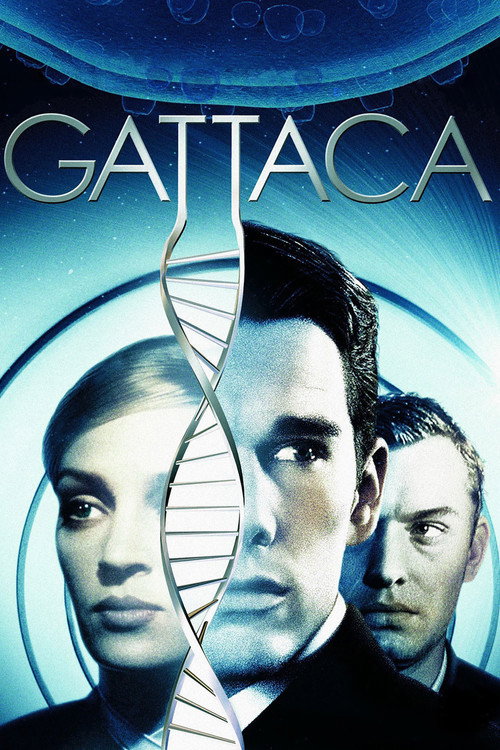
Gattaca1997
A gene-sorted future where your DNA decides your worth swaps replicants for "in-valids," but keeps the cool, controlled dread of a soul fighting a system built to exclude it.
But It's talkier and more restrained, closer to parable than thriller, so the atmosphere is quieter and less visually overwhelming.
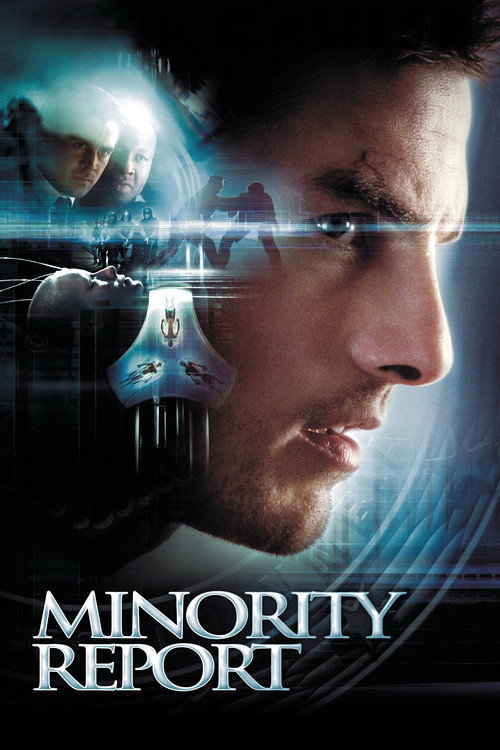
Minority Report2002
Spielberg and source author Philip K. Dick reunite for a slick future-noir chase through a surveillance state, trading melancholy for momentum but keeping the moral unease about free will intact.
But It's a bigger, faster, more crowd-pleasing machine — some of Blade Runner's poetry gets traded for chase scenes and a tidier ending.
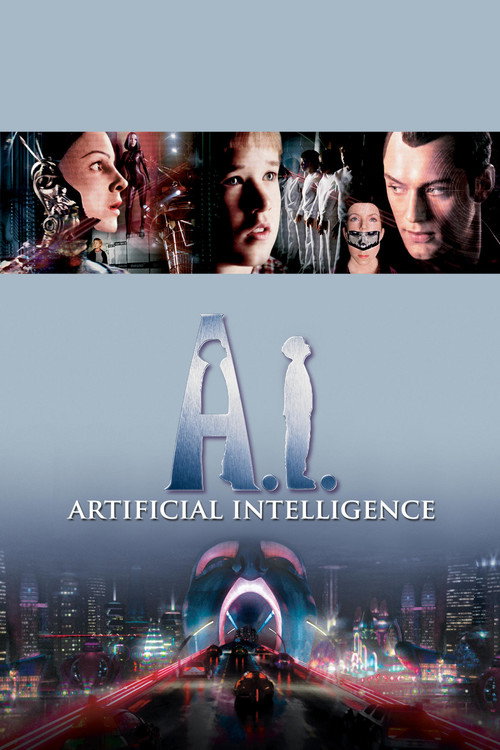
A.I. Artificial Intelligence2001
Spielberg finishing a Kubrick project about a robot child desperate to be loved by his human mother — it takes Blade Runner's "what is a person" question and aims it straight at the heart.
But It's unabashedly sentimental where Blade Runner is cool and detached, and the tonal whiplash in its back half divides people hard.
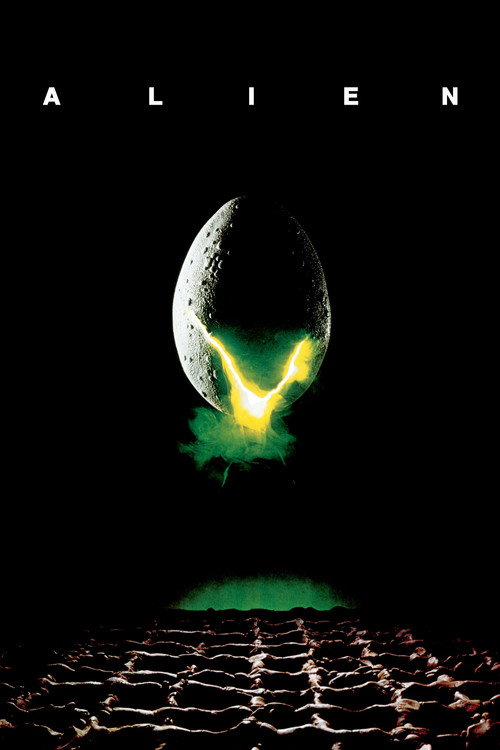
Alien1979
Ridley Scott's other masterpiece: the same tactile, lived-in future-grime aesthetic, the same slow-building dread, and a synthetic crew member whose loyalties are as unreadable as any replicant's.
But It's survival horror at heart, not a detective story — if you came for philosophy over jump scares, adjust expectations.
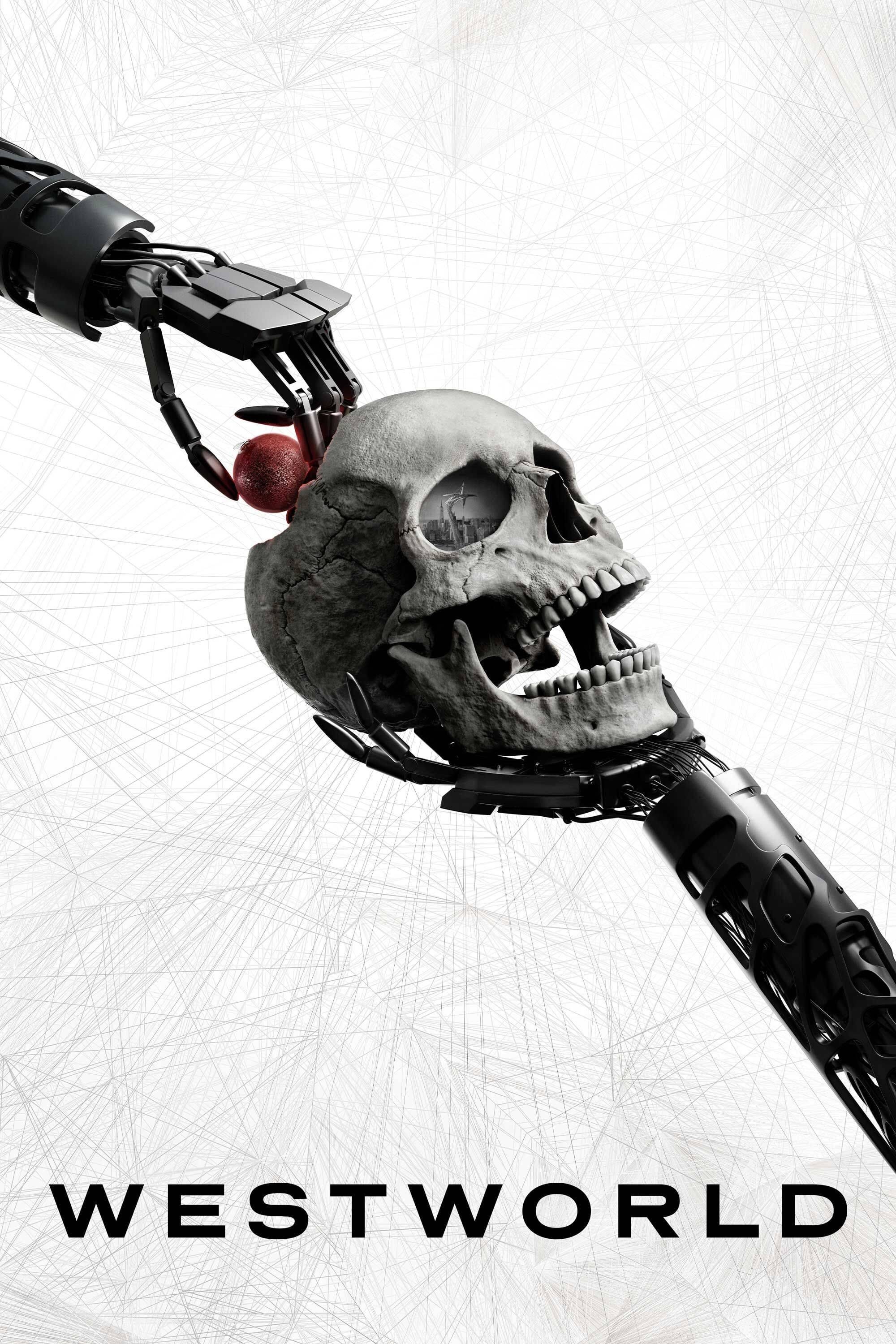
Westworld2016
A theme park full of near-perfect androids starts developing consciousness and a memory of its own suffering — this stretches Blade Runner's central question across seasons instead of two hours.
But The timeline puzzles and mythology-stacking eventually overwhelm the character work that made the first season so good.
Chinatown1974
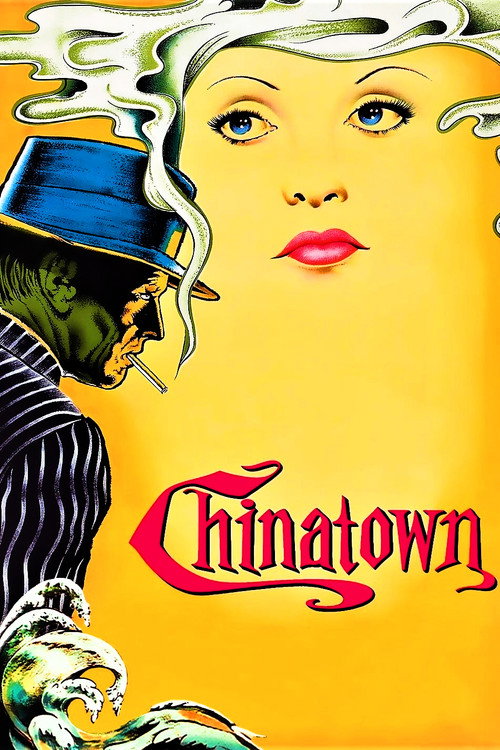
Strip away the neon and the androids and Blade Runner is a Chandler-style detective story underneath — Chinatown is the undiluted noir engine, the same weary investigator walking into a city built on lies.
Polanski's private-eye classic follows a 1930s Los Angeles detective pulling at a thread of corruption that leads somewhere far darker than he expected — a masterclass in mood and moral rot.
But There's no science fiction here at all, and the pace is deliberate and dialogue-driven, closer to a stage play than a spectacle.
Total Recall1990
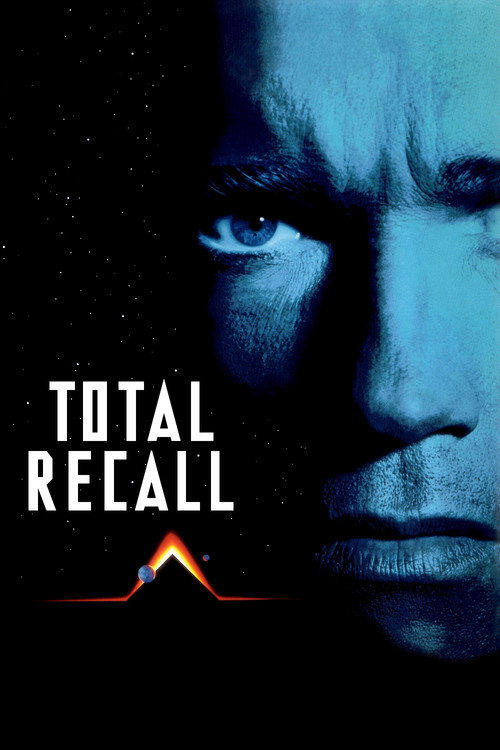
Both films spring from Philip K. Dick's obsession with false memory and constructed identity, but where Blade Runner treats it with mournful restraint, Verhoeven turns it into a lurid carnival — same fixation, opposite register.
Paul Verhoeven's gleefully violent, wildly fun Philip K. Dick adaptation asks the same "what is real, what is memory" question, then answers it with exploding heads and a mutant with three breasts.
But It's pulpy, campy, and about as subtle as a sledgehammer; anyone hoping for Blade Runner's melancholy will get tonal whiplash.
People
Cast
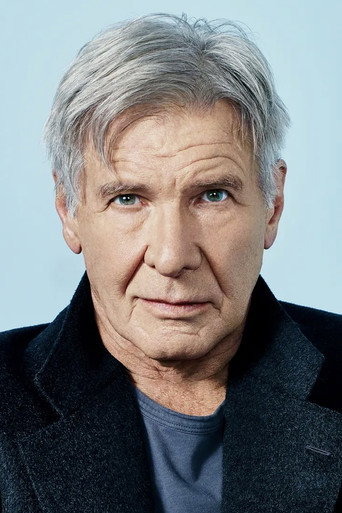 Harrison FordDeckard
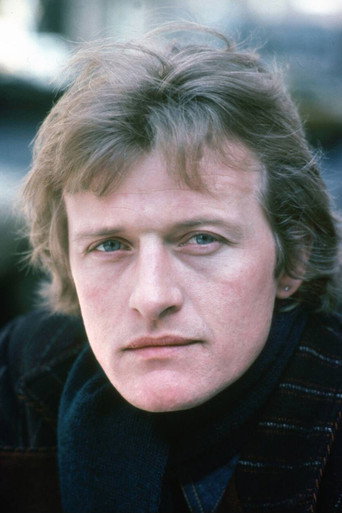 Rutger HauerBatty
 Sean YoungRachael
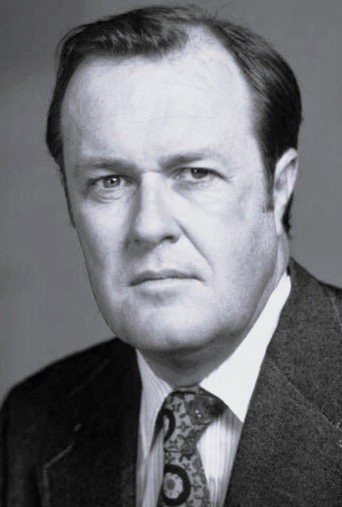 M. Emmet WalshBryant
 Daryl HannahPris
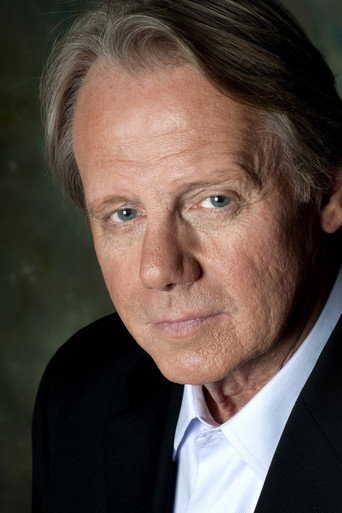 William SandersonSebastian
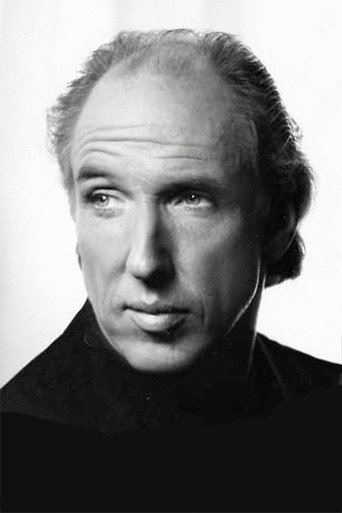 Brion JamesLeon
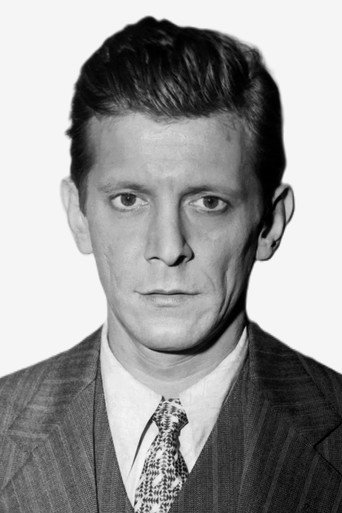 Joe TurkelTyrell
 Joanna CassidyZhora
 James HongChew
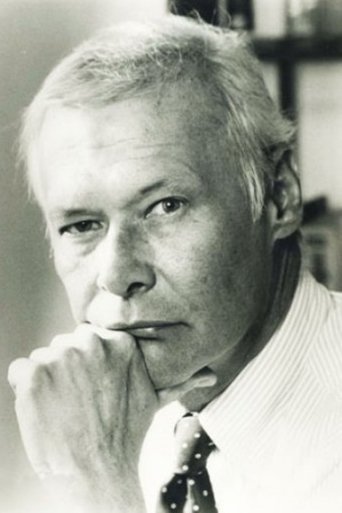 Morgan PaullHolden
Directing
- Ridley ScottDirector
- Newt ArnoldFirst Assistant Director
- Peter CornbergFirst Assistant Director
- Ana Maria QuintanaScript Supervisor
- Donald HauerSecond Assistant Director
- Morris ChapnickSecond Assistant Director
- Richard Peter SchroerSecond Assistant Director
Writing
- Philip K. DickNovel
- David Webb PeoplesScreenplay
- Hampton FancherScreenplay
Production
- Jane FeinbergCasting
- Mike FentonCasting
- Michael DeeleyProducer
- Run Run ShawProducer
- Alan B. RosinProduction Assistant
- Linda HessProduction Assistant
- Vickie AlperProduction Coordinator
- Katherine HaberProduction Executive
- Alan CollisProduction Manager
- Saul KahanPublicist
- John W. RogersUnit Production Manager
Recommended by
La Jetée, Laura, The Matrix, Ghost in the Shell, A Clockwork Orange, Blade Runner 2049, Alphaville, Philip K. Dick's Electric Dreams, Metropolis, Moon, Dark City, Planet of the Apes, Silent Running, 2001: A Space Odyssey, The Man Who Fell to Earth, Looper, The Terminator, Minority Report, Gattaca, A Scanner Darkly, Soylent Green, Total Recall, A.I. Artificial Intelligence, Akira, Tron, Dune