
Film
Things to Come
Other titles called Things to Come: the 2016 film.
H.G. Wells's 1936 vision of the 21st century: a ruinous war, plague, and collapse, followed by rationalist engineers rebuilding from ruins toward a technological utopia. It's didactic, earnest, and visually stunning—a film that argues for progress with the urgency of someone who'd lived through trench warfare. For anyone fascinated by how the past imagined the future.
Should you watch it?
Watch it if you love speculative films that argue with ideas as hard as they chase spectacle, with sweeping montage, stagey Art Deco sets, and a pointed, almost sermonising sense of where humanity is headed.
Skip it if you want brisk, character-driven storytelling, since the film moves through decades in big blocks and its people often serve as mouthpieces for its arguments rather than fully lived-in figures.
What it asks of you: Settle in for about 100 minutes of deliberate pacing, with long stretches of talk and visual set pieces, and a willingness to follow a grand, earnest argument across an entire century.
Not sure? Find tonight's pick in a minute.
If you liked this
Metropolis1927
Fritz Lang's towering vision of a future city divided by class, with the same architectural ambition and faith in technology (or anxiety about it) that drives Things to Come. Mesmerizing art deco design.
But Pacing drags in stretches, and the social message is heavy-handed. Also runs long—expect to feel the runtime.

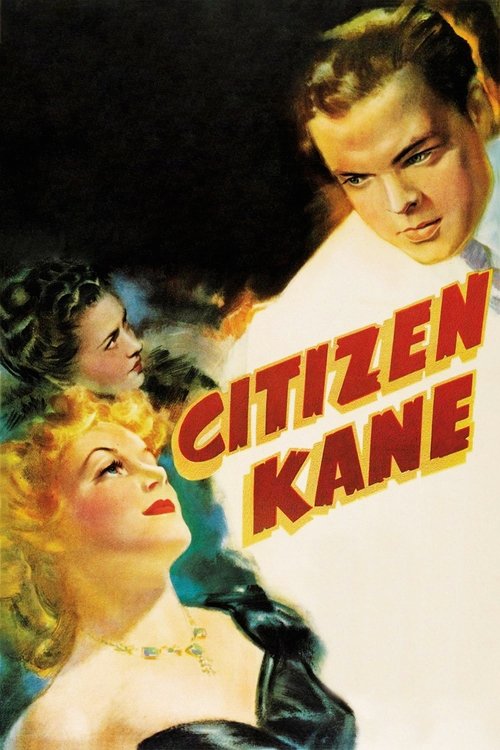
Citizen Kane1941
Orson Welles directing one man's vision of reshaping the world through will and money. Like Things to Come, it's about the architecture of power and how progress gets corrupted by human nature. Visually inventive throughout.
But The narrative is deliberately fragmented and non-linear, which some find inaccessible. And it's a slow reveal, not a thrilling ride.
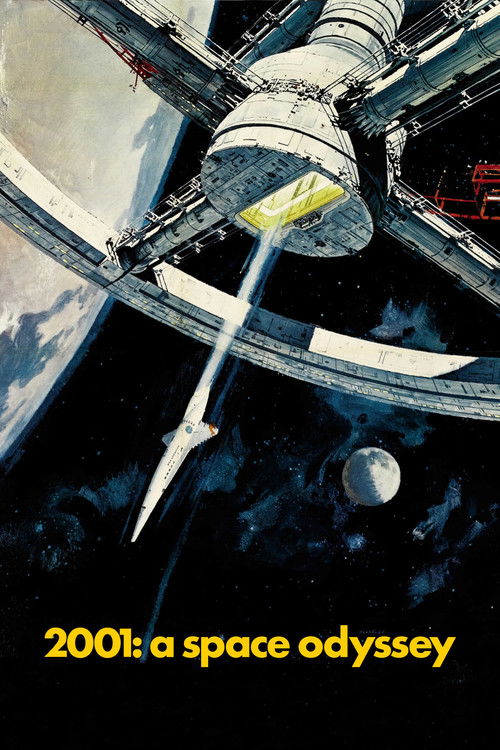
2001: A Space Odyssey1968
Kubrick's vision of rational man reaching toward the stars. It shares Things to Come's faith in engineering and space as humanity's next frontier, but with psychedelic mystery layered over the certainty. Hypnotic.
But Famously glacial pacing. The final act divides audiences—some find it transcendent, others bewildering and pretentious.
Not sure tonight? Get a pick in a minute, starting from Things to Come
The wildcard
Something you would not have found on your own.
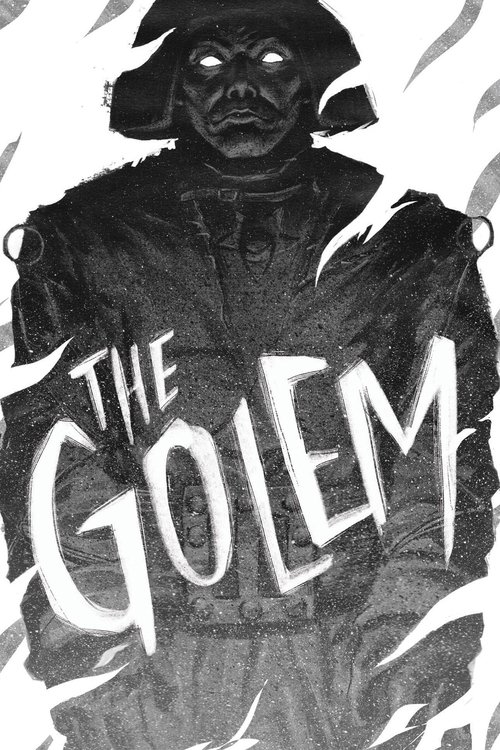
The Golem: How He Came into the World1920
Both films grapple with the same fear: that building a better world through technology and will requires sacrificing something human, and that utopian visions can tip into tyranny.
A Jewish golem brought to life to save a community becomes a force of destruction—the mirror-image of Things to Come's faith that engineering and rational will solve all problems. What if creation turns against its creator?
But It's silent, shot in expressionist monochrome, and the pacing is archaic by modern standards. Requires patience and buy-in to silent cinema's grammar.
More like this (8)
Protect Me From What I Want2009
Herzog's documentary essay on human craving for utopia, progress, and how we imagine the future. Directly engages with the philosophical anxieties beneath Things to Come's surface.
But It's an essay film—meditative rather than narrative. No plot to follow, just ideas unfolding. Won't satisfy if you want story momentum.
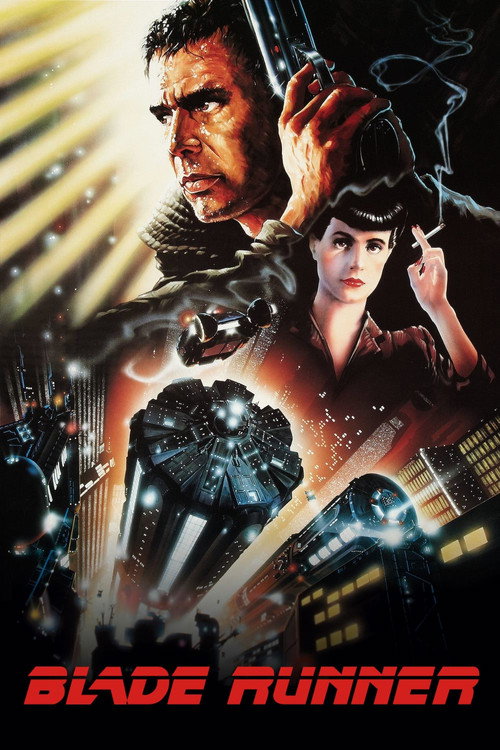
Blade Runner1982
A future city that feels lived-in and degraded, asking whether the rational pursuit of perfection—immortality, superhuman strength—actually serves humanity. The inverse of Things to Come's optimism.
But The voice-over in the theatrical cut is widely despised. And it's a noir mystery, not a philosophical argument—some find it too slow between revelations.
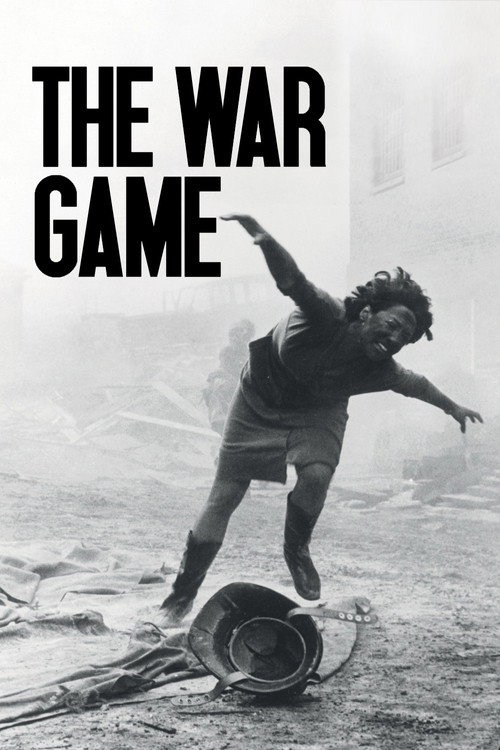
The War Game1966
A BBC docu-drama showing atomic war's aftermath with unflinching detail. If Things to Come is optimistic about rebuilding, this is the nightmare version—plague, collapse, no utopia waiting. Crucial counterweight.
But It's bleak and disturbing by design, made to horrify. Some will find it too grueling, and it's shot in a deliberately dry, clinical style that distances rather than engages.
Stalker1979
Tarkovsky's meditation on desire, technology, and what we actually want from progress. A man guides a client toward a mysterious room that grants wishes—but the journey inward matters more than arrival. Philosophically rich.
But Glacially paced and almost dialogue-free for stretches. If you need plot momentum and clear answers, this will frustrate you deeply.

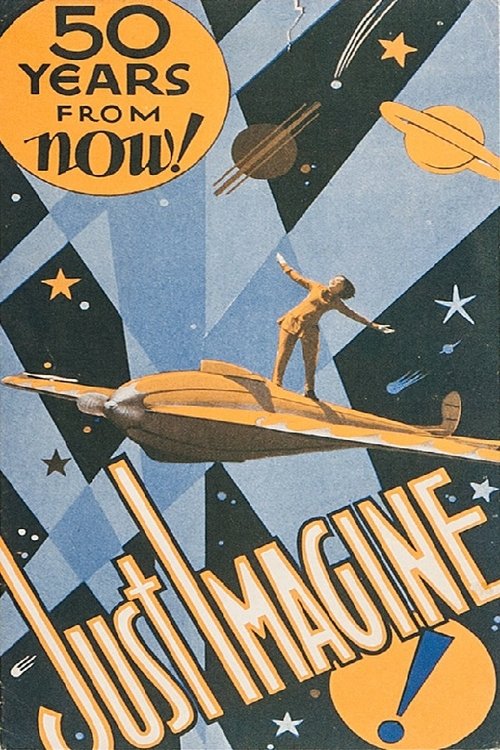
Just Imagine1930
A musical comedy set in 1980, made in 1930, about New York rebuilt as a futuristic utopia. Goofy, optimistic, and a fascinating time-capsule of how the Jazz Age imagined tomorrow.
But It's a musical with dated humor and often clumsy comedy. The production design is the real star, not the story. Some numbers drag.
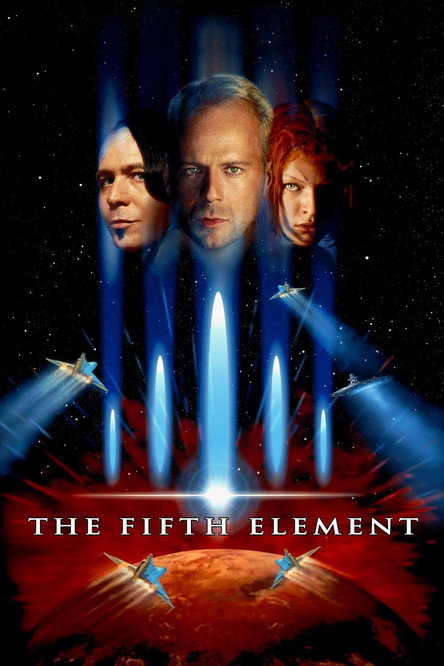
The Fifth Element1997
Luc Besson's operatic future city—ornate, colorful, maximalist. Where Things to Come is austere rationalism, this is baroque excess, but both film worlds are meticulously designed totalities that dwarf their inhabitants.
But It's flighty and silly where Things to Come is earnest. The plot is thin, and some of the humor lands badly. A visual feast with narrative scaffolding.
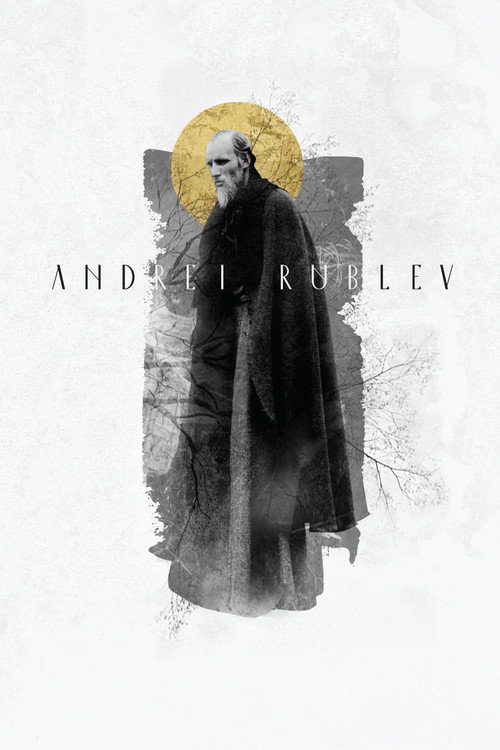
Andrei Rublev1966
Both are grand, didactic works of cinema attempting to capture an entire civilization's soul. One believes in progress; the other in transcendence. Both are unmovable.
Tarkovsky's epic about a medieval icon painter searching for meaning through his art across a landscape of war and suffering. Structurally and thematically opposite to Things to Come—faith and beauty instead of rationalism and progress—but asking the same question: how do we endure?
But It's 215 minutes, in Russian, in black-and-white (mostly), and almost plotless. Several sequences are brutal. Not a film for casual viewing—it demands surrender.
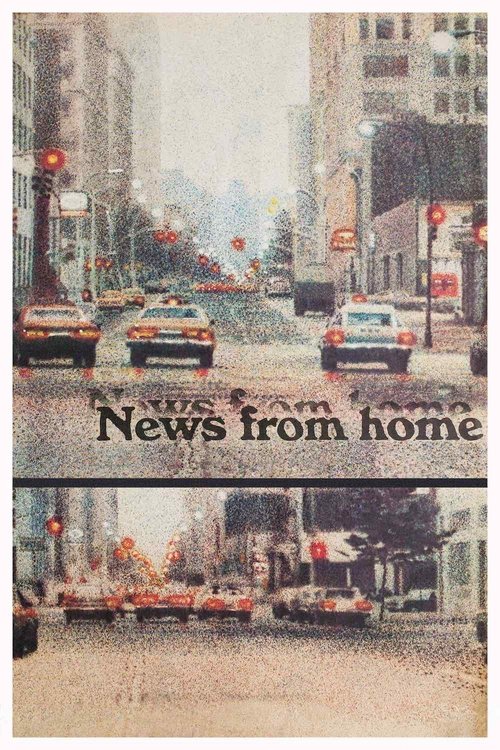
News from Home1976
Things to Come imagines the future as built environment—cities and machines reorganizing human life. This film does the opposite, asking what remains of the personal, the intimate, the maternal when you reduce life to its spatial infrastructure.
Chantal Akerman films New York streets in long, static takes while reading her mother's letters aloud—a woman's voice from Belgium describing love and worry over images of indifferent urban machinery. Completely still, hypnotic, and devastatingly human.
But Nothing happens. It's an experimental essay that requires active attention and willingness to sit with boredom as an aesthetic. Many will find it punishment.
People
Cast
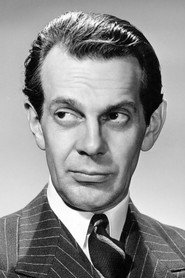 Raymond MasseyJohn Cabal / Oswald Cabal
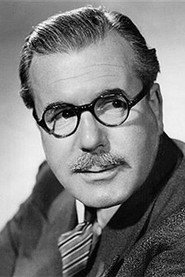 Edward ChapmanPippa Passworthy / Raymond Passworthy
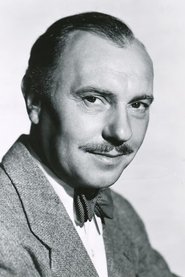 Ralph RichardsonThe Boss
 Margaretta ScottRoxana / Rowena
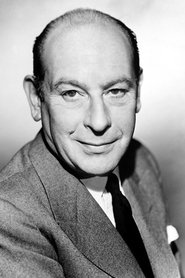 Cedric HardwickeTheotocopulos
 Maurice BraddellDr. Harding
 Sophie StewartMrs. Cabal
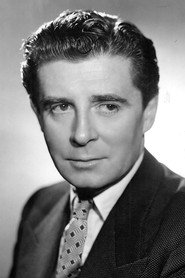 Derrick De MarneyRichard Gordon
 Ann ToddMary Gordon
 Pearl ArgyleCatherine Cabal
- Kenneth VilliersMaurice Passworthy
- Ivan BrandtMorden Mitani
Directing
- Geoffrey BoothbyAssistant Director
- William Cameron MenziesDirector
Writing
- H. G. WellsNovel
- H. G. WellsScreenplay
Production
- Alexander KordaProducer
- David B. CunynghameProduction Manager
Recommended by
Metropolis, The War of the Worlds, Just Imagine, The Mask of Fu Manchu, Fires of Fate, The Tunnel, The Phantom Creeps