
Film
Fires of Fate
Other titles called Fires of Fate: the 1923 film.
A 1932 British adventure film set in Egypt, where a dying colonel performs one last heroic act. It's a brisk, old-fashioned tale of honour and romance—the kind of entertainment that thrived in early sound cinema, when stories moved fast and sentiment was unironic. For anyone curious about how adventure films worked before Hollywood standardised them.
Should you watch it?
Watch it if you love old-fashioned adventure told with stiff-upper-lip melodrama, where a tangle of rescue, romance and quiet nobility plays out in gorgeous, creaky 1930s studio sets.
Skip it if you need brisk pacing or modern craft, since this early talkie moves stagily, its dialogue is formal, and its exotic settings lean on the attitudes of their era.
What it asks of you: Settle in for a short seventy-four minute film that moves at a measured, theatrical pace, asking patience with stilted performances and a sincere, sentimental tone.
Not sure? Find tonight's pick in a minute.
If you liked this
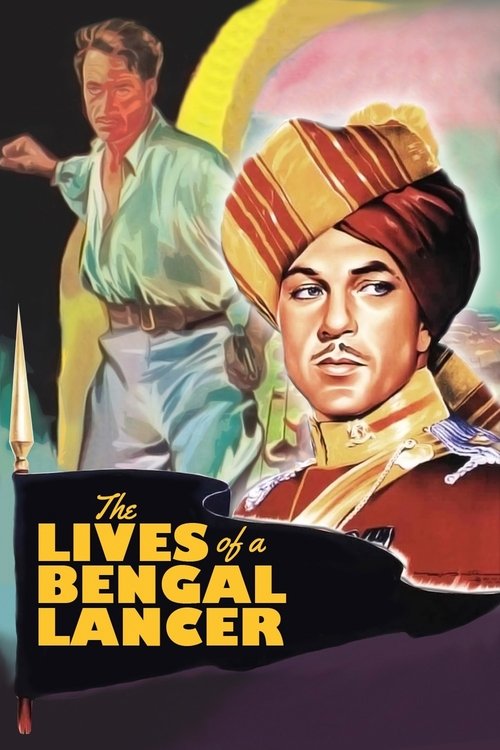
The Lives of a Bengal Lancer1935
Another British Raj adventure with imperial soldiers, exotic locations, and the same gallant fatalism. If you liked the mood of Fires of Fate, this has that exact blend of duty and doomed sacrifice, just with more money behind it.
But The colonial attitudes are dated and unquestioned. It's very much a product of its era, which some viewers find actively uncomfortable rather than charmingly period.
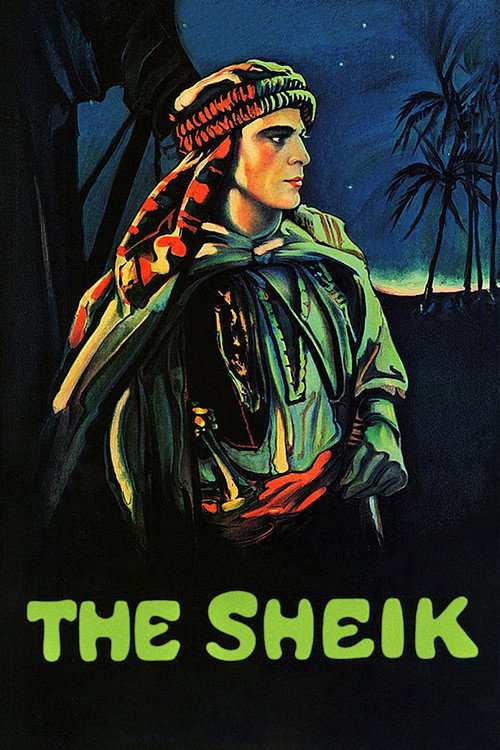
The Sheik1921
Rudolph Valentino in the Middle Eastern adventure that defined the genre. It has that same exotic-romance-and-danger energy, but earlier and with one of silent cinema's biggest stars. A direct ancestor of what Fires of Fate is doing.
But It's silent, which requires patience. And Valentino's character operates by modern consent standards that are... let's say historically flexible.
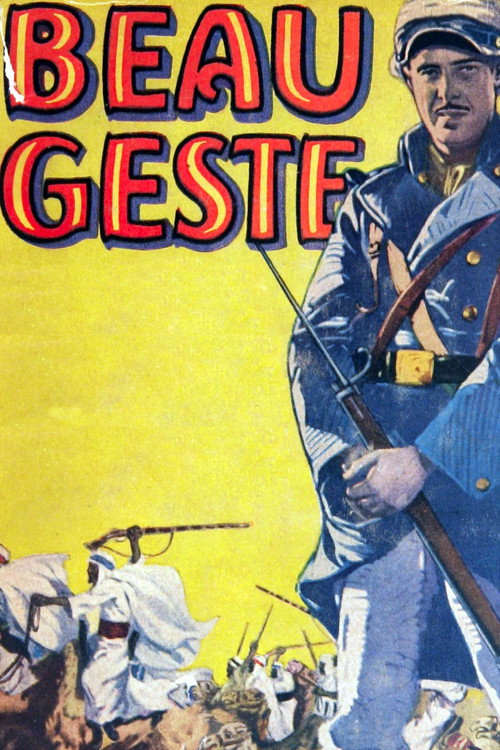
Beau Geste1926
Also 1920s, also desert, also a man with a secret past serving overseas and facing his reckoning. Gary Cooper and a Foreign Legion adventure that captures that exact romantic-tragic mood from the same period as Fires of Fate.
But It's silent. If you've got no patience for title cards and orchestral scores, this won't convert you.
Not sure tonight? Get a pick in a minute, starting from Fires of Fate
The wildcard
Something you would not have found on your own.
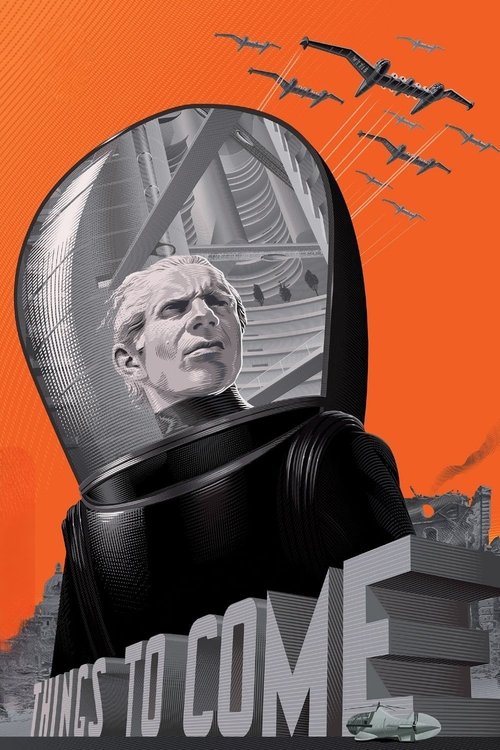
Things to Come1936
Both are British films from the early 1930s that use their stories to explore masculine duty and sacrifice—one through adventure, one through ideas.
H.G. Wells wrote it; it's a far-future vision of human progress and collapse, made with astonishing design and ideas that still feel radical. A completely different register from Fires of Fate, but made in the same British film industry at the same moment, showing what that industry was capable of when it aimed for something other than adventure.
But It's cerebral and slow. The dialogue is philosophical and the plot almost vanishes in favour of theme. If you wanted Fires of Fate for narrative momentum, this will feel glacial.
More like this (8)
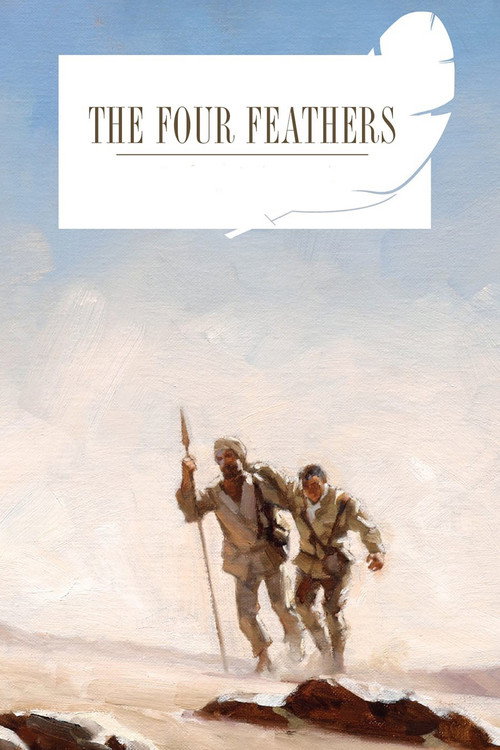
The Four Feathers1939
A prestige British adventure with Technicolor, bigger stakes, and a plot built around honour and redemption in the Empire. It shares Fires of Fate's preoccupation with duty and personal sacrifice, just with better resources.
But Nearly three hours long and somewhat stagey. The emotions are earnest in a way that can feel overwrought to modern viewers.
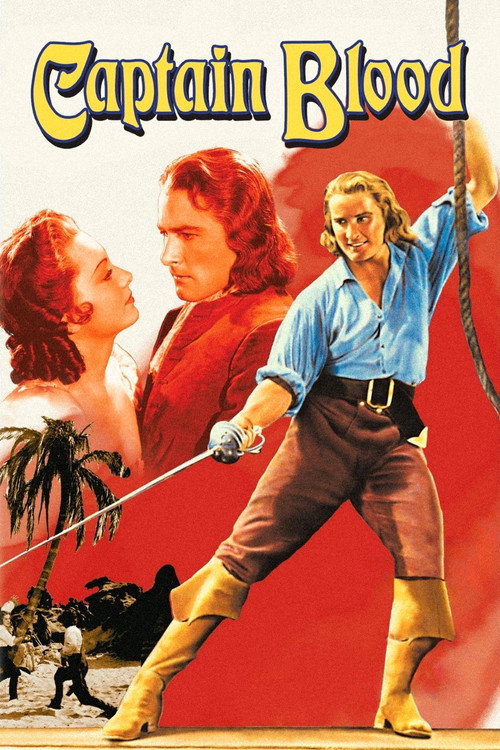
Captain Blood1935
Errol Flynn in full swashbuckling mode—action, wit, and romance, all moving at speed. If you want the adventure-film energy from roughly the same era, this is the masterclass in how to make it work.
But It's pure entertainment with no weight behind it. If you wanted Fires of Fate for its dramatic substance, this is sugar by comparison.
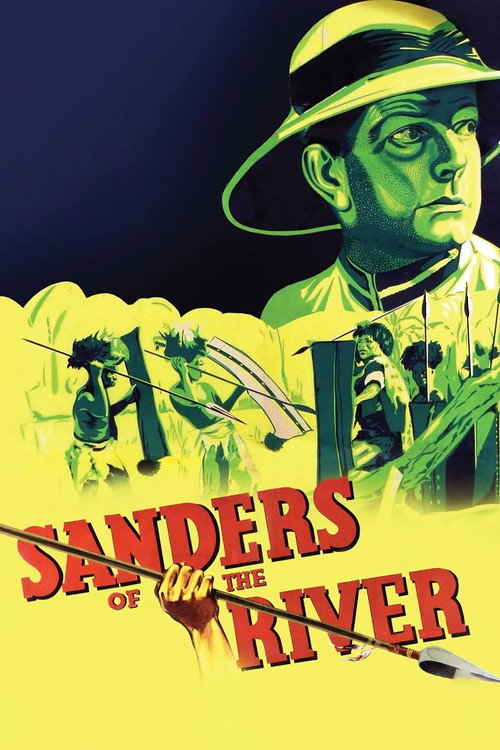
Sanders of the River1935
Another colonial-era adventure, this one in Africa, with Paul Robeson and exotic locations. It's the same imperial adventure template, competently executed with good-faith entertainment values.
But The racial politics are truly appalling by any standard. It's a museum piece of how badly cinema once got things wrong.
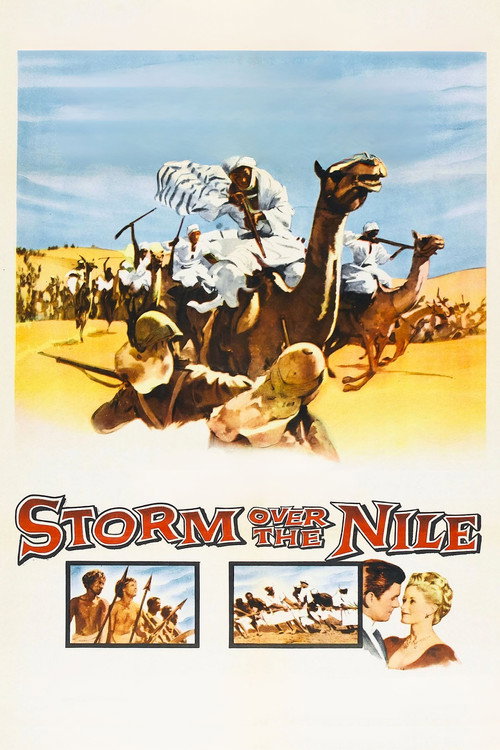
Storm Over the Nile1955
A Technicolor remake of The Four Feathers that keeps the adventure and honour theme while updating the production values. If you want to see how the same story played differently two decades later.
But It's a remake, so it necessarily lacks the originality of either version. It sits between the two without being essential.
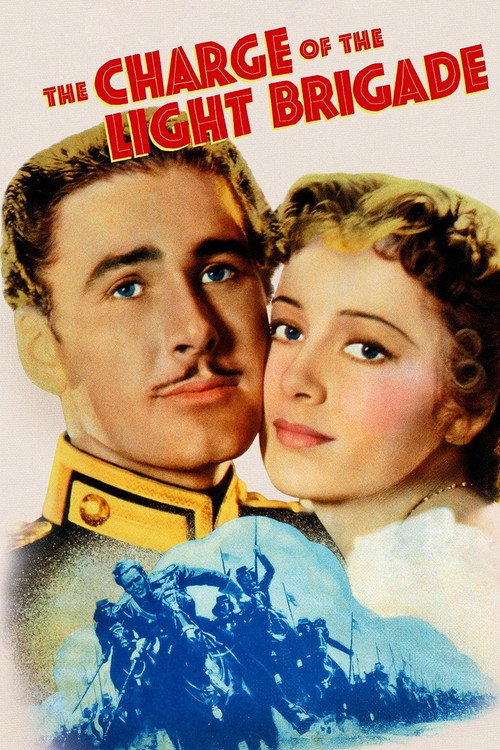
The Charge of the Light Brigade1936
Errol Flynn again, but with a historical-adventure wrapper and more dramatic weight. The action is rousing and the moral stakes feel earned, which puts it a notch above pure spectacle.
But The historical accuracy is creative at best. If you want authenticity over entertainment, you'll spend the film frustrated.
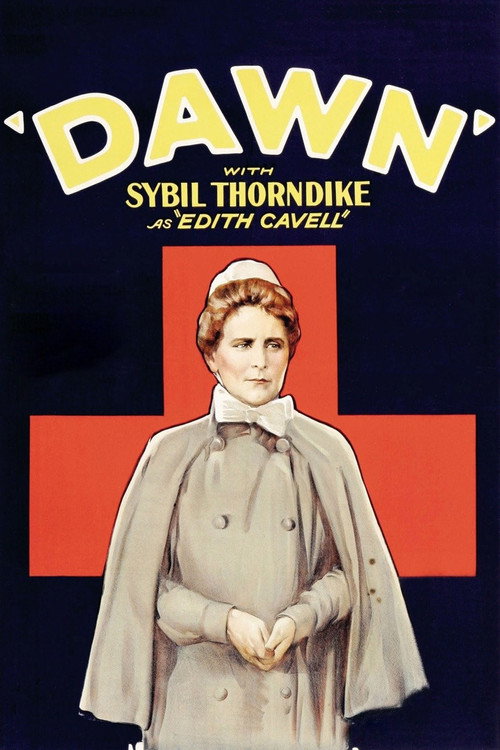
Dawn1928
Herbert Wilcox's war film about a man's last day before execution. It's British, it's from the late silent era, and it has that same fatalist nobility as Fires of Fate, just pointed at mortality more directly.
But It's genuinely bleak and doesn't pull punches about its subject. The silent format also makes it a harder watch than sound cinema.
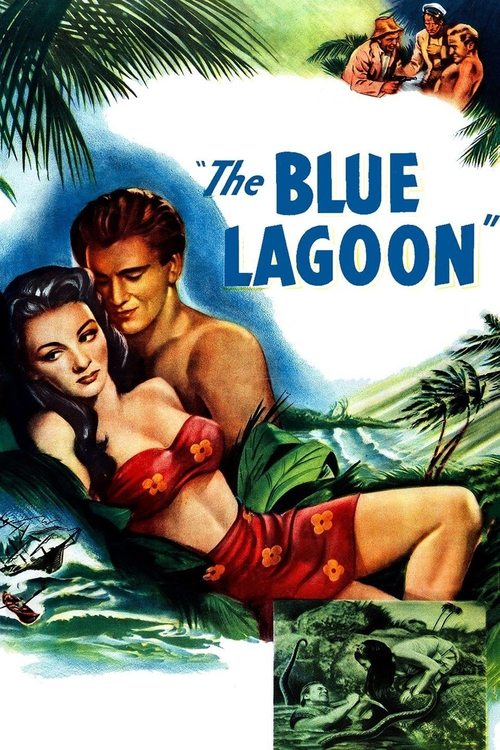
The Blue Lagoon1949
Both use exotic locations as more than set-dressing; they're where characters face mortality and choose how to live with dignity, but this one makes the environment itself the adversary.
A stripped-down survival story on an island where two young people must build a life from nothing. It's exotic, romantic, and haunted—all things Fires of Fate reaches for, but here the isolation and nature are the real story, not the plot machinery.
But It's slow and contemplative. There's very little dialogue or external action. The mood is about atmosphere rather than adventure, which is the opposite of what Fires of Fate offers.
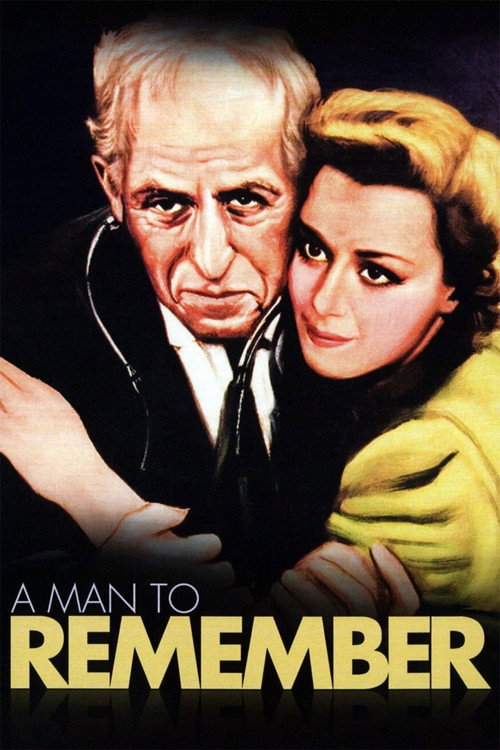
A Man to Remember1938
Both stories are about men whose lives matter not because of what they achieve, but because of how they choose to live—quietly, without recognition, with their duty as the point.
A small-scale American film about an obscure doctor who lived a quiet life of service. It's told in reverse from his funeral, showing why an ordinary man mattered. It's sentimental but genuine, and it captures that same theme of a life lived with purpose.
But Nothing happens. There's no adventure or plot in the conventional sense. If you want spectacle or external action, this is domestic and introspective.
People
Cast
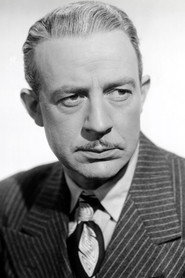 Lester MatthewsLt. Col Egerton
 Kathleen O'ReganNora Belmont
 Dorothy BartlamKay Byrne
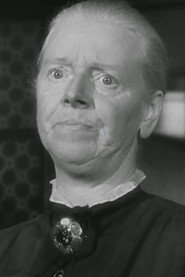 Jean CadellMiss Byrne
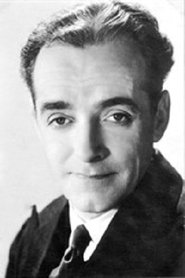 Donald CalthropSir William Royden
- Hubert HarbenRev. Mark Royden
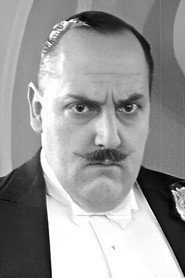 Clifford HeatherleyAbdullah
- Arthur ChesneyMr. Braddell
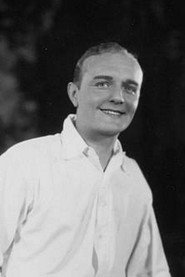 Jack RaineFilbert Frayne
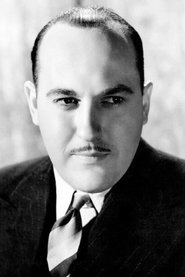 Garry MarshCaptain Archer
Directing
- Norman WalkerDirector
Writing
- Dion TitheradgeAdaptation
- Arthur Conan DoyleNovel
Production
- Norman WalkerProducer