
Film
The Four Feathers
The Four Feathers is Zoltan Korda's lavish 1939 Technicolor adventure of empire, cowardice and redemption, following a British officer who resigns his commission before a Sudan campaign and is branded a coward by friends and fiancée. Gorgeous location photography, stiff-upper-lip melodrama, and a genuine question about what courage costs — equal parts spectacle and moral drama, for those who love old-fashioned adventure with a conscience.
If you liked this
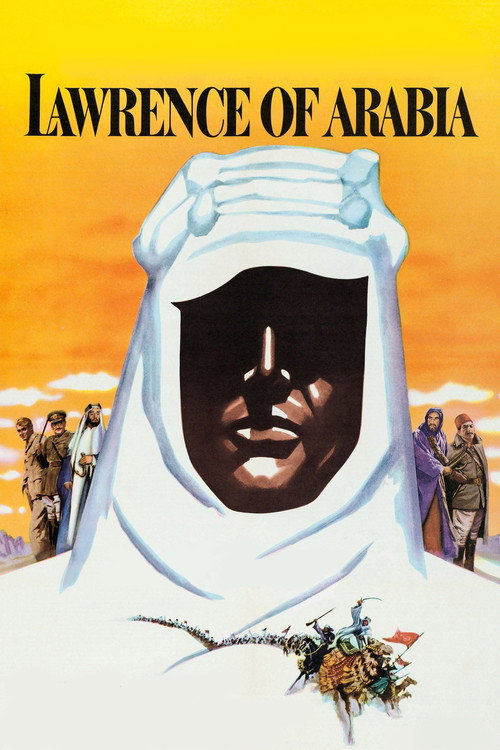
Lawrence of Arabia1962
If you want the desert-and-empire adventure turned up to full cinematic grandeur, this is the mountain everything else is measured against — vast, strange, and psychologically far stranger than its reputation as a mere epic suggests.
But Nearly four hours long, and its hero is a much more troubling, ambiguous figure than Harry Faversham ever is.
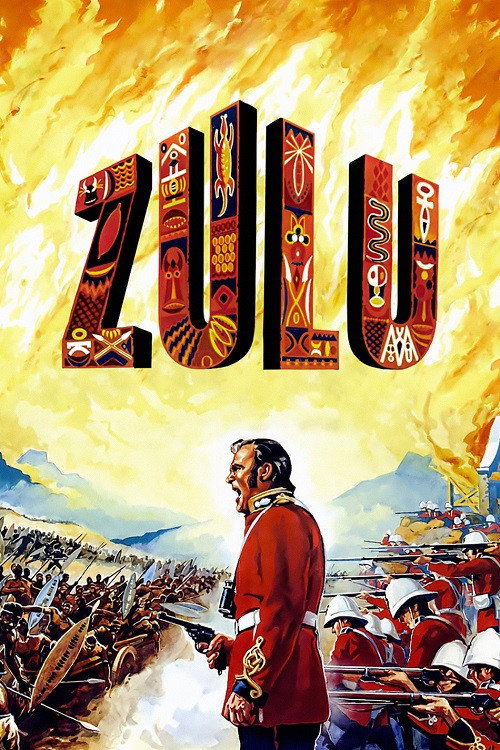
Zulu1964
A tighter, bloodier cousin — the same colonial battlefield, the same questions about courage and duty, but with none of the Victorian romance softening the violence.
But Its politics haven't aged well and it doesn't pretend to interrogate empire the way modern viewers might want.
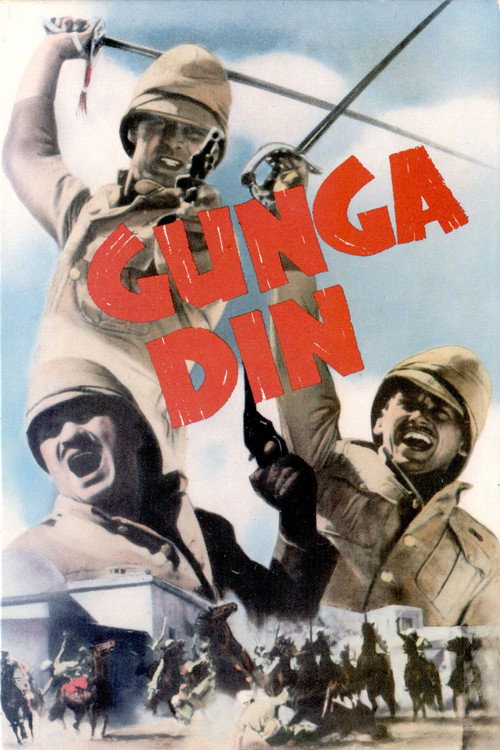
Gunga Din1939
Same studio, same year, same swaggering colonial adventure spirit — three soldiers, one impossible mission, and all the derring-do you'd expect from Kipling-adjacent Hollywood at its most confident.
But Broader and goofier than Faversham's story, with comic relief that can feel dated and a very rose-tinted view of empire.
The wildcard
Something you would not have found on your own.
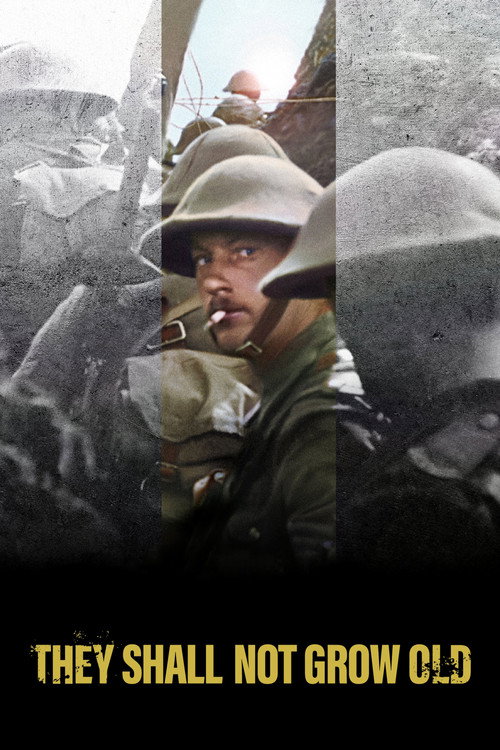
They Shall Not Grow Old2018
Four Feathers turns the era's culture of duty and shame into adventure; this strips that same culture back to the men who actually endured it, with none of the gloss.
Peter Jackson took real, colourised WWI footage and gave it voices — the unvarnished version of the courage-and-duty culture that Four Feathers romanticises, seen through the actual men who lived and died inside it.
But It's a documentary with no plot to follow, and it will leave you with none of the comfort of a resolved story.
More like this (8)
Beau Geste1939no page yet
A near-twin from the same year: false accusations, brotherly loyalty, a doomed desert outpost, and men proving themselves through suffering rather than words.
But The mystery-box plotting takes precedence over character, so it's colder and more puzzle-like than Faversham's personal ordeal.
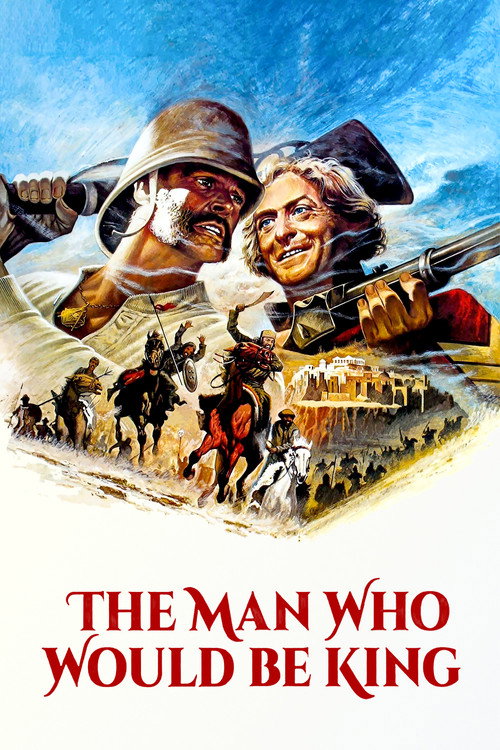
The Man Who Would Be King1975
Connery and Caine as two chancers who go further into empire than anyone should, with the same fascination for what men will risk to prove themselves worth something.
But It's funnier and more cynical than Four Feathers — expect swagger and irony rather than earnest heroism.
Khartoum1966no page yet
The historical siege that haunts the background of Four Feathers gets the full epic treatment here, with Charlton Heston's General Gordon making the same imperial mythology explicit.
But It's talkier and more static than an adventure film, closer to a stage drama in desert dress.
The Charge of the Light Brigade1936no page yet
Errol Flynn leads a doomed cavalry charge born from the same stiff-upper-lip world of honour, orders, and sacrifice that shapes Faversham's Sudan.
But Its history is pure fiction and its jingoism is thick even by 1930s standards.
King Solomon's Mines1937no page yet
A lighter slice of the same colonial-adventure cinema — treasure, danger, and a jungle instead of desert, made in the same golden Technicolor-adjacent moment.
But Thinner on character and heavier on pulp thrills; don't expect the moral weight of Faversham's story.
The Wind and the Lion1975no page yet
A later, wilder take on empire-era adventure — Sean Connery as a Berber chieftain squaring off against American gunboat diplomacy, with the same romantic sweep.
But Its politics are muddled and its history is loosely, sometimes wildly, reimagined.
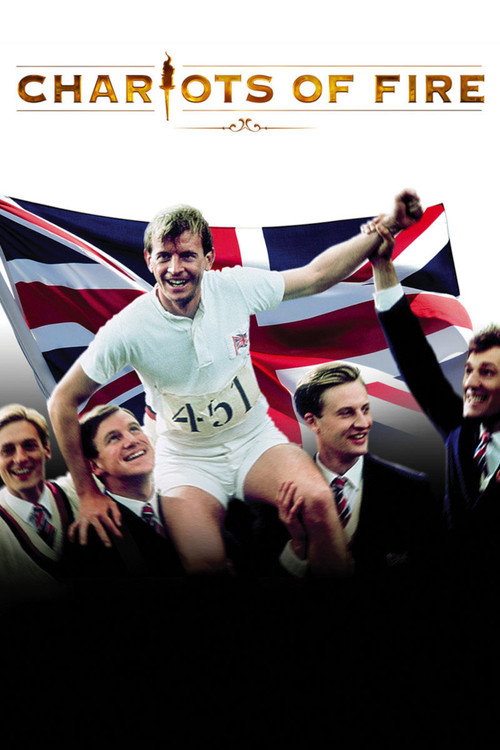
Chariots of Fire1981
Both are structured around a man redeeming himself in the eyes of others after being publicly doubted — one through combat, the other through sport, but the shame and the need to prove worth are identical.
Swap the battlefield for a running track and you get the same engine — a man who must prove, publicly and privately, that he is not what people think he is, with his own conscience the harshest judge.
But There's no war, no desert, no swordplay — just quiet, internal stakes and a lot of running.
The Mark of Zorro1920no page yet
Both hinge on the gap between how a man appears — coward or fool — and what he's actually capable of; Zorro just plays that gap for thrills instead of shame.
Douglas Fairbanks plays a nobleman who fakes weakness and cowardice to fool everyone around him — the mirror image of Faversham's story, told as a breathless silent swashbuckler with real athletic joy.
But Silent, nearly a century old, and pure pulp — no interest in moral complexity, just spectacle and grins.
People
Cast
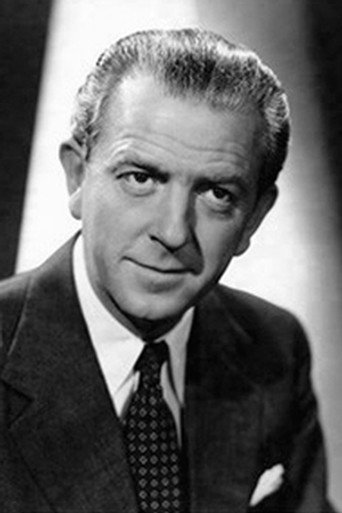 John ClementsHarry Faversham
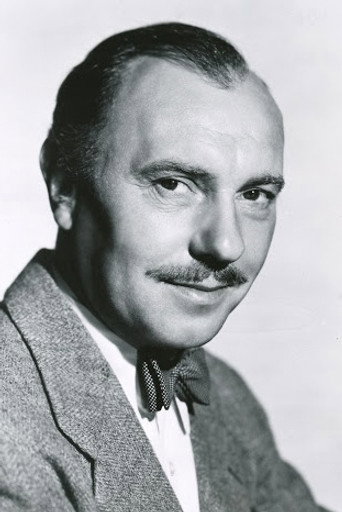 Ralph RichardsonJohn Durrance
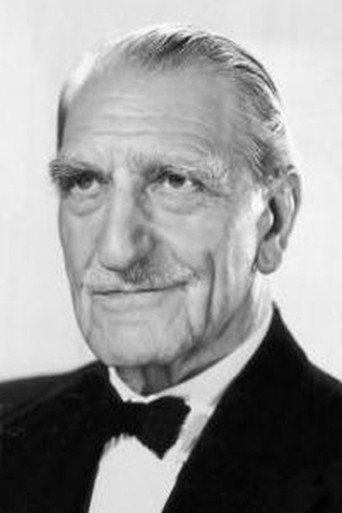 C. Aubrey SmithGeneral Burroughs
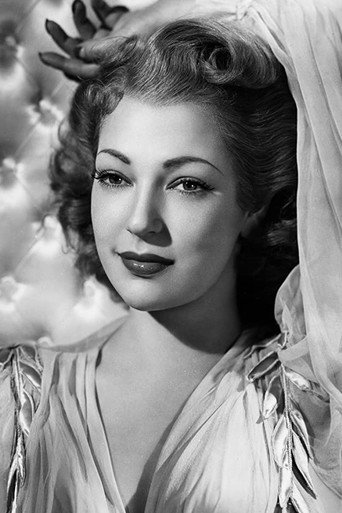 June DuprezEthne Burroughs
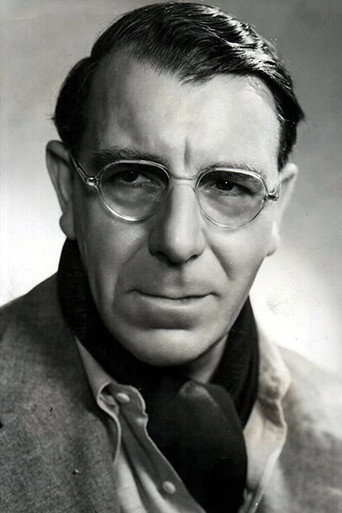 Allan JeayesGeneral Faversham
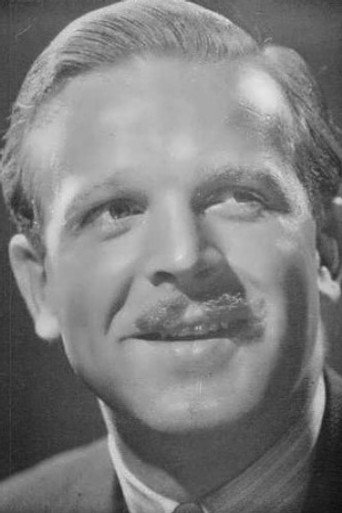 Jack AllenLieutenant Willoughby
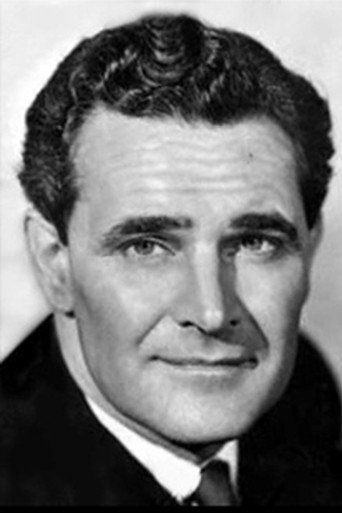 Donald GrayPeter Burroughs
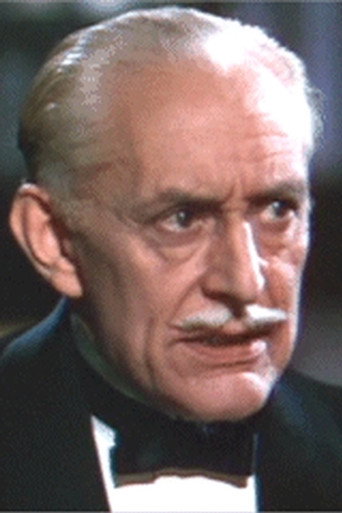 Frederick CulleyDr Sutton
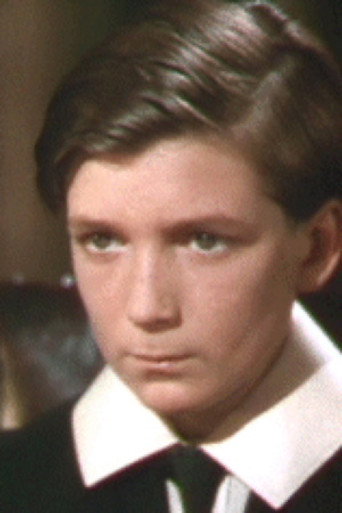 Clive BaxterYoung Harry Faversham
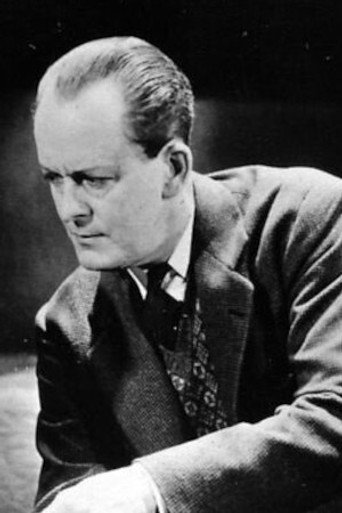 Robert RendelColonel
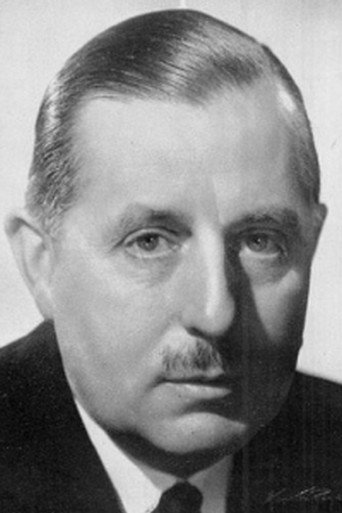 Archibald BattyAdjutant
- Derek ElphinstoneLieutenant Parker
Directing
- Zoltan KordaDirector
Writing
- A.E.W. MasonNovel
- R.C. SherriffScreenplay
Production
- Irving AsherAssociate Producer
- Alexander KordaProducer
- David B. CunynghameProduction Manager