
Film
Midshipman Easy
- Action
- Light-hearted
A cheerful 1935 British adventure following a fresh-faced naval recruit stumbling through the Napoleular Wars with earnest incompetence and good humour. Breezy, episodic, and designed purely for entertainment—think of it as a naval comedy where the laughs come from character and timing rather than jokes. Perfect if you like your history loose and your adventures light.
If you liked this
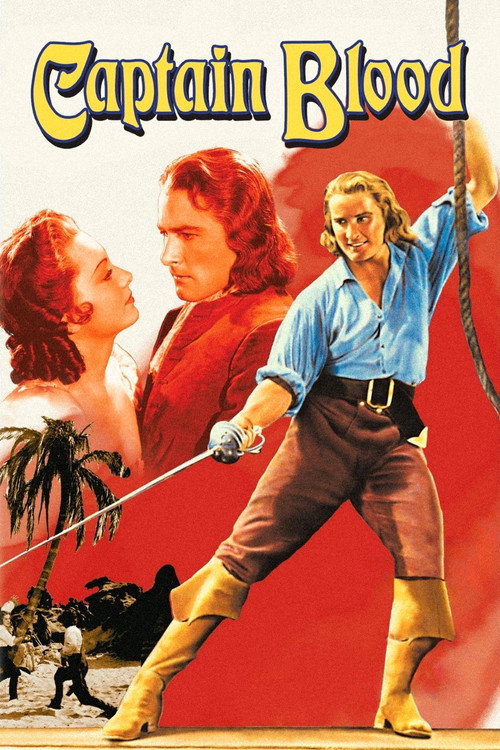
Captain Blood1935
Errol Flynn's roguish charm and athletic swordplay defined the swashbuckler. Released the same year, it's proof that adventure films of this era could be both thrilling and genuinely funny, with an energy that carries you through.
But The plot is straightforward to the point of simplicity, and some of the effects and rear-projection work haven't aged gracefully.
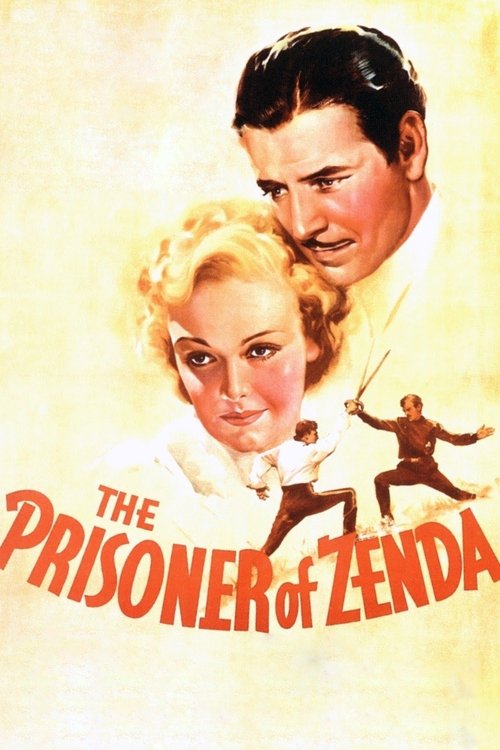
The Prisoner of Zenda1937
Ronald Colman in a tale of mistaken identity and derring-do set in a fairy-tale kingdom. It has the same light touch as Midshipman Easy, but with higher production values and a romantic element that gives it extra warmth.
But The pacing is deliberate by modern standards, and it relies on an audience willing to enjoy the intrigue rather than constant action.
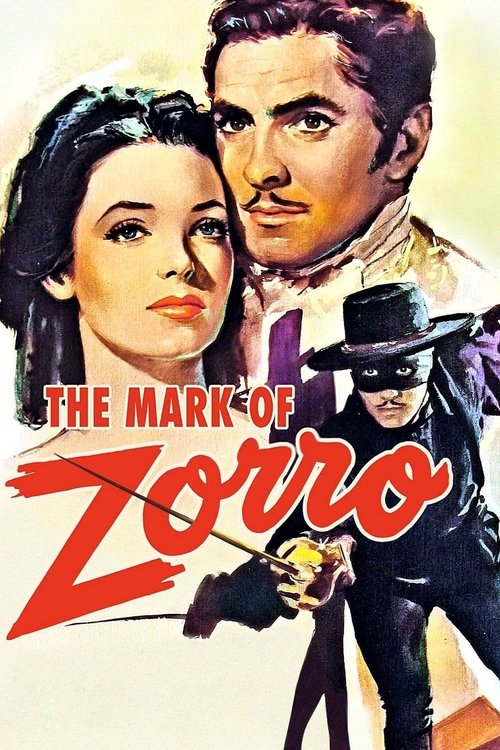
The Mark of Zorro1940
Tyrone Power as the charming dual-identity hero; Doug Fairbanks's original was a masterpiece, and this 1940 version captures that spirit of impossible elegance and adventure with genuine style and wit.
But The swordfighting, while fun, is clearly choreographed for the camera rather than realism, which some find unconvincing.
Not sure tonight? Get a pick in a minute, starting from Midshipman Easy
The wildcard
Something you would not have found on your own.
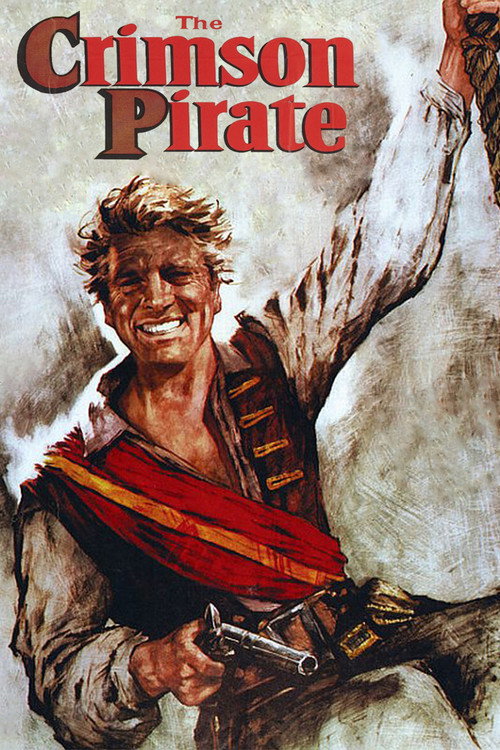
The Crimson Pirate1952
Both are episodic adventures where a likeable young man tumbles through increasingly absurd situations, surviving on charm and luck rather than competence or cunning.
Burt Lancaster as an acrobat-turned-pirate in a film that's simultaneously absurdist, thrilling, and joyful about its own audacity. It breaks the fourth wall, does impossible stunts, and seems to be having more fun than any adventure film has a right to.
But The tone is wildly uneven—it's part pantomime, part genuine thrills—and audiences expecting straightforward adventure will feel whipsawed.
More like this (8)
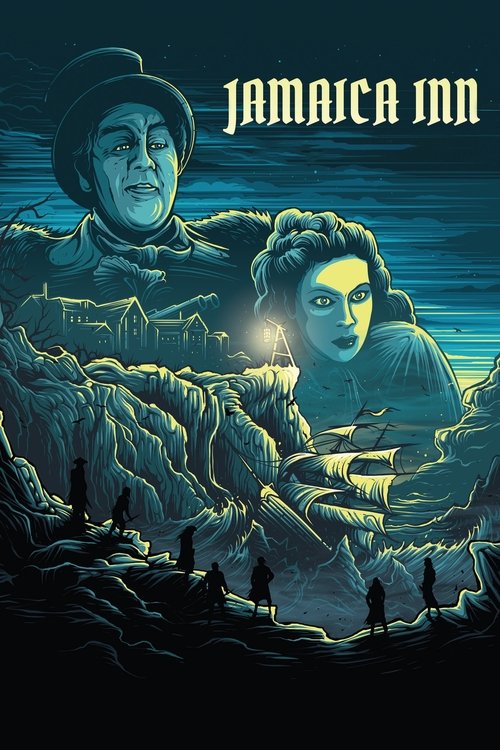
Jamaica Inn1939
Hitchcock's only pure adventure film, set among smugglers on the Cornish coast. It has authentic period grit beneath the entertainment, and Charles Laughton's theatrical villainy is a masterclass in scenery-chewing fun.
But It's visibly a studio film of its era, and Hitchcock himself later disowned it as beneath his talents—which matters more to some viewers than others.
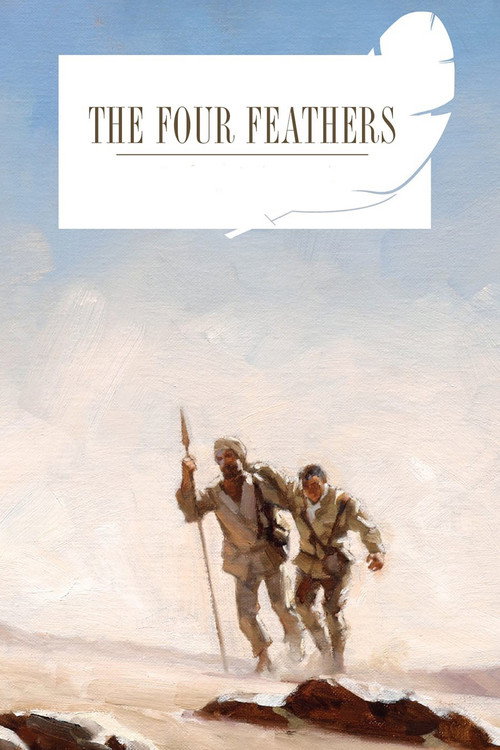
The Four Feathers1939
A sprawling, beautifully shot adventure about honour, cowardice and redemption set during the Sudan campaign. It takes itself seriously in a way Midshipman Easy doesn't, but with the same episodic structure of a young man proving himself.
But It's nearly two hours and moves deliberately; the colour cinematography, while gorgeous, exposes the theatrical artifice of the sets.
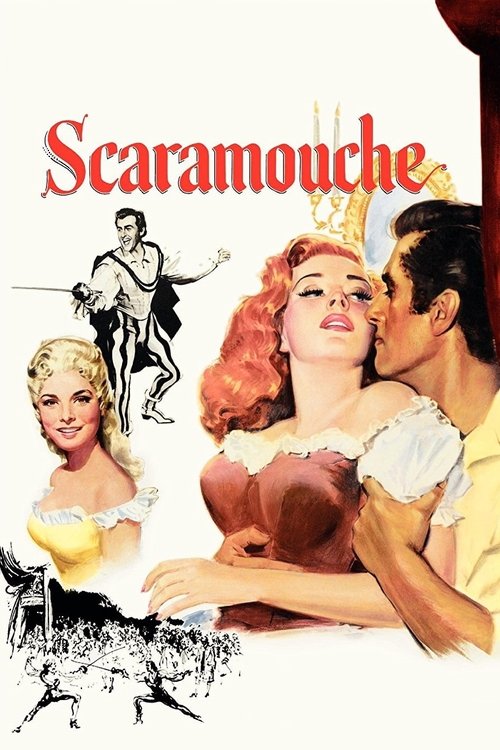
Scaramouche1952
Stewart Granger as a man who becomes a swordsman to avenge his brother during the French Revolution. It's pure entertainment—funny, thrilling, beautifully choreographed, and genuinely thrilled to be a film.
But It's unashamedly theatrical and doesn't pretend to historical accuracy, which can feel flimsy if you want your adventure grounded.
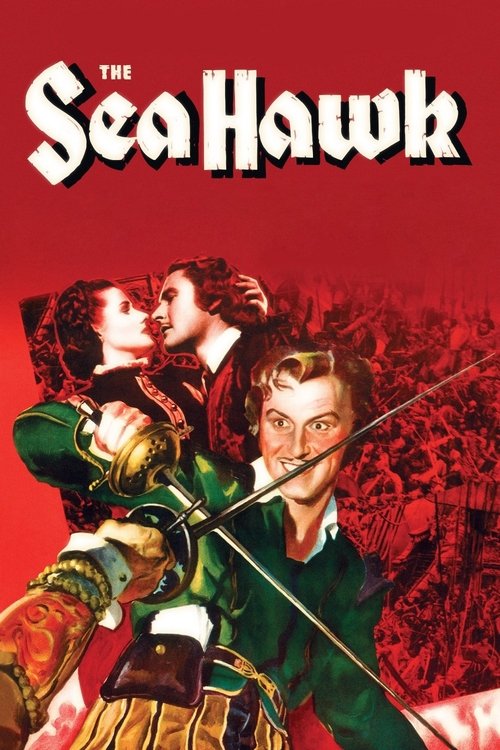
The Sea Hawk1940
Errol Flynn and Vicar David Niven in a film about privateering that somehow works as both a swashbuckler and a wartime allegory. The action is expertly staged, the humour is warm, and it moves like nothing else from its era.
But It's episodic to the point of shapelessness—things happen, then other things happen, and the thread connecting them is gossamer-thin.
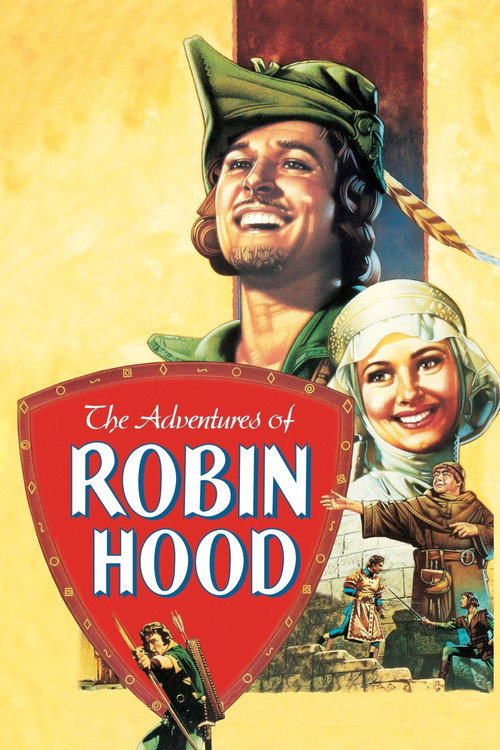
The Adventures of Robin Hood1938
Three-strip Technicolor, Errol Flynn at peak charisma, and direction that understands how to frame action for maximum delight. It's a masterclass in adventure filmmaking: propulsive, funny, and genuinely exciting.
But The primary colours are so vivid they can feel jarring to eyes accustomed to modern cinematography, and the politics are simplistic.
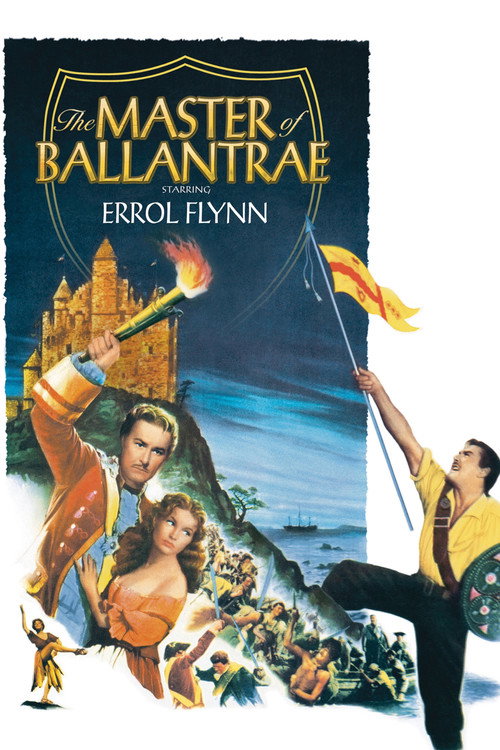
The Master of Ballantrae1953
Errol Flynn again, in Stevenson's tale of Scottish brothers divided by loyalty and history. It's more melancholic than most adventure films of the era, with darker undercurrents beneath the swashbuckling.
But The tone wavers between serious drama and light adventure, and Flynn's ageing is visible in ways that undercut some of the heroics.
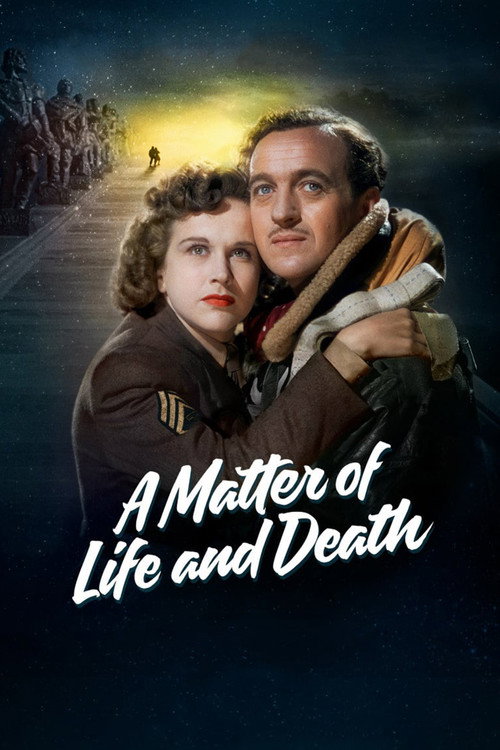
A Matter of Life and Death1946
Both are British films from the 1930s-40s that use adventure as a framework for something more tender—the English character, the weight of duty, the goodness of ordinary people doing their bit.
Powell and Pressburger's fever dream about a RAF pilot caught between heaven and earth. It's technically an adventure, but one where the adventure is philosophical and visual rather than physical—a film that moves like a naval yarn but thinks like poetry.
But It's deliberately theatrical and symbolic; if you want plot and action, this will feel baroque and slow, a film more interested in ideas than events.
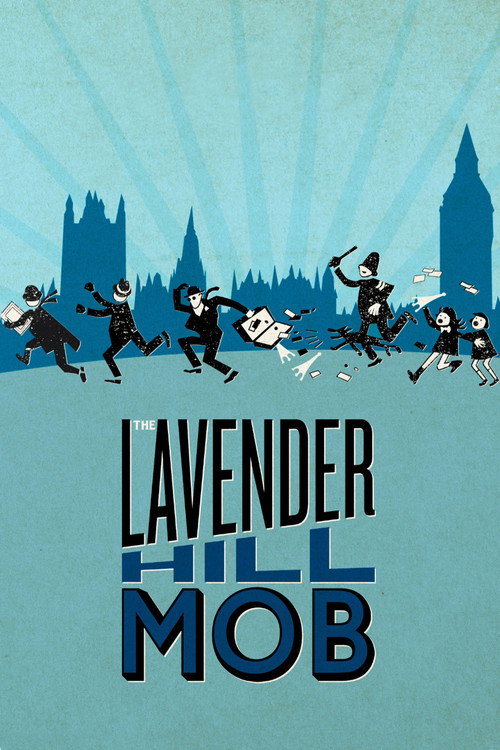
The Lavender Hill Mob1951
Both follow an everyman protagonist whose charm and naivety carry him through situations far beyond his competence, and both find humour in the gap between how the protagonist sees himself and reality.
Alec Guinness leading a perfectly timed heist film that's fundamentally about the fantasy of ordinary men becoming heroes for a day. It's comedy and crime and adventure in perfect balance, and it moves like a precision watch.
But It's a comedy first, which means some of the adventure logic collapses under scrutiny, and the satire of British conformity might feel dated to viewers unfamiliar with postwar Britain.
People
Cast
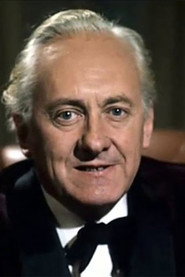 Hughie GreenMidshipman Easy
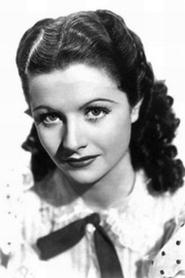 Margaret LockwoodDonna Agnes
- Harry TateMr. Biggs
- Robert AdamsMesty
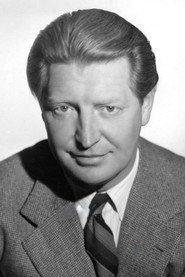 Roger LiveseyCaptain Wilson
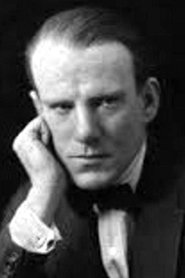 Dennis WyndhamDon Silvio
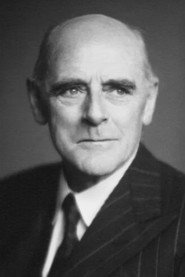 Lewis CassonMr. Easy
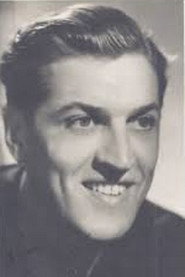 Tom GillGascoine
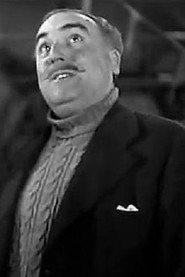 Frederick BurtwellMr. Easthupp
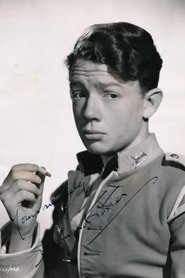 Desmond TesterGossett
- Dorothy Holmes-GoreMrs. Easy
Directing
- Carol ReedDirector
Writing
- Frederick MarryatNovel
- Anthony KimminsScreenplay
- Peggy ThompsonWriter
Production
- Basil DeanProducer