
Film
Scaramouche
A rakish MGM Technicolor swashbuckler built entirely around swagger, silk stockings, and one of the longest sword duels ever filmed. Stewart Granger plays the rogue-turned-actor with a wink, hiding among a commedia dell'arte troupe while plotting revenge against the aristocrat who killed his friend. It's frothy, gorgeous, and unashamedly old-fashioned — pure pleasure for anyone who wants romance and derring-do without a shred of cynicism.
If you liked this
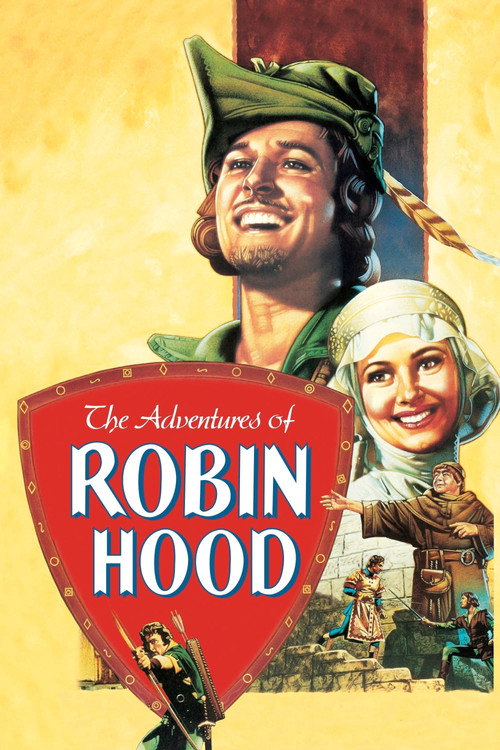
The Adventures of Robin Hood1938
The gold standard of the genre — Errol Flynn at his most impossibly charming, Technicolor so vivid it practically hums, and swordplay choreographed like a dance. Everything this kind of film does well, it did first.
But The story is thinner than the spectacle, and some of the 'merry band of outlaws' cheer is very much of its era.
The Mark of Zorro1940
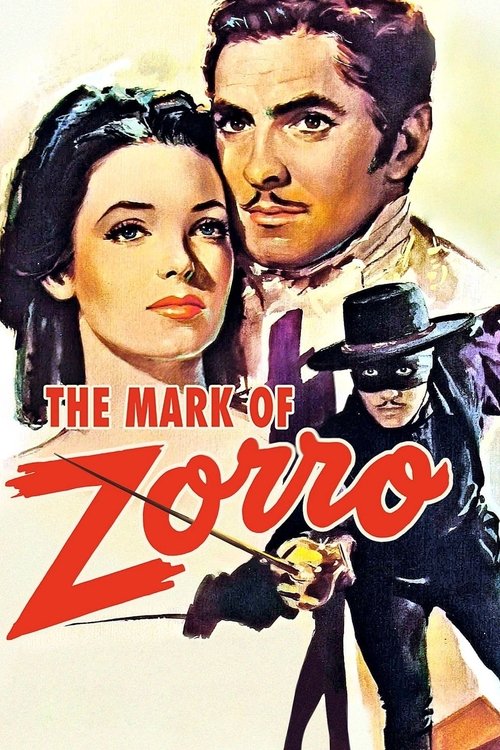
Tyrone Power's masked avenger and Granger's masquerading duelist are cousins under the disguise — same double life, same class fury, same climactic blade work, directed with real style by Rouben Mamoulian.
But It's shot in black and white, which will feel austere after all that Technicolor lushness.
The Prisoner of Zenda1952no page yet
Stewart Granger again, same year, same studio gloss, this time doubling as a lookalike king in a plot about impersonation rather than revenge. If you liked watching him work a disguise, here's more.
But It trades swordplay for court intrigue, so the pace is talkier and the stakes more political than physical.
The wildcard
Something you would not have found on your own.
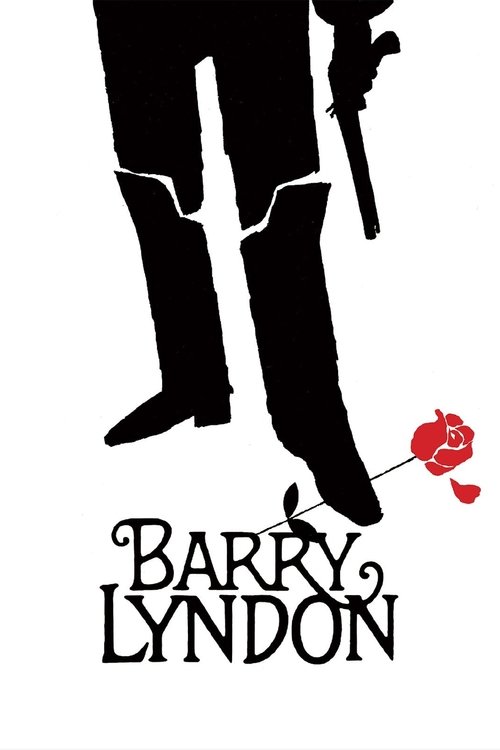
Barry Lyndon1975
Same century, same rogue-on-the-make structure, even a climactic duel — but where the swashbuckler treats social climbing and swordplay as a lark, Kubrick treats them as a machine that grinds a man down. Same engine, opposite temperature.
Kubrick takes the exact same raw material — a low-born rogue clawing his way up through 18th-century Europe via charm, disguise, and the sword — and drains out every ounce of fun to devastating effect.
But At over three hours, glacially paced and deliberately cold, it is the opposite of a romp — patience is required and rewarded slowly.
More like this (8)
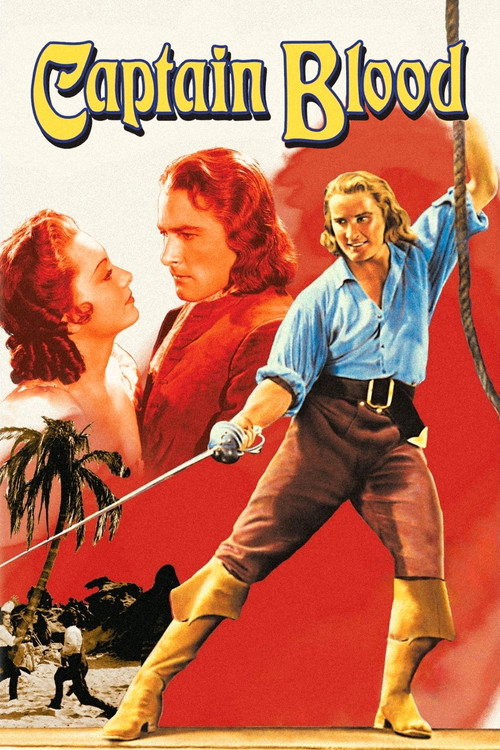
Captain Blood1935
Errol Flynn and Olivia de Havilland's first pairing, a rollicking pirate revenge tale with the same wronged-man-turned-adventurer engine and a shipboard finale that still crackles.
But The plot creaks in places and the pirate business is broader and less witty than the theatrical japery you're used to.
The Three Musketeers1948no page yet
Gene Kelly brings actual dance training to the swordfights, and the whole thing has the same breezy, tongue-in-cheek swagger — a period romp that never takes itself too seriously.
But Kelly's exuberance can tip into mugging, and the plot sprawls with subplots that slow the momentum.
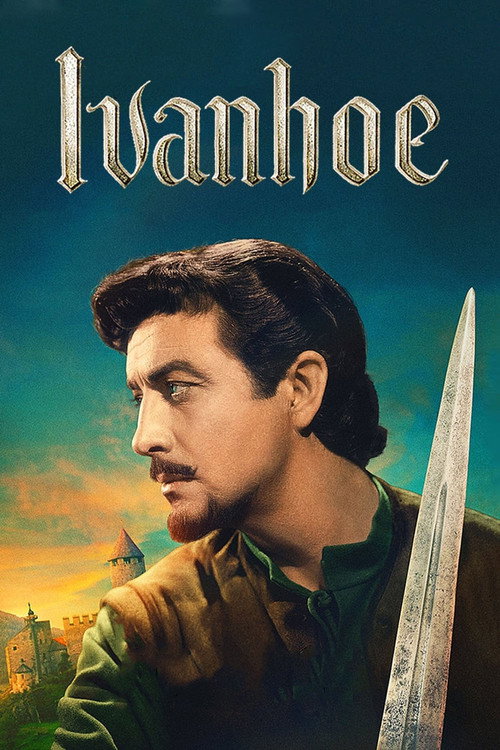
Ivanhoe1952
Robert Taylor in armor instead of a cape, jousting instead of fencing, but the same MGM Technicolor pageantry and noble-outsider-fights-injustice shape underneath.
But It's medieval rather than 18th-century, more chivalric pageant than rogue's romp, and takes itself a shade more seriously.
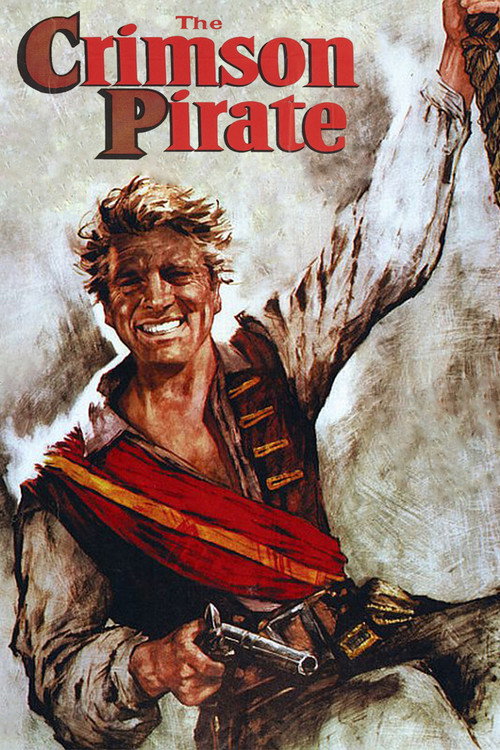
The Crimson Pirate1952
Burt Lancaster, a former acrobat, turns swashbuckling into genuine physical comedy — flips, gags, self-aware winks at the camera — pushing the playfulness even further than you'd expect possible.
But It's sillier and more knowing than most of the genre, closer to slapstick than romance, which some purists find grating.
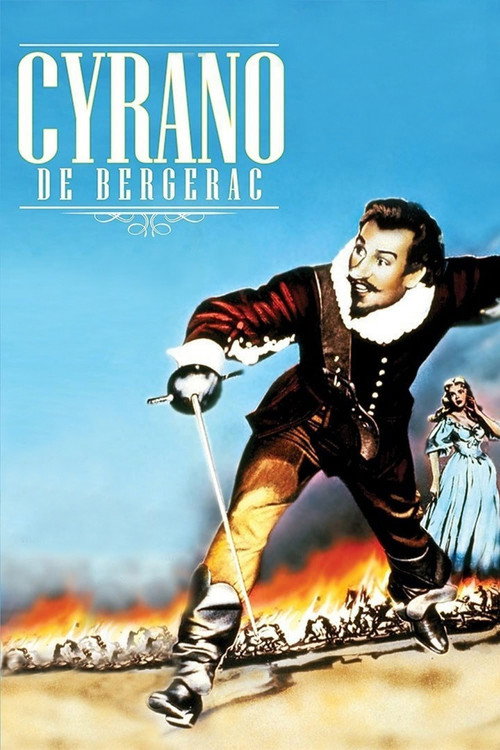
Cyrano de Bergerac1950
José Ferrer's Oscar-winning turn gives you the same wit-as-weapon swordsman-poet energy, disguise and unrequited longing included, minus the Technicolor gloss.
But It's talkier and more tragic — the wordplay matters more than the swordplay, and the ending doesn't go easy on you.
The Man in the Iron Mask1939no page yet
Louis Hayward pulls double duty as twin brothers, one a tyrant king, one his imprisoned double — another tale of identity, disguise, and a hidden man waiting to reclaim his place.
But It's a much cheaper production, the swordplay is less impressive, and the pacing shows its age more.
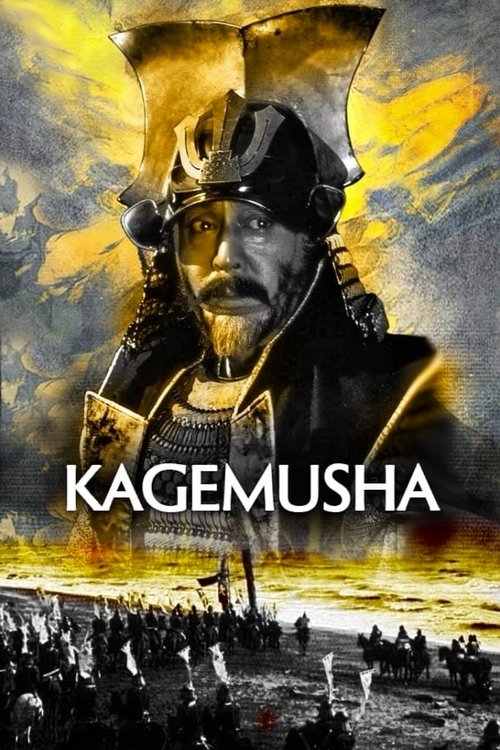
Kagemusha1980
Both hinge on a performer who must become someone else entirely, convincingly, under threat of death — the theatrical impersonation at the heart of the original plot, replayed as a samurai political tragedy.
Kurosawa's epic about a thief forced to impersonate a dead warlord shares the central trick — a man performing someone else's identity to survive — but plays it as tragedy on a national scale.
But It's slow, subtitled, and mournful where the comparison film is quick and grinning; the pleasures here are visual grandeur and dread, not fun.
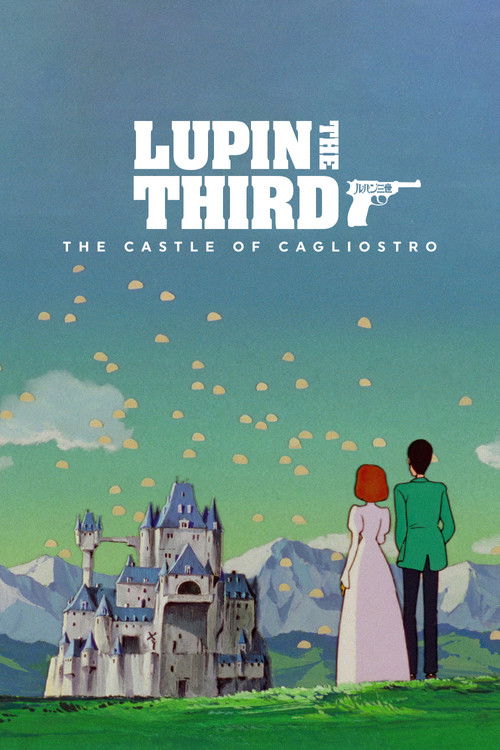
The Castle of Cagliostro1979
Same rogue-hero-in-disguise-for-love-and-justice shape, the same delight in physical bravado over brooding, just recostumed as a Japanese animated caper instead of an MGM period romance.
Miyazaki's first feature is a gleeful, acrobatic caper about a master-of-disguise thief rescuing a princess from a scheming count — practically the same story redrawn as anime, minus the historical weight.
But It's animated and Japanese, which some adventure fans reflexively skip, and the tone is broader and more cartoonish throughout.
People
Cast
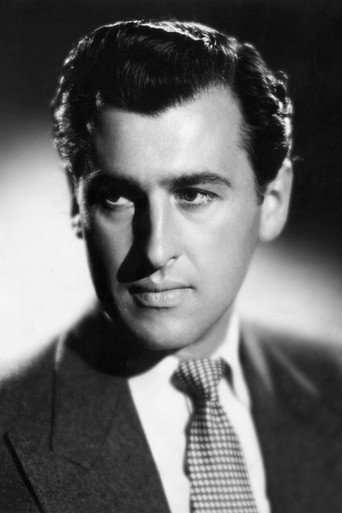 Stewart GrangerAndre Moreau
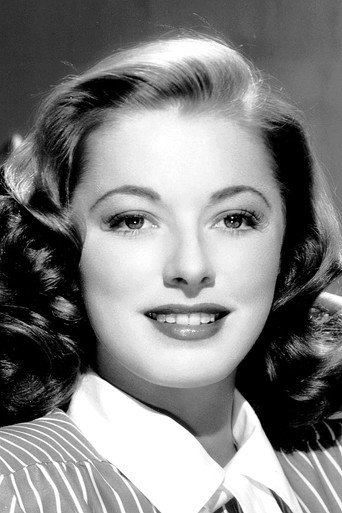 Eleanor ParkerLenore
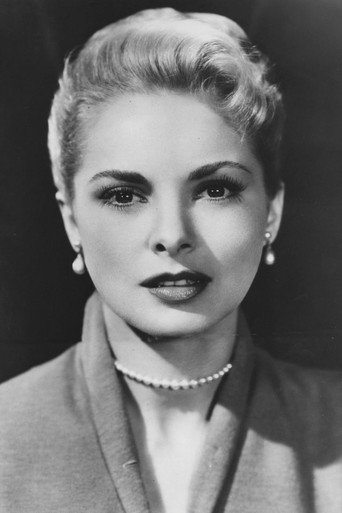 Janet LeighAline de Gavrillac de Bourbon
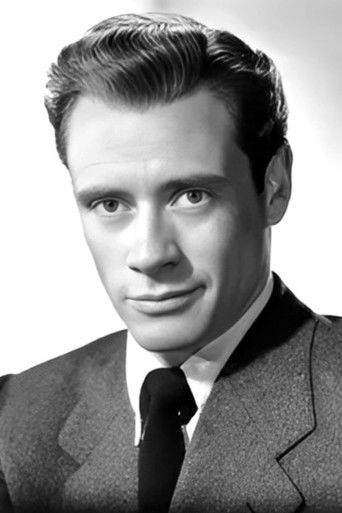 Mel FerrerNoel, Marquis de Maynes
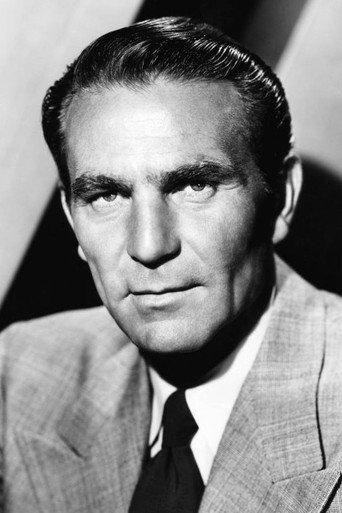 Henry WilcoxonChevalier de Chabrillaine
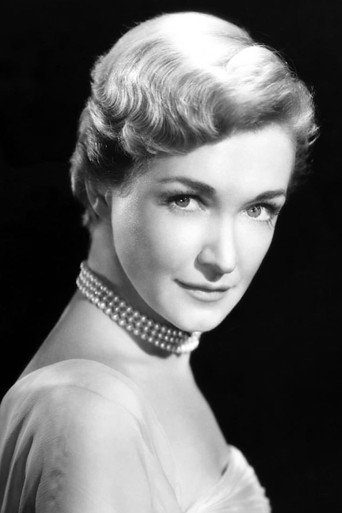 Nina FochMarie Antoinette
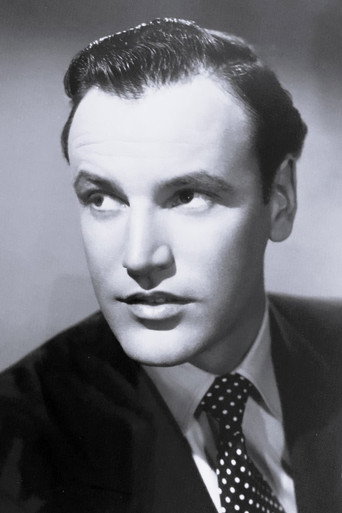 Richard AndersonPhilippe de Valmorin (Marcus Brutus)
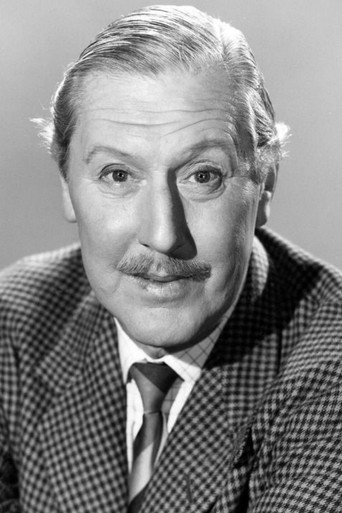 Robert CooteGaston Binet
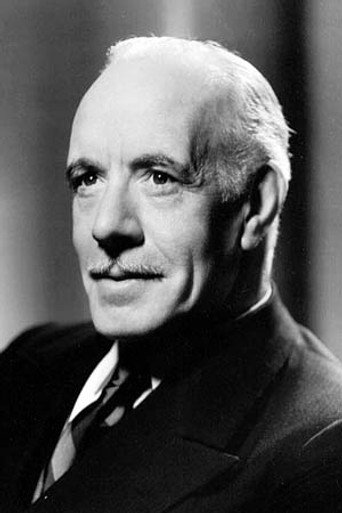 Lewis StoneGeorges de Valmorin
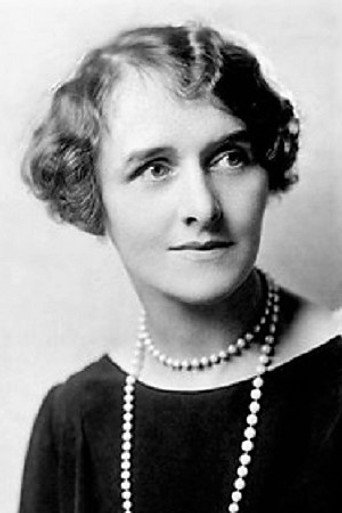 Elisabeth RisdonIsabelle de Valmorin
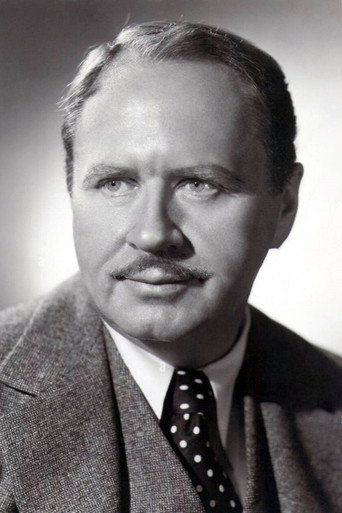 Howard FreemanMichael Vanneau
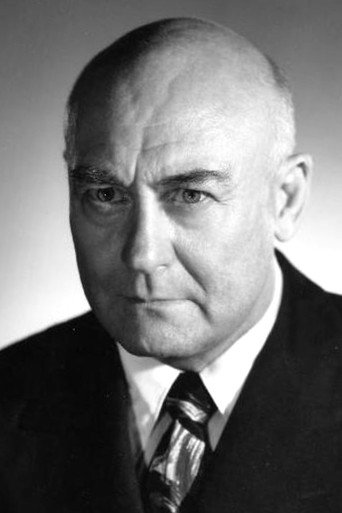 Curtis CookseyFabian
Directing
- George RheinAssistant Director
- George SidneyDirector
Writing
- Rafael SabatiniNovel
- George FroeschelScreenplay
- Ronald MillarScreenplay
Production
- Carey WilsonProducer
Recommended by
Rob Roy, Captain Blood, The Mask of Zorro, The Crimson Pirate, The Mark of Zorro, The Duellists, The Sea Hawk, The Black Pirate, Ivanhoe