
Film
The Foxes of Harrow
A charming rogue climbs from nothing to plantation owner in 1840s New Orleans through wit, audacity and ruthless ambition. Rex Harrison's rakish magnetism carries this sweep of Technicolor melodrama—all sexual tension, family secrets and moral compromise. It's glamorous in the way old Hollywood knew how: cynical about desire but rapturous about surfaces.
Should you watch it?
Watch it if you like sweeping costume melodrama, where a charming schemer's appetite for fortune and risk drives a lush, talky saga through old New Orleans.
Skip it if you find the swoon of old Hollywood romance tiresome, or want a brisk modern pace, since its nearly two-hour run lingers over ballrooms, bargains and bruised pride.
What it asks of you: It takes its time, settling into long scenes of talk, gambling and social maneuvering before momentum builds, so bring an unhurried evening and patience for ambition and vanity.
Not sure? Find tonight's pick in a minute.
If you liked this
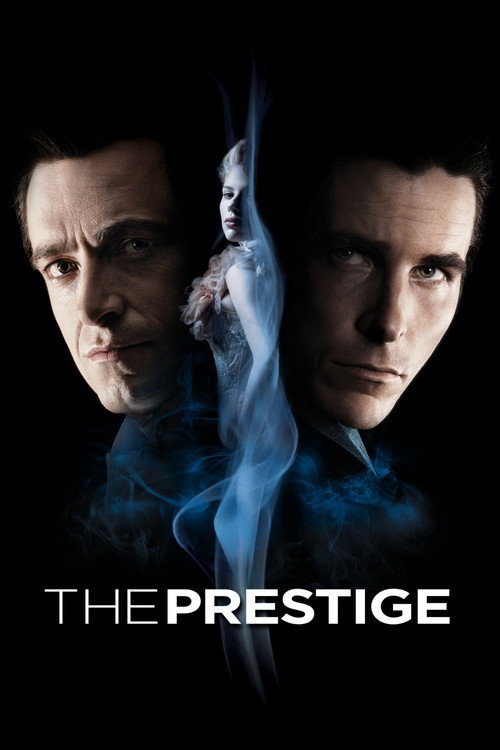
The Prestige2006
Two magicians locked in obsessive rivalry, each willing to sacrifice everything—identity, ethics, love—for victory. The moral architecture mirrors Harrow's; both ask what ambition costs when you've forgotten why it mattered.
But Nearly three hours, and the twist divides viewers sharply on whether it earns its runtime or just exploits it.
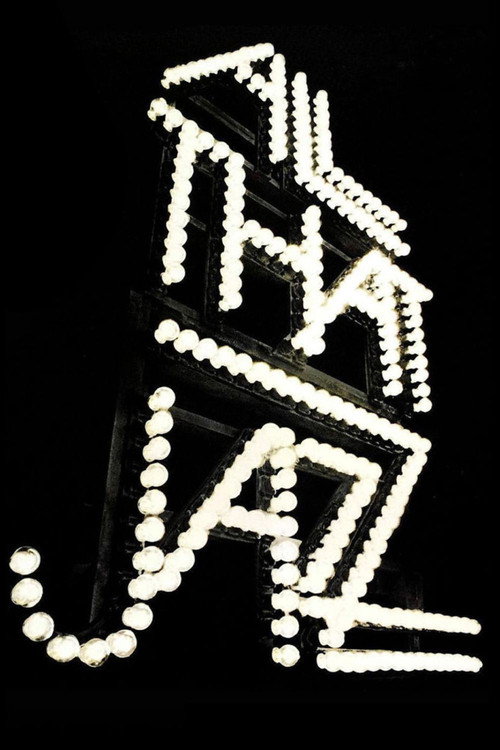
All That Jazz1979
Fosse's semi-autobiographical fever dream of a director destroying himself and everyone around him for art. Like Harrow, it's seductive and pitiless—you're repelled and fascinated by the same man simultaneously.
But Graphic sexuality, drug use, and nihilism throughout. Also willfully chaotic in structure; some find it pretentious rather than ambitious.
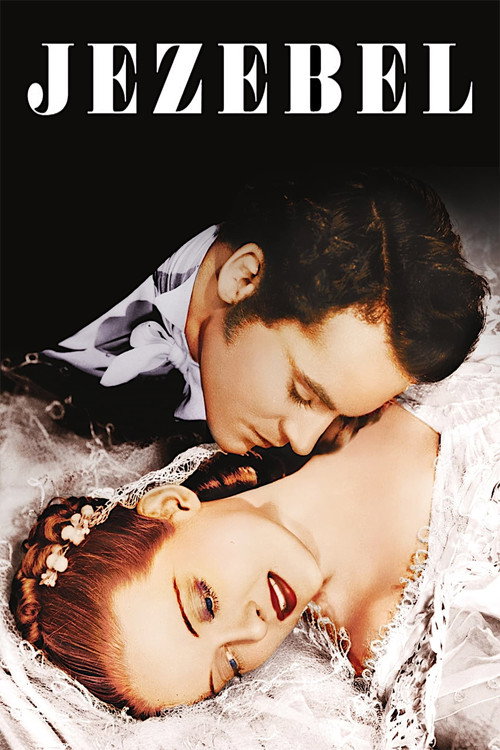
Jezebel1938
Bette Davis as a Southern belle who manipulates everyone through charm and sex. Set in New Orleans, same era sensibility, same theme: how far can charisma carry you before the bill comes due?
But The racism embedded in the period material is never interrogated. It's a product of 1938, and it shows.
Not sure tonight? Get a pick in a minute, starting from The Foxes of Harrow
The wildcard
Something you would not have found on your own.
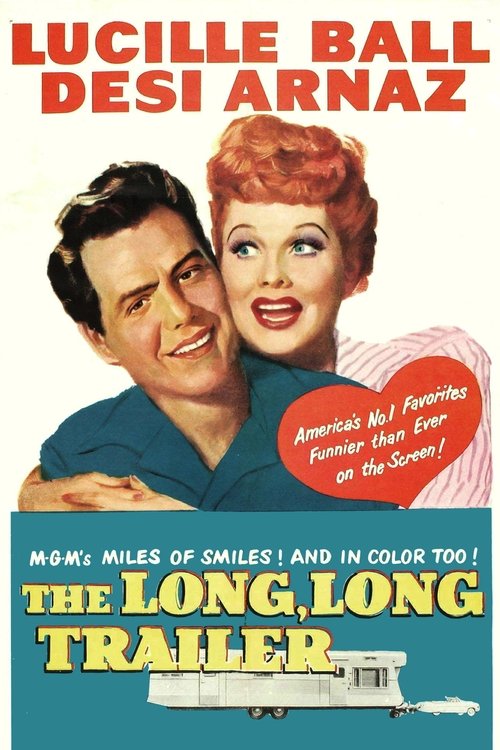
The Long, Long Trailer1954
Both films understand that 'charming' people are often performing a version of themselves for survival. Harrow does it tragically; this does it as farce. Same mechanism, different genre.
Lucille Ball and Desi Arnaz in a marriage comedy that's actually about the gap between who you pretend to be and who you are. Comedy instead of drama, but the same anatomy: performance as identity, charm as a survival tool.
But It's fundamentally a sitcom stretched to feature length. The emotional stakes are deliberately light, which some will find trivial.
More like this (8)
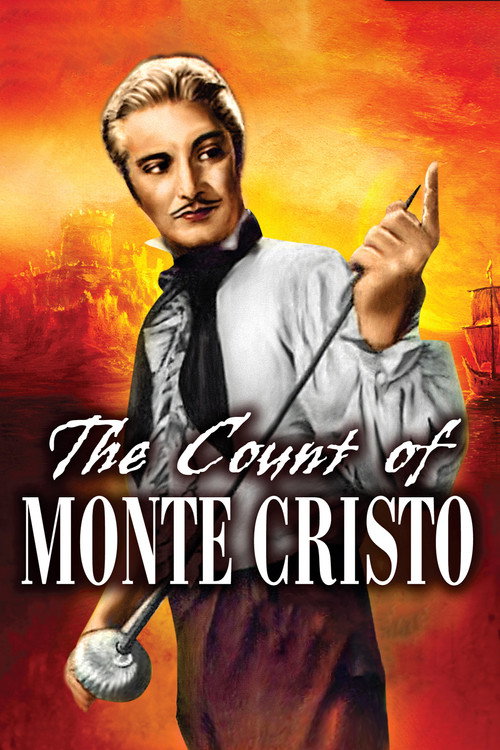
The Count of Monte Cristo1934
A man uses cunning and circumstance to rebuild himself from nothing, becoming richer and more powerful than those who wronged him. The template Harrow follows—revenge dressed as romance.
But The pacing is glacial by modern standards. Nearly two hours of setup before the real game begins.
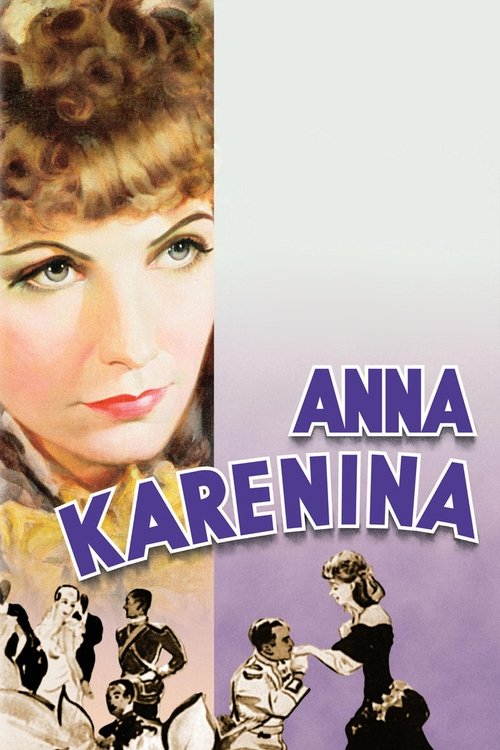
Anna Karenina1935
Greta Garbo in Technicolor melodrama about desire overriding duty. Same luxurious, doomed romanticism; both films seduce you into rooting for people making catastrophic choices.
But The emotional beats are enormous and operatic. If that register feels dated to you, nothing here will change your mind.
Letter from an Unknown Woman1948
A man's charm and selfishness destroy a woman across decades. Ophüls' camera work is ecstatic, but the morality is savage. It's what happens to the people around ambitious men like Harrow's hero.
But Heartbreaking in ways that feel designed to hurt. Not comforting viewing, and the ending is quietly devastating.

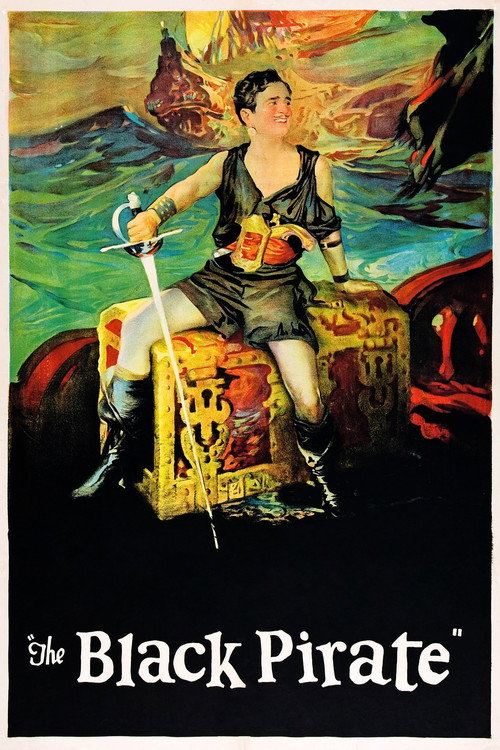
The Black Pirate1926
Douglas Fairbanks as an aristocrat who becomes a pirate for revenge and fortune. Early Technicolor, swashbuckling charm masking ruthlessness. The DNA of Harrow's antihero is right here.
But Silent film. The intertitles and actorliness will feel remote unless you're already comfortable with the form.
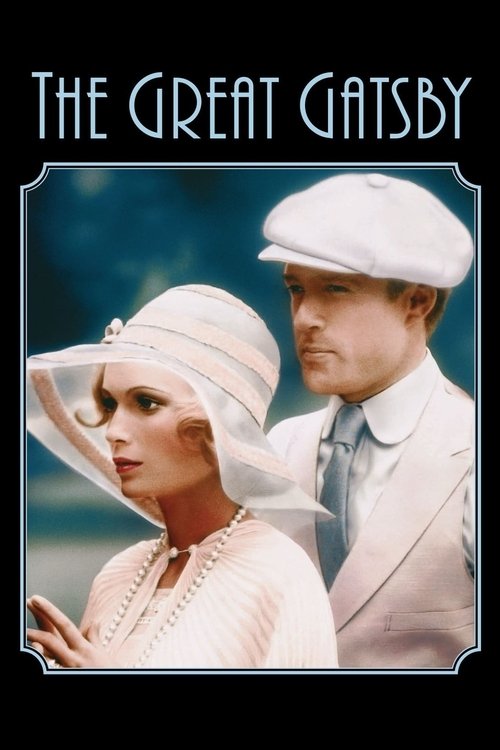
The Great Gatsby1974
Redford as a man who invents himself and chases an impossible dream through wealth and performance. Same question as Harrow: can you buy your way to happiness, or just to a bigger prison?
But Two and a half hours of beautiful people being miserable. Some find it glacial; others think that's the point.
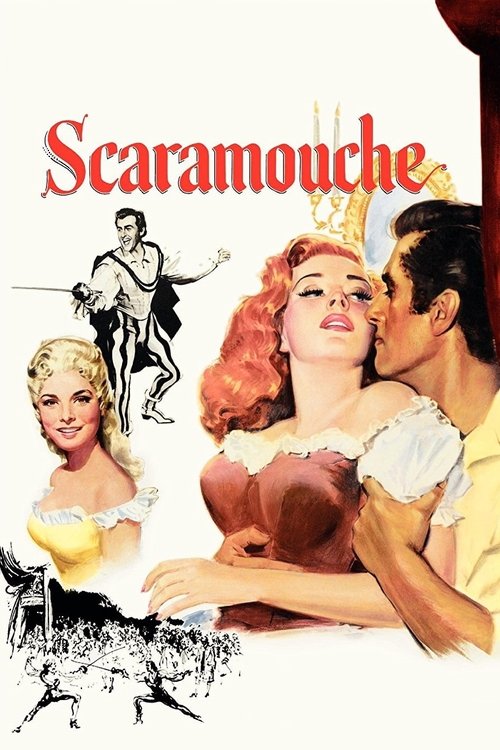
Scaramouche1952
Stewart Granger as a man of humble birth who rises through wit and swordplay in Revolutionary France. Technicolor adventure with the same amoral charm and good-humored cynicism about social climbing.
But Genuinely lightweight—it knows what it is and doesn't apologize. If you want thematic weight, look elsewhere.
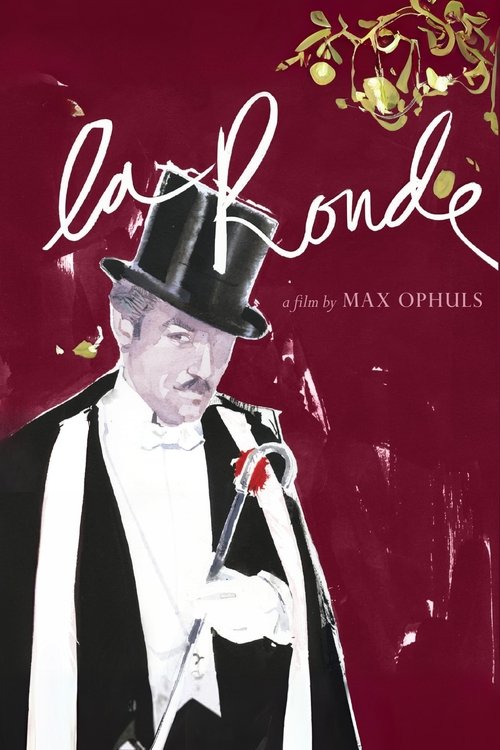
La Ronde1950
Both are about beautiful, selfish people moving through landscapes of wealth, leaving wreckage. Harrow is linear; this is circular. Both say the same thing: charm doesn't build, it consumes.
Ophüls' carousel of desire: ten couples in Vienna, linked by sexual encounter, each believing their own story. Like Harrow, it's about how ambition and seduction are the same engine—desire makes you reckless and stupid.
But It's a French film in French (subtitled), and it's formally experimental in ways that require patience. Also, the morality is utterly amoral—everyone is using everyone.
The Leopard1963
Both chronicle a man's rise into a world of inherited power, but where Harrow is about seduction, this is about inheritance. Harrow asks 'can I earn my way in?'; this asks 'what was it all for?' Same historical moment, opposite questions.
Visconti's epic of an aristocrat watching his world crumble during Italian unification. Luchino Visconti's masterpiece about how power and dynasty are illusions, and ambition just hastens their collapse. Ravishing and despairing.
But It's 205 minutes, Italian with subtitles, and the entire plot is philosophical acceptance of decline. No narrative momentum whatsoever, just beauty and melancholy.

People
Cast
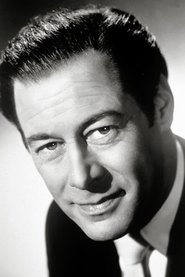 Rex HarrisonStephen Fox
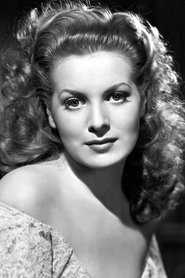 Maureen O'HaraOdalie D'Arceneaux
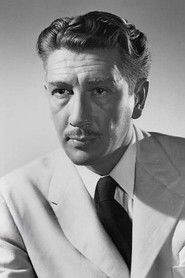 Richard HaydnAndre LeBlanc
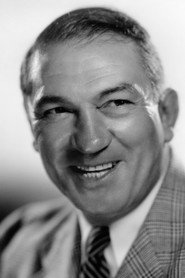 Victor McLaglenMike Farrell
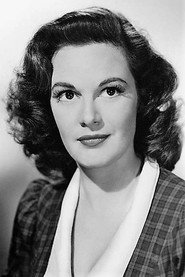 Patricia MedinaDesiree
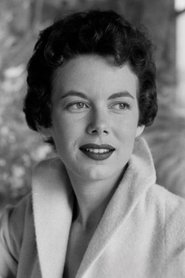 Vanessa BrownAurore D'Arceneaux
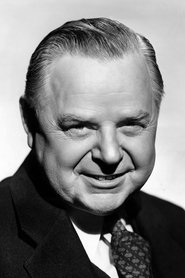 Gene LockhartViscount Henri D'Arceneaux
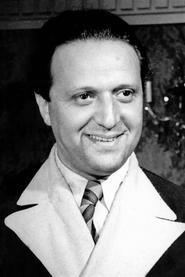 Hugo HaasOtto Ludenbach
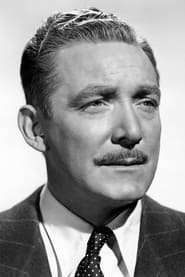 Roy RobertsTom Warren
 Dorothy AdamsMrs. Sara Fox (uncredited)
- Bernard DeRouxCreole Waiter
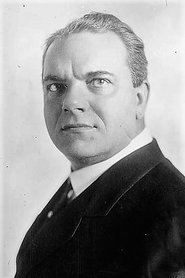 Marcel JournetSt.-Ange (uncredited)
Directing
- John M. StahlDirector
Writing
- Frank YerbyNovel
- Wanda TuchockWriter
Production
- Darryl F. ZanuckExecutive Producer
- William A. BacherProducer
- Frances C. RichardsonResearcher
Recommended by
Cat on a Hot Tin Roof, Band of Angels, The Boy with Green Hair