
Film
Cat on a Hot Tin Roof
A taut Southern Gothic drama set in a dying patriarch's mansion, where a failed athlete's marriage crumbles amid family greed, unspoken desire, and the weight of secrets no one will name. Elizabeth Taylor burns through the screen as a woman fighting for her husband's touch while the family vultures circle. Claustrophobic, sexual, alive with what characters won't say.
Should you watch it?
Watch it if you relish a stage-born family row where every sharp line is a weapon, and you'll happily sit through long, circling dialogue for the chance to watch Taylor and Newman spar.
Skip it if you want brisk plot or a clear, tidy story, since this is mostly talk in one hot, stifling house and it lingers on its own pressures.
What it asks of you: Expect a single room's worth of pressure, with long speeches that circle the same wounds, a smoldering pace, and sustained attention to what people won't say.
Not sure? Find tonight's pick in a minute.
If you liked this
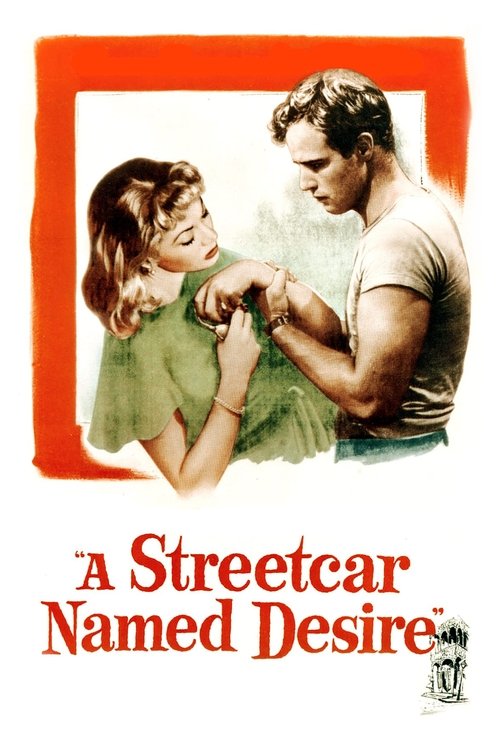
A Streetcar Named Desire1951
Tennessee Williams again, this time with Vivien Leigh and Marlon Brando combusting in a cramped New Orleans apartment. The same climate of desire, violence, and moral ambiguity, but rawer and even more dangerous.
But Brando's method acting and the sexual assault scene remain genuinely upsetting. Some find the pacing glacial by modern standards.
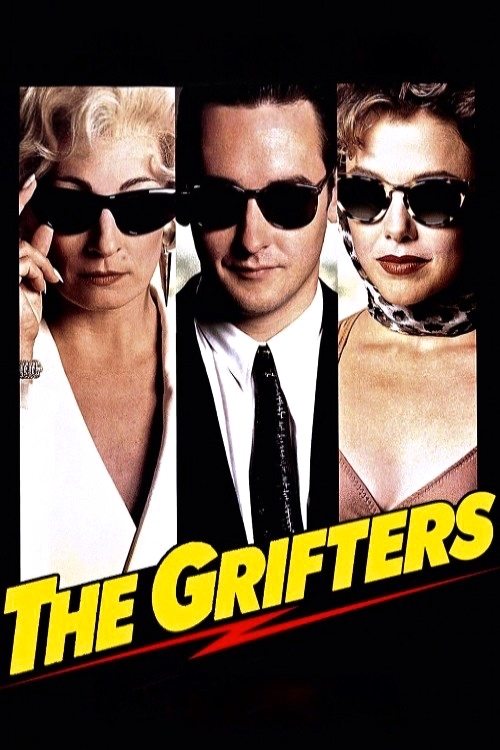
The Grifters1990
A family bound by toxicity and lust for control, trapped in a story where no one can leave and nobody wins. Anjelica Huston and John Cusack circle each other with the same desperate hunger Taylor and Newman embody here.
But It's a con film, so some plot threads reward careful attention. The sexual content is explicit and uncomfortable by design.
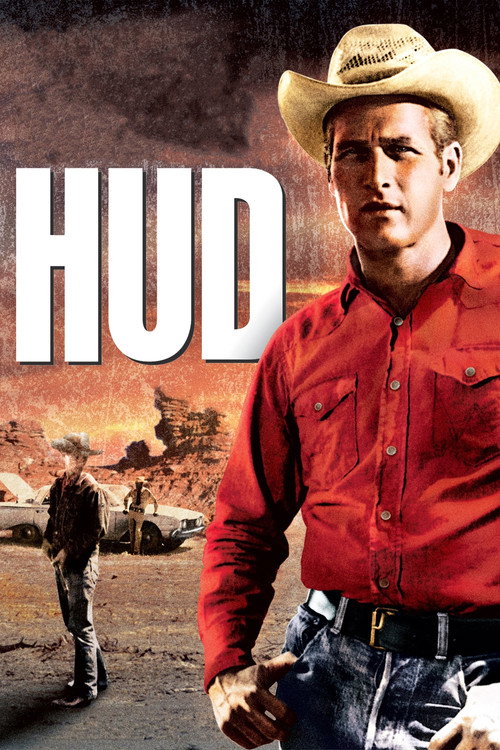
Hud1963
Paul Newman as a different kind of damaged man—morally hollow, physically attractive, destroying everyone around him through sheer selfishness. The Texas setting and black-and-white cinematography give it a different flavour, but the core anatomy of failure is identical.
But It's bleak without the passion that makes Cat bearable. Newman's character offers no redemption, which some viewers find pointless rather than tragic.
Not sure tonight? Get a pick in a minute, starting from Cat on a Hot Tin Roof
The wildcard
Something you would not have found on your own.
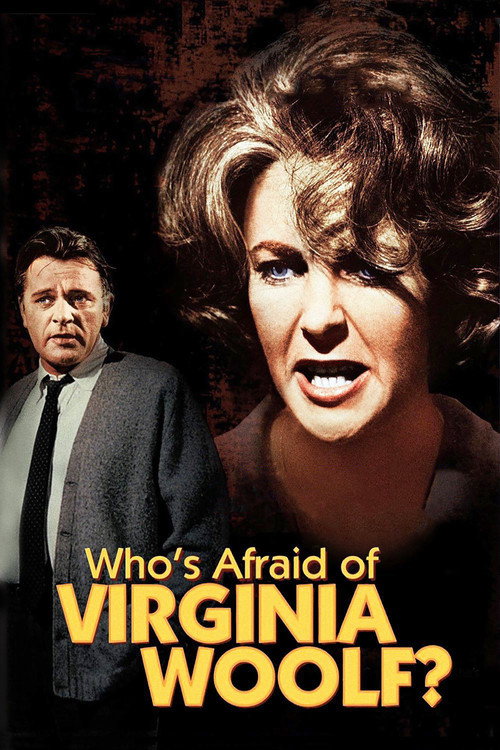
Who's Afraid of Virginia Woolf?1966
Both are about marriages that use cruelty as intimacy, where desire and contempt become indistinguishable. Both feature powerhouse leads performing at the absolute peak of their abilities.
Elizabeth Taylor in a different marriage, but one just as poisoned—here with Richard Burton, who matches her ferocity. A four-hander set in one night where a couple tears each other apart with words instead of silence. The sexual animus and family destruction mirror Cat exactly, but it's Wagner and whiskey instead of bourbon and heat.
But It's relentlessly, exhaustingly verbal. If you found Cat's quiet moments essential, this wall-to-wall dialogue will exhaust you.
More like this (8)
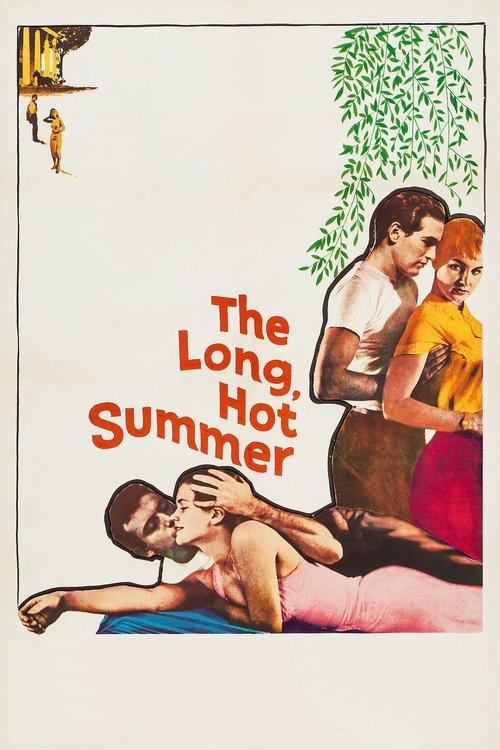
The Long, Hot Summer1958
Another Paul Newman vehicle set in the steamy South, adapted from Faulkner. Orson Welles as a blustering patriarch, Newman as the outsider who threatens a family's equilibrium. The sexual tension and class anxiety mirror this film's DNA.
But The script softens Faulkner considerably. It feels safer, more like a conventional drama, which dulls the edge that makes Cat special.
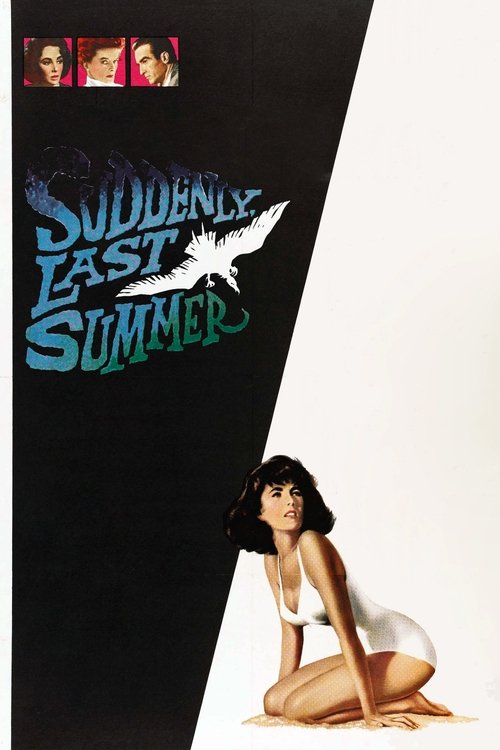
Suddenly, Last Summer1959
Elizabeth Taylor again, this time opposite Montgomery Clift, psychologically destroyed by family trauma and unmentionable secrets. Tennessee Williams once more, exploring homosexuality and desire through Gothic Southern metaphor. Genuinely disturbing.
But The allegorical ending feels heavy-handed. Some find the approach to mental illness reductive by today's standards.
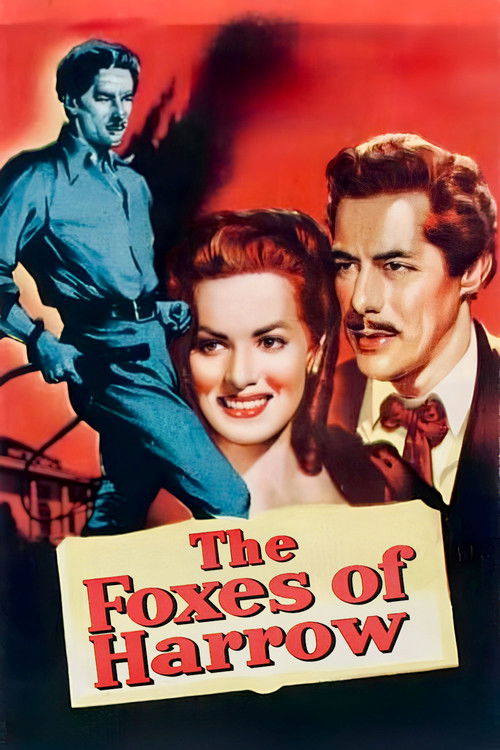
The Foxes of Harrow1947
A decadent Southern family saga with romance, jealousy, and the slow corruption of wealth. If you want the atmosphere of Cat without the sexual dread, this is warmer but still melancholic.
But It's far more conventional and sentimental. The moral stakes are lower, the passion more genteel.
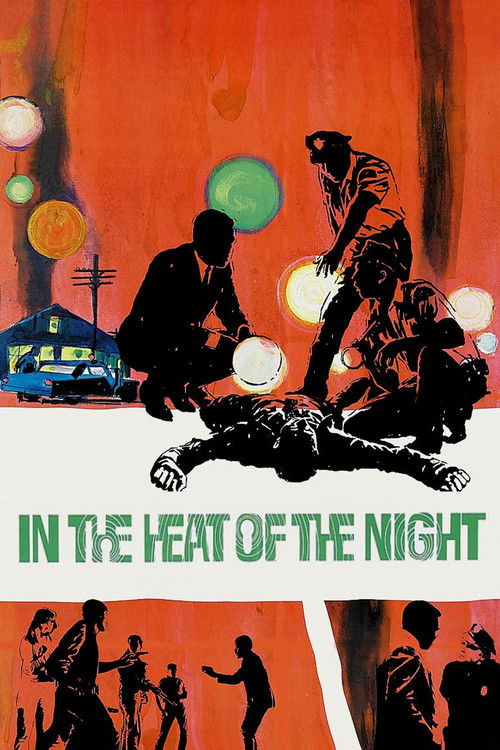
In the Heat of the Night1967
Sidney Poitier and Rod Steiger locked in a Southern Gothic power struggle, race and class at the boiling point. The claustrophobia and tension build the same way, though here the conflict is external rather than marital.
But The mystery plot requires patience. The film's racial politics, though progressive for 1967, can feel dated now.
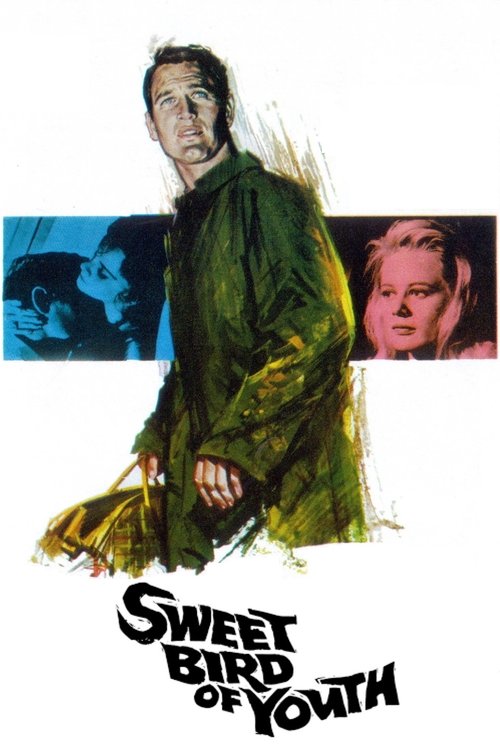
Sweet Bird of Youth1962
Paul Newman again, this time as a failed gigolo returning to his Southern hometown with a faded movie star. The desperation and sexual humiliation echo through every frame. Geraldine Page is magnificent as the woman buying affection she can't earn.
But The ending is brutally punitive in ways that feel moralistic. Newman's character is harder to root for than Brick.
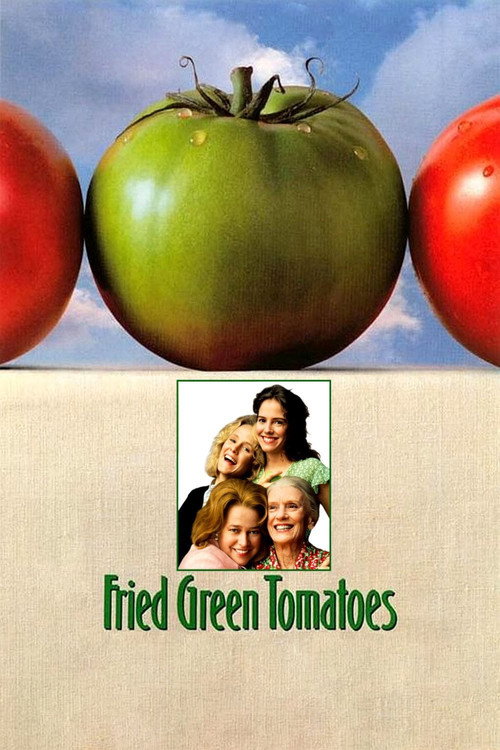
Fried Green Tomatoes1991
Southern women trapped by marriage and circumstance, finding liberation through forbidden bonds. The frame narrative gives it a lighter touch, but the core exploration of desire denied and female rage is genuinely radical.
But The film's gentleness softens what the book dares to suggest. Some will find the lesbianism coded rather than stated, which feels like compromise.
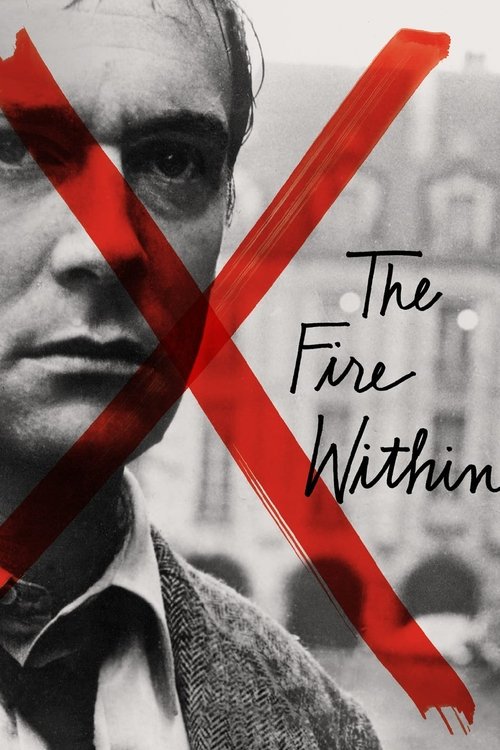
The Fire Within1963
Both examine how attractive, intelligent men destroy themselves and those around them through emotional unavailability. But where Cat is theatrical, this is intimate—a whisper rather than a shout.
Louis Malle's portrait of an aristocratic man in freefall—alcohol, aimlessness, the inability to connect with those who love him. It's Brick's internal world made visible. Slow, meditative, and heartbreaking in a way that makes grand gestures seem cheap.
But It moves like a poem, not a drama. The suicide is not prevented by plot; it's inevitable. This is not entertainment in the conventional sense.
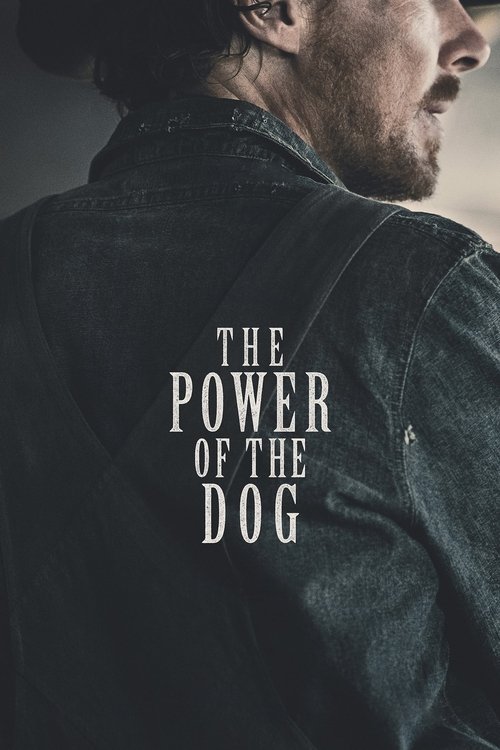
The Power of the Dog2021
A contemporary reckoning with the same material—a man whose sexual shame manifests as cruelty, a woman trying to reach him through performance and seduction. Both understand that the most violent thing one person can do to another is refuse to acknowledge their existence.
Benedict Cumberbatch as Phil Burbank, a rancher whose contempt for his brother's new wife masks something far more complicated. Set in 1920s Montana instead of the '50s South, it still explores masculinity, desire, and the violence of refusing to name what you feel. Modern filmmaking, classical psychological depth.
But It's deliberately slow and its final revelation is easy to miss. The ambiguity will frustrate those who want clarity about what characters are thinking.
People
Cast
 Elizabeth TaylorMaggie Pollitt
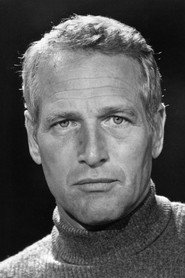 Paul NewmanBrick Pollitt
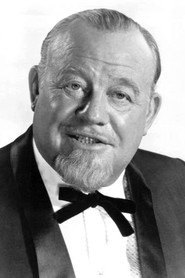 Burl IvesHarvey 'Big Daddy' Pollitt
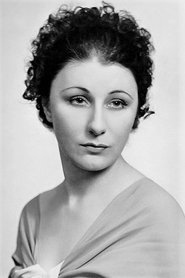 Judith AndersonIda 'Big Mama' Pollitt
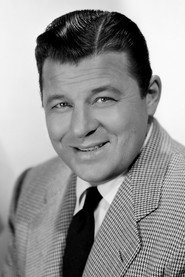 Jack CarsonGooper Pollitt
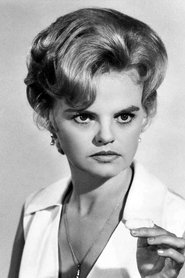 Madeleine SherwoodMae Pollitt
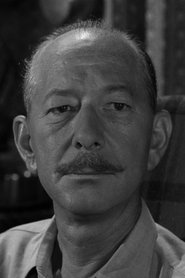 Vaughn TaylorDeacon Davis
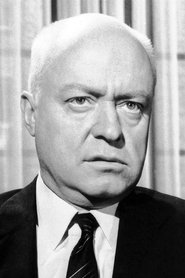 Larry GatesDr. Baugh
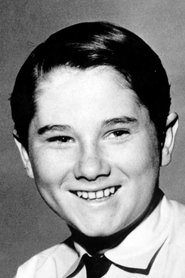 Brian CorcoranBoy (uncredited)
- Zelda CleaverSookey (uncredited)
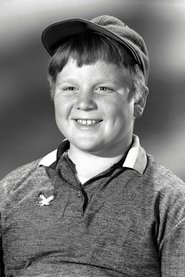 Robert 'Rusty' StevensSonny (uncredited)
- Hugh CorcoranBuster (uncredited)
Directing
- William ShanksAssistant Director
- Richard BrooksDirector
Writing
- James PoeScreenplay
- Richard BrooksScreenplay
- Tennessee WilliamsTheatre Play
Production
- Lawrence WeingartenProducer
Recommended by
Written on the Wind, A Streetcar Named Desire, East of Eden, The Long, Hot Summer, Duel in the Sun, The Fugitive Kind, Baby Doll, The Night of the Iguana, BUtterfield 8, A Hatful of Rain, Alias Jesse James, Bigger Than Life