
Film
Bigger Than Life
A suburban teacher's prescription for cortisone transforms him from gentle provider into a tyrant. Made in 1956, Bigger Than Life is a portrait of postwar domesticity curdling into something sinister—a movie that treats addiction not as weakness but as a medical emergency that rewires a man's personality. It's both intimate and horrifying, and it lingers.
If you liked this
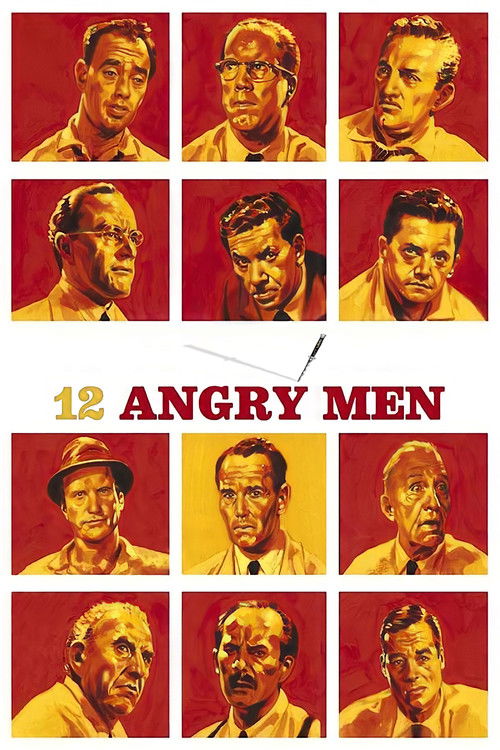
12 Angry Men1957
An ensemble drama about ordinary men wrestling with conscience and reasonable doubt. Like Bigger Than Life, it treats intelligence and moral clarity as active virtues, and finds dignity in the struggle to think straight.
But It's essentially twelve men in one room talking for 96 minutes. If you need plot movement or physical action, this won't deliver it.
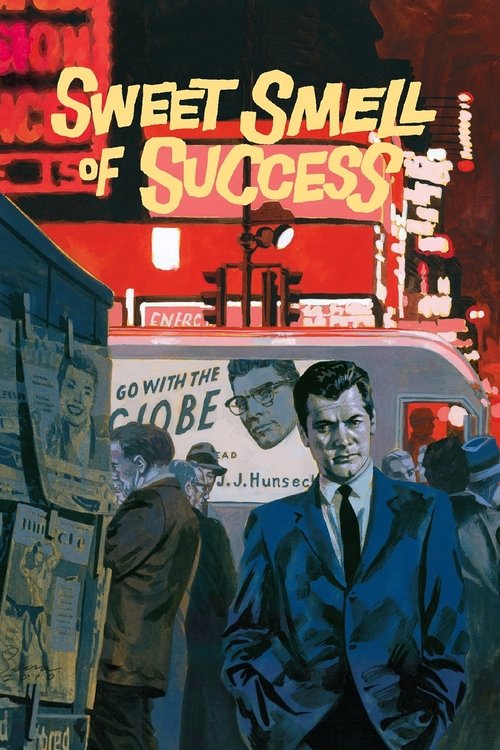
Sweet Smell of Success1957
A noir about corruption spreading through a charismatic operator. It has the same DNA as Bigger Than Life—a good man's chemistry altered, the home space polluted, language twisted into a weapon.
But It's cynical and bleak to its bones. The worldview is unrelenting, and there's no redemption offered at any point.
The Best Years of Our Lives1946
Three soldiers return to small-town America and find the domestic world more complicated than war. Shares Bigger Than Life's interest in what's broken beneath the surface of gratitude and normalcy.
But At nearly three and a half hours, it moves at a pace that feels deliberate rather than urgent. Patience is required.

Not sure tonight? Get a pick in a minute, starting from Bigger Than Life
The wildcard
Something you would not have found on your own.
The Seventh Seal1957
Both films use visual precision and the human face to track a man's transformation. Both ask: what is a man when his certainties are stripped away?
Bergman's meditation on mortality and meaning. Visually and morally austere. Like Bigger Than Life, it asks what happens when a man confronts something larger than himself—but here that something is Death itself, not medicine.
But It's philosophical rather than narrative. Long silences, symbolic chess games, medieval settings. If you want plot, this will feel remote and slow.

More like this (8)
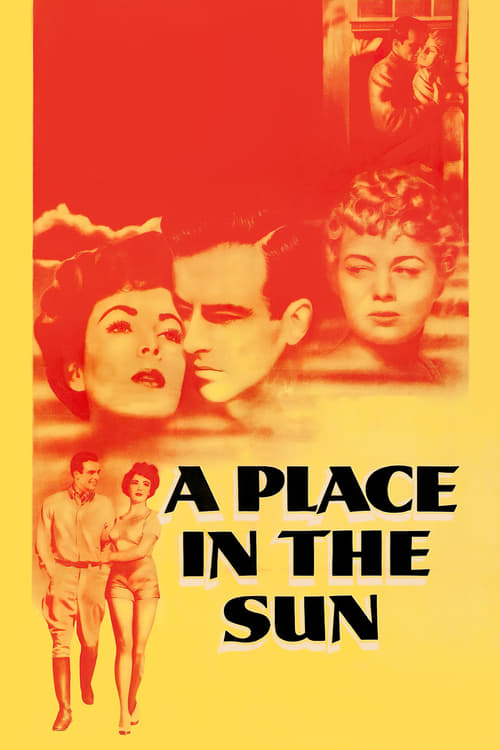
A Place in the Sun1951
Montgomery Clift as a young man undone by desire and circumstance. Beautiful filmmaking in service of a moral collapse. The same temperature of tragedy as Bigger Than Life, just a different pressure point.
But The ending is predetermined from the start. You're watching inevitability unfold, which can feel deterministic if you resist it.
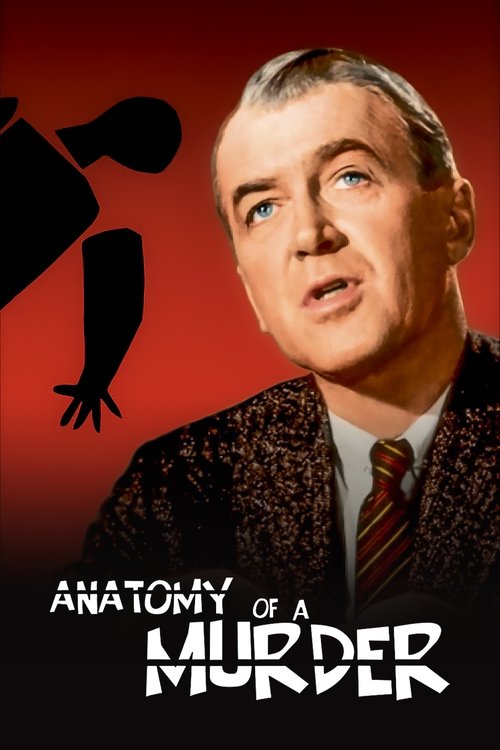
Anatomy of a Murder1959
A courtroom drama that trusts the audience to sit with moral ambiguity. Like Bigger Than Life, it refuses easy judgement—the perpetrator and the victim are both real, both damaged.
But It's a procedural about law, not action. Long stretches of testimony and argument. If you want resolution, you won't get the kind you expect.
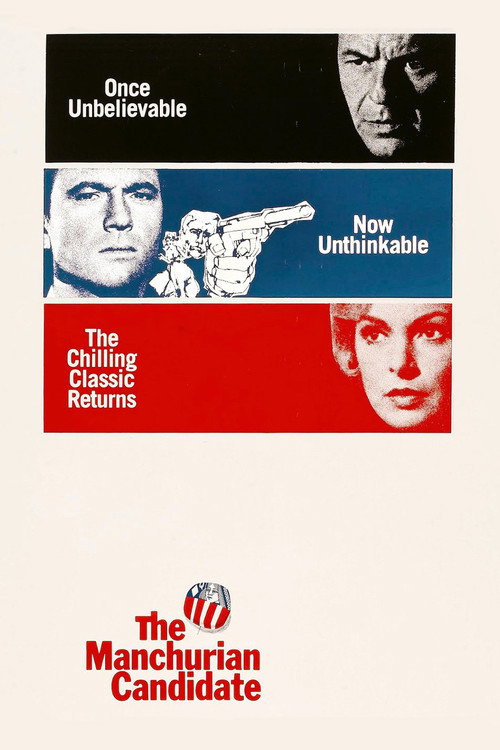
The Manchurian Candidate1962
A man's mind is reprogrammed into a weapon. Bigger Than Life is about chemistry rewiring personality; this is about ideology and control doing the same. Paranoid, prophetic, brilliantly constructed.
But It's complicated and moves fast. You need to track multiple threads and the logic isn't always obvious until it clicks.
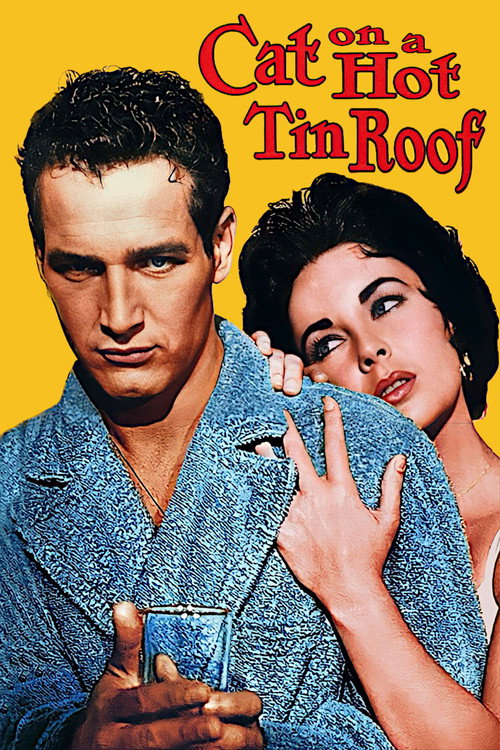
Cat on a Hot Tin Roof1958
Family dysfunction under a single roof, with tension rising and masks falling. Tennessee Williams' language meets Paul Newman and Elizabeth Taylor. Claustrophobic and electric.
But It's all talk and implication. The play was bowdlerized for the film, which softens the edges. If you prefer plot, you'll find it thin.
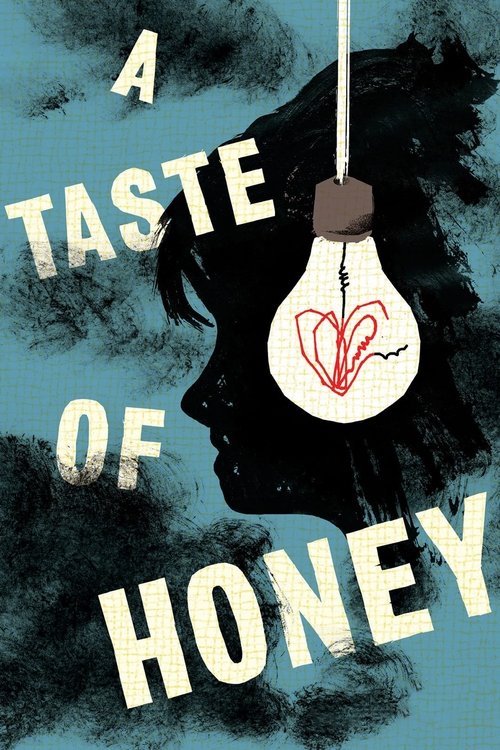
A Taste of Honey1961
A Yorkshire working-class household fractured by secrets and neglect. Shot in black and white, with a documentary eye. Raw and unsentimental about family.
But The production values are deliberately spare. It looks like a social worker's notebook, not a polished drama. The style can feel ascetic.
The Killing1956
Kubrick's debut, a heist film told in fractured time. Like Bigger Than Life, it's a portrait of ordinary men undone by circumstance and their own judgment. Taut and clever.
But The fractured timeline can be jarring on first viewing. You need to track multiple perspectives and timelines simultaneously, which some find more effort than pleasure.

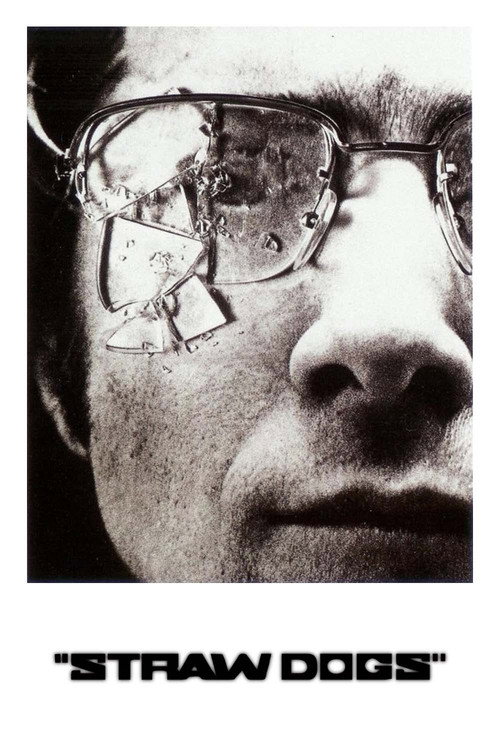
Straw Dogs1971
Both films destroy the myth of the gentle man and ask what he's capable of when pushed. Both locate terror not in monsters but in ordinary people.
A quiet man pushed past his breaking point. Peckinpah's film is about the thin layer separating civilization from violence. Like Bigger Than Life, it's about transformation triggered by external pressure, and it never lets you feel good about the results.
But It's graphic and brutal. The violence is not cartoonish or cathartic—it's ugly and it sticks with you. The ending offers no comfort.
Requiem for a Dream2000
Both use the form of cinema to make addiction visible. Both refuse to let you look away or pity their subjects. Both end in ruin with no redemption offered.
Aronofsky's filmmaking mirrors addiction's logic: escalation, repetition, visual distortion. Four addictions (heroin, amphetamines, diet pills, television) converge. Like Bigger Than Life, it treats chemical dependency as a derangement that rewires the person you thought you knew.
But It's punishing. The editing and sound design are deliberately assaultive. By design, it's hard to watch and harder to shake. Not cathartic; just devastated.

People
Cast
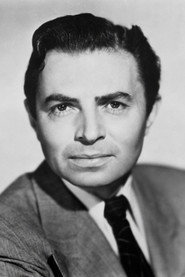 James MasonEd Avery
 Barbara RushLou Avery
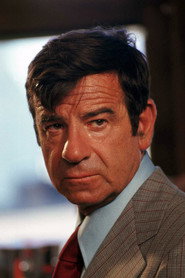 Walter MatthauWally Gibbs
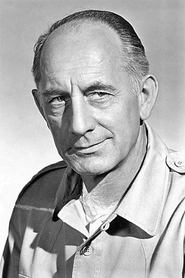 Robert F. SimonDr. Norton
 Christopher OlsenRichie Avery
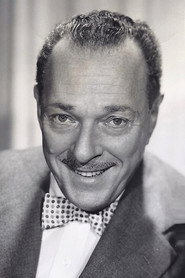 Roland WintersDr. Ruric
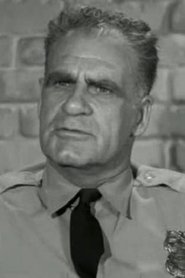 Rusty LaneBob LaPorte
 Rachel StephensNurse
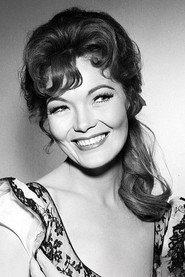 Kipp HamiltonPat Wade
- Betty CaulfieldMrs. LaPorte (uncredited)
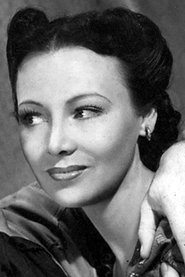 Virginia CarrollMrs. Jones (uncredited)
 Renny McEvoyMr. Jones (uncredited)
Directing
- Eli DunnAssistant Director
- Nicholas RayDirector
Writing
- Cyril HumeScreenplay
- Richard MaibaumScreenplay
- Berton RouechéShort Story
- Cyril HumeStory
- Richard MaibaumStory
Production
- James MasonProducer