
Film
The Best Years of Our Lives
A three-hour, Oscar-sweeping 1946 drama following three servicemen back to the same American town, asking what victory actually costs once the parades stop. William Wyler shoots with unshowy clarity — deep focus, long takes, no swelling triumph — as an airman, a sergeant and a disabled sailor try to fit back into jobs, marriages and a country that has moved on without them.
If you liked this
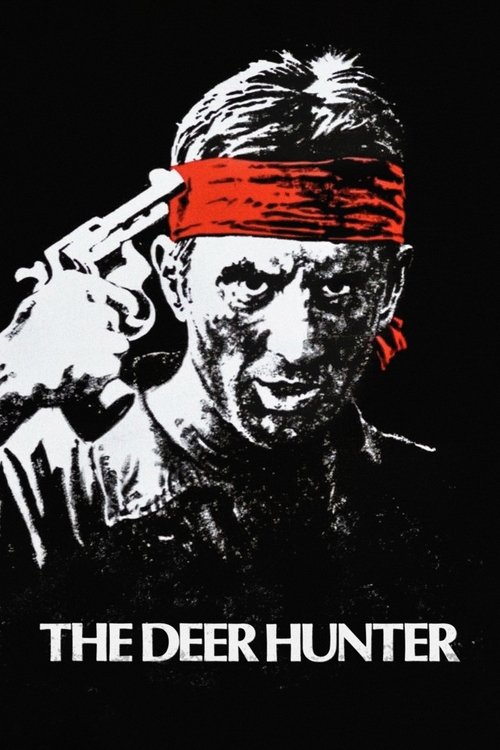
The Deer Hunter1978
Same wound, different war: three friends go to Vietnam and only some of them make it back whole. Cimino's film is slower and darker, but just as interested in what home looks like once you can't recognize it anymore.
But Three hours long and considerably bleaker — it offers little of the warmth or hope that softens the original.
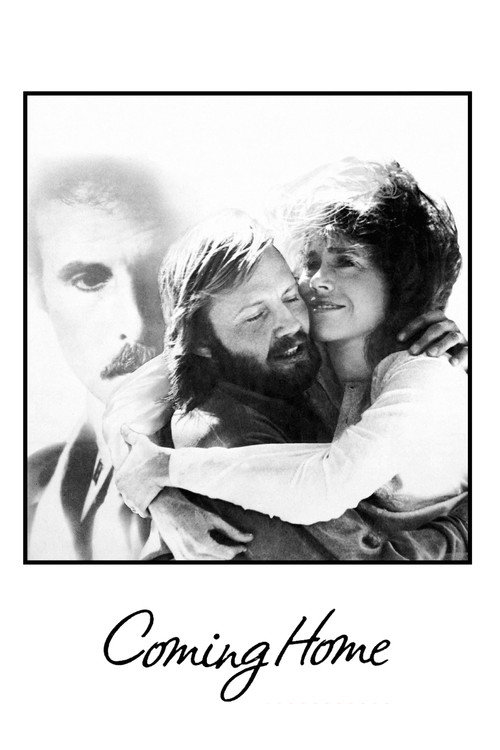
Coming Home1978
A paralyzed Vietnam vet, his wife, and the man who falls for her while her husband is at war — Hal Ashby's film does for that generation what Wyler did for his, with the same tenderness toward damaged bodies and marriages.
But The politics are more overt and the love triangle more melodramatic than anything in the original.
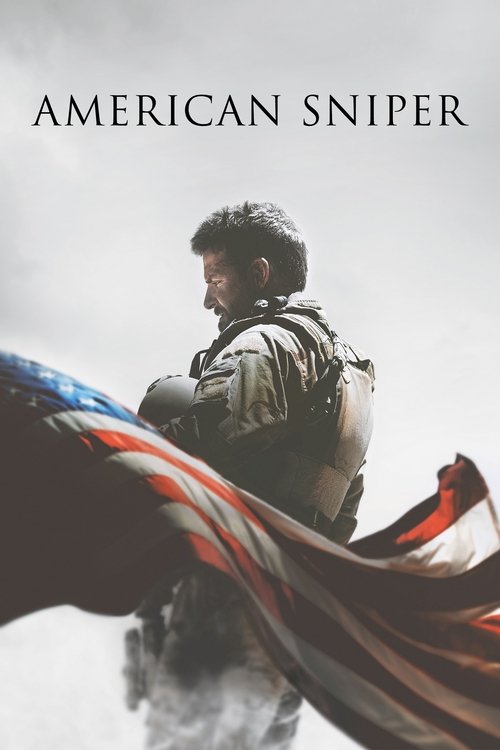
American Sniper2014
Clint Eastwood's version of the same problem, decades later: a decorated soldier who can fight a war better than he can sit at his own dinner table. Bradley Cooper is very good at showing you a man who isn't fully present.
But More combat, less ensemble — and its politics have been argued over more than the film itself deserves.
The wildcard
Something you would not have found on your own.
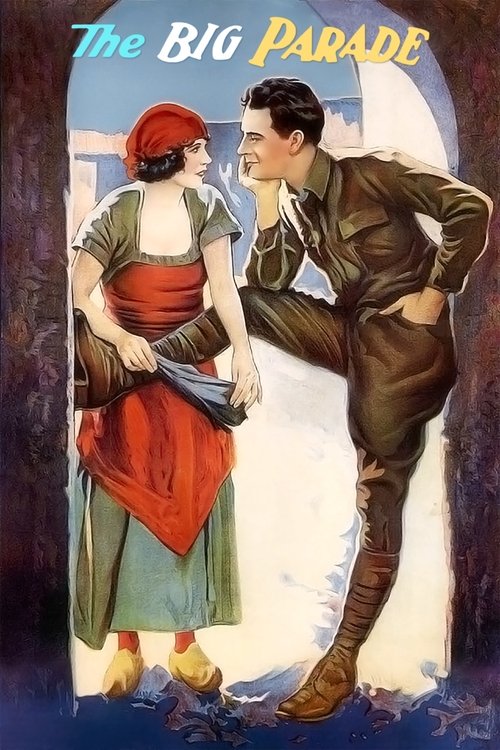
The Big Parade1925
Two decades before Wyler's film, King Vidor told almost the same story — a soldier home from war, a fiancée who's moved on, a body that doesn't work the way it used to — using nothing but faces and title cards.
One of the biggest hits of the silent era, and the blueprint for every 'soldier comes home changed' story since, including this one. The battlefield sequences still land, and the final homecoming shot is unbearably tender.
But It's silent, it's from 1925, and modern eyes need a minute to adjust to the pacing and the acting style.
More like this (8)
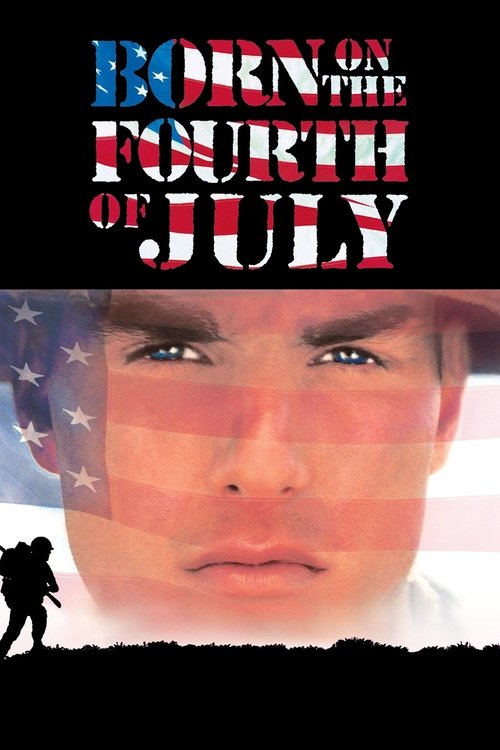
Born on the Fourth of July1989
Tom Cruise plays a wounded, disillusioned Vietnam vet whose homecoming curdles into rage at the country that sent him. Oliver Stone is louder than Wyler, but the core question — what do we owe these men — is identical.
But Stone's style is maximalist and didactic where the original is restrained; it wants to argue with you, not just show you.
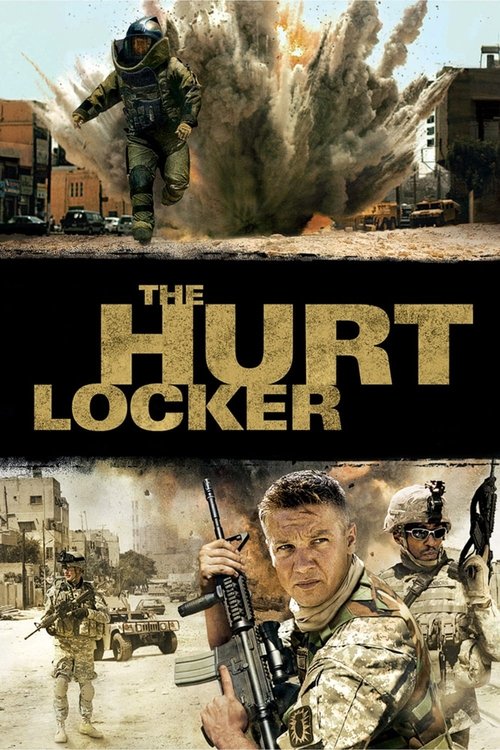
The Hurt Locker2008
Kathryn Bigelow flips the homecoming problem inside out: a bomb disposal expert more comfortable in the war than in his own kitchen. Tense, modern, and quietly devastating about what peace can feel like to a soldier.
But Set almost entirely in Iraq — the return home is barely a coda, not the whole story.
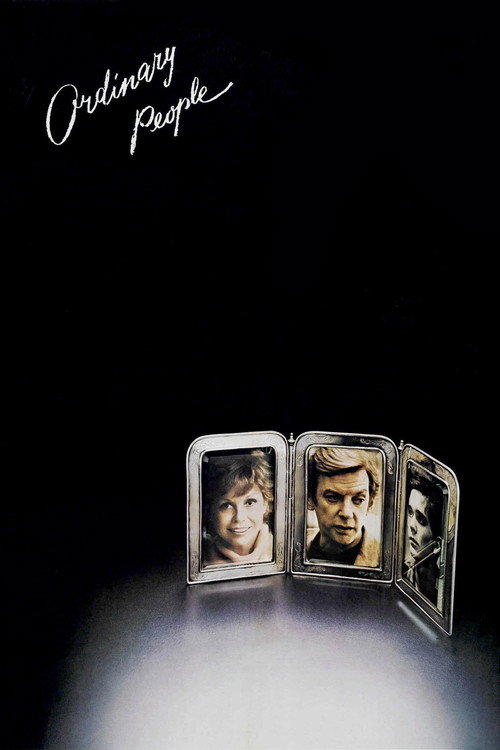
Ordinary People1980
No war here, but the same interest in men who can't say what's actually wrong with them, and families straining to hold shape around a wound nobody will name. Sutherland and Mary Tyler Moore are quietly devastating.
But The trauma is domestic grief, not combat — the connection is emotional, not literal, so don't expect uniforms.
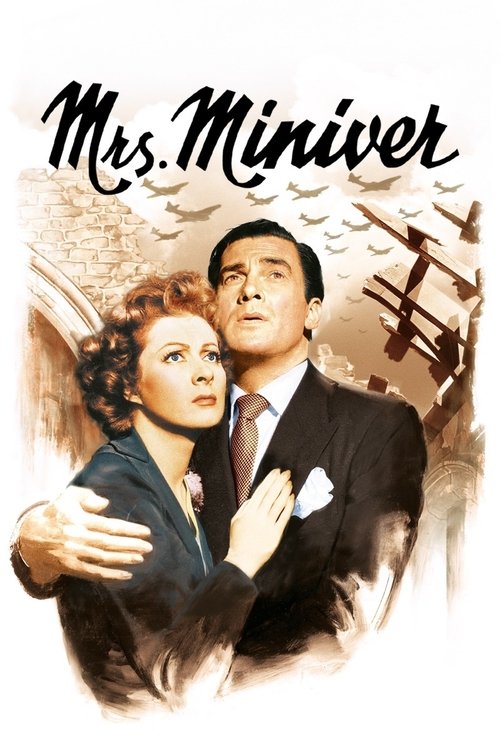
Mrs. Miniver1942
William Wyler's earlier home-front classic, made while the war was still being fought. Same director, same interest in ordinary lives under extraordinary pressure, and the same conviction that dignity is found in small rooms, not battlefields.
But It's propaganda with a purpose — reassuring rather than reckoning, and the ending is far gentler.
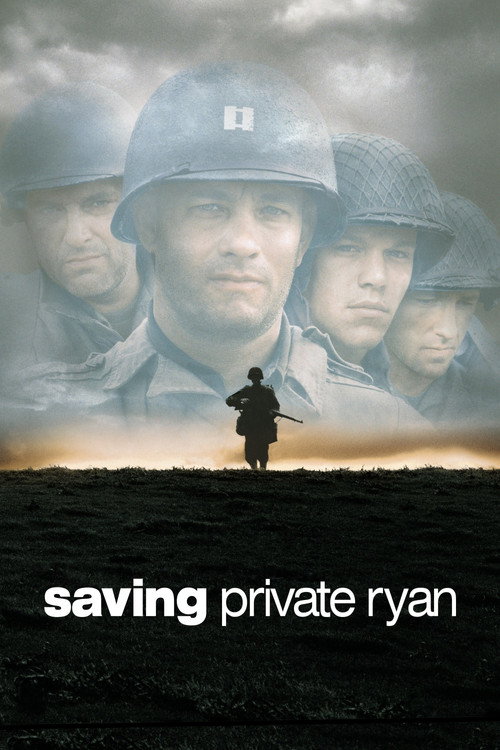
Saving Private Ryan1998
Spielberg's D-Day opening is the combat these veterans are carrying home in their heads. Watching it fills in exactly what the men in Wyler's film can't talk about at the dinner table.
But It's almost entirely battlefield, with none of the reintegration drama that makes the original distinctive.
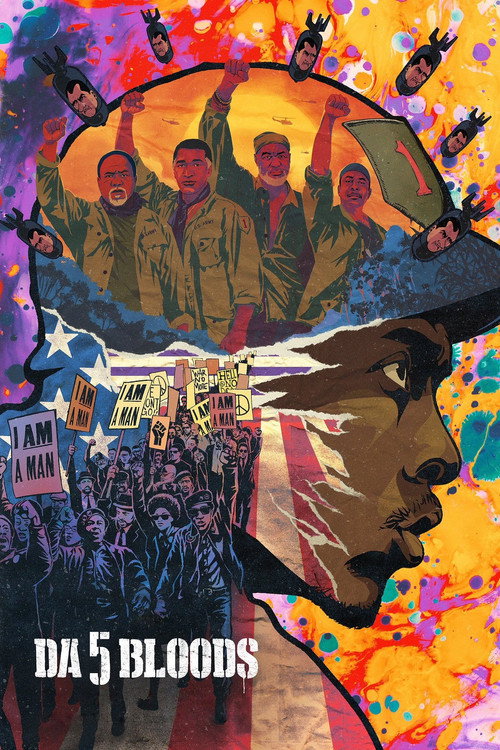
Da 5 Bloods2020
Spike Lee sends four Black Vietnam vets back to the country they fought in, decades later, to confront buried treasure and buried trauma. Angrier and funnier than Wyler's film, but asking the same question about what war leaves behind.
But Genre elements — heist plot, jungle adventure — sit oddly against the grief, and the tone shifts hard partway through.
Where Soldiers Come From2011no page yet
This documentary follows real young men from a small Michigan town through deployment to Afghanistan and back, catching the exact drift — friends who don't fit anymore, families who don't know what to ask — that Wyler dramatized with actors.
No script, no stars, just years of real footage watching kids become soldiers and then try to become themselves again. It's quieter and more devastating for being true.
But Slow, unpolished, and largely without music or narrative shaping — this is observation, not drama.
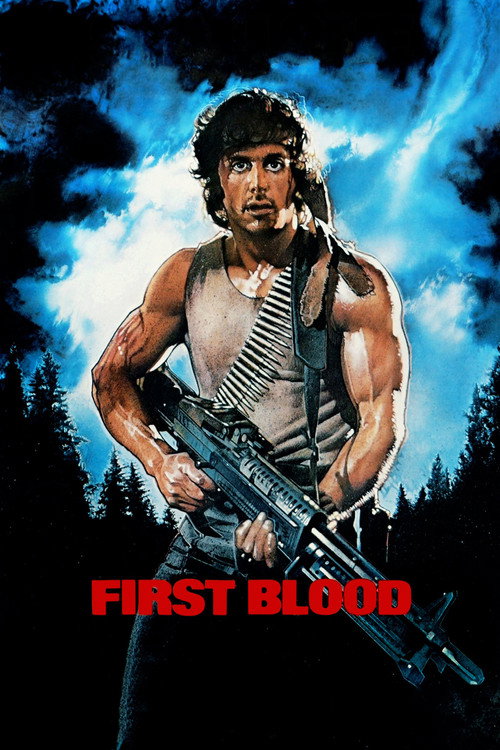
First Blood1982
Strip away the restraint and you get Rambo: the same veteran-can't-come-home story, but turned into an action movie where the alienation explodes into violence instead of quiet despair.
Before the sequels turned him into a one-man army, John Rambo was a broken, isolated Vietnam vet who just wanted to be left alone — and the film is surprisingly sympathetic to that pain.
But It's a genre thriller with shootouts and stunts; the emotional insight is real but comes wrapped in pulp.
People
Cast
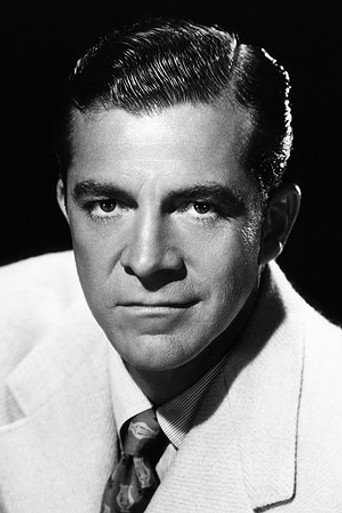 Dana AndrewsFred Derry
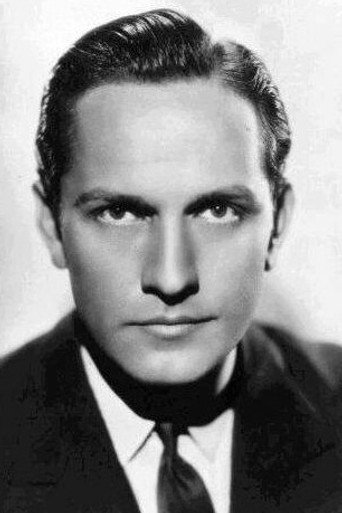 Fredric MarchAl Stephenson
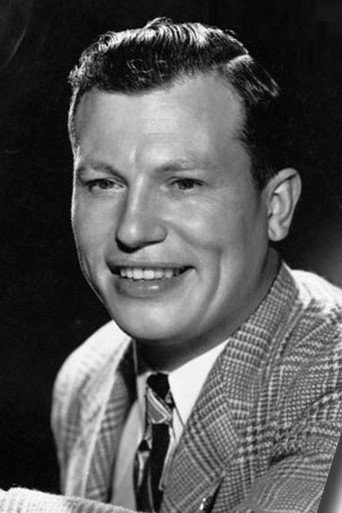 Harold RussellHomer Parrish
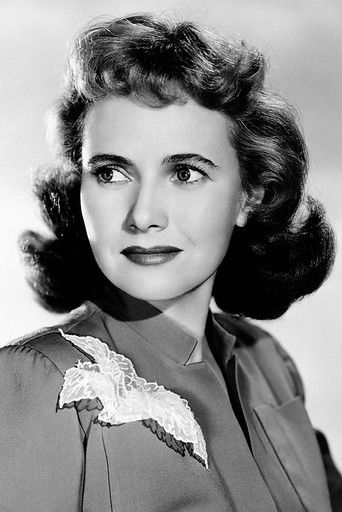 Teresa WrightPeggy Stephenson
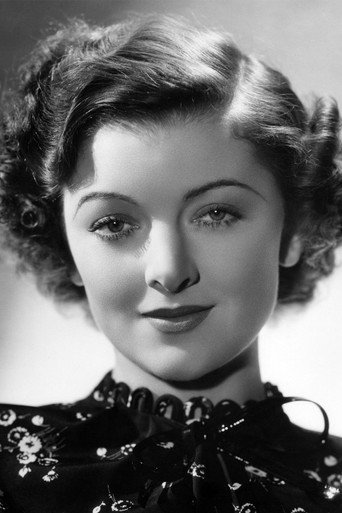 Myrna LoyMilly Stephenson
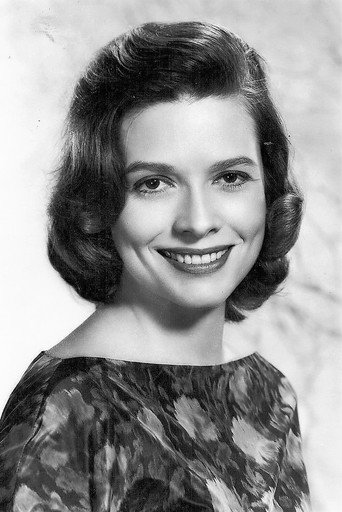 Cathy O'DonnellWilma Cameron
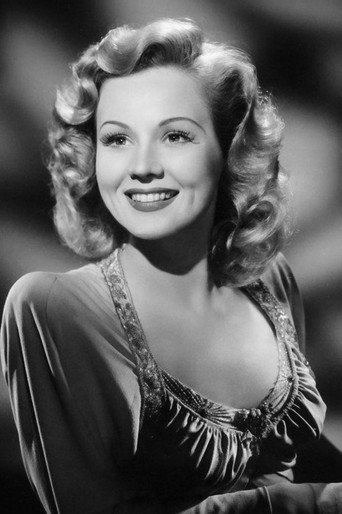 Virginia MayoMarie Derry
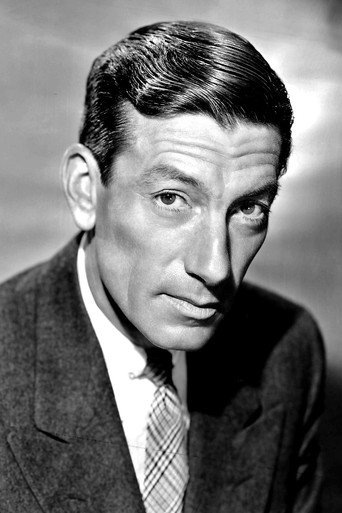 Hoagy CarmichaelButch Engle
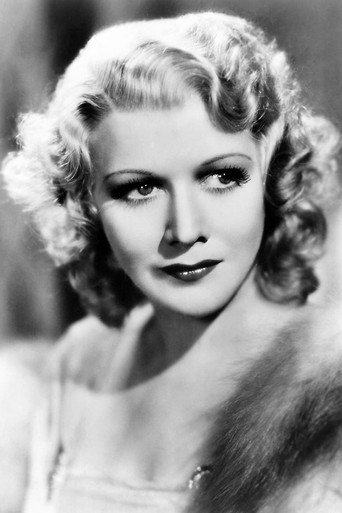 Gladys GeorgeHortense Derry
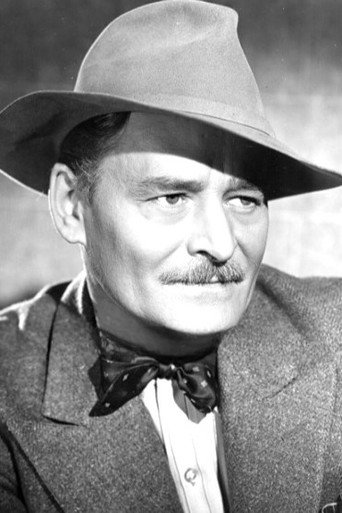 Roman BohnenPat Derry
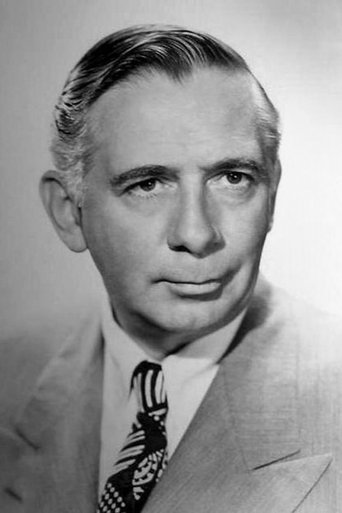 Ray CollinsMr. Milton
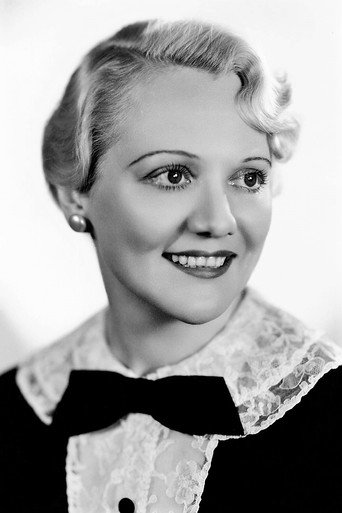 Minna GombellMrs. Parrish
Directing
- Jonathan C. BoyleAssistant Director
- William WylerDirector
Writing
- MacKinlay KantorNovel
- Robert E. SherwoodScreenplay
Production
- Samuel GoldwynProducer
Recommended by
The Theory of Everything, Mudbound, The Deer Hunter, Da 5 Bloods, Mrs. Miniver, Coming Home, American Sniper, White Christmas, Born on the Fourth of July, A Guy Named Joe, Let There Be Light