
Film
Come Back, Little Sheba
A bruising domestic drama about a marriage ground down by disappointment and desire. Burt Lancaster and Shirley Booth are a couple living in genteel poverty, their bond tested when a young woman moves into their home. It's claustrophobic and tender and angry by turns—the kind of film that makes you sit very still.
Should you watch it?
Watch it if you love small, stifling domestic dramas where two performers carry a whole film through close quarters and a slow-building sense of regret.
Skip it if the talk is stagey and the mood airless, so if you want movement or visual flair, its close rooms may feel like a sulk you cannot leave.
What it asks of you: Expect a lean ninety-six minutes that stays in a handful of rooms, with long silences and quiet arguments rather than set pieces, so patience pays off.
Not sure? Find tonight's pick in a minute.
If you liked this
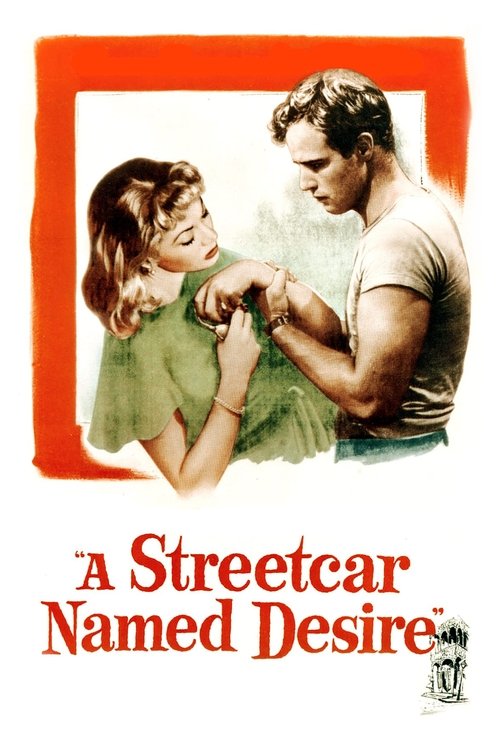
A Streetcar Named Desire1951
Raw, immediate, and structurally similar: desire and class collision in a cramped space, with Marlon Brando delivering one of cinema's molten performances. Tennessee Williams wrote both the play and this film's source material.
But The theatrical intensity can feel overdone if you prefer subtlety. Some find Brando's Method acting more mannered than moving.
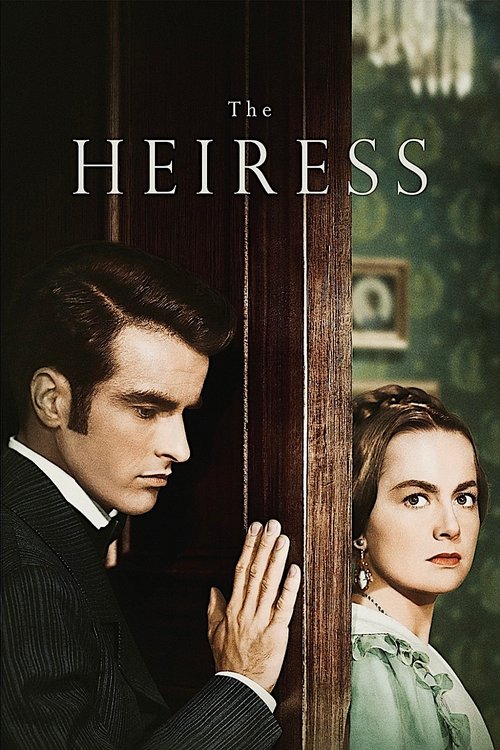
The Heiress1949
Olivia de Havilland and Montgomery Clift in a similarly taut chamber piece about desire, class, and the ways marriage can become a trap. Beautifully composed and quietly devastating.
But The pacing is deliberate and architectural rather than propulsive. Patience required.
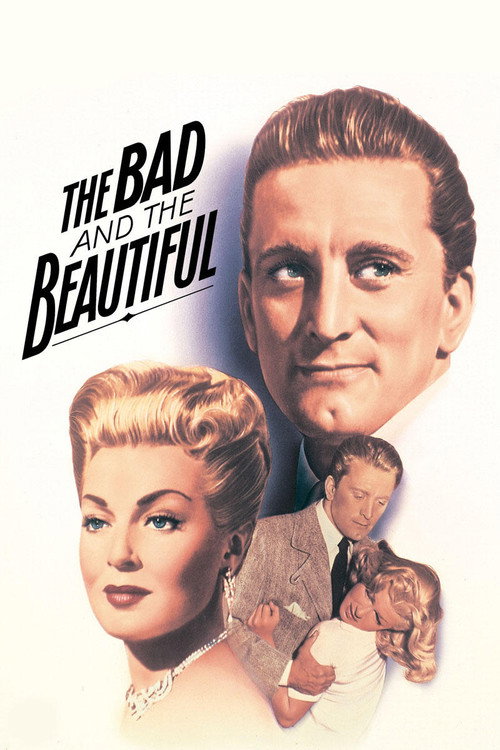
The Bad and the Beautiful1952
Circling jealousy and desire in close quarters, with Kirk Douglas as a magnetic, troubling figure. Glossier than Sheba but built on the same combustible materials—ambition, attraction, resentment.
But More Hollywood melodrama than naturalism. The gloss can feel at odds with the grimmer emotions underneath.
Not sure tonight? Get a pick in a minute, starting from Come Back, Little Sheba
The wildcard
Something you would not have found on your own.
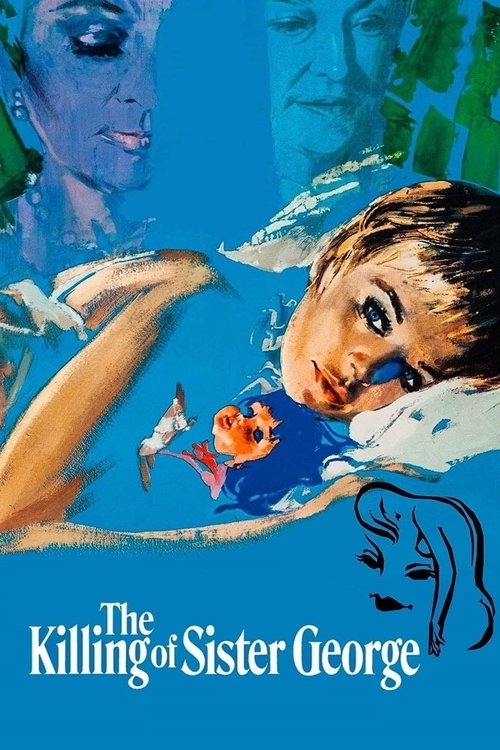
The Killing of Sister George1968
Both center a marriage corroded by external pressure and internal desire, each partner watching the other change into a stranger. But where Sheba is heterosexual and working-class, George inverts both registers.
A woman's television career collapses; her partner watches her spiral. That same marriage under siege, but inverted—a woman's desire, a woman's rage, a woman's descent. Audrey Hepburn in the most courageous role of her career.
But The lesbian relationship was genuinely scandalous in 1968. Some find the film's sensationalism off-putting; others feel it's still constrained by the era's shame.
More like this (7)
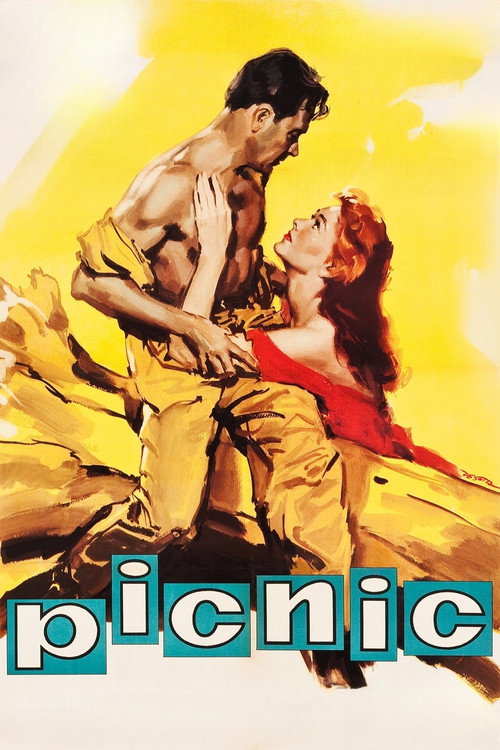
Picnic1955
William Holden arrives in a small Kansas town and upends a community's careful arrangements. That same heat and disruption, the way one attractive person can expose what's been simmering beneath the surface.
But Shifts tone somewhat—more romance and spectacle than Sheba's intimate despair. The ending is more forgiving.
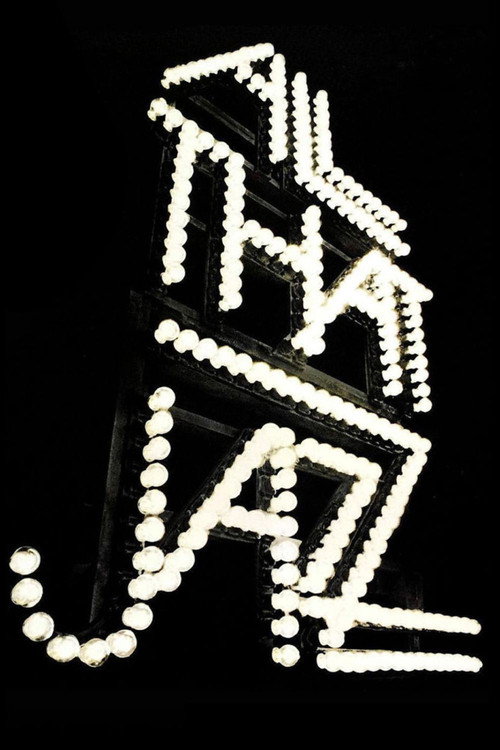
All That Jazz1979
Bob Fosse's corrosive self-portrait about marriage collapsing under the weight of ego and infidelity. If Sheba is about quiet suffocation, this is the same marriage played as a fever dream by someone going mad.
But Experimental, fractured structure. The autobiographical rawness will feel indulgent to some viewers.
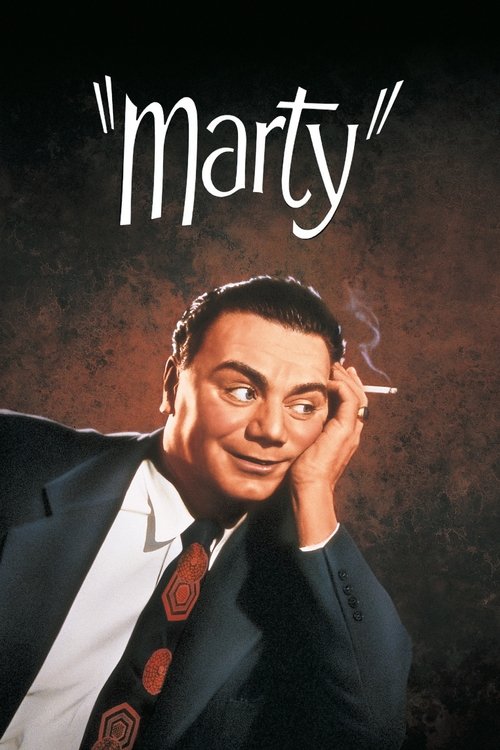
Marty1955
Similarly calibrated around everyday disappointment and the small hopes people cling to. Ernest Borgnine finds dignity and loneliness in a butcher's life. Intimate without being intimate.
But Can read as sentimental by contemporary standards. The sentimentality is genuine, which some will find mawkish.
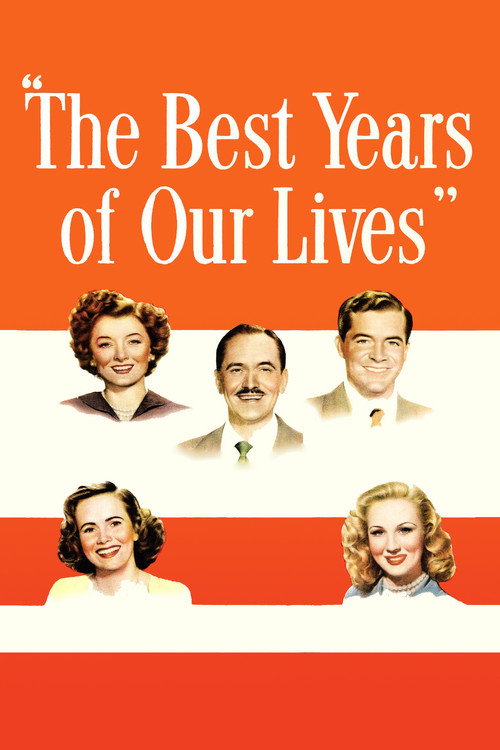
The Best Years of Our Lives1946
Three men return from war to find their marriages and lives transformed by absence and time. That same geological shift—the way people who thought they knew each other become strangers.
But Nearly four hours long. The sprawl can diffuse focus, and not every marriage storyline lands equally.
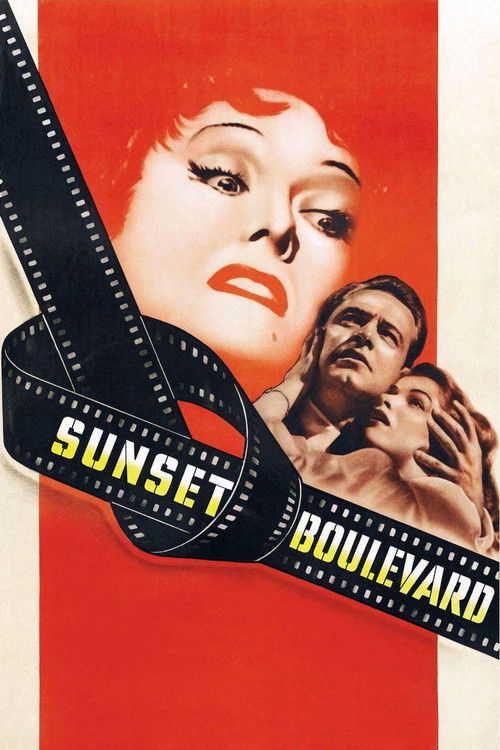
Sunset Boulevard1950
William Holden and Gloria Swanson trapped in a toxic, parasitic relationship in a decaying mansion. The marriage-that-was-never-really-one, with all of Sheba's deterioration compressed into nightmare.
But Heavily stylized noir atmosphere. The artifice is the point, but it puts some distance between you and the emotional core.
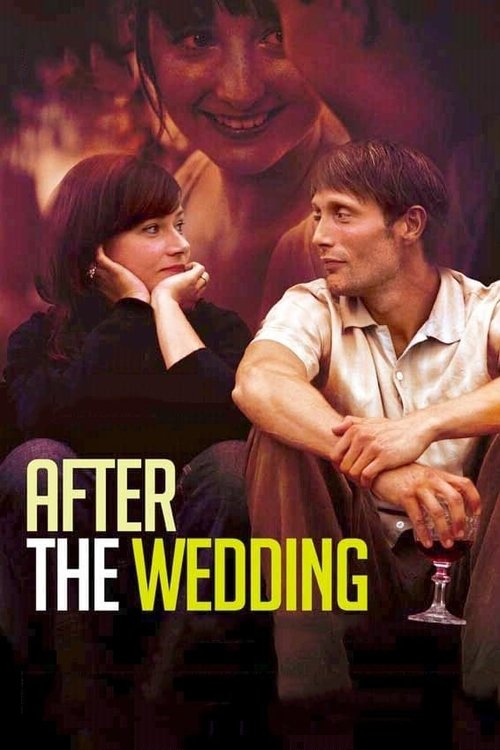
After the Wedding2006
Both explore what happens when someone outside the marriage sees it clearly for the first time—and how that outside eye forces the couple to see themselves. But one is realist American drama, the other Nordic chamber piece.
Mads Mikkelsen returns from humanitarian work to discover his mentor's life is built on lies and desire. Pale, elegant, devastating. A marriage that wasn't what anyone thought it was. Susanne Bier builds the revelation slowly enough that you feel the betrayal as physics.
But Subtitled; Danish. The precision can feel cold. Some viewers want warmer emotional catharsis.
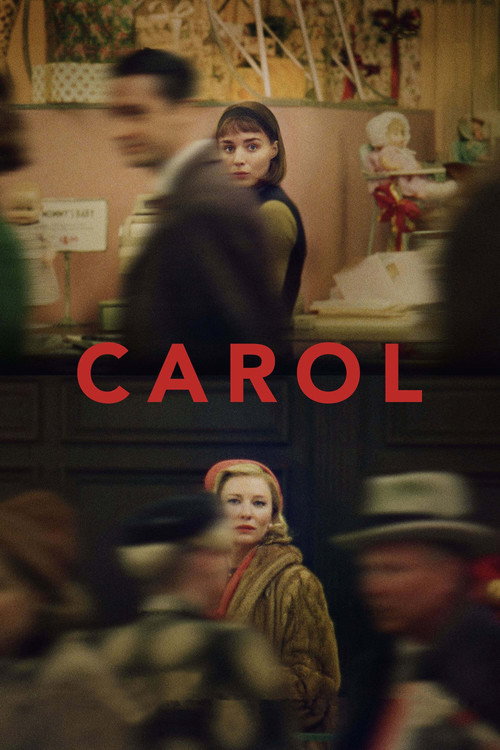
Carol2015
Both examine desire arriving in a marriage and the way an outsider can expose what's been unsaid. Carol renders that collision as longing; Sheba renders it as damage. Same emotional engine, entirely different destinations.
Cate Blanchett and Rooney Mara trace the impossible desire between two women across 1950s America. Todd Haynes made something achingly beautiful and quietly subversive—the film Sheba might have wanted to be if its era had allowed it.
But Slow-burn romantic rather than domestic tragedy. Some find Haynes' visual precision more interested in surfaces than in people.
People
Cast
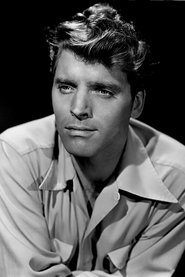 Burt LancasterDoc Delaney
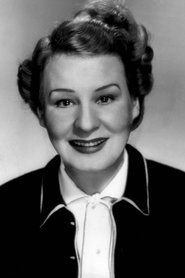 Shirley BoothLola Delaney
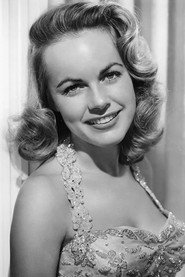 Terry MooreMarie Buckholder
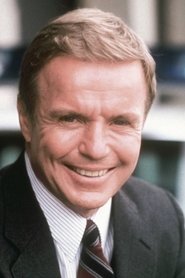 Richard JaeckelTurk Fisher
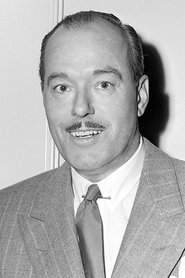 Philip OberEd Anderson
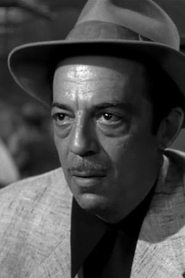 Edwin MaxElmo Huston
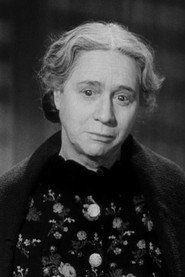 Lisa GolmMrs. Coffman
- Walter KelleyBruce Cunningham
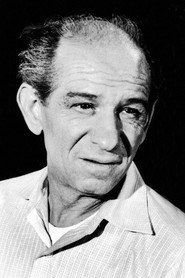 Ned GlassMan at AA Meeting (uncredited)
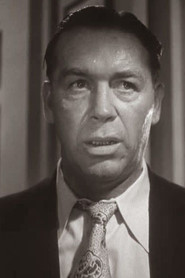 William HaadeHospital Intern (uncredited)
- Virginia HallBlonde in Restaurant (uncredited)
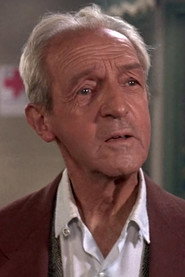 Anthony JochimMr. Cruthers (uncredited)
Directing
- Richard McWhorterAssistant Director
- Daniel MannDirector
Writing
- Ketti FringsScreenplay
- William IngeTheatre Play
Production
- Hal B. WallisProducer
Recommended by
The Great Santini, Tender Mercies, Days of Wine and Roses, The Champ, Requiem for a Heavyweight, The Champ, Georgia, The Catered Affair, The Rose Tattoo, Susan Slade, Bus Stop, Courage of Lassie, Johnny Belinda, Street Scene, The Mark, Strangers When We Meet, I'll Cry Tomorrow, The Country Girl, Brothers, Happy New Year, Studs Lonigan, Winged Victory, Mannequin, The Neon Bible, A Hatful of Rain, Sweet Hunters, Edward, My Son, Perfect Strangers, The Best Little Girl in the World