
Film
Mannequin
Other titles called Mannequin: the 1987 film.
A 1938 romantic drama about a working-class woman who claws her way toward a better life, only to discover that marriage to the wrong man traps her just as surely as poverty. Joan Crawford commands the screen with intelligence and steel. It's economical filmmaking—intimate, direct, and deeply felt without sentiment.
If you liked this
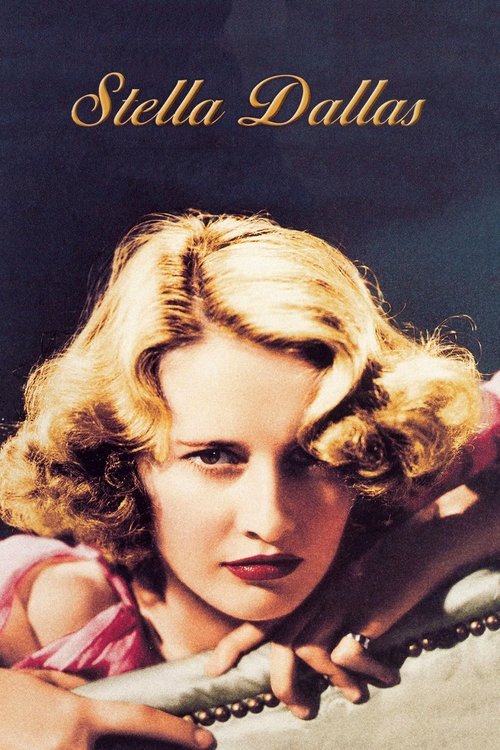
Stella Dallas1937
A mother sacrifices everything for her daughter's social advancement, only to watch her daughter reject her. Like Mannequin, it's a fierce exploration of class, ambition, and the costs women pay. Bette Davis is magnificent.
But Melodrama, and unapologetically so. The self-abnegation can feel punishing to watch, and the ending asks a lot of your patience.
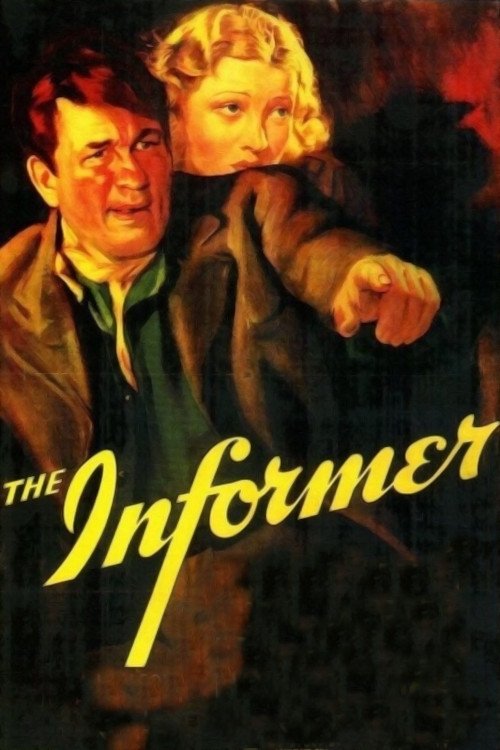
The Informer1935
John Ford's atmospheric Irish drama about betrayal and consequence. It shares Mannequin's interest in moral choices made under pressure, and its visual style is utterly absorbing—all shadow and rain.
But Very much a product of its era. The Irish dialogue can be hard to parse, and the pacing feels deliberate in ways modern audiences sometimes find slow.
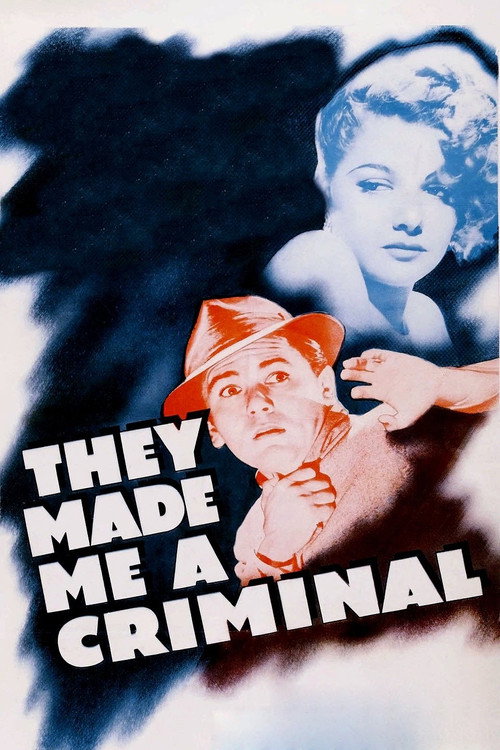
They Made Me a Criminal1939
John Garfield as a boxer trying to escape his circumstances. It has the same DNA as Mannequin: a talented person from nothing, trying to claw upward, discovering that escape isn't as simple as finding one good person.
But The boxing sequences are dated, and the plot occasionally veers into sentimentality that undercuts its own toughness.
Not sure tonight? Get a pick in a minute, starting from Mannequin
The wildcard
Something you would not have found on your own.
In a Lonely Place1950
Both films center on a woman's clear-eyed recognition that her romantic choice has trapped rather than freed her, but Lonely Place refuses to soften the implications or offer redemption.
Humphrey Bogart as a man nobody should trust, and Gloria Grahame as a woman who falls for him anyway. It has Mannequin's structure—the hope that love will redeem your circumstances, the discovery that it won't—but filters it through noir moral ambiguity and genuine darkness. Grahame's performance is as alive and complicated as Crawford's.
But It's not kind to either character, and it's not kind to the idea of love fixing things. The cynicism can feel crushing rather than clarifying.

More like this (8)
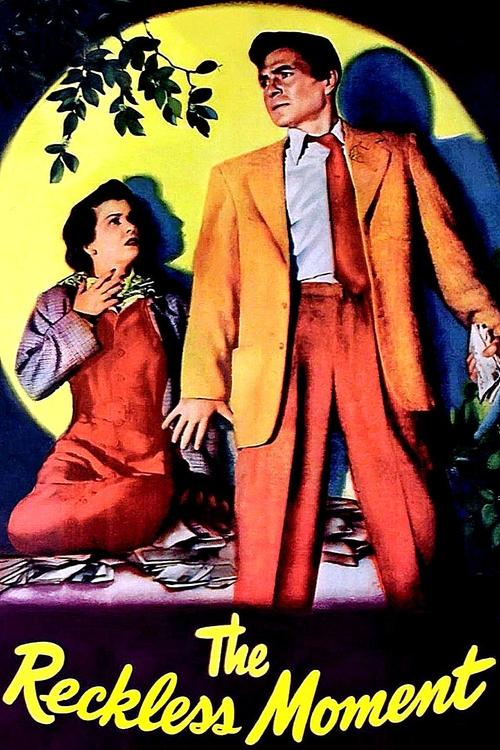
The Reckless Moment1949
Ophüls' chamber drama about a woman protecting her daughter by making a devastating compromise. Like Mannequin, it's a study of feminine agency constrained by circumstance, with an unforgettable performance at its heart.
But It's more baroque than Mannequin—more style, less directness. If you want plainness, this will feel overwrought.
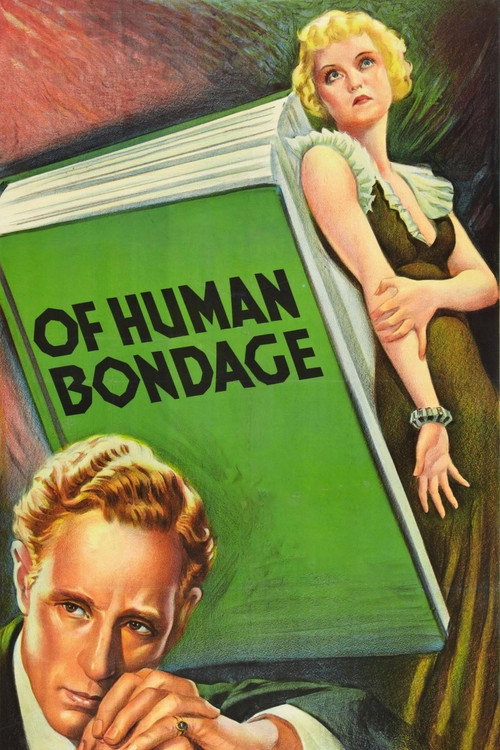
Of Human Bondage1934
Bette Davis as the waitress who destroys a man through no malice of her own. Both films are about the collision between ambition and desire, and both feature women who refuse to perform gratitude for scraps.
But The male perspective dominates the narrative. Davis is the catalyst, not the protagonist, which can feel limiting by modern standards.
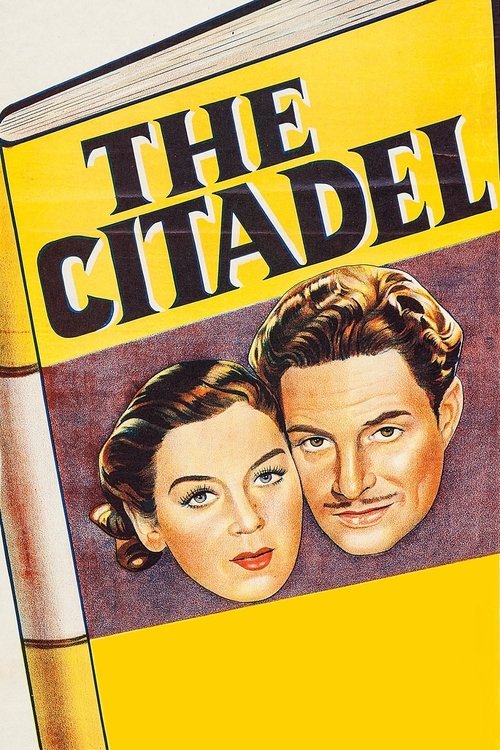
The Citadel1938
Released the same year as Mannequin, it's about a doctor choosing between integrity and advancement. It has the same moral clarity about what success actually costs, and the same refusal to make the choice easy.
But More of a social problem picture than a character study. If you're there for emotional intensity, you might find it schematic.
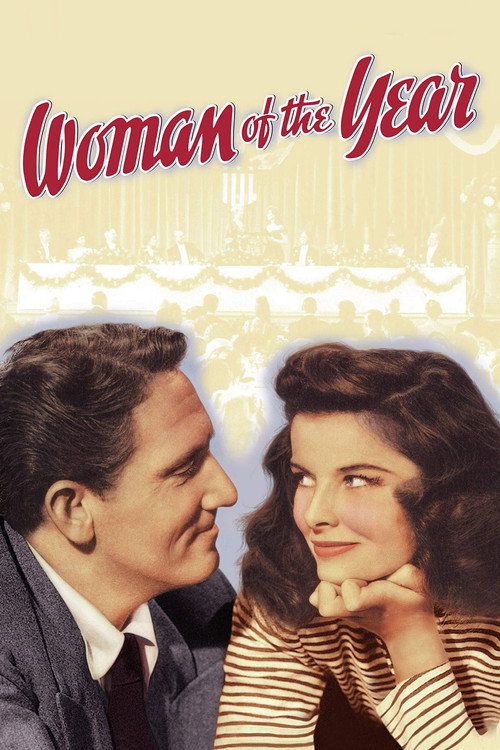
Woman of the Year1942
Katharine Hepburn and Spencer Tracy (who's in Mannequin) spar over ambition, marriage, and identity. It's brighter and funnier than Mannequin, but asks the same question: what does a woman sacrifice when she says yes?
But The ending pulls its punches in ways Mannequin never does. If you want genuine moral complexity, this might feel too neat.
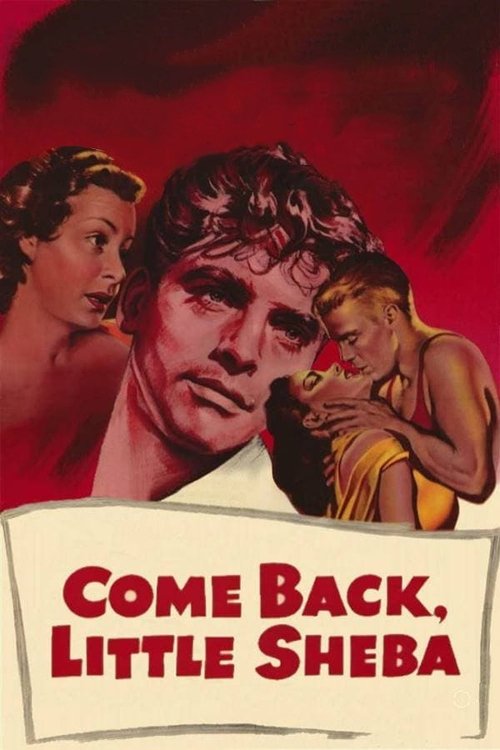
Come Back, Little Sheba1953
Shirley Booth as a housewife trapped in a marriage to a man who's already failed her. It has the same claustrophobic intimacy as Mannequin, the same sense that some cages are made of compromise rather than bars.
But Relentlessly bleak and airless. The sexual frustration is the whole point, which some find vital and others find grinding.
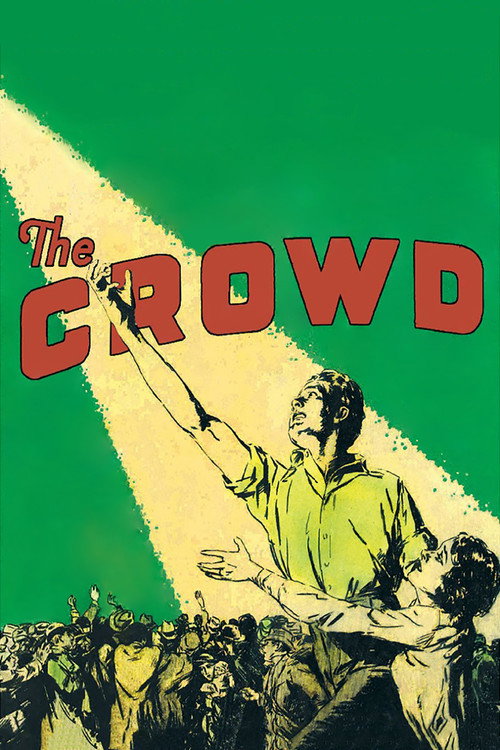
The Crowd1928
King Vidor's silent masterpiece about ordinary people grinding through ordinary lives. It's the DNA of everything Mannequin is doing—the poetry in disappointment, the tragedy in small choices.
But Silent film, and it requires patience with a different grammar of storytelling. The pacing and emotional register feel distant from modern cinema.
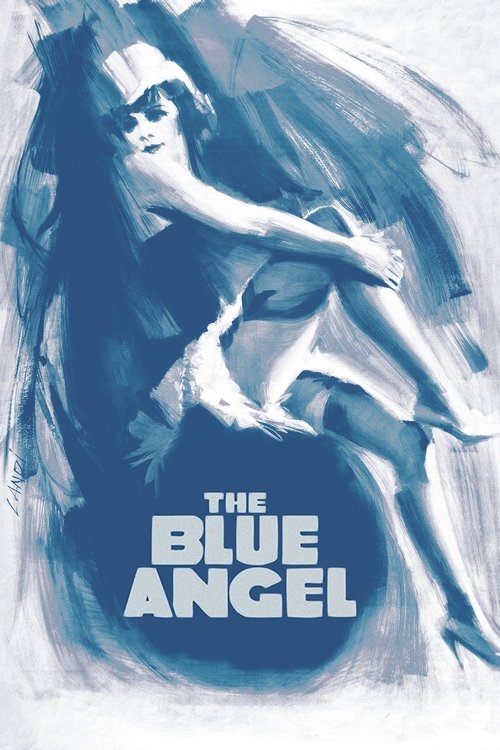
The Blue Angel1930
Both films understand that crossing class lines through romance is a transaction, not salvation, but The Blue Angel punishes the woman for the man's weakness.
Marlene Dietrich as a cabaret singer who destroys a respectable man through his desire for her. It's Mannequin's shadow-self: the same collision between class and desire, but told from the man's perspective, and far more nihilistic. Dietrich is mesmerizing and merciless.
But It's a German film from 1930, and the English dubbing is rough. More importantly, it treats female sexuality as inherently destructive—a perspective that feels not just dated but actively hostile.
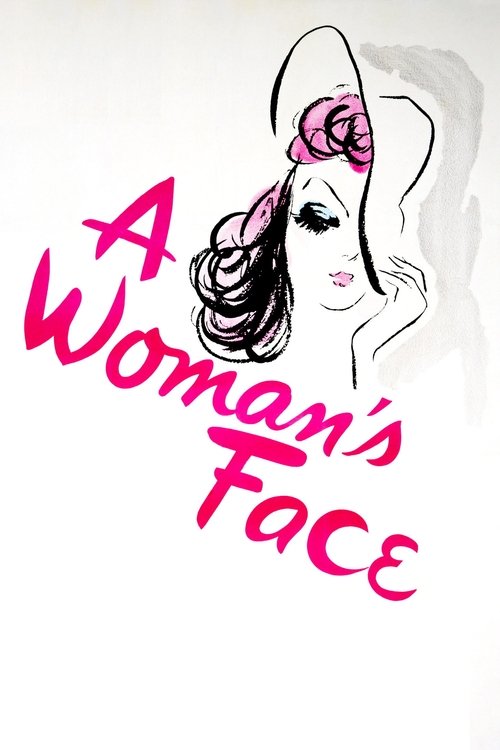
A Woman's Face1941
Crawford examining the same delusion in a different key: that changing your circumstances (here through beauty) will give you a different life, when the problem was never the circumstances.
Joan Crawford again, this time as a scarred woman who undergoes cosmetic surgery and discovers that a new face doesn't change anything that matters. It's Mannequin's theme—the false promise that external change will rescue your life—transformed into psychological thriller. Crawford is extraordinary, and the twist is genuinely earned.
But The surgery plot device feels contrived by modern standards, and the psychoanalytic framework is dated. The film also gets a bit silly in the final act.
People
Cast
 Joan CrawfordJessie Cassidy
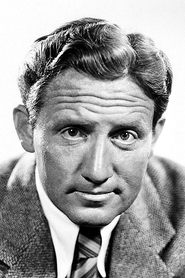 Spencer TracyJohn Hennessey
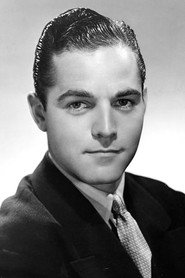 Alan CurtisEddie Miller
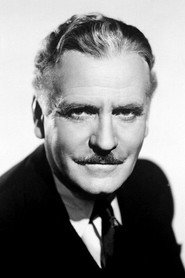 Ralph MorganBriggs
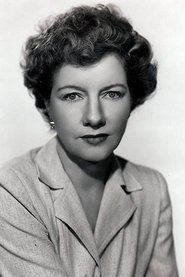 Mary PhilipsBeryl Lee (as Mary Phillips)
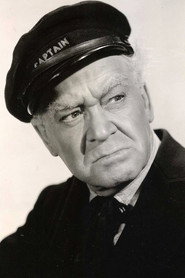 Oscar O'Shea'Pa' Cassidy
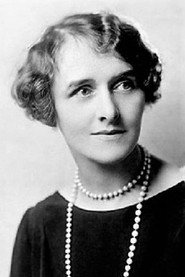 Elisabeth RisdonMrs. Cassidy (as Elizabeth Risdon)
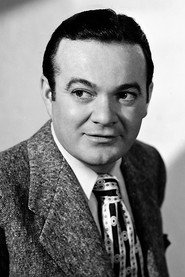 Leo GorceyClifford Cassidy
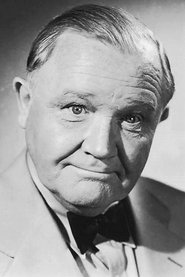 Wade BotelerTurnkey (Uncredited)
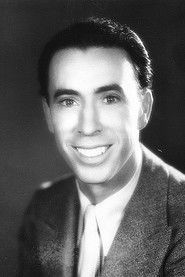 George Chandler'Swing' Magoo (Uncredited)
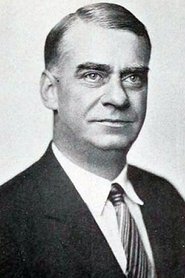 Jules CowlesDerelict on Train (Uncredited)
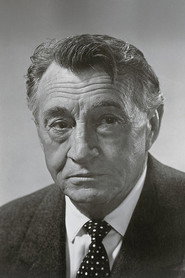 Paul FixSmooch Hanrahan (Uncredited)
Directing
- Lew BorzageAssistant Director
- Frank BorzageDirector
Writing
- Frank BorzageScreenplay
- Lawrence HazardScreenplay
- Katharine BrushStory
Production
- Frank BorzageProducer
- Joseph L. MankiewiczProducer