
Film
The Informer
Other titles called The Informer: the 2019 film.
A 1935 Irish noir about betrayal, guilt, and the price of survival. Victor McLaglen's Gypo Nolan informs on his best friend for reward money to escape Dublin, then spirals through remorse and paranoia. Visually inventive, morally pitiless—less interested in judgment than in watching a man come apart.
Should you watch it?
Watch it if you are drawn to stories of one man's inner torment, where the fog-choked atmosphere and shadowy staging carry as much weight as the plot.
Skip it if you want quick plotting or light relief, since its stagey dialogue and deliberate pace can feel heavy and talky even at 91 minutes.
What it asks of you: Ninety-one minutes, mostly interior and close-quarters, with long stretches of murky lamplit talk and rising dread that reward patient, watchful viewing.
Not sure? Find tonight's pick in a minute.
If you liked this
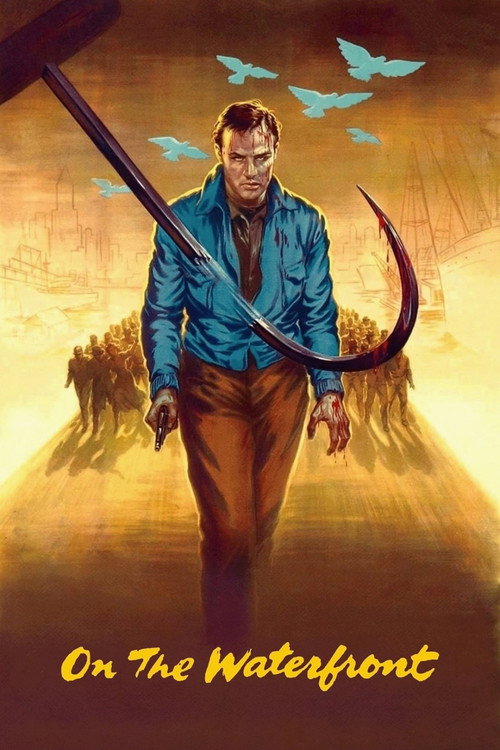
On the Waterfront1954
Marlon Brando as a dock worker who rats on union criminals, wrestling with conscience and the code he violated. Same moral core: betrayal justified by circumstance, pursued relentlessly by consequences.
But The boxing and waterfront setting feel dated, and Brando's mumbling naturalism requires patience if you're expecting crisp dialogue.
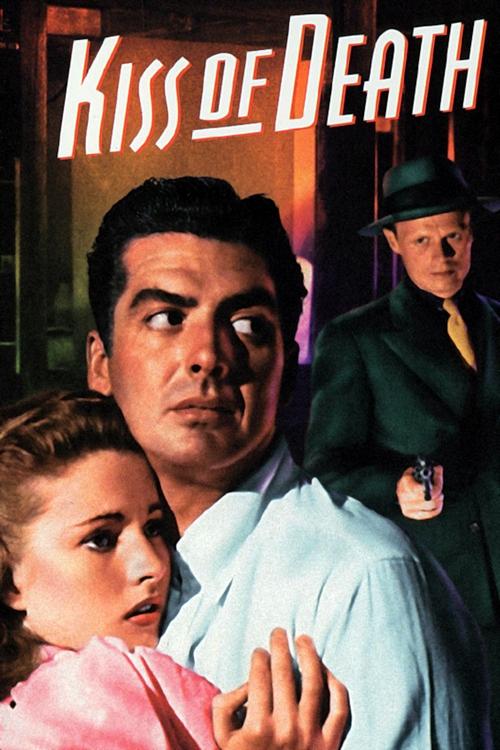
Kiss of Death1947
Victor Mature as a small-time criminal turned informant in New York, hunted by associates for his betrayal. Noir cruelty without sentimentality; the paranoia and violence match The Informer's grim momentum.
But The 1940s thriller pace is deliberate, not propulsive, and some supporting performances veer toward melodrama.
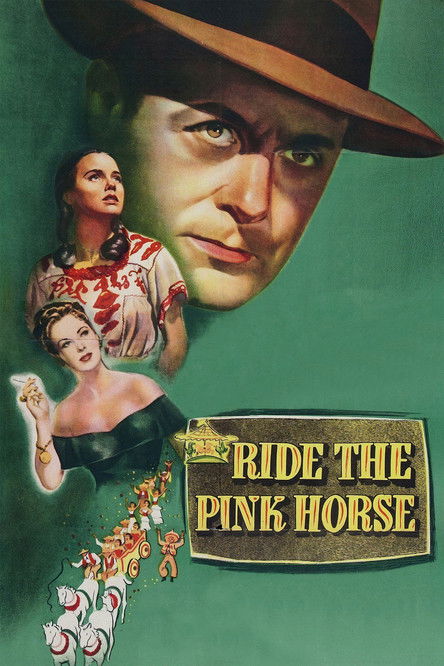
Ride the Pink Horse1947
Robert Montgomery in a Southwestern noir about desperation and the men hunting him. Same claustrophobic feeling of being trapped by your own choices, with excellent character detail in a small setting.
But It's lesser-known for a reason—less stylish than the great noirs, and the plot turns on contrivance more than inevitability.
Not sure tonight? Get a pick in a minute, starting from The Informer
The wildcard
Something you would not have found on your own.
Bicycle Thieves1948
Both use a small, personal betrayal to examine larger questions about survival, dignity, and the systems that force impossible choices. The Informer is a man undone by guilt; Bicycle Thieves asks whether guilt is even possible when hunger is your master.
Italian neorealism at its peak: a man desperate enough to steal, then watches his own son's moral test. Same blend of economic desperation and moral anatomy, but tenderer and more human.
But It's black-and-white, non-professional actors, subtitled, and the pace is contemplative rather than suspenseful.

More like this (8)
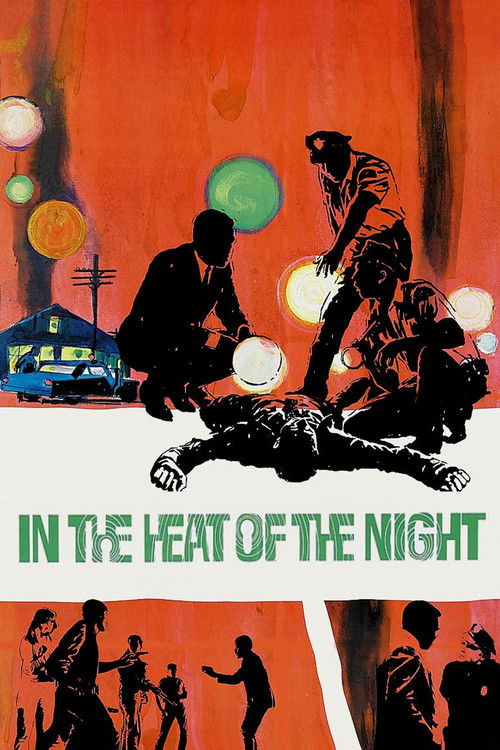
In the Heat of the Night1967
Sidney Poitier and Rod Steiger in a tense racial thriller where information and betrayal are currency. The moral complexity and character study matter more than the mystery.
But It's become a prestige touchstone that can feel heavy-handed on first viewing, especially if you know the beats.
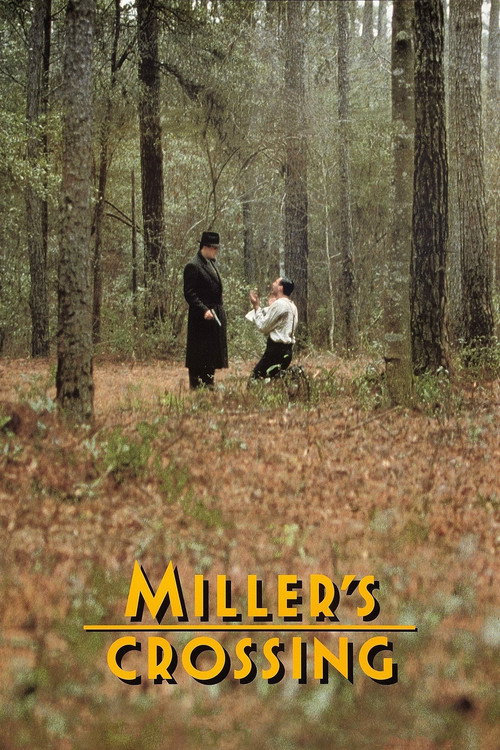
Miller's Crossing1990
Coen brothers gangster film about loyalty, double-crossing, and the men caught between warring factions. The dialogue sings, the violence stings, and the desperation is real.
But It's playful in a way The Informer is not, and the stylization can feel distant if you want to feel what the characters feel.
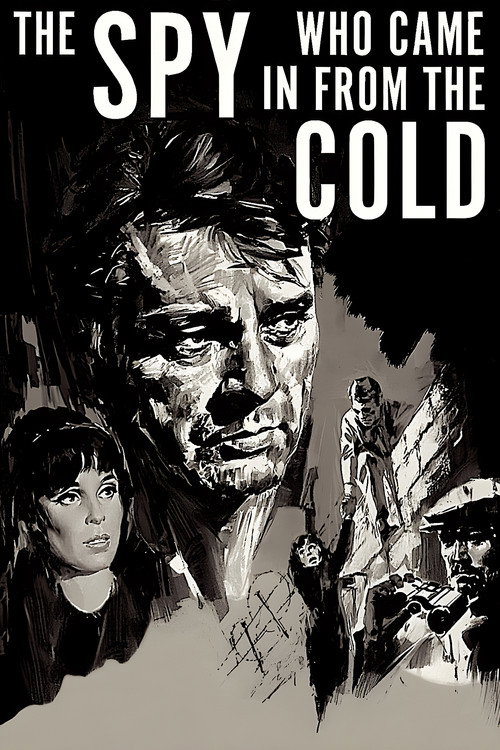
The Spy Who Came In from the Cold1965
Richard Burton as a burnt-out Cold War informant. Lean, intelligent, morally queasy—it treats espionage as moral exhaustion, not excitement.
But Slow and deliberately gray. There's no action to speak of, and the ending is deliberately anti-climactic in a way some find depressing rather than powerful.
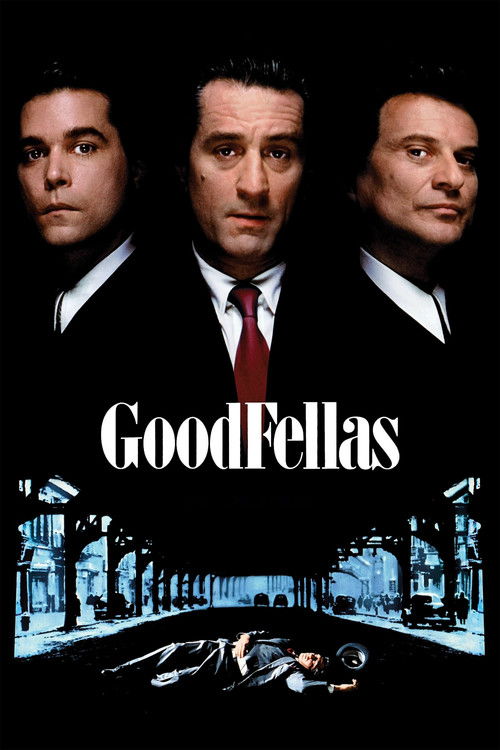
GoodFellas1990
Henry Hill's rise and fall in organized crime, built on a similar tension: you survive by informing, but survival itself becomes impossible. Kinetic and brutal.
But It's nearly three and a half hours, it's extremely violent, and the cocaine-fueled third act is intentionally chaotic and exhausting.
The Killers1946
Burt Lancaster and Robert Siodmak's visual invention about a man marked for death. The guilt and inevitability echo Gypo's spiraling fate.
But The plot is less important than the mood, so if you need narrative momentum, it feels distant and fragmented.

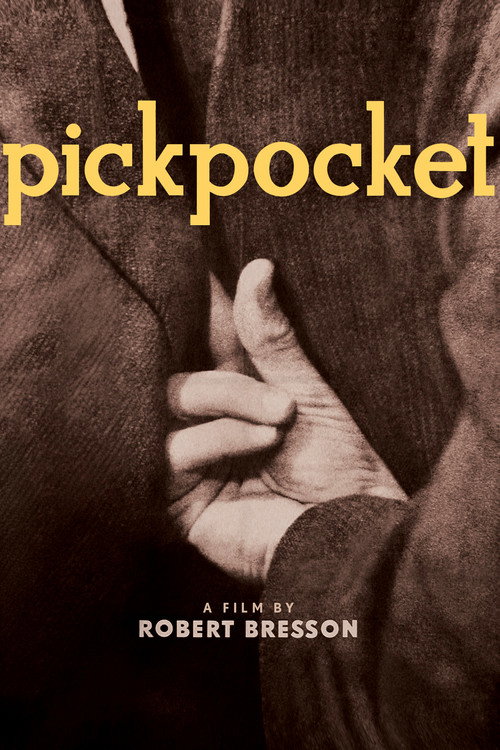
Pickpocket1959
Robert Bresson's quiet masterpiece about a thief and the guilt that follows transgression. Spiritually aligned with The Informer: watching someone betray their code and live inside that wound.
But It's austere to the point of coldness, with minimal music, understated acting, and no dramatic catharsis—only acceptance.
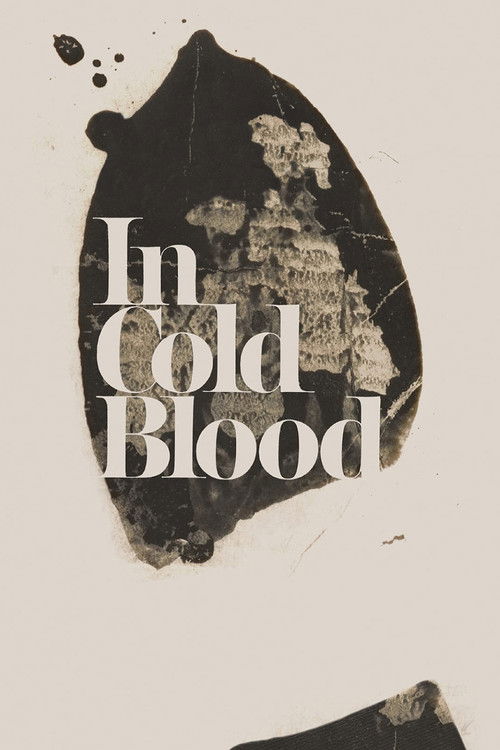
In Cold Blood1967
Both treat crime not as plot but as psychology. The Informer watches a man betray; In Cold Blood watches a man confess and be executed. Both are interested in what happens to the soul when you know what you've done.
Richard Brooks's adaptation of Capote's true-crime novel, following the criminals and their investigators with equal weight. Methodical, moral, suffocating—the paranoia is real because the crime is real.
But It's grim without being entertaining, and it asks you to understand the killers' logic without forgiving them, which is uncomfortable work.
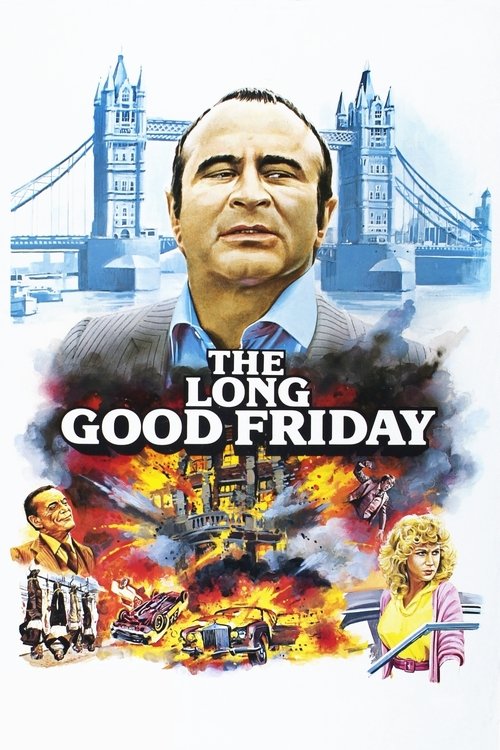
The Long Good Friday1980
Both are about the moment the machinery of loyalty fails. The Informer is told from the betrayer's perspective; The Long Good Friday is told from the betrayed man's perspective. Together they make a complete moral anatomy of what happens when information becomes the weapon that destroys you.
Bob Hoskins as a London gangster trying to figure out who's betrayed him. It's a thriller, yes, but it's really about trust, information as currency, and the violence that erupts when the network breaks.
But The accents are heavy, the violence is sudden and graphic, and the ending leaves questions deliberately unanswered, which infuriates some viewers.
People
Cast
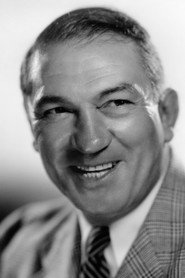 Victor McLaglenGypo Nolan
 Heather AngelMary McPhillip
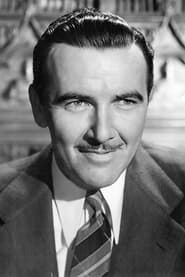 Preston FosterDan Gallagher
 Margot GrahameKatie Madden
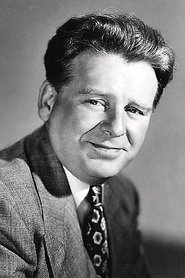 Wallace FordFrankie McPhillip
 Una O'ConnorMrs. McPhillip
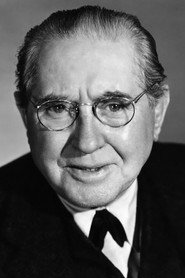 J.M. KerriganTerry
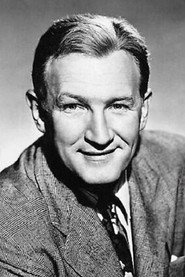 Joe SawyerBartly Mulholland
- Neil FitzgeraldTommy Connor
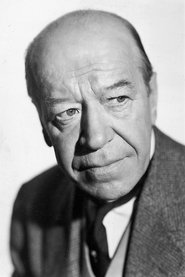 Donald MeekPeter Mulligan
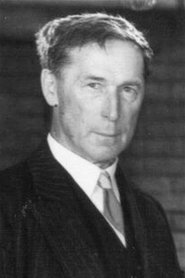 D'Arcy CorriganThe Blind Man
- Leo McCabeDonahue
Directing
- John FordDirector
- Edward DonahueFirst Assistant Director
- Edward O'FearnaSecond Assistant Director
Writing
- Liam O'FlahertyOriginal Story
- Dudley NicholsScreenplay
Production
- Cliff ReidAssociate Producer
- John FordProducer
- Elizabeth McGaffeyResearcher
Recommended by
Billy Budd, The Angry Silence, Odd Man Out, City Girl, Young Tom Edison, San Francisco, The Rains Came, The Molly Maguires, Mannequin, The Prisoner of Shark Island, The Gentle Gunman, Min and Bill, Letters from Marusia, Waterloo Bridge, In Old California, The Blood Ship, The Bowery, Spawn of the North