
Film
In the Heat of the Night
A murder investigation in a sweltering Mississippi backwater becomes a slow-burn duel between two men who despise the assumptions each makes about the other. Sidney Poitier's icy competence against Rod Steiger's sweating obstinacy carries the whole picture — less whodunit than a study of contempt curdling into grudging respect. Tense, humid, and quietly furious, it's essential 1960s American cinema.
If you liked this
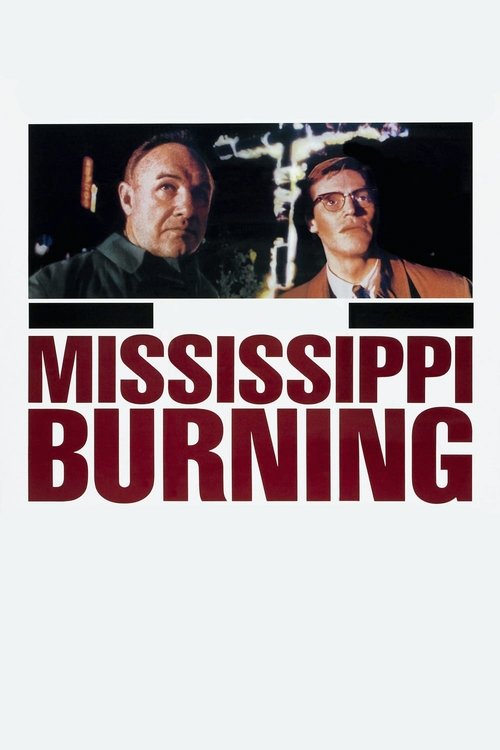
Mississippi Burning1988
Two FBI agents investigate the murder of civil rights workers in a Mississippi town that closes ranks against them, matching Heat's fury with more explicit, brutal violence and a colder view of institutional racism.
But It's been criticised for centering white saviors in a story about Black suffering, and the violence is considerably harsher.
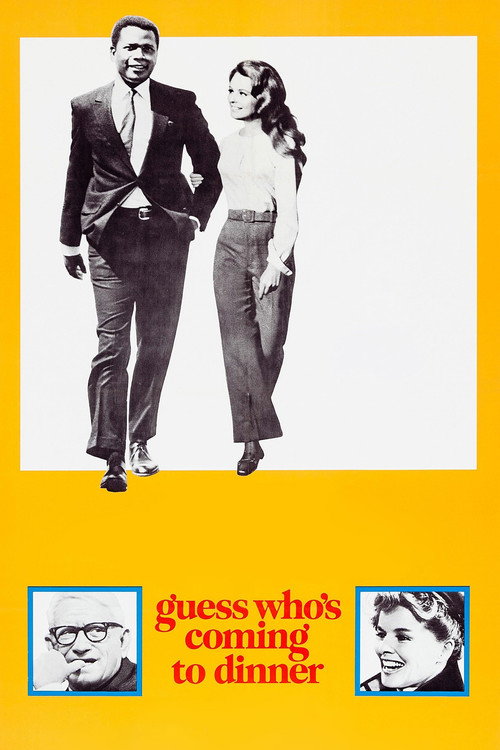
Guess Who's Coming to Dinner1967
Poitier again, same year, playing a different kind of pressure: a Black doctor meeting his white fiancée's liberal parents, testing exactly how liberal they really are. Warmer and talkier, cut from the same moral cloth.
But It's stagey and speechy by design, and its politeness can feel dated next to Heat's sweat and menace.
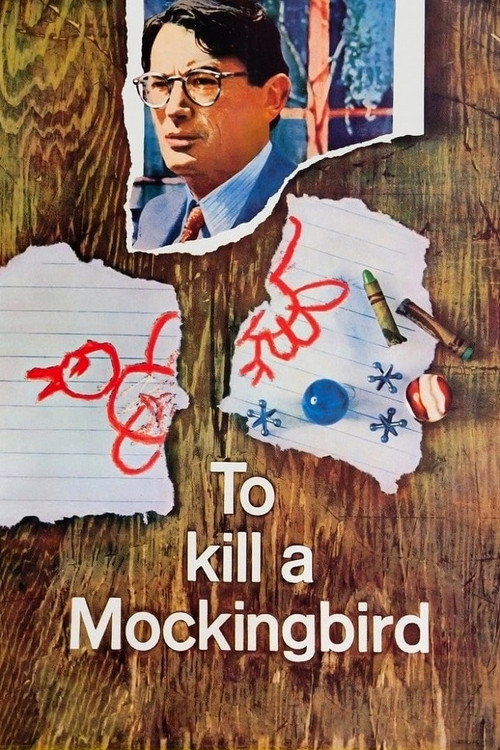
To Kill a Mockingbird1962
The Southern courtroom drama that set the template — a principled outsider defends a Black man against a town's presumption of guilt. Gregory Peck's calm decency is the flip side of Steiger's grudging conversion.
But It views racism largely through a white protagonist's eyes, which some now find a limiting angle on the subject.
The wildcard
Something you would not have found on your own.
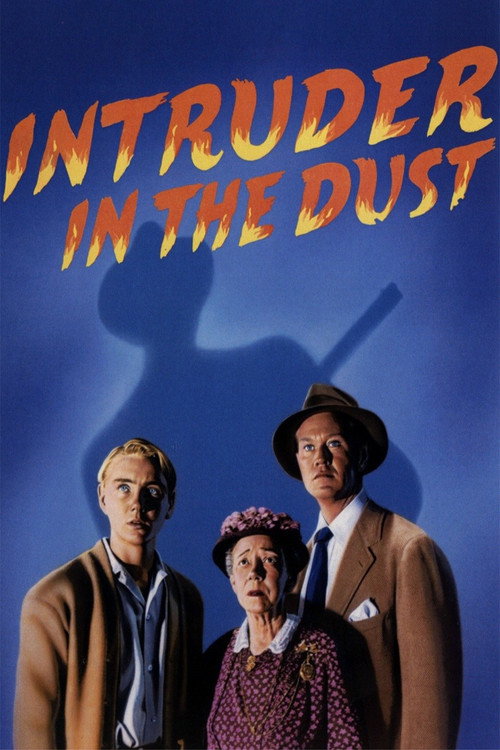
Intruder in the Dust1949
It's essentially In the Heat of the Night's blueprint, made almost two decades earlier: same accusation, same town, same slow unraveling of a rigged case — just with none of the fame.
Nearly the same story eighteen years earlier — a Black man in a Southern town accused of murder, saved not by white liberalism but by his own steady, incriminating dignity. Faulkner adapted, shockingly clear-eyed for 1949.
But It's quieter and more literary, without Heat's famous slap, star wattage, or thriller momentum.
More like this (8)
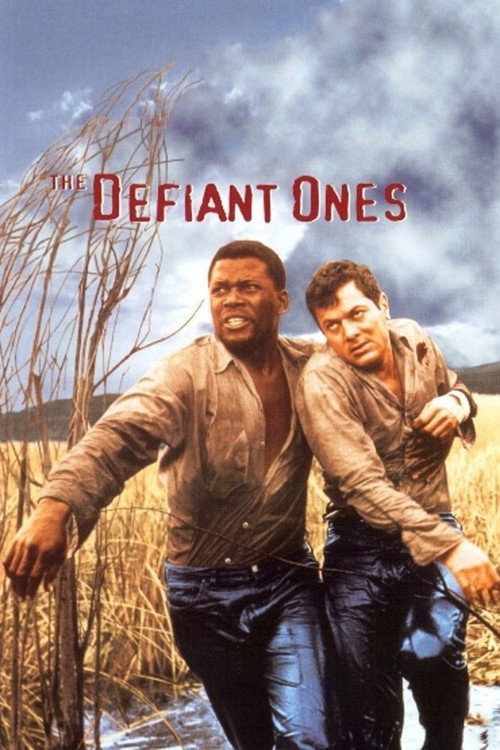
The Defiant Ones1958
Poitier a decade earlier, shackled to a racist white convict as they flee through hostile country — literalizing the forced partnership that Heat plays out through dialogue and procedure instead of chains.
But Its ending is famously sentimental, and some find its message of reluctant brotherhood a little too tidy.
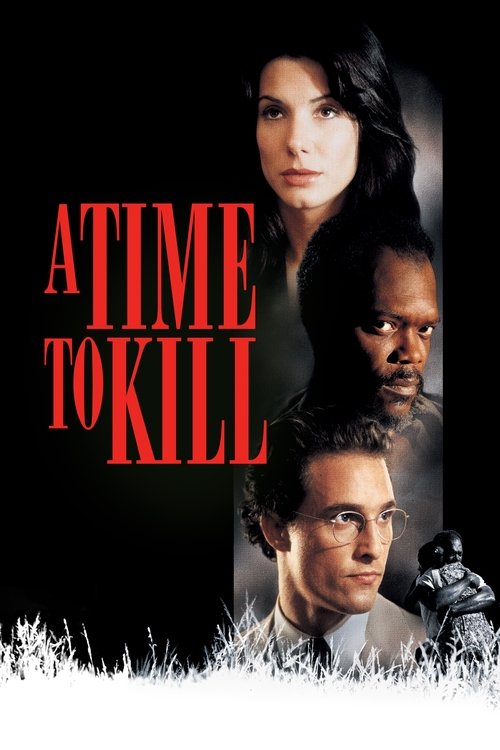
A Time to Kill1996
A pulpier, more melodramatic Southern courtroom thriller, with Samuel L. Jackson as a father on trial for avenging his daughter and Matthew McConaughey as the lawyer trying to win over a jury built to convict.
But It leans hard into courtroom theatrics and swelling music where Heat stays clipped and cold.
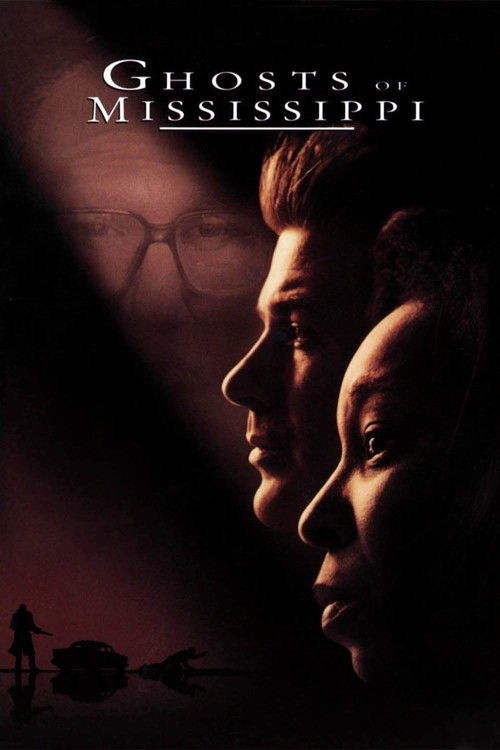
Ghosts of Mississippi1996
Decades after Heat's fictional Sparta, this true story follows the real prosecution of Medgar Evers' killer, showing how long institutional racism could stall justice even with the facts plainly known.
But It's a slower, more procedural film, and its focus stays mostly on the white prosecutor's arc.
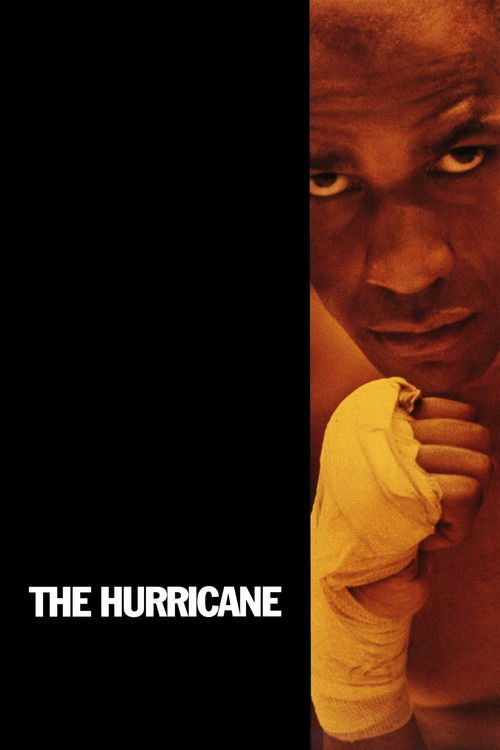
The Hurricane1999
Denzel Washington plays boxer Rubin Carter, wrongly convicted of murder by a justice system already decided on his guilt — the same rigged assumptions Tibbs fights, stretched across decades of a real man's life.
But It simplifies some real events for dramatic effect, and its final act tips into uplift.
Places in the Heart1984no page yet
A gentler, more elegiac look at the same Depression-era South — a widowed farmer, a Black drifter, and a town that would rather see them fail than succeed together.
But It's slower and considerably more sentimental, trading Heat's thriller tension for quiet, elegiac melancholy.
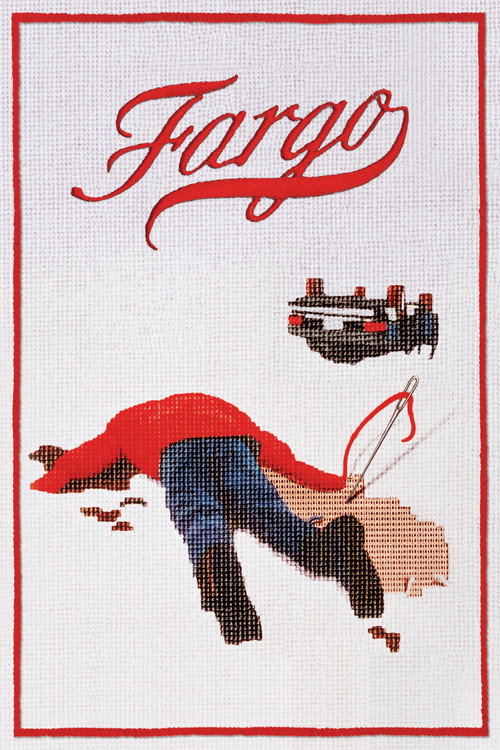
Fargo1996
Not about race, but the same engine: an outsider investigator with quiet competence dropped into a frozen small town, running rings around the local force while everyone underestimates her.
But The tone swings into pitch-black comedy, which is a very different temperature from Heat's grim heat.
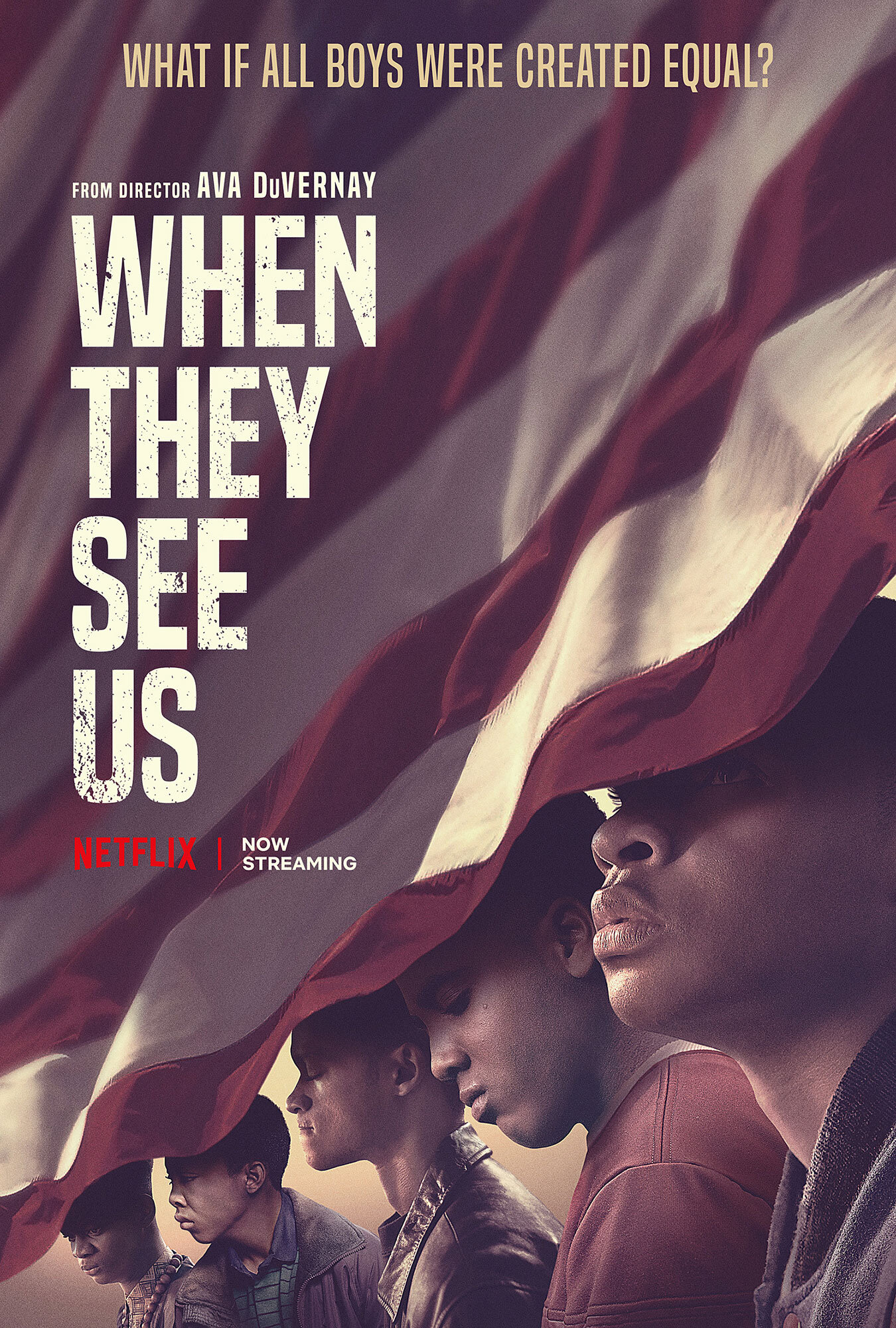
When They See Us2019
Same core wound — a person presumed guilty before any evidence exists — but stretched from one tense night into years of real lives, in a format built to sit with that instead of resolving it in two hours.
A four-part limited series following the real Central Park Five case — teenagers coerced into false confessions by a system that had already decided their guilt. Ava DuVernay trades Heat's procedural cool for raw, sustained outrage.
But It is unflinching and genuinely upsetting, and offers none of the eventual professional respect Heat allows its hero.
Shaft1971no page yet
Shaft is what happens when you take the Black professional navigating a white power structure and let him win loudly, in a different genre entirely — blaxploitation instead of social drama, swagger instead of quiet dignity.
Take Tibbs' unshakable cool and put it in a New York private eye who talks back to everyone, wins every fight, and answers to nobody — same competence under contempt, played for swagger instead of tragedy.
But It's pure genre pleasure — funk score, pulp plotting — with none of Heat's social seriousness or restraint.
People
Cast
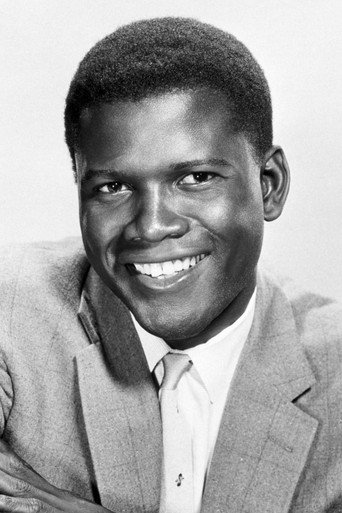 Sidney PoitierVirgil Tibbs
 Rod SteigerPolice Chief Bill Gillespie
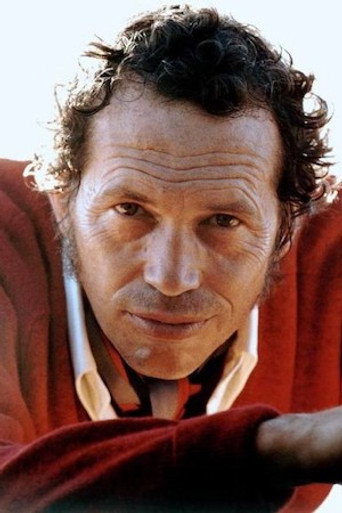 Warren OatesDeputy Sam Wood
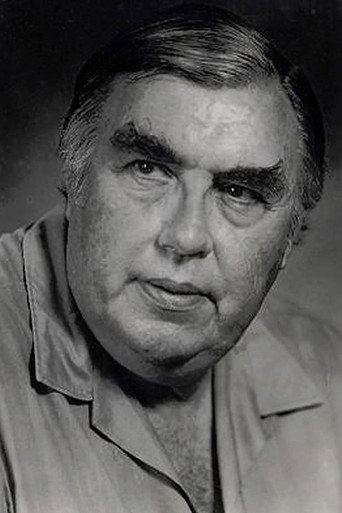 Peter WhitneyDeputy Courtney
 Lee GrantMrs. Leslie Colbert
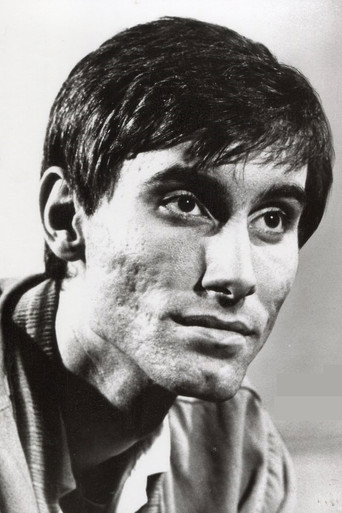 Anthony JamesRalph
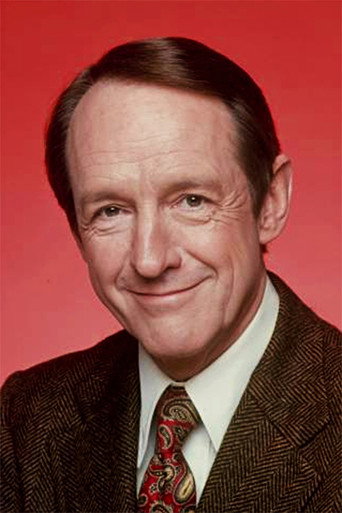 William SchallertMayor Schubert
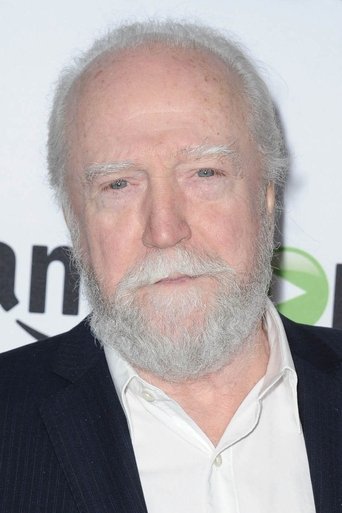 Scott WilsonHarvey Oberst
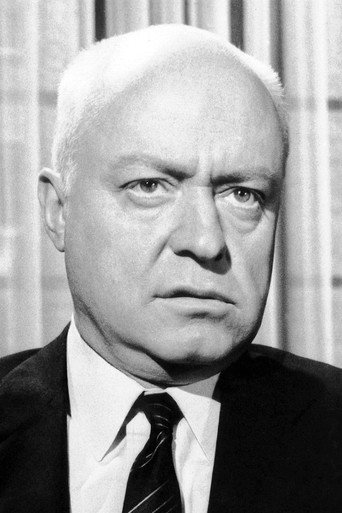 Larry GatesEric Endicott
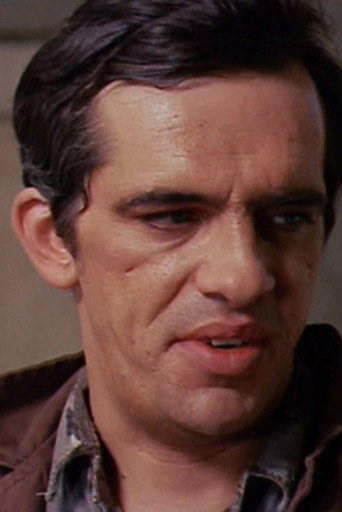 James PattersonMr. Purdy
 Quentin DeanDelores Purdy
- Kermit MurdockHenderson
Directing
- Norman JewisonDirector
- Terry Morse Jr.First Assistant Director
- Meta RebnerScript Supervisor
- Newt ArnoldSecond Assistant Director
Writing
- Alan BergmanLyricist
- Marilyn BergmanLyricist
- John BallNovel
- Stirling SilliphantScreenplay
Production
- Lynn StalmasterCasting
- Walter MirischProducer
- Hal AshbyProducer's Assistant
- Jim HenderlingProduction Manager
- Allen K. WoodProduction Supervisor
- Howard JoslinUnit Production Manager
Recommended by
Bad Boys, Destry Rides Again, Beverly Hills Cop, The Heat, Selma, Lethal Weapon, 48 Hrs., Crash, Gentleman's Agreement, Mississippi Burning, The Defiant Ones, Guess Who's Coming to Dinner, Alien Nation, Zootopia 2, A Raisin in the Sun, Bad Day at Black Rock, Fury, A Time to Kill, Marshall, Intruder in the Dust, Ghosts of Mississippi