
Film
Experiment in Terror
A 1962 thriller where an asthmatic criminal forces a bank clerk into complicity through calculated terror. Glenn Ford hunts the invisible threat while Lee Remick navigates impossible choices. Blake Edwards directs with mounting dread and intimate menace, building suspense from voices and shadows rather than spectacle. For anyone who believes the most frightening villains are the ones you never quite see.
Should you watch it?
Watch it if you enjoy a lean, tightly wound suspense picture where the menace lives in a phone line and a bank's routine, and you like watching ordinary people think their way through a squeeze.
Skip it if you want a fast, action-driven thriller; this one is patient and methodical, building tension through talk, procedure and close-up nerves rather than set pieces or chases.
What it asks of you: Settle in for a two-hour film that rewards steady attention; it moves deliberately, stays mostly in tight rooms and lets dread accumulate over long, quiet stretches.
Not sure? Find tonight's pick in a minute.
If you liked this
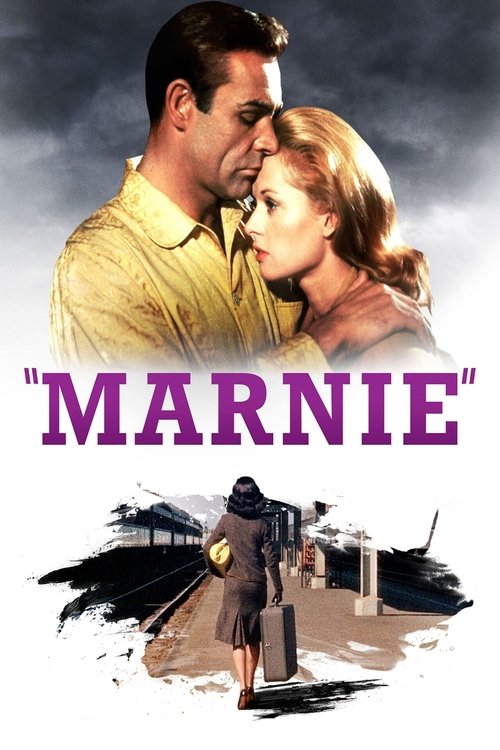
Marnie1964
Hitchcock's psychological thriller pairs troubled bank employee Tippi Hedren with Sean Connery in a study of obsession and damage. Like Experiment in Terror, it trusts viewers to sit with moral ambiguity and psychological complexity rather than offering easy answers.
But The sexual politics are deeply uncomfortable by modern standards, and some may find Connery's character's behaviour controlling rather than romantic.
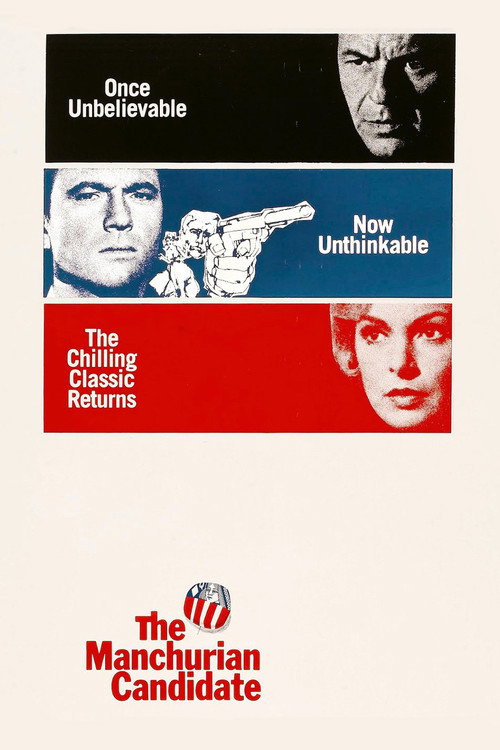
The Manchurian Candidate1962
Released the same year, this paranoid thriller about manipulation and hidden threats shares Experiment's interest in invisible danger and coercion. Frank Sinatra and Angela Lansbury navigate a conspiracy that makes trust itself terrifying.
But The plot is dense and occasionally feels scattered across competing ideas. Cold War paranoia may feel distant if you need immediate, intimate stakes.
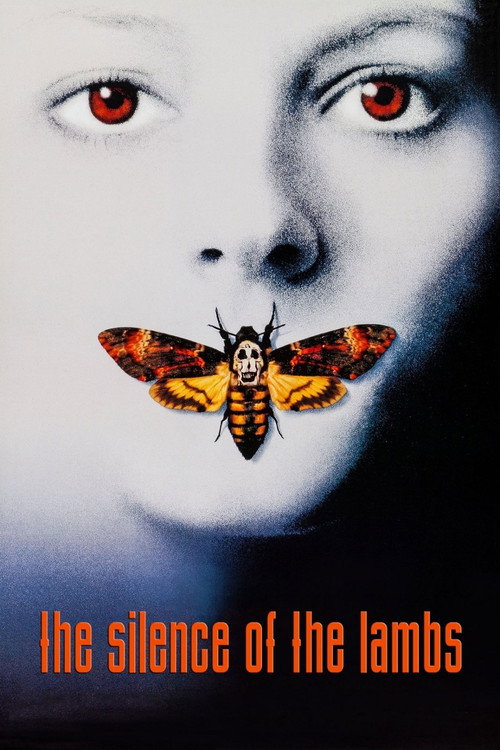
The Silence of the Lambs1991
A thriller built on the terror of a voice—Hannibal Lecter's—and an FBI agent pushed into terrible compromises. Like Experiment, it understands that psychological pressure and hidden threat create more lasting fear than gore.
But The serial killer genre has been imitated to exhaustion. If you've seen every thriller made in the last thirty years, the structure will feel familiar.
Not sure tonight? Get a pick in a minute, starting from Experiment in Terror
The wildcard
Something you would not have found on your own.
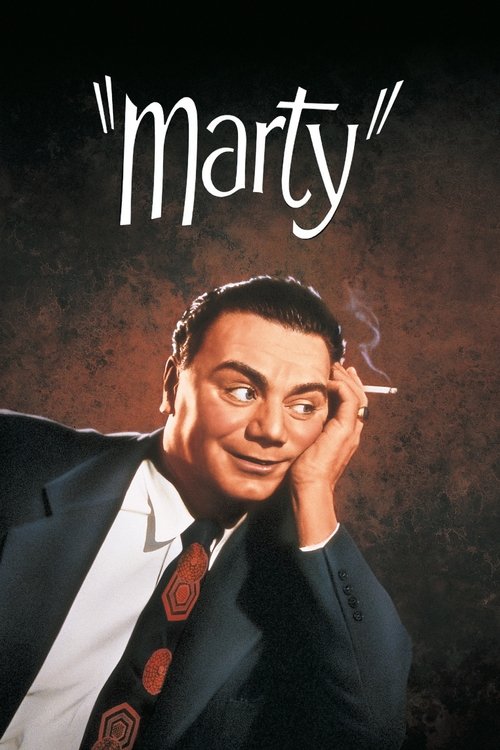
Marty1955
Both trust actors' faces and intimate spaces over action; both understand American loneliness and isolation as the real subject.
Paddy Chayefsky's intimate portrait of loneliness and connection in working-class New York. Ernest Borgnine and Betsy Blair build quiet tenderness from everyday life. The connection: both are American thrillers that refuse spectacle, finding maximum tension and emotion in faces, voices, and the spaces between words.
But There is almost no plot. If you need external conflict or dramatic incident, this will feel like nothing happens. It's about wanting and missing—not about doing.
More like this (6)
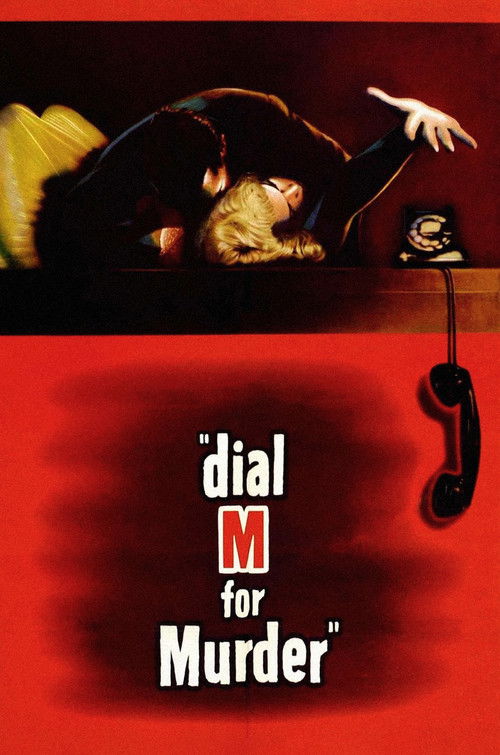
Dial M for Murder1954
Hitchcock's chamber thriller about a murder planned by telephone, then strangled in execution. Both films find suspense in the mechanics of coercion and the claustrophobia of being trapped in someone else's scheme.
But It's stage-bound and deliberately static. If you need kinetic action or outdoor chases, this will feel slow.
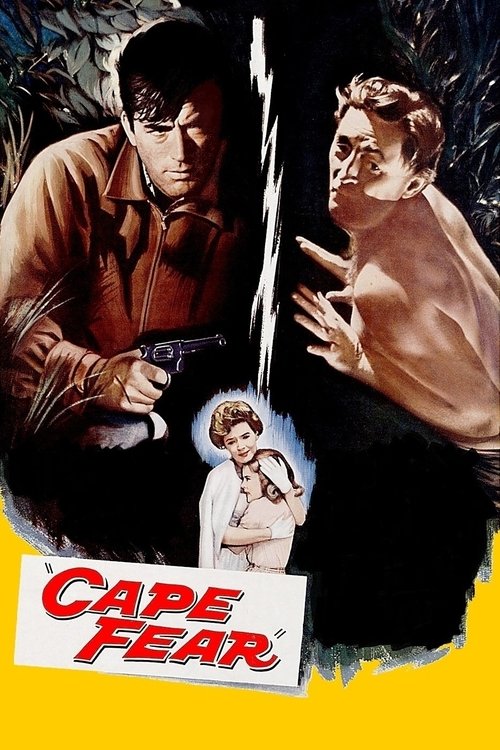
Cape Fear1962
Released the same year as Experiment, this Robert Mitchum vehicle about a man terrorizing a family shares its interest in menace that penetrates the home. Gregory Peck's ordinary American pushed into vigilance is gripping.
But The pacing occasionally stalls, and the resolution feels less earned than the buildup deserves.
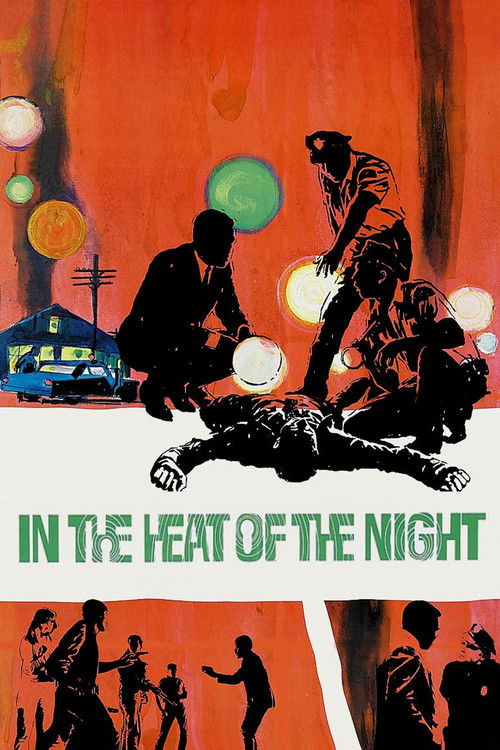
In the Heat of the Night1967
Sidney Poitier and Rod Steiger in a tense crime thriller set in the American South. It shares Experiment's procedural DNA and its interest in power dynamics between interrogator and suspect, with added social weight.
But The film has become a touchstone, which can make it feel familiar even on first viewing. Some dialogue and attitudes date it noticeably.
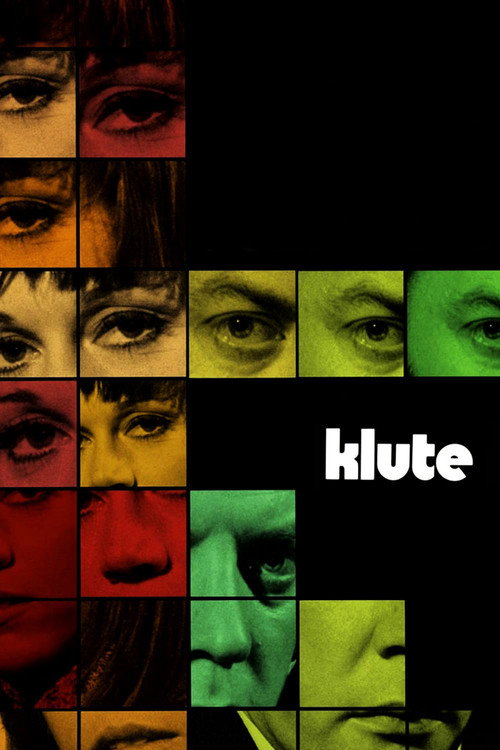
Klute1971
Jane Fonda as a call girl entangled with a detective hunting a killer. Alan J. Pakula's thriller, like Experiment, places ordinary people in extraordinary danger and treats their fear as the point rather than a plot device.
But It's meditative and unglamorous. If you're expecting thriller mechanics over character study, you may find it frustratingly indirect.
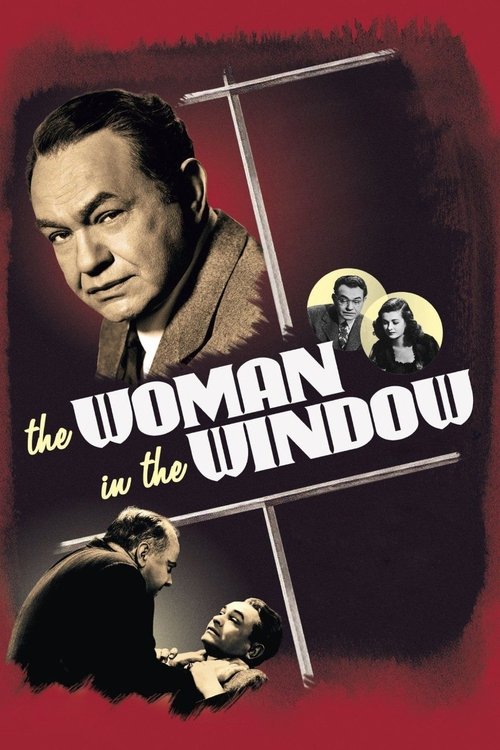
The Woman in the Window1944
Fritz Lang's film noir about a man blackmailed and coerced into complicity. It predates Experiment's playbook but shares its fascination with how pressure and secrets corrode ordinary lives and relationships.
But The restoration quality varies depending on where you watch it. Black-and-white noir is not everyone's preferred visual language.
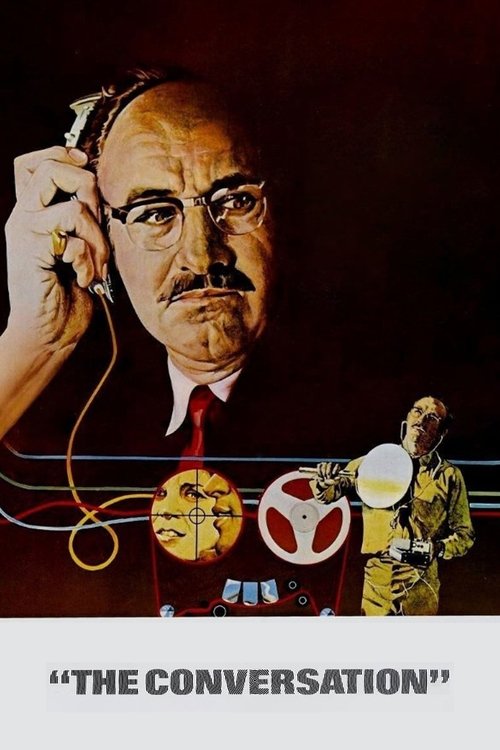
The Conversation1974
Both understand that listening—to what's unsaid, to threats implied, to the cost of knowledge—is more dangerous than any weapon.
Francis Ford Coppola's paranoid masterpiece about a surveillance expert slowly consumed by what he hears. Gene Hackman's descent parallels Experiment's interest in ordinary people pulled into moral compromise by forces they cannot control or understand.
But It's a slow burn about guilt and conscience rather than action. The ending punishes the viewer along with the protagonist, which some find unsatisfying rather than artful.
People
Cast
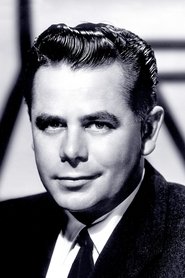 Glenn FordJohn Ripley
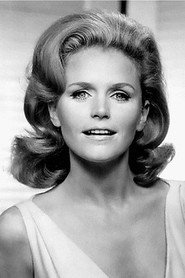 Lee RemickKelly Sherwood
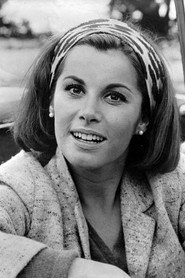 Stefanie PowersToby Sherwood
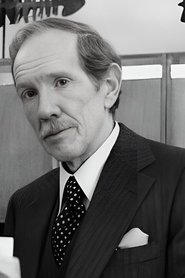 Roy PooleBrad
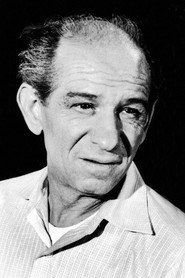 Ned GlassPopcorn
- Anita LooLisa Soong
 Patricia HustonNancy Ashton
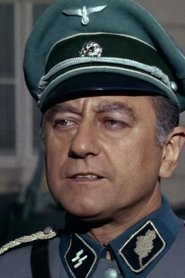 Gilbert GreenSpecial Agent
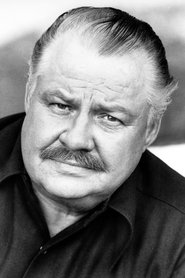 Clifton JamesCapt. Moreno
- Al AvalonMan Who Picks Up Kelly
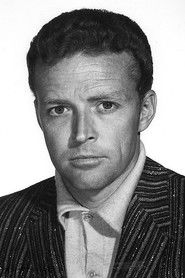 William BryantChuck
- Dick CrockettFBI Agent #1
Directing
- Sam NelsonAssistant Director
- Blake EdwardsDirector
- Betty A. GriffinScript Supervisor
Writing
- Gordon GordonNovel
- Mildred GordonNovel
- Gordon GordonScreenplay
- Mildred GordonScreenplay
Production
- Don PetersAssociate Producer
- Blake EdwardsProducer