
Film
The Woman in the Window
Other titles called The Woman in the Window: the 2021 film.
A respectable professor encounters a beautiful woman in a shop window, and one evening invitation spirals into obsession, violence, and moral ruin. Fritz Lang's 1944 noir is claustrophobic and psychologically precise: you watch a good man convince himself to become a criminal in real time. It's hypnotic, darkly funny, and genuinely unsettling.
Should you watch it?
Watch it if you love a tightly wound noir where a mild, decent man's ordinary evening curdles into a nightmare of guilt and bad luck, and you enjoy the slow tightening of the screws more than any big reveal.
Skip it if you want brisk action or a modern pace, since this 1944 black-and-white film takes its time building its atmosphere and its moral unease through talk and shadow rather than spectacle.
What it asks of you: About an hour and forty minutes of patient, dim, claustrophobic attention, with the mood darkening steadily rather than arriving in bursts, and few moments to relax before the next knot tightens.
Not sure? Find tonight's pick in a minute.
If you liked this
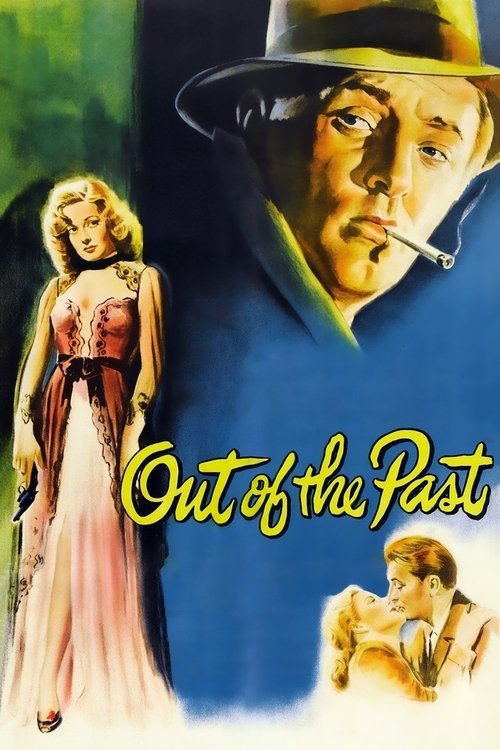
Out of the Past1947
Robert Mitchum's fatalistic private eye and Jane Greer's femme fatale define the noir archetype. A perfect, propulsive revenge story told in shadows and cigarette smoke. Essential.
But If you want plot clarity, this will frustrate you. The chronology deliberately circles back; you're meant to feel disoriented.
In a Lonely Place1950
Humphrey Bogart as a violent screenwriter accused of murder—he might be guilty, might be innocent, and his own behavior keeps sabotaging him. Brutal psychological portrait wrapped in noir style.
But The ending is bleak and offers no redemption. It refuses to comfort you.

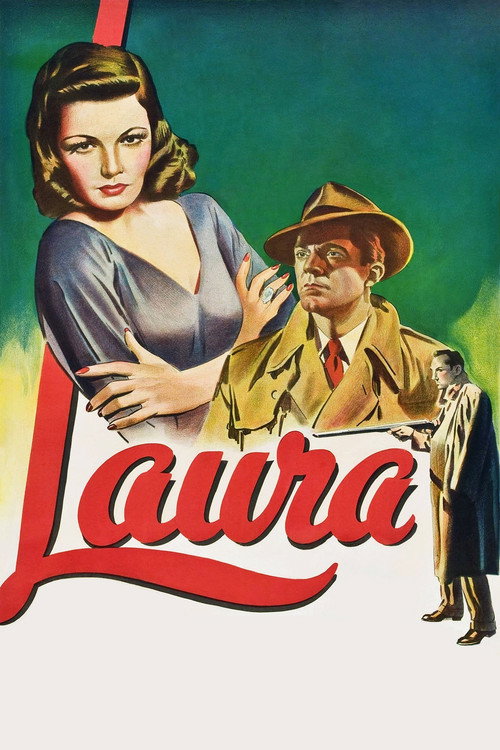
Laura1944
A detective investigates a murder revolving around a beautiful woman he's never met—except he's falling in love with her portrait. Elegantly constructed, genuinely mysterious, and Otto Preminger's control is immaculate.
But It's a puzzle-box; if you guess the twist early, some pleasure drains away.
Not sure tonight? Get a pick in a minute, starting from The Woman in the Window
The wildcard
Something you would not have found on your own.
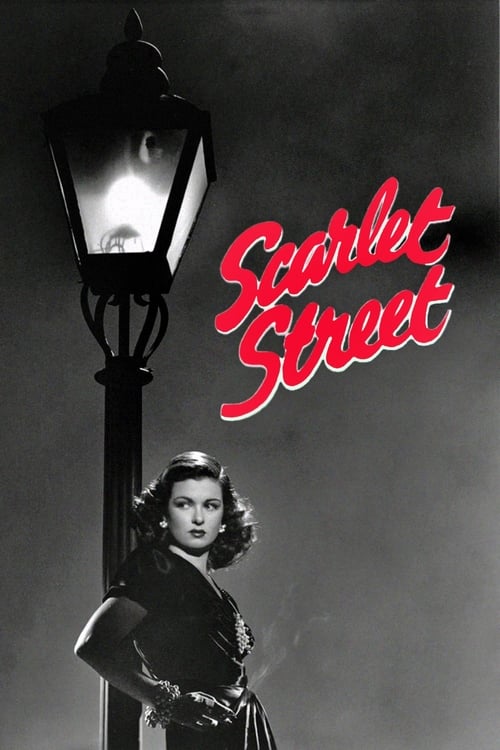
Scarlet Street1945
Both are Fritz Lang meditations on how quickly a respectable life can collapse when temptation finds a man at the moment he's vulnerable to it. Both locate the horror in the speed of moral compromise.
Fritz Lang again, even darker: an aging cashier's modest life is obliterated by a young woman's manipulation. It's almost *The Woman in the Window*'s twin—the ordinary man destroyed by desire—but Scarlet Street goes to places the other film won't. More bitter, less forgiving.
But The sexual politics are of their era and uncomfortable now. Women are predators; men are helpless. It's not wrong as analysis of the script's worldview, but living inside that worldview for ninety minutes is draining.
More like this (8)
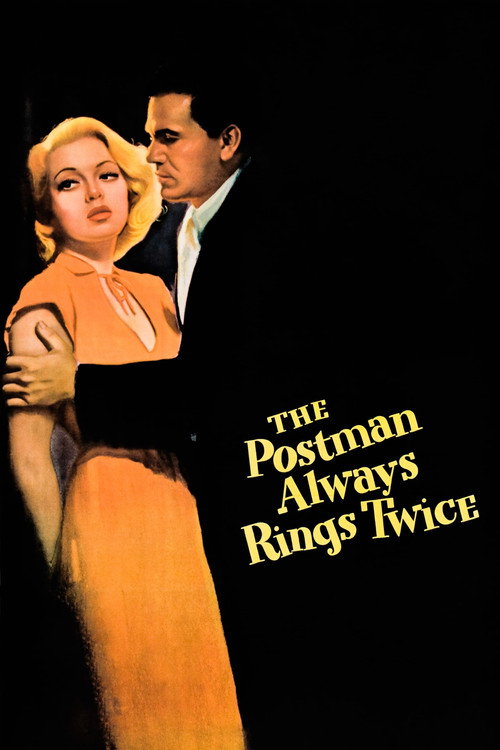
The Postman Always Rings Twice1946
Lana Turner and John Garfield as drifters who seduce each other into a murder plot. Taut, steamy, and morally toxic—passion as a kind of poison.
But The sexual politics are dated and the woman is largely a plot device, not a character.
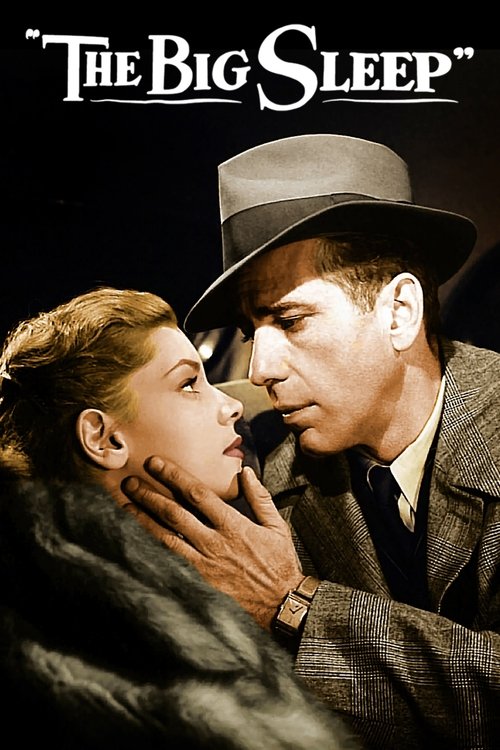
The Big Sleep1946
Humphrey Bogart and Lauren Bacall navigate a labyrinthine mystery that almost doesn't matter—the pleasure is watching them spar and seduce. Their chemistry rewrites every scene.
But The plot is genuinely incoherent. (Chandler himself couldn't explain who killed the chauffeur.) If you need narrative sense, you'll be frustrated.
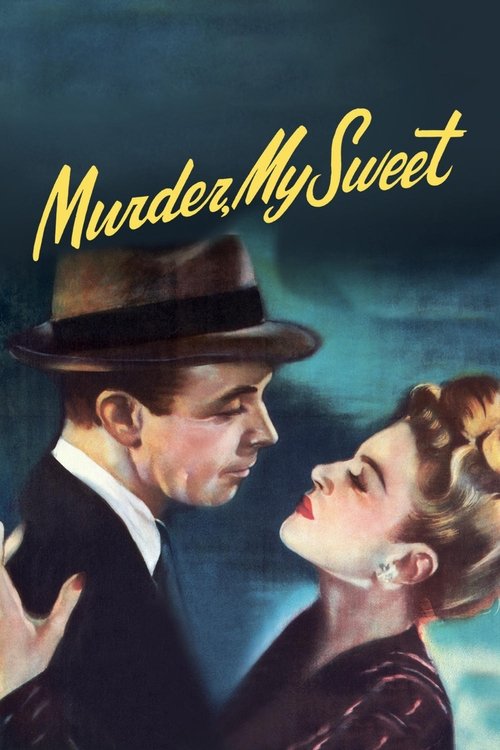
Murder, My Sweet1944
Dick Powell's ex-boxer-turned-detective stumbles into a moral maze via a femme fatale. Visually inventive, psychologically tangled, and Powell's everyman appeal makes the corruption sting.
But The final act relies on exposition dumps to untangle the plot. It feels like watching someone read an insurance policy.
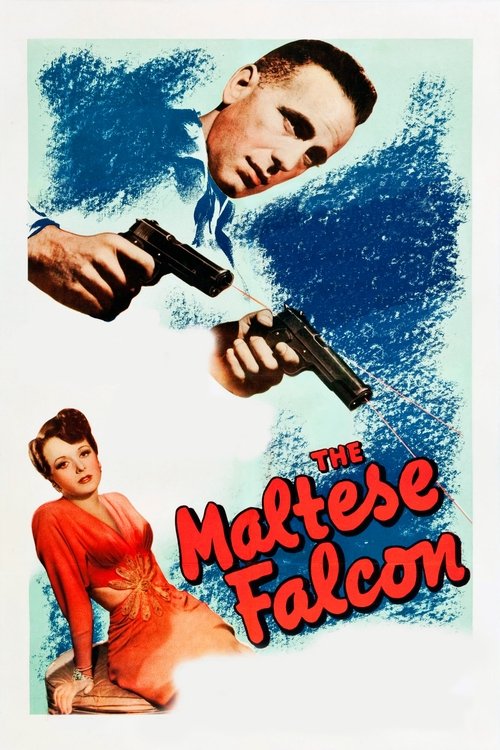
The Maltese Falcon1941
Bogart as Sam Spade investigating a mysterious sculpture. The archetype of hard-boiled detective fiction—sharp dialogue, baroque plot, and a moral code that bends but doesn't break. Pure cinema.
But It can feel familiar now because every noir after it copied this formula. Knowing the DNA makes the specimen less surprising.
The Killers1946
Two gunmen execute a man without resistance—and a detective investigates why. Hemingway's minimalist story becomes Siodmak's maximalist noir. Ava Gardner is luminous as the woman who ruined him.
But The second half shifts into a different genre entirely. Some find it enriches the story; others feel the focus scatters.

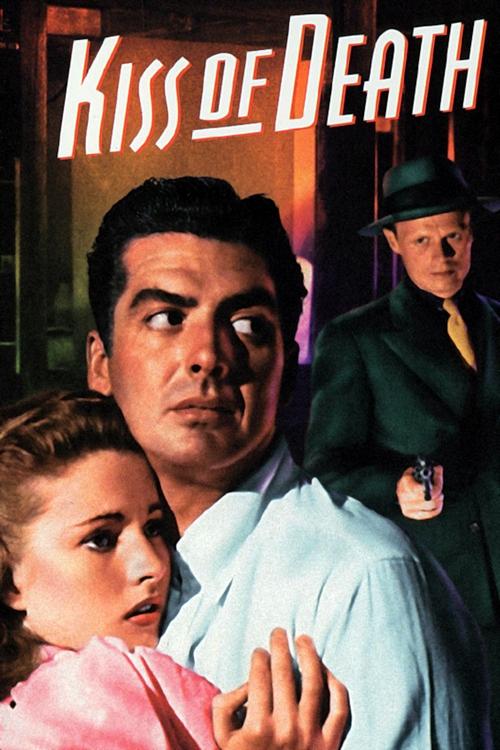
Kiss of Death1947
Victor Mature as an ex-con trying to go straight, but the underworld won't release him. Richard Widmark's giggling psychopath is unforgettable. Raw, nasty, and grounded in real consequence.
But It's darker and grimier than most noirs of its era—the violence feels genuinely ugly, not stylish. That's the point, but it can feel punishing.
The Killing1956
Both are heist-adjacent stories of men who think they can stay in control of circumstances that are already spinning away from them. Both are about the illusion of agency.
Kubrick's first masterpiece: a race-track heist told in fragments, with time looping back on itself. Stark black-and-white, rat-trap dialogue, and a kind of doom-logic where every plan fractures. It feels like a fever dream of ambition and bad luck.
But The structure is deliberately fractured. If you watch passively, you'll lose the thread. It demands your attention, and rewards it only with cynicism and cold perfection.

In the Mood for Love2000
Both begin with temptation and isolation—a man alone with a woman who draws him in. But where Lang races toward catastrophe, Wong Kar-wai stops time at the moment of mutual recognition and stays there. Same seed, opposite bloom.
Wong Kar-wai's ravishing, almost soundless film about two neighbours who discover their spouses are having an affair. Instead of confrontation, they rehearse confessions to each other in hotel rooms. Suspended in amber, hypnotic, composed like paintings. Zero plot momentum and absolute emotional precision.
But It's glacially paced and almost entirely interior. The violence is all withheld. If you want resolution or catharsis, you won't find it. Some people find it transcendent; others find it exhausting.

People
Cast
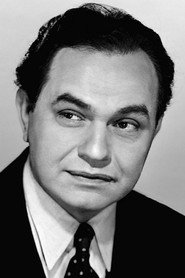 Edward G. RobinsonProfessor Richard Wanley
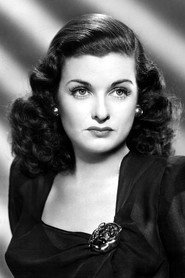 Joan BennettAlice Reed
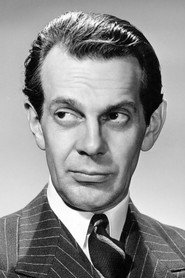 Raymond MasseyDist. Attorney Frank Lalor
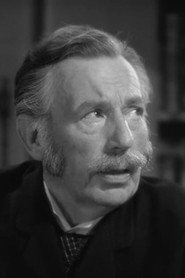 Edmund BreonDr. Michael Barkstane
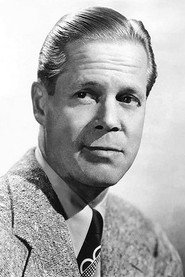 Dan DuryeaHeidt / Tim, the Doorman
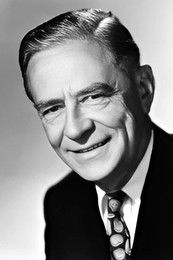 Thomas E. JacksonInspector Jackson
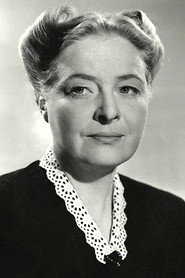 Dorothy PetersonMrs. Wanley
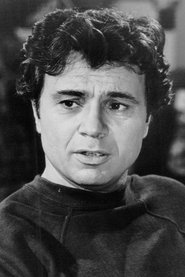 Robert BlakeDickie Wanley
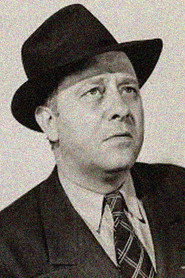 Arthur LoftClaude Mazard / Frank Howard / Charlie the Hatcheck Man
- Frank DawsonCollins, the Steward
 Iris AdrianStreetwalker (uncredited)
- Brandon BeachMan at Club (uncredited)
Directing
- Richard HarlanAssistant Director
- Fritz LangDirector
Writing
- J.H. WallisNovel
- Nunnally JohnsonScreenplay
Production
- Nunnally JohnsonProducer
Recommended by
Queen Christina, BLOOM, A Man's World, The Conspirators, Blind Beast, Madame X, Confidential Agent, Experiment in Terror, Escape, I've Heard the Mermaids Singing, The Sleeping Car Murders, Dark Waters, The Fallen Sparrow, Gunfire at Indian Gap, Lulu, The Gay Falcon, Homecoming, Indiscretion of an American Wife, Nob Hill, Thunder Birds