
Film
Escape
A 1940 American thriller about a son who travels to Nazi Germany to rescue his mother from a concentration camp. It's a tense, morally urgent film made while the war was still unfolding—urgent and angry in ways Hollywood would later sanitise. For anyone interested in how cinema grappled with fascism in real time.
If you liked this
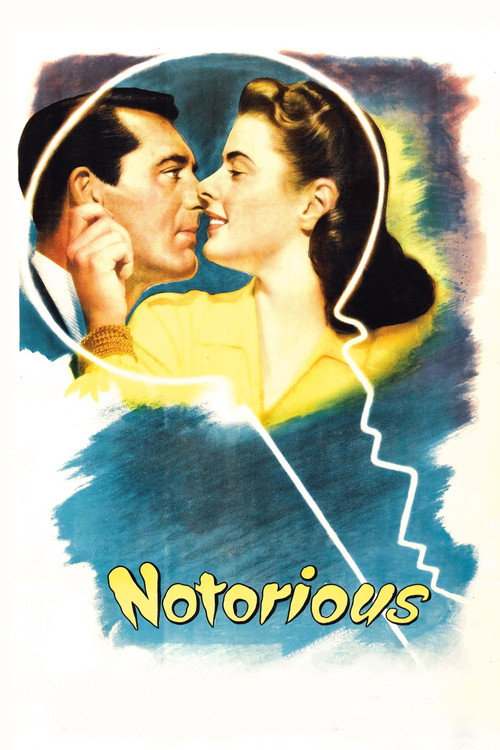
Notorious1946
Hitchcock's espionage masterpiece, with Cary Grant and Ingrid Bergman infiltrating a Nazi cell in Rio. It has the same stakes as Escape—personal loyalty pitted against political evil—but with more style and sexual tension.
But It's a spy thriller first and foremost. If you want the emotional weight of family separation over derring-do, this tilts the other way.
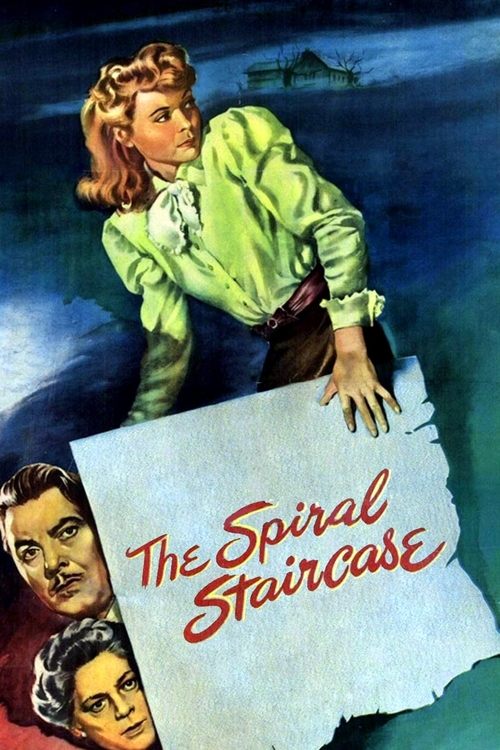
The Spiral Staircase1946
Dolores Del Río hunted through a mansion by a killer. Like Escape, it's about a vulnerable woman in immediate danger, building dread through confined spaces and the knowledge that outside help may not arrive in time.
But It's more a psychological thriller than a political one. The stakes are personal survival rather than ideological.
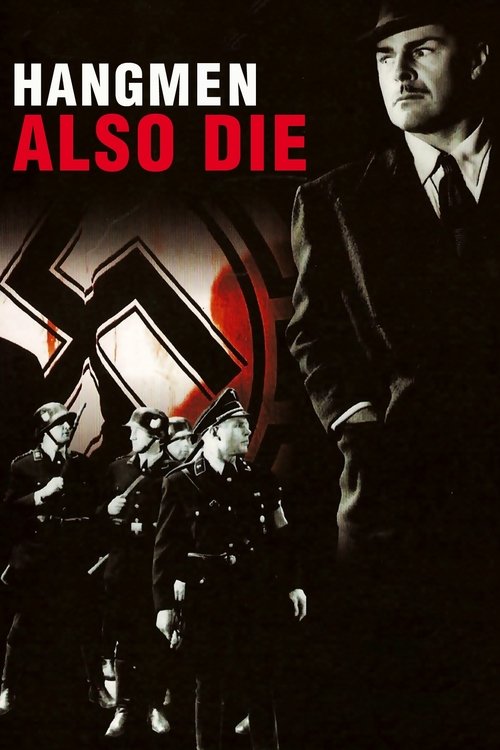
Hangmen Also Die!1943
Fritz Lang's furious response to the assassination of Heydrich. A resistance fighter and ordinary Czechs must outwit Nazi reprisal. It shares Escape's anger at fascism and its focus on how ordinary people endure under totalitarian occupation.
But It's propagandistic and sometimes heavy-handed. The moral clarity can feel simplistic compared to later war films.
Not sure tonight? Get a pick in a minute, starting from Escape
The wildcard
Something you would not have found on your own.
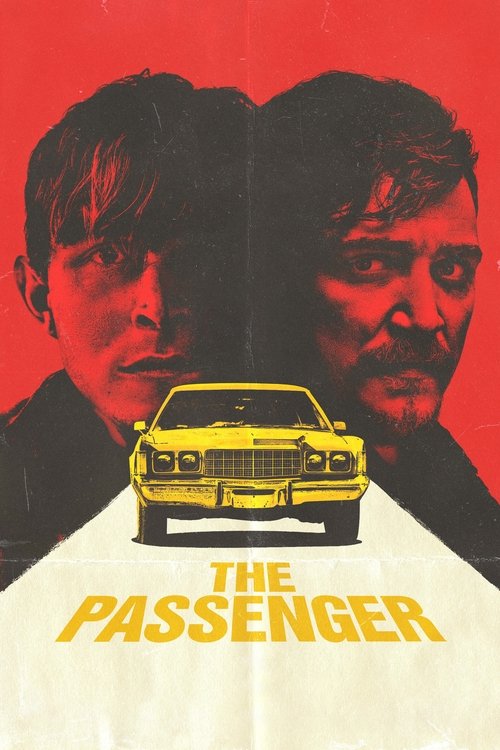
The Passenger2023
Both explore the moral vertigo of feeling responsible for someone else's fate, and what happens when that responsibility becomes a cage.
Michelangelo Antonioni's film about an identity swap and its consequences. On the surface it seems nothing like Escape, but both are about a man trapped by a woman's need and a situation he doesn't fully control—and both ask what obligation we have to rescue someone when rescue costs us everything.
But It's meditative and abstract, almost the opposite of Escape's narrative drive. If you want plot momentum, this will frustrate you.
More like this (7)
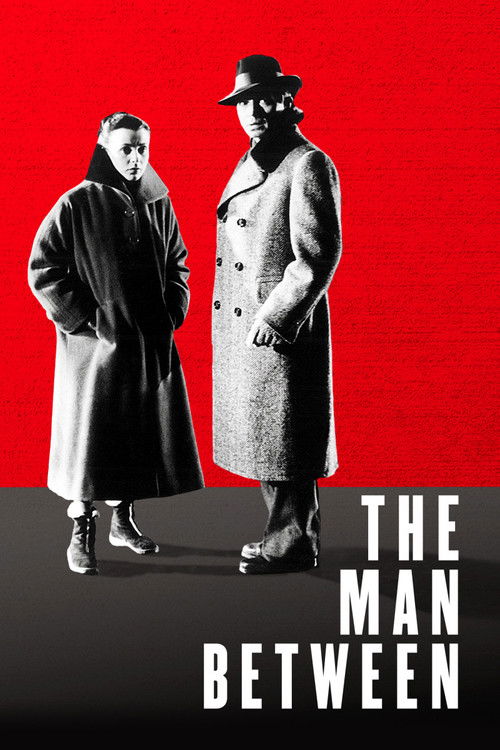
The Man Between1953
Carol Reed's tense Berlin noir about a woman caught between East and West. It has Escape's DNA—someone you care about trapped, an outsider trying to spring them—but set during the Cold War instead.
But It's slower and moodier. If you want the propulsive tension of Escape, this is more atmospheric interrogation.
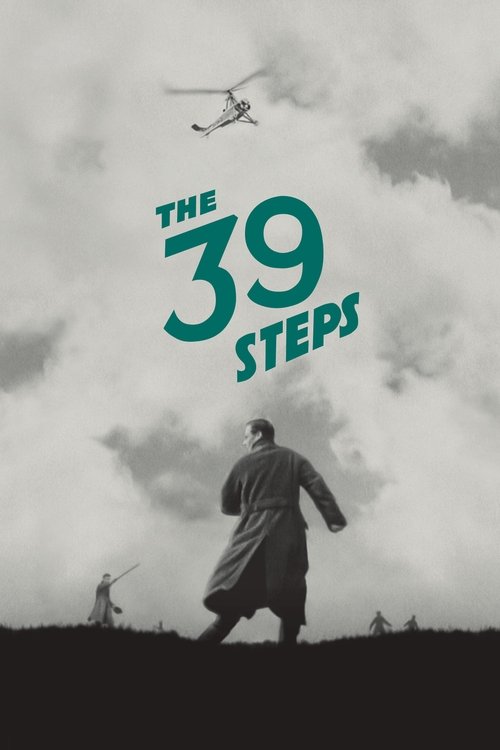
The 39 Steps1935
Hitchcock's prototype for the innocent-on-the-run thriller. An ordinary man caught up in espionage, mistaken for someone else. The template Escape draws from, executed with such elegance it still thrills.
But It's lighter and more playful. Escape is deadly serious; this has a lighter, more Hitchcockian tone.
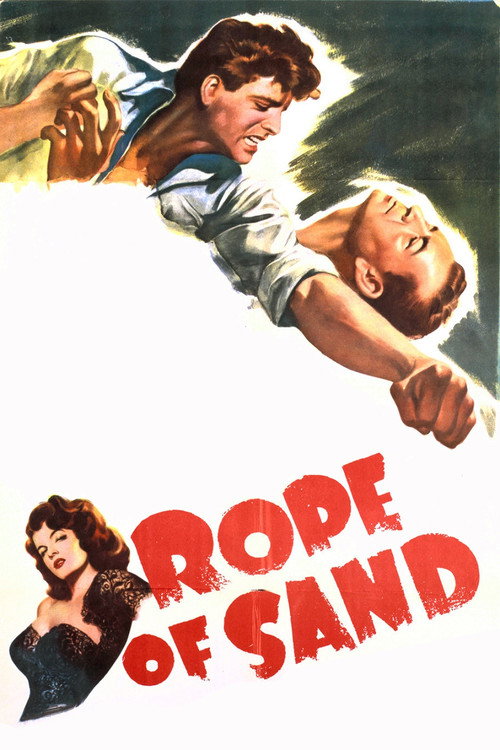
Rope of Sand1949
Burt Lancaster trapped in a colonial outpost, caught between powerful men. It shares Escape's claustrophobia and moral ambiguity—you can't trust anyone, and survival means compromise.
But It's adventure-driven rather than emotionally anchored. The stakes feel less personal, more about treasure and betrayal.
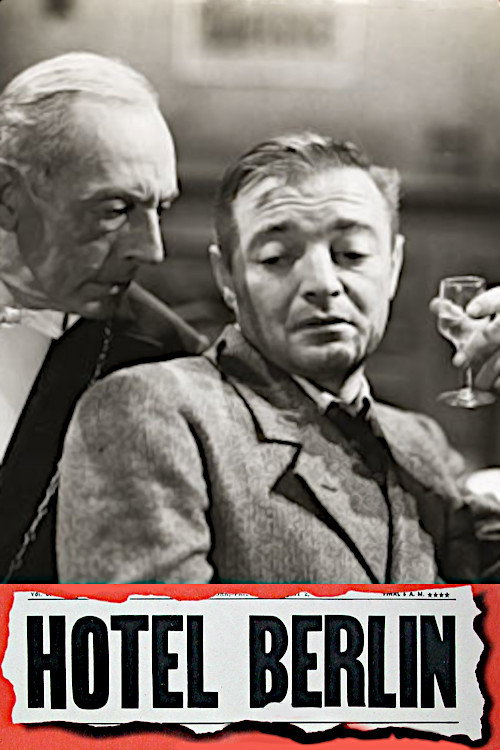
Hotel Berlin1945
Multiple stories converging in a Berlin hotel as the war ends. Like Escape, it captures the desperation of people trapped by geography and politics, though it's more ensemble than focused narrative.
But The multiple storylines dilute tension. Escape's singular focus on one rescue makes it more gripping than this broader canvas.
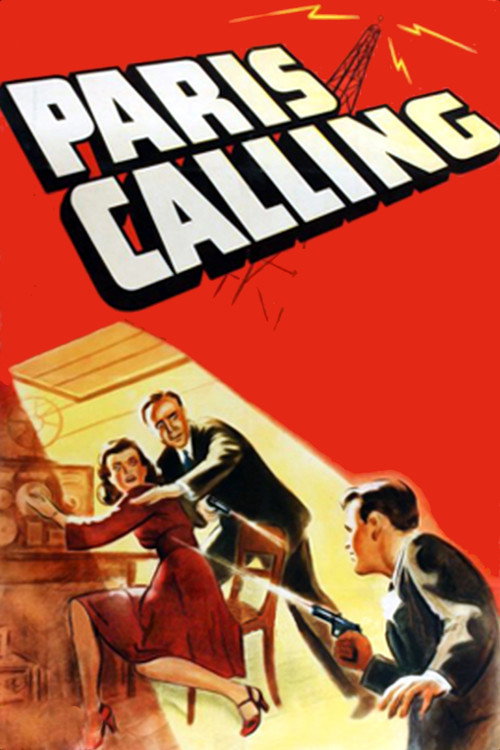
Paris Calling1941
Elisabeth Bergner as a Parisian widow resisting Nazi occupation. Made around the same time as Escape, it shares the urgency of depicting fascism as an immediate, domestic threat.
But It's less polished and the pacing is uneven. By 1941 standards it's solid; by later Hollywood standards it feels dated.
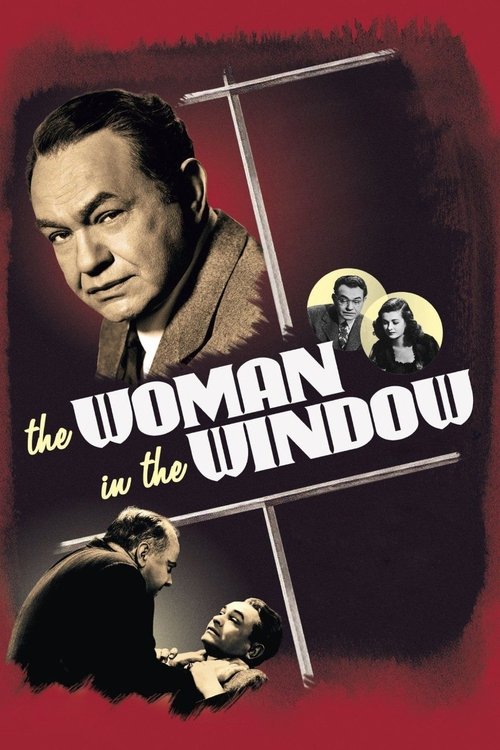
The Woman in the Window1944
Both films are about a man trying to save a woman from confinement, but they reach opposite conclusions about whether love is enough to overcome circumstance.
Fritz Lang again, but from the opposite angle. An ordinary man becomes entangled with a woman and a murder; he tries to escape the web she's caught in, and drags himself deeper. It's Escape inverted—a rescue attempt that destroys the rescuer.
But It's a film noir, so it's darker and more morally muddled. There's no clean heroism here, only desperation and compromise.
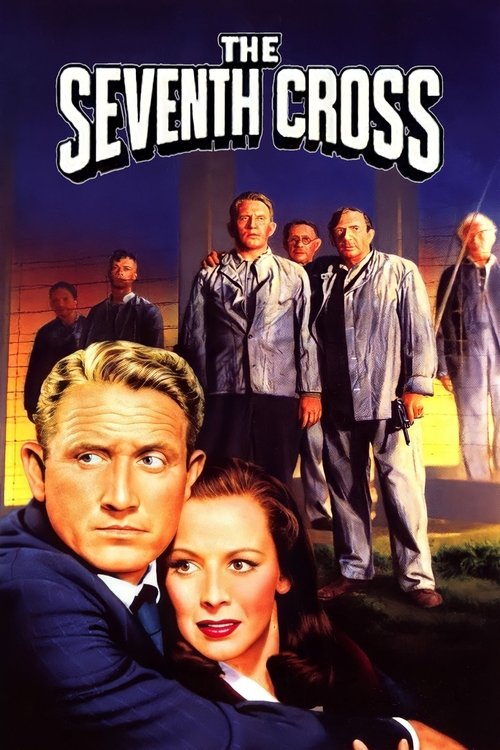
The Seventh Cross1944
Both films treat escape from fascism not as adventure but as moral imperative—the right thing to do, even if it costs everything.
Spencer Tracy escaping a Nazi concentration camp. It's the flip side of Escape—the person trapped is the protagonist, not someone he's trying to reach. But it shares the same claustrophobia, the same sense of fascism as a cage, and the same faith in ordinary kindness as the only weapon against brutality.
But It's less about suspense than about dignity and small acts of defiance. Some will find it too quiet; others will find it moving in ways Escape's action can't reach.
People
Cast
 Norma ShearerCountess Ruby von Treck
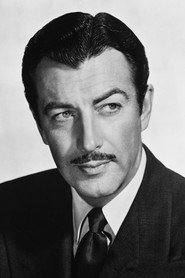 Robert TaylorMark Preysing
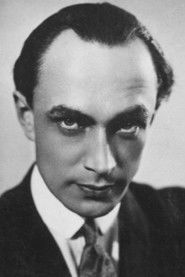 Conrad VeidtGeneral Kurt von Kolb
 Alla NazimovaEmmy Ritter
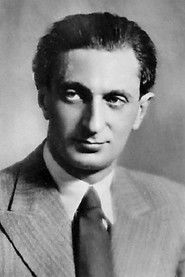 Felix BressartFritz Keller
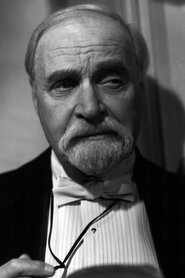 Albert BassermannDr. Arthur Henning
 Philip DornDr. Ditten
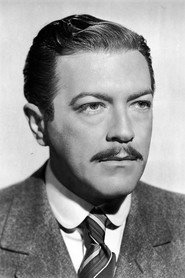 Edgar BarrierCommissioner
 Bonita GranvilleUrsula
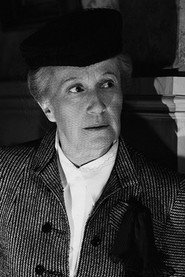 Elsa BassermannMrs. Henning
 Blanche YurkaNurse
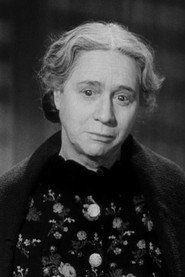 Lisa GolmAnna
Directing
- Al ShenbergAssistant Director
- Mervyn LeRoyDirector
Writing
- Grace Zaring StoneNovel
- Arch ObolerScreenplay
- Marguerite RobertsScreenplay
Production
- Lawrence WeingartenProducer
- Mervyn LeRoyProducer