
Film
Hangmen Also Die!
A 1943 thriller about a Czech surgeon who assassinates the Nazi Reichsprotektor Reinhard Heydrich during the occupation of Czechoslovakia. Directed by Fritz Lang, it's a tense wartime procedural that treats resistance as a moral maze rather than heroic clarity. Gripping, occasionally claustrophobic, made by a master of suspense at the height of his powers.
Should you watch it?
Watch it if you like wartime thrillers built on moral pressure, where a city's ordinary people become the real suspense and the hunt matters less than what it costs them.
Skip it if you need taut, brisk pacing from start to finish, since this runs long and lingers in talk, meetings and occupation-era bureaucracy before its tension fully tightens.
What it asks of you: Two hours and fourteen minutes of patient, talky build, with dread sustained by conversation and quiet rooms rather than action, so settle in and let it accumulate.
Not sure? Find tonight's pick in a minute.
If you liked this
The Third Man1949
Carol Reed's postwar Vienna is a maze of betrayal and moral compromise where no one is quite what they seem. The zither score and shadowed cinematography create dread as effectively as any thriller, and the ending will stay with you.
But It's deliberate and slow-burn; impatient viewers find it ponderous. The love story can feel secondary to the intrigue.

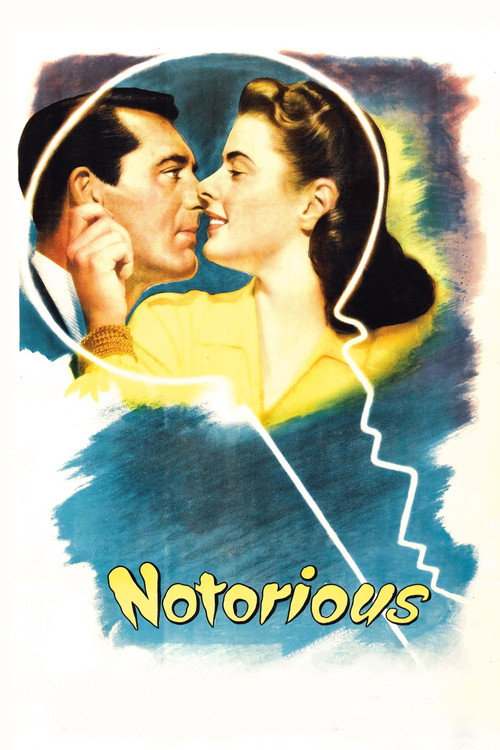
Notorious1946
Hitchcock's masterpiece of espionage and intimacy. Cary Grant and Ingrid Bergman navigate seduction, betrayal, and poison with a precision that makes every scene crackle. It's thrilling and heartbreaking in equal measure.
But The pacing favours character over action; some expect more spectacle. The ending resolves quickly after two hours of escalating tension.
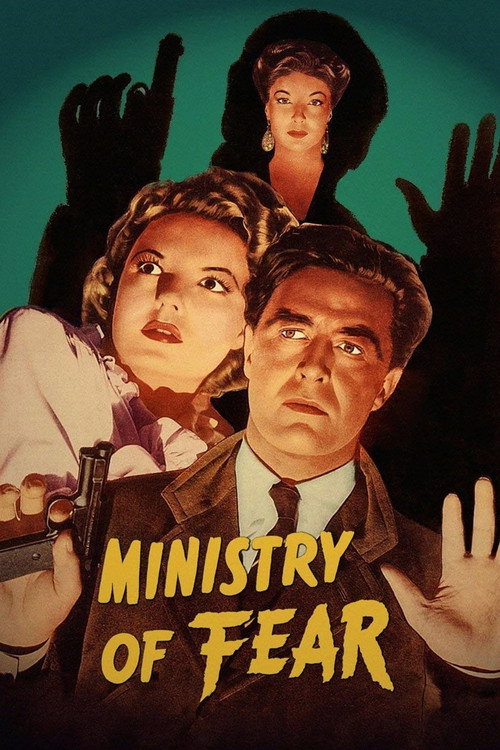
Ministry of Fear1944
Fritz Lang again, this time on the home front: a man freshly released from a mental hospital stumbles into Nazi espionage on the London streets. Paranoia and coincidence build into genuine vertigo. The logic is dreamlike but airtight.
But It feels like noir squeezed through a wartime filter; tonal shifts between spy thriller and psychological unease can feel jarring.
Not sure tonight? Get a pick in a minute, starting from Hangmen Also Die!
The wildcard
Something you would not have found on your own.
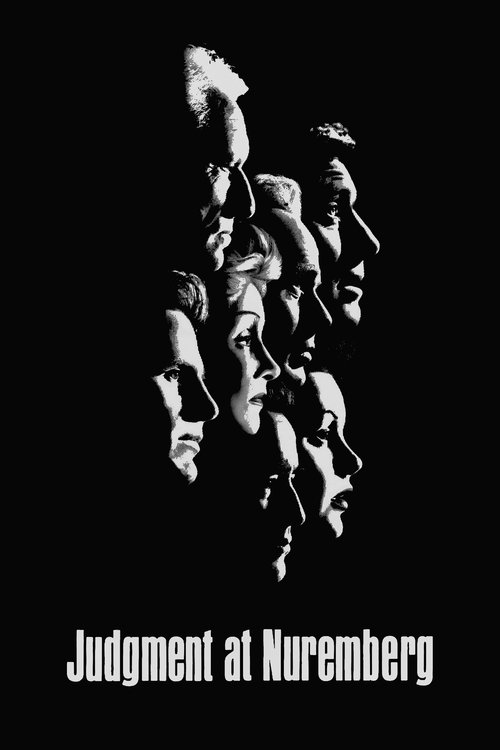
Judgment at Nuremberg1961
Both grapple with how ordinary people enable atrocity. Hangmen asks who kills; Nuremberg asks who judged. One is thriller, the other tribunal—the same tragedy from opposite ends.
Stanley Kramer's courtroom epic puts Nazi judges on trial, forcing viewers to consider complicity, obedience, and the rule of law. Spencer Tracy is magnificent. It's the film Hangmen Also Die was pointing toward—what happens after the assassination, when reckoning must come.
But It's nearly three hours of lawyers and moral philosophy. The didacticism can feel heavy-handed; nuance gets submerged in message.
More like this (8)
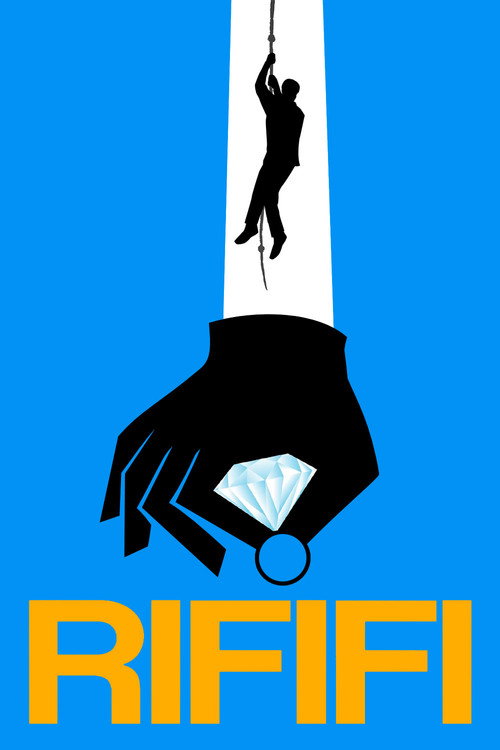
Rififi1955
Jules Dassin's heist film is a masterclass in suspense built from silence and precision. The centerpiece—a jewel theft conducted in near-total darkness—has no music or dialogue for ten minutes and is unforgettable. Pure cinema.
But It's French and stylish to the point of austerity; casual viewers expecting American action clarity may find it austere.
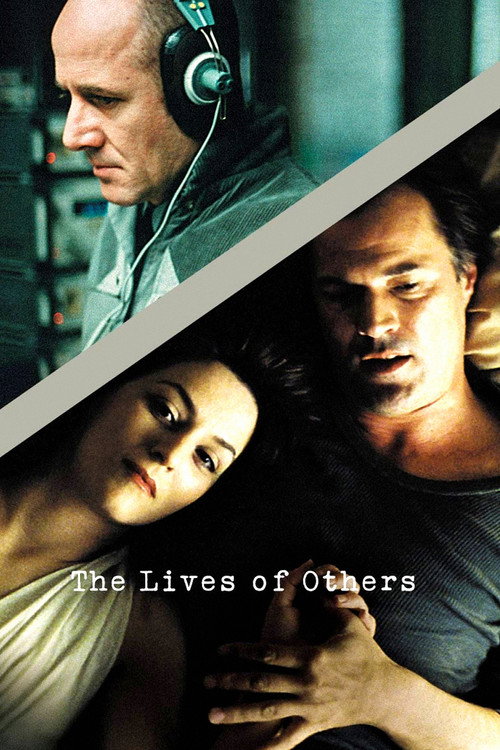
The Lives of Others2006
A Stasi officer surveilling a playwright and his lover gradually questions the state he serves. It's a chamber piece about complicity, conscience, and small acts of defiance. Devastating and quietly powerful.
But The pacing is glacial; nothing explodes. It demands your full attention and rewards patience, but won't work for everyone.
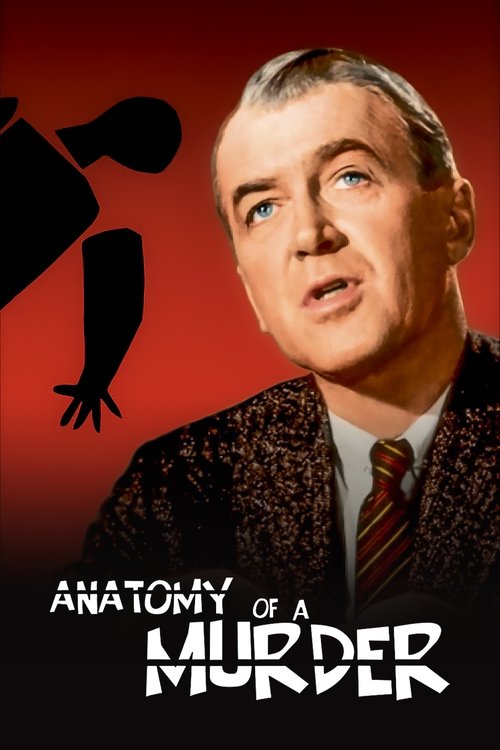
Anatomy of a Murder1959
Otto Preminger's courtroom procedural treats its subject with forensic precision and moral complexity. Jimmy Stewart is superb, and the film refuses easy answers about justice and guilt.
But It's two and a half hours of lawyers talking. There's almost no action, and the subject matter is grim.
The Battle of Algiers1966
Gillo Pontecorvo's docudrama about the Algerian War is a masterwork of political cinema. Shot like a newsreel, it shows resistance and occupation from multiple angles without moral sentimentality. Essential.
But It's didactic and unsparing; violence is unflinching. The formal experimentation will seem alien to those raised on conventional narrative.

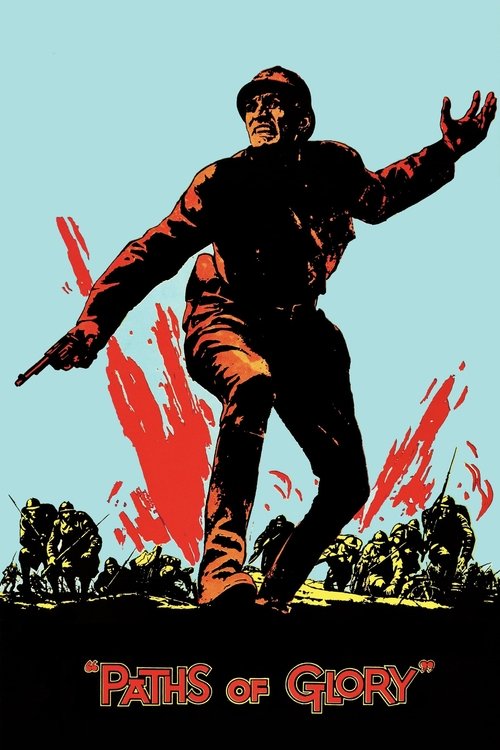
Paths of Glory1957
Kubrick's indictment of military hierarchy and the machinery of war. Kirk Douglas is magnificent, and the film builds from frontline chaos to a kangaroo court with relentless logic and quiet fury.
But The courtroom scenes are verbally dense; the film trusts the audience to follow argument rather than spectacle.
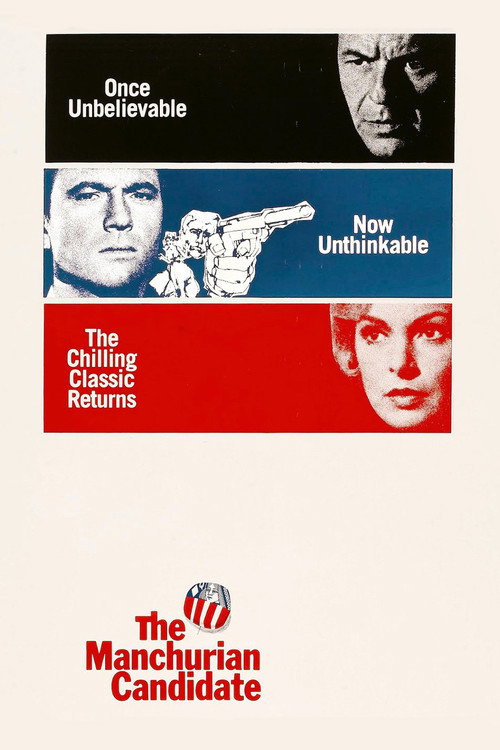
The Manchurian Candidate1962
John Frankenheimer's Cold War paranoia thriller is operatic and sinister. Frank Sinatra, Laurence Harvey, and Angela Lansbury navigate brainwashing, conspiracy, and the American political machine with dark humour and genuine unease.
But It's pulpy and its politics are now dated. The tonal shifts between comedy and conspiracy can feel messy to modern eyes.
Come and See1985
Both pit individuals against totalitarian machinery, but Come and See strips away the procedural thriller frame. Where Hangmen is suspenseful, this is primal horror. Same era, opposite temperaments.
Elem Klimov's Belarusian masterpiece follows a boy conscripted into WWII resistance, and it's the most harrowing war film ever made. It doesn't show war; it *transmits* it. Handheld, feverish, psychologically devastating. Nothing else achieves this.
But It's graphically violent and visually chaotic. The sound design is overwhelming. Many find it unwatchable, and that's partly the point—it refuses comfort.

A Prophet2009
Both are thrillers about survival in closed systems where trust is lethal and every move carries weight. Hangmen's Nazi occupation becomes Audiard's prison—the engine is identical, the costume different.
Jacques Audiard's prison film about a young man learning to survive and manipulate within an enclosed system of power. It's riveting, modern, and structurally mirrors Hangmen's logic of complicity, betrayal, and self-preservation under constraint.
But It's violent and morally murky; sympathy for the protagonist must be earned. The French subtitles and prison argot can feel opaque.

People
Cast
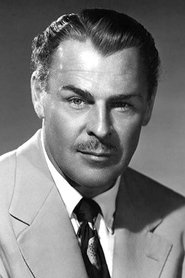 Brian DonlevyDr. Franticek Svoboda
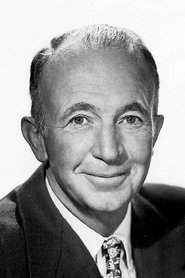 Walter BrennanProf. Stephen Novotny
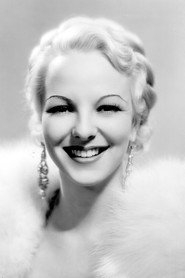 Anna LeeMasha Novotny
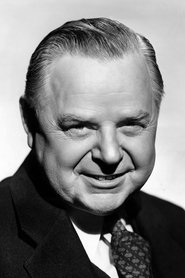 Gene LockhartEmil Czaka
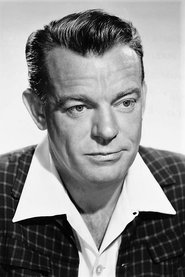 Dennis O'KeefeJan Horak
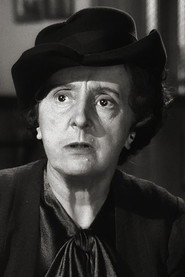 Margaret WycherlyLudmilla Novotny
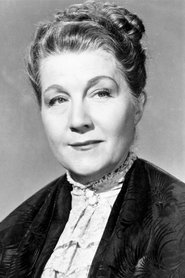 Nana BryantMrs. Hellie Novotny
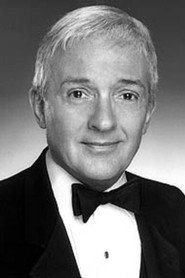 William RoyBoda Novotny
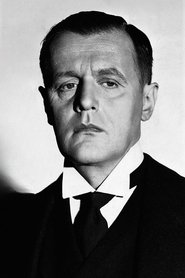 Hans Heinrich von TwardowskiReinhard Heydrich
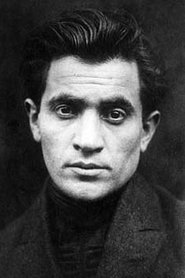 Alexander GranachGestapo Insp. Alois Gruber
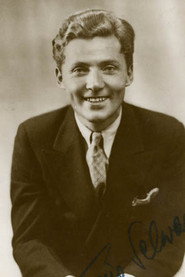 Tonio SelwartChief of Gestapo Kurt Haas
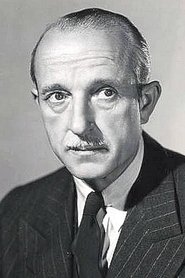 Jonathan HaleDedic
Directing
- Fred PressburgerAssistant Director
- Walter MayoAssistant Director
- Fritz LangDirector
Writing
- Bertolt BrechtAdaptation
- Fritz LangAdaptation
- Bertolt BrechtOriginal Story
- Fritz LangOriginal Story
- John WexleyScreenplay
Production
- Arnold PressburgerProducer
- Fritz LangProducer
- Carley HarrimanProduction Manager
Recommended by
Black Book, Passage to Marseille, The Conspirators, Hotel Berlin, Days of Glory, Hitler's Madman, Northern Pursuit, The Seventh Cross, Edge of Darkness, Escape, The Power and the Glory, Bomber's Moon, Appointment in Berlin, This Land Is Mine, De Gaulle: Liberté, Paris Calling, The Four Just Men