
Film
The Four Just Men
A 1939 British thriller about four WWI veterans who operate as vigilantes, murdering and sabotaging those they deem threats to the nation. It's a lean, taut 85 minutes of espionage and moral ambiguity—what happens when patriotism becomes a license to kill. For fans of pre-war political thrillers and anyone curious how cinema grappled with fascism's rise.
If you liked this
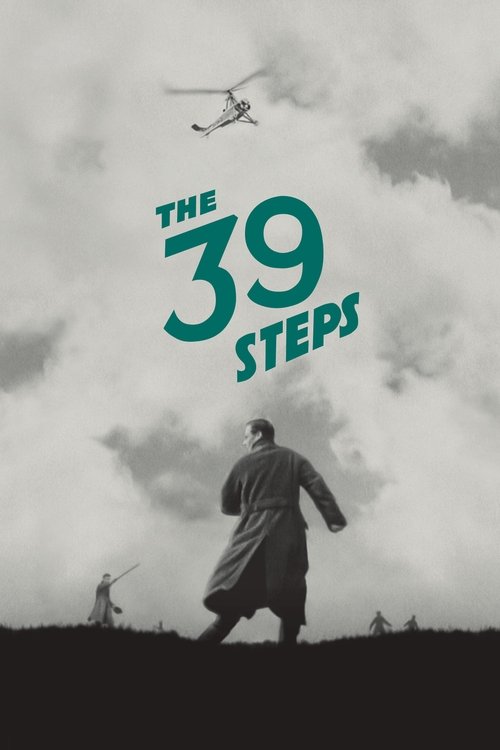
The 39 Steps1935
Hitchcock's masterclass in suspense: an innocent man wrongly accused, hunted across Scotland by both police and spies. Tense, witty, and built on a framework of pure momentum that never stops moving.
But Some of the gender politics feel dated, and the plot's mechanics strain credibility if you stop to think too hard about them.
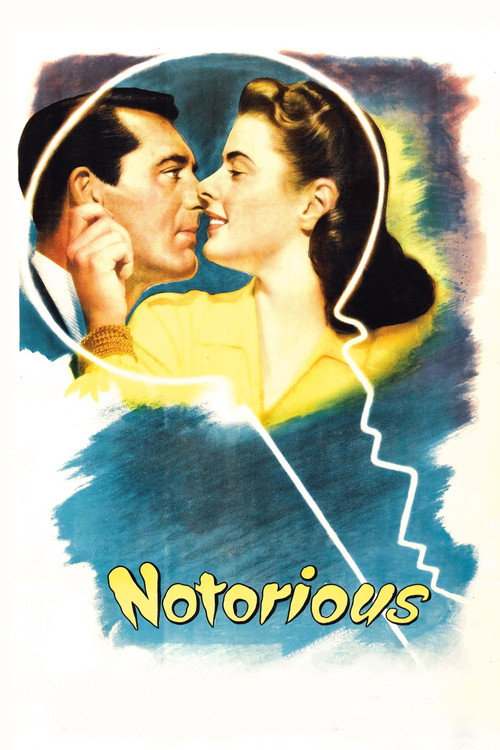
Notorious1946
A woman recruited to spy on her ex-lover, who's now a Nazi sympathizer. Hitchcock's most adult and morally complicated espionage film—erotic, cruel, and utterly gripping.
But It's slow-burn suspense rather than action; patience required. The ending might feel anticlimactic if you're expecting a spectacular finale.
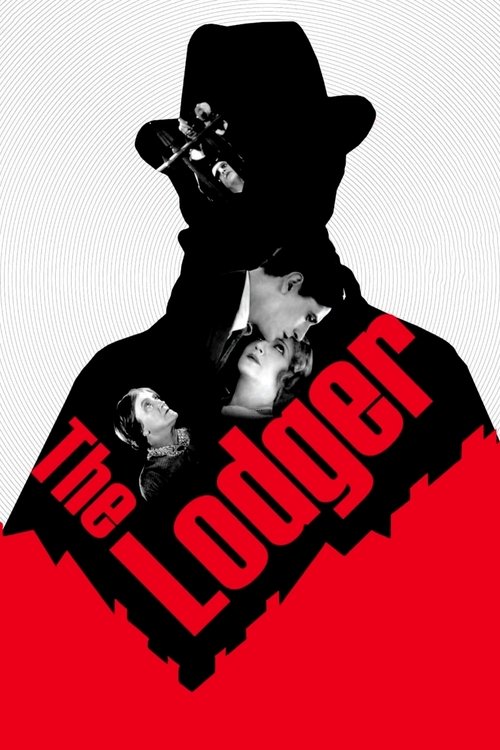
The Lodger: A Story of the London Fog1927
Hitchcock's silent debut about a mysterious lodger suspected of being a serial killer terrorizing London. Innovative visual storytelling and an atmosphere so thick you can feel it.
But Silent film's pacing is different; intertitles interrupt rhythm. The denouement reveals plot contrivances that strain modern credulity.
Not sure tonight? Get a pick in a minute, starting from The Four Just Men
The wildcard
Something you would not have found on your own.
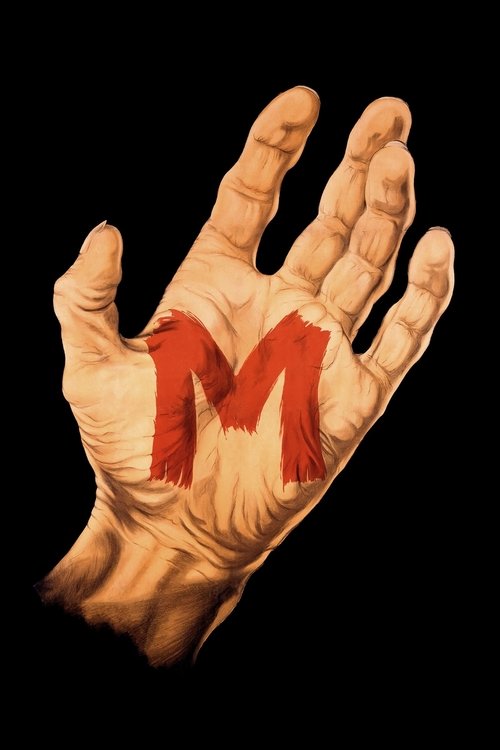
M1931
Both films pit moral certainty against political expediency. Both ask: when does your cause justify murder? M predates The Four Just Men and shows how that question can tear a society apart.
Fritz Lang's German masterpiece: a city hunts a child-murderer, and the mob catches him first. It's about collective madness, the mob's righteousness, and how easily vigilance becomes vigilantism. Essential cinema.
But It's bleak and compassionate toward its monster in ways that will unsettle you. Black-and-white German cinema from 1931 is not everyone's speed.
More like this (7)
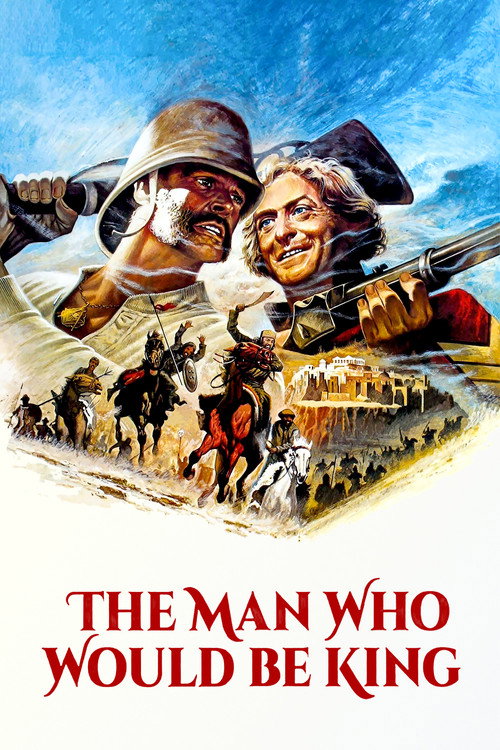
The Man Who Would Be King1975
Two British soldiers set themselves up as gods in a remote kingdom. Huston's adventure film carries real weight about ambition, friendship, and the arrogance of empire—funny and tragic in equal measure.
But It's leisurely and literary, not a action-driven romp. The second half trades momentum for philosophical reflection.
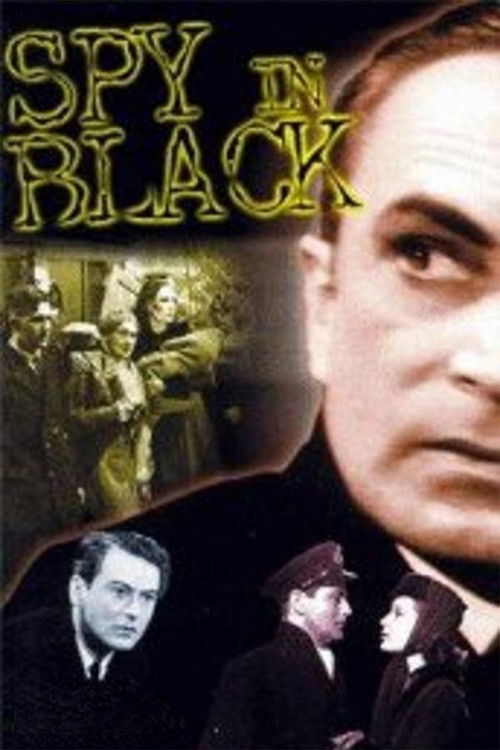
The Spy in Black1939
A German U-boat commander spies on the British Navy during WWI. Powell and Pressburger's first collaboration is tense, intimate, and explores the human cost of espionage work.
But The plot twists feel a bit schematic, and some supporting performances are uneven. It's also relatively obscure, so finding a good print takes effort.
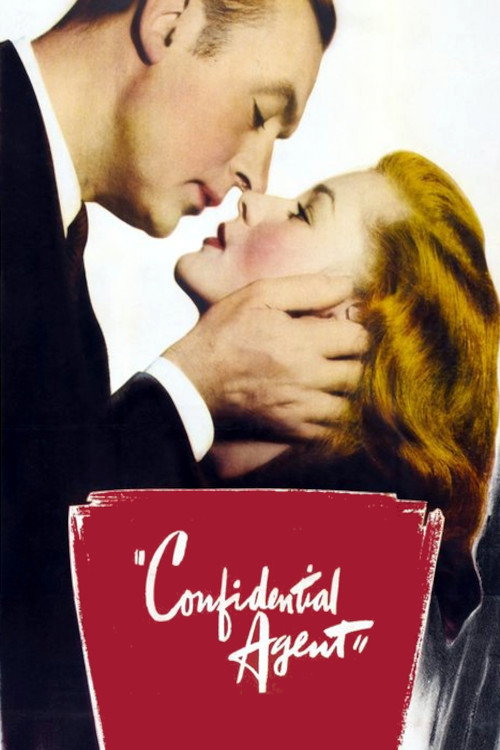
Confidential Agent1945
Charles Boyer as a Spanish Civil War refugee caught in wartime London intrigue. A genuine rarity that captures pre-war paranoia and moral chaos—spare, dark, deeply cynical.
But The plotting is tangled and sometimes unclear. It's been overshadowed by bigger contemporaries and feels slight on first viewing.
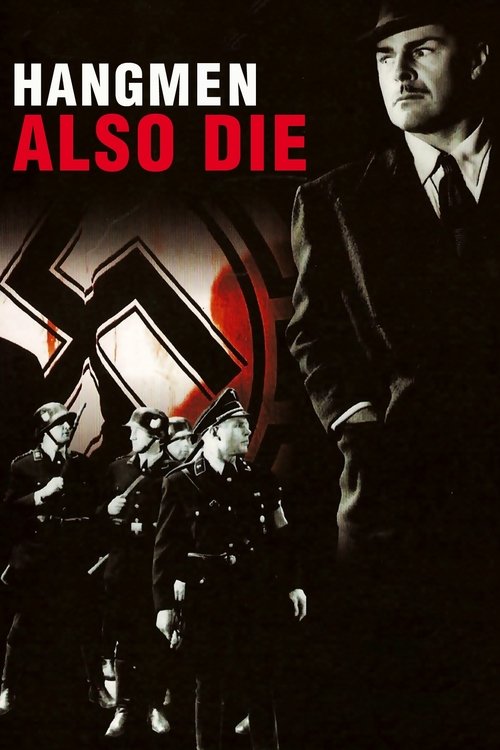
Hangmen Also Die!1943
Lang's wartime thriller about the assassination of Heydrich: Nazis hunting the killer through Prague, brilliance and desperation colliding. Brutal and unsentimental about resistance.
But The dialogue can feel stiff, and the mid-section sags. Distributed inconsistently; print quality varies wildly.
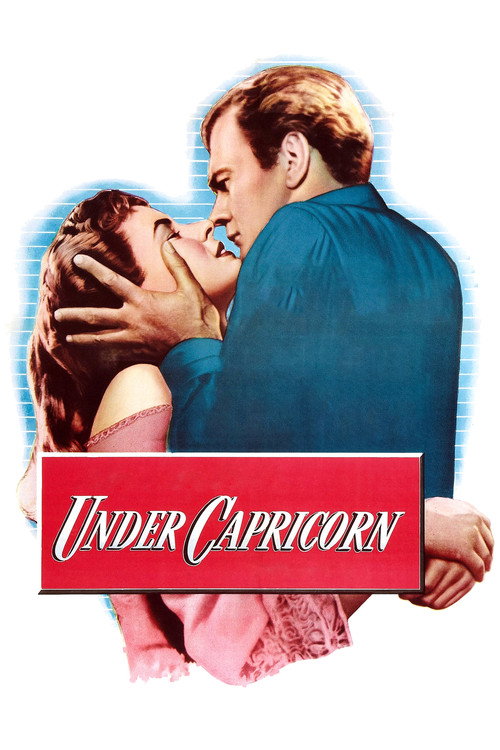
Under Capricorn1949
Hitchcock's Australian melodrama about a woman trapped in a manor with a traumatized husband. Visually adventurous and psychologically intricate—a film most directors never would have made.
But It's genuinely strange and slow; many find it indulgent. The performances can seem mannered by modern standards.
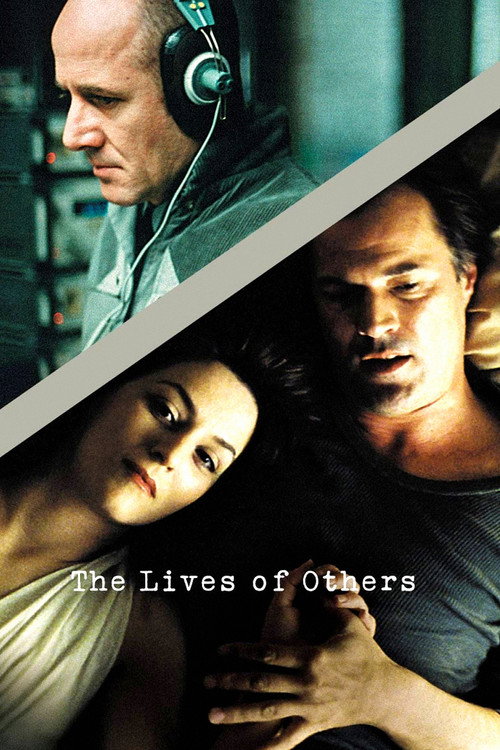
The Lives of Others2006
Like The Four Just Men, it explores the psychology of men who believe their surveillance and control serves the greater good. But it strips away patriotism's comfortable language and shows what that belief actually does to a person.
A Stasi agent monitors a playwright under East German surveillance. Slowly, the watcher becomes human again. It's about how power corrupts perception, and whether decency can survive a machine designed to extinguish it.
But It's methodical and quiet; the payoff is emotional rather than dramatic. Some find the redemption arc too neat, the film too hopeful about human nature.
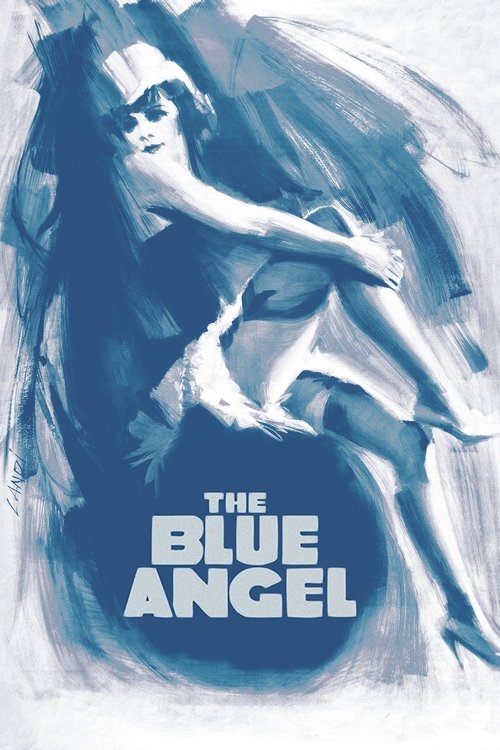
The Blue Angel1930
Both films emerge from the same moment: late-1930s anxious British and European cinema grappling with social decay. Both center men convinced their violence or manipulation serves a worthy end. Both are ultimately about corruption wearing the mask of righteousness.
Sternberg's German classic: a respectable professor destroyed by his infatuation with a cabaret singer. Decadence, class collapse, and the perfume of Weimar corruption. Marlene Dietrich is a force of nature.
But It's not a thriller—it's a slow-motion moral descent that some find glacial. The misogyny embedded in its plot is real and difficult, not ironic distance.
People
Cast
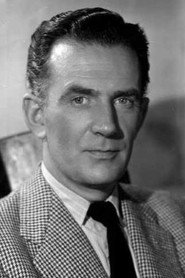 Hugh SinclairHumphrey Mansfield
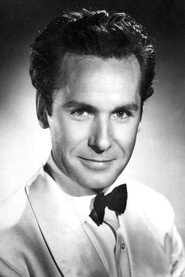 Griffith JonesJames Brodie
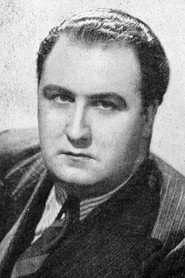 Francis L. SullivanLeon Poiccard
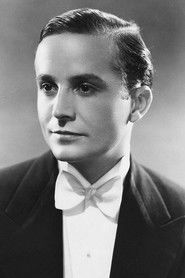 Frank LawtonJames Terry
 Anna LeeAnn Lodge
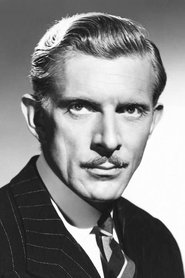 Alan NapierSir Hamar Ryman M.P.
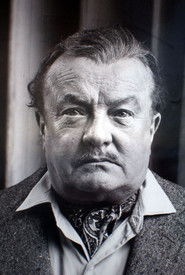 Basil SydneyFrank Snell
 Lydia SherwoodMyra Hastings
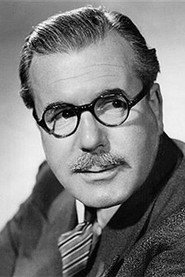 Edward ChapmanB.J. Burrell
 Athole StewartPolice Commissioner
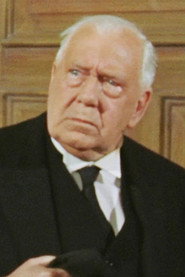 George MerrittInspector Falmouth
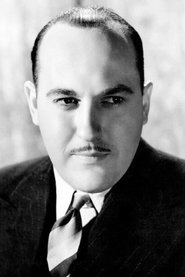 Garry MarshBill Grant
Directing
- Walter FordeDirector
Writing
- Edgar WallaceNovel
- Angus MacPhailWriter
- Roland PertweeWriter
- Sergei NolbandovWriter
Production
- S.C. BalconAssociate Producer
- Michael BalconProducer