
Film
"Pimpernel" Smith
A witty British wartime thriller that disguises itself as an archaeological adventure. Leslie Howard's professorial charm masks a daring rescue operation under Nazi noses. It's clever, tense, and grounded in real stakes—propaganda turned into subversion, with humour as both weapon and survival tool. For anyone who loves intelligent resistance stories.
If you liked this
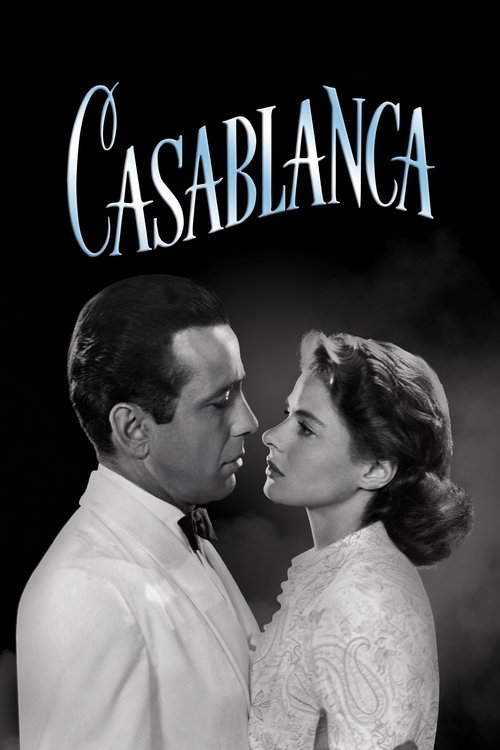
Casablanca1943
Sophisticated wartime drama where ordinary people navigate impossible moral choices under occupation. Bogart and Bergman embody the same tension between cynicism and conviction that drives Smith's double life.
But The romance subplot may feel dated, and the pacing slows in the middle act compared to constant forward momentum.
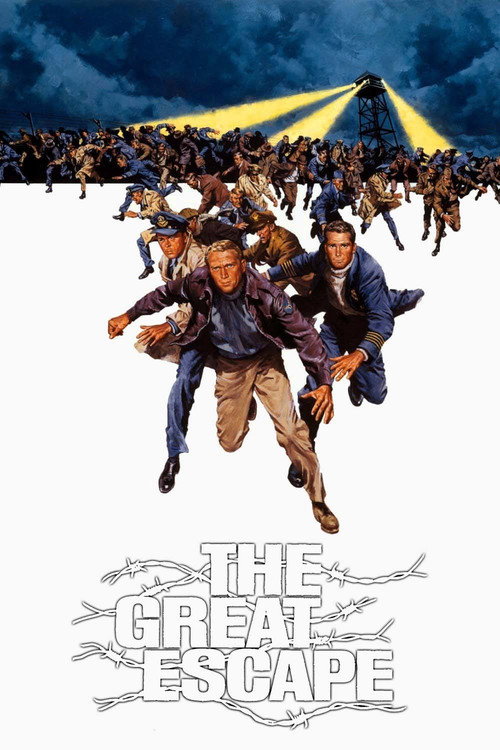
The Great Escape1963
Prisoner-of-war escape film that shares the same DNA: planning, ingenuity, and morale sustained by wit. Understands that outwitting authority is as thrilling as physical action, and that humour keeps you sane.
But Nearly three-and-a-half hours long, and the scope is much larger—less intimate than Smith's focused infiltration.
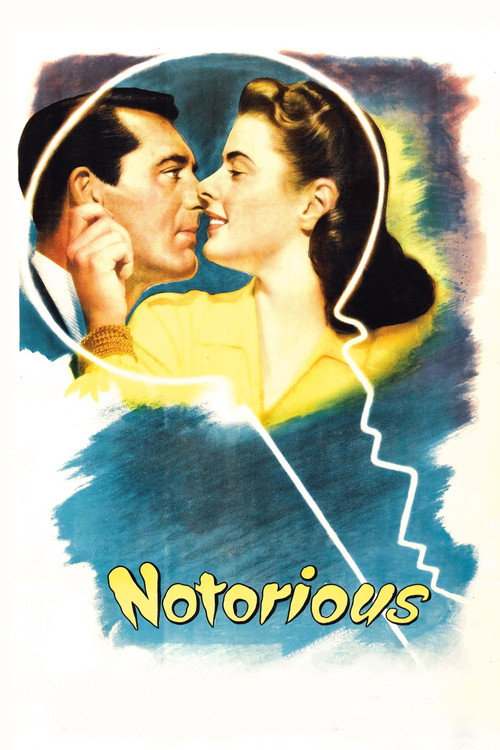
Notorious1946
Hitchcock's masterclass in tension and deception. A woman and man must maintain false identities inside enemy territory while falling in love. The psychological toll and moral ambiguity match the register of Smith's predicament perfectly.
But Slower burn than you might expect from Hitchcock; some viewers find the domestic sections claustrophobic rather than gripping.
Not sure tonight? Get a pick in a minute, starting from "Pimpernel" Smith
The wildcard
Something you would not have found on your own.
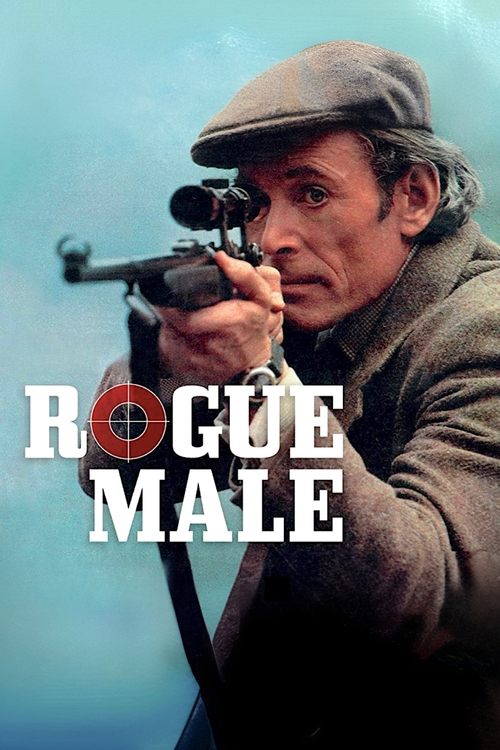
Rogue Male1976
Both films compress WWII resistance into the story of one fugitive using intellect and nerve to stay alive. Both understand that the real enemy is the machinery of state, not individual villains. Both ask whether survival requires losing your humanity.
A man hunted across Europe after a failed assassination attempt on a fascist dictator. This BBC miniseries is survival and paranoia distilled to their essence—every landscape is hostile, every conversation is a negotiation with death. Tense, intelligent, and absolutely committed to moral ambiguity.
But Made for television in 1976, the visual language is spare and often static. It demands patience and quiet attention; there are no action sequences or romantic relief.
More like this (8)
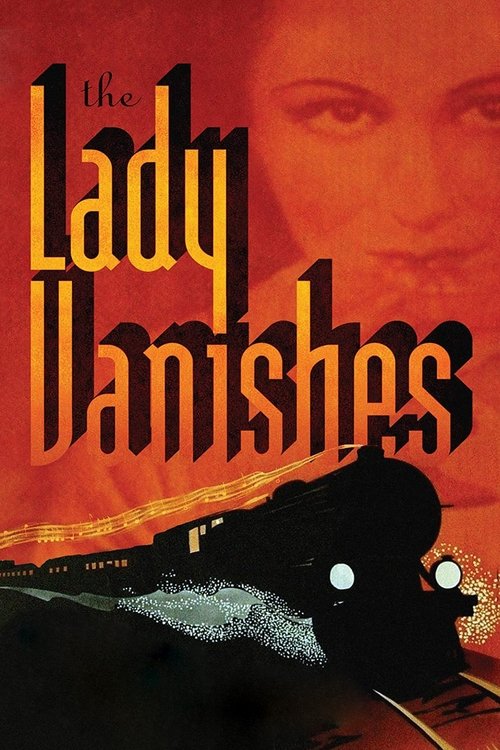
The Lady Vanishes1938
Hitchcock again, earlier, lighter but with teeth. A passenger train becomes a chessboard of suspicion and misdirection. Shows how genre entertainment can be both fun and intellectually rigorous—Smith's exact balance.
But The light comedy tone may undercut urgency for viewers wanting straightforward suspense throughout.
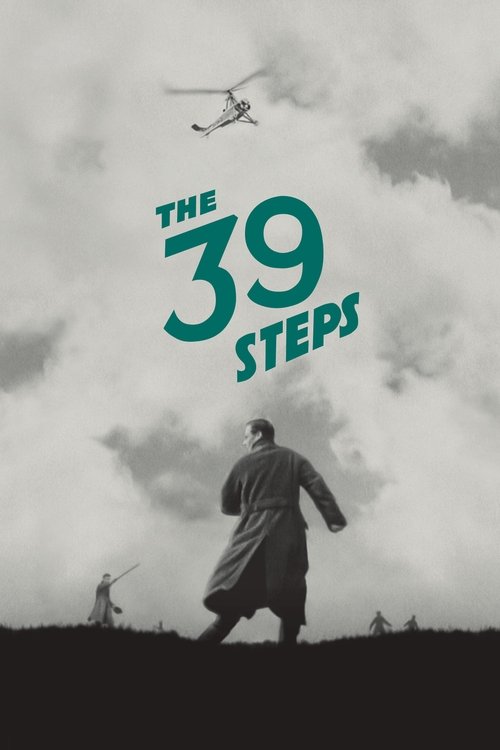
The 39 Steps1935
Hitchcock's prototype: an ordinary man tangled in espionage, aided by quick thinking and charm. The model for how to make a thriller where personality and improvisation matter as much as plot.
But The pacing feels deliberately artificial now—it's a game first, a thriller second, which some find gimmicky.
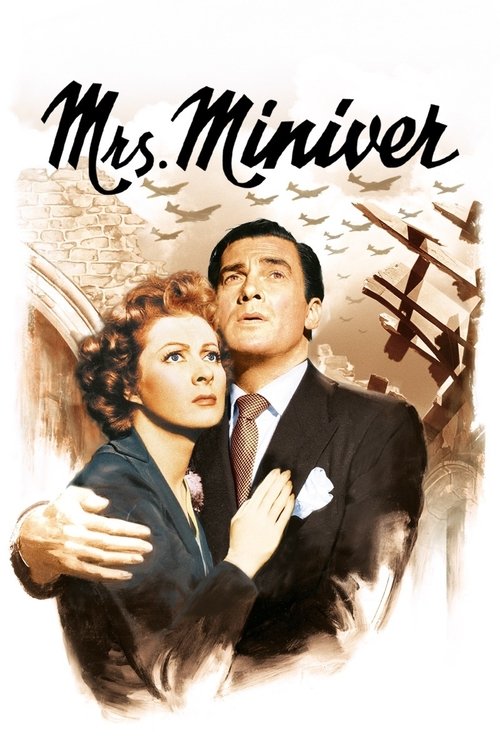
Mrs. Miniver1942
Contemporary British wartime film that balances domestic life with the shadow of occupation. Shows how ordinary people hold onto dignity and defiance under extraordinary pressure. The same emotional stakes as Smith.
But Sentiment is the engine here more than suspense, and the propaganda purpose is visible, which may feel manipulative.
The Spy in Black1939
Early Powell and Pressburger spy thriller with genuine stakes and atmosphere. A German officer and British officer cat-and-mouse across enemy lines. Knows that spycraft is deception layered on deception.
But The print quality can be rough, and the pacing is deliberate—not a film that rushes.
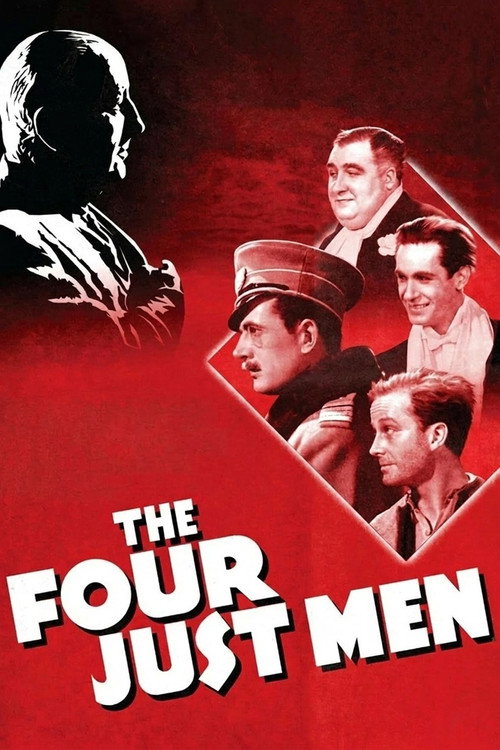
The Four Just Men1939
British thriller about civilians working against Nazi interests before Britain enters the war. The improvisation and moral rightness of rule-breaking mirror Smith's situation closely, with solid character work.
But Lesser-known for good reason—the third act loses focus and the ending feels rushed and compromised.
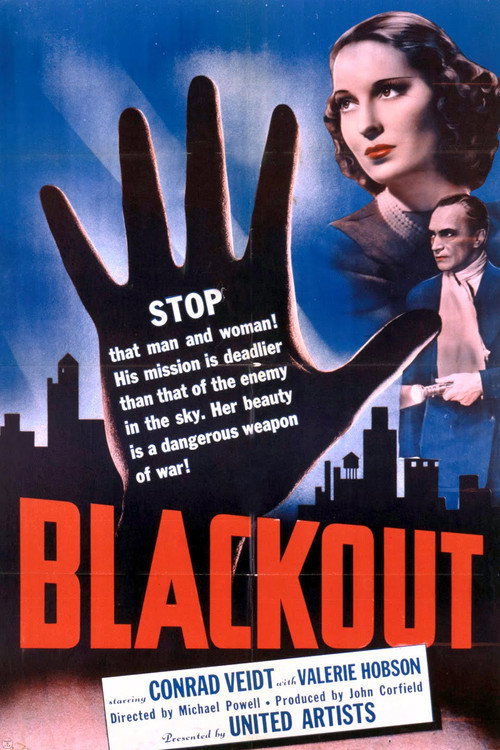
Contraband1940
Wartime spy film with real period atmosphere. A ship captain becomes entangled in espionage when enemy agents board his vessel. Confined spaces and forced proximity create tension without elaborate set pieces.
But Fairly obscure even for WWII thrillers, and the naval plot mechanics may feel distant if you're looking for intimate character work.
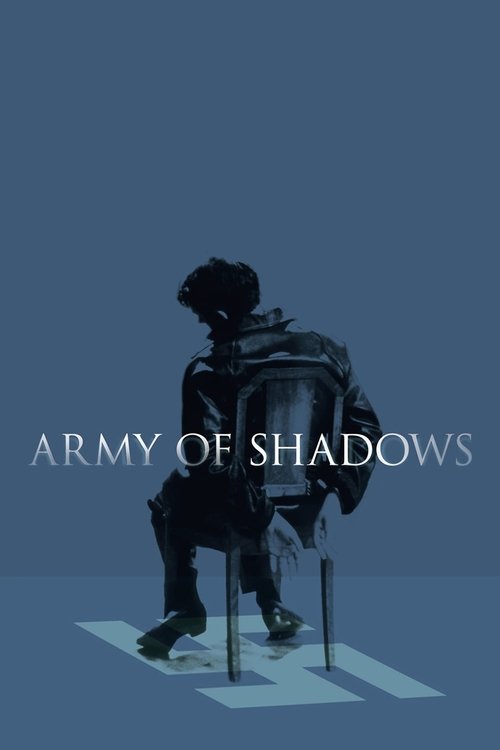
Army of Shadows1969
Both films know that real resistance is lonely, unglamorous work. Smith's charm and wit come from refusing to be diminished by circumstances; Melville's characters are already diminished and have to act anyway. Different routes to the same moral seriousness.
Melville's masterpiece about French Resistance fighters. No heroics, no speeches. Just men and women making impossible choices in muted colours and shadowed rooms. The emotional cost of resistance is the entire subject. Devastating.
But French dialogue with subtitles, deliberately paced, almost no action. The mood is dread and exhaustion, not excitement. Many viewers find it punishingly slow.
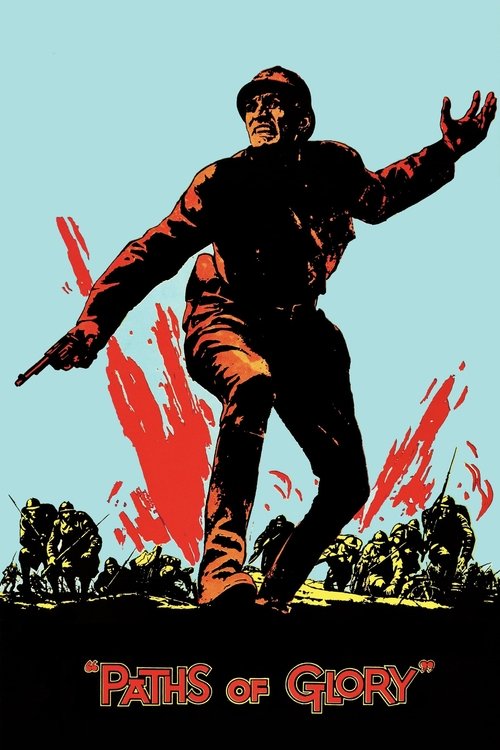
Paths of Glory1957
Both films are about intelligent men caught between complicity and resistance. Both ask whether individual morality can survive institutional evil. Paths of Glory says no and breaks you with it; Smith says maybe, if you're clever and willing to live as a ghost. Same question, opposite faiths.
Kubrick's WWI court-martial drama, but it's about institutional cruelty and the powerlessness of conscience. A colonel tries to save his men from execution by refusing the system's logic. It's Smith's dilemma stripped to philosophy—how do you maintain integrity when the game is rigged?
But Not WWII. Brutal in its cynicism about power. The ending offers no comfort, and the film has no interest in heroics or redemption. Black and white, austere, relentless.
People
Cast
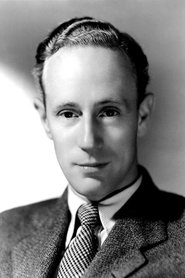 Leslie HowardProfessor Horatio Smith
- Francis L. SullivanGeneral von Graum
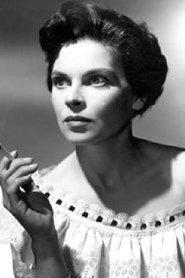 Mary MorrisLudmilla Koslowski
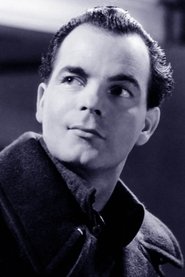 Hugh McDermottDavid Maxwell
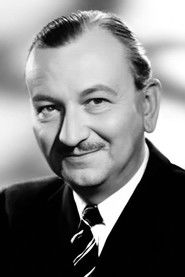 Raymond HuntleyMarx
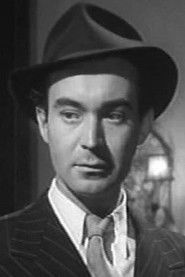 Manning WhileyBertie Gregson
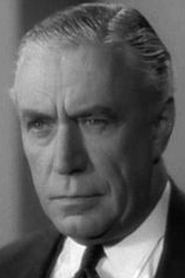 Peter GawthorneSidimir Koslowski
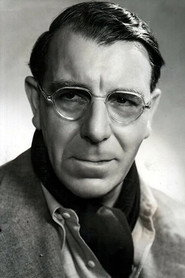 Allan JeayesDr Benckendorf
- Dennis ArundellHoffman
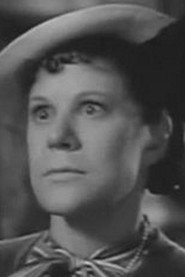 Joan Kemp-WelchSchool-Teacher
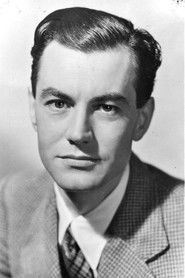 Philip FriendSpencer
- Laurence KitchinClarence Elstead
Directing
- George PollockAssistant Director
- Leslie HowardDirector
Writing
- Baroness Emmuska OrczyNovel
- A. G. MacDonellOriginal Story
- Wolfgang WilhelmOriginal Story
- Anatole de GrunwaldScenario Writer
- Roland PertweeScenario Writer
- Anatole de GrunwaldScreenplay
Production
- Harold HuthAssociate Producer
- Leslie HowardProducer
- Phil C. SamuelProduction Manager