
Film
Mrs. Miniver
This is Hollywood's vision of British stoicism under bombardment: a comfortable Home Counties family whose petty domestic frictions—a hat, a rose competition, a squabbling engagement—are steadily overtaken by war. Garson's calm, luminous performance anchors it. It's polished, moving, unapologetically sentimental studio filmmaking pitched at wartime morale, the kind of picture Churchill said did more for the war effort than a flotilla.
If you liked this
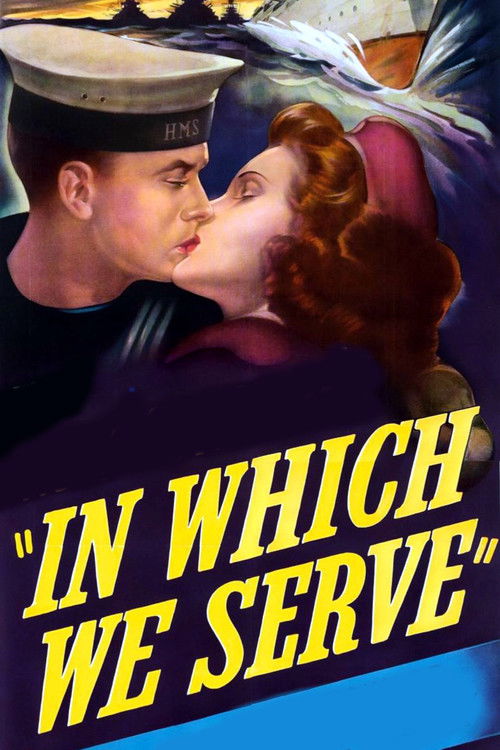
In Which We Serve1942
Noel Coward's own experience of naval command becomes a tense, moving ensemble drama about British endurance at sea, made the same wartime year with the same stiff-upper-lip conviction.
But Coward's clipped patriotism and naval jargon can feel stern and dated compared to Miniver's warmer domestic focus.
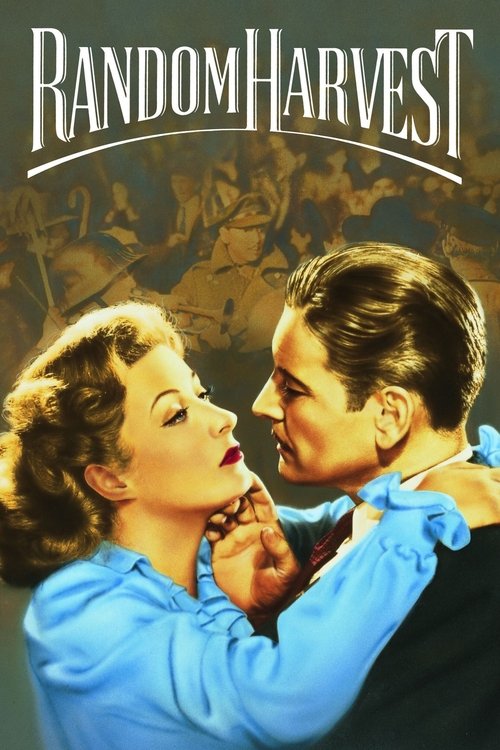
Random Harvest1942
Garson reunites with MGM's wartime machine for a lush amnesia romance opposite Ronald Colman, proof she could carry heartbreak as gracefully as resolve.
But It trades the war's urgency for pure melodrama, so if you wanted history you'll get soap opera instead.
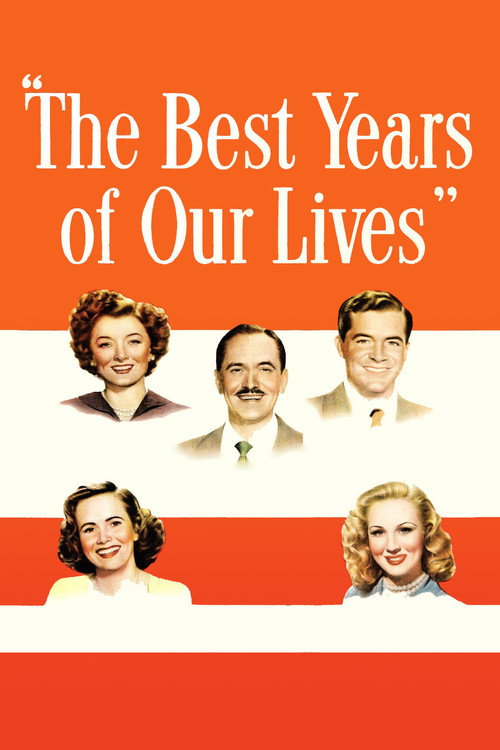
The Best Years of Our Lives1946
Where Miniver shows the war arriving, this shows it leaving, following three servicemen struggling to fit back into homes that moved on without them.
But It's frank about disability and disillusionment in ways the earlier film's cheerful morale-boosting never risks.
The wildcard
Something you would not have found on your own.
Listen to Britain1942no page yet
Made the same year for the same propaganda purpose, it shows the unvarnished reality Mrs. Miniver dramatizes—the difference between Hollywood's tears and Britain's own footage of itself enduring.
Humphrey Jennings' wordless nineteen-minute documentary is the real texture Mrs. Miniver is dramatizing—factory shifts, dance halls, church bells and Spitfires overlapping into pure sound-and-image poetry.
But There's no story, no dialogue and barely a face you'll remember; it's a mood piece, not a movie.
More like this (8)
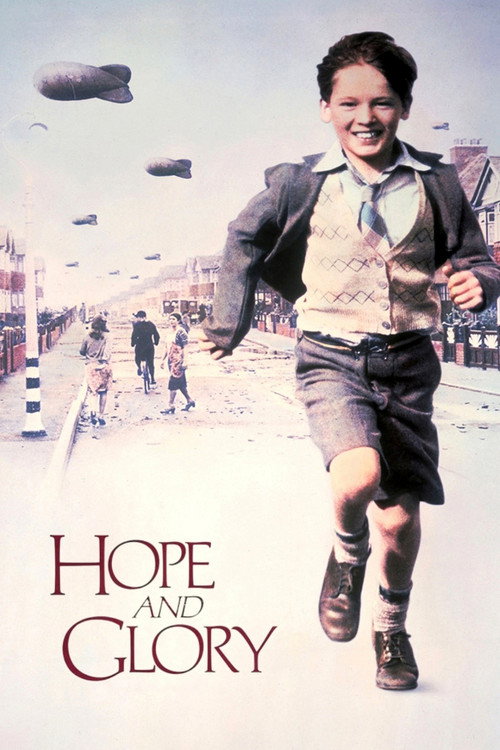
Hope and Glory1987
John Boorman remembers the Blitz from a child's eye level, where a bombed house is also, thrillingly, a school holiday—funnier and stranger than the propaganda version.
But Its cheerful amorality about destruction might unsettle anyone expecting Miniver's dignified grief.
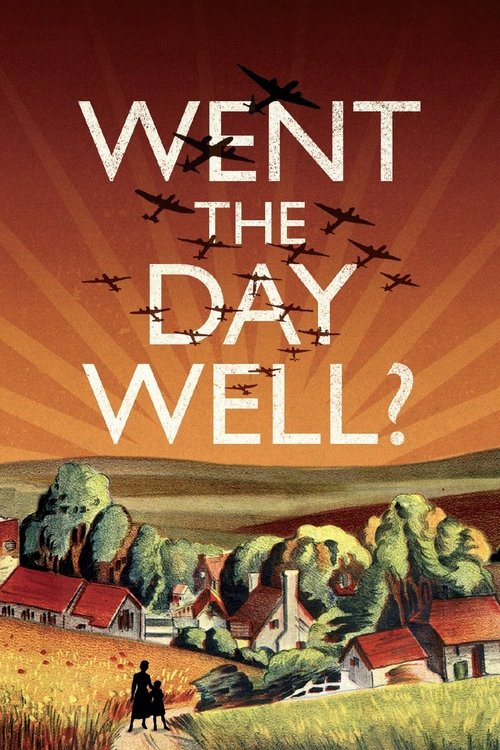
Went the Day Well?1942
An English village turns out to be the front line when German paratroopers infiltrate disguised as soldiers—same setting, same year, considerably sharper teeth.
But It's a ruthless little thriller, not a family drama, so don't expect Miniver's warmth or its rose show.
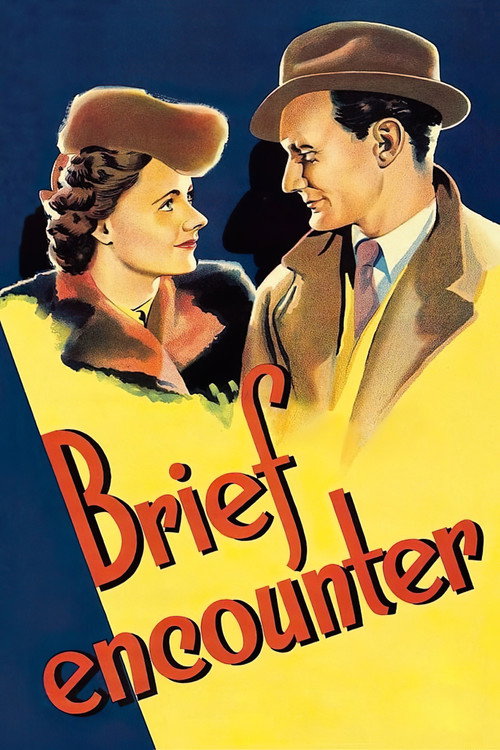
Brief Encounter1945
David Lean and Celia Johnson turn English restraint into an aching romance, the same repressed decency that makes Miniver's marriage so quietly moving.
But There's no war here at all, just two people failing to say what they feel—a different kind of ache.
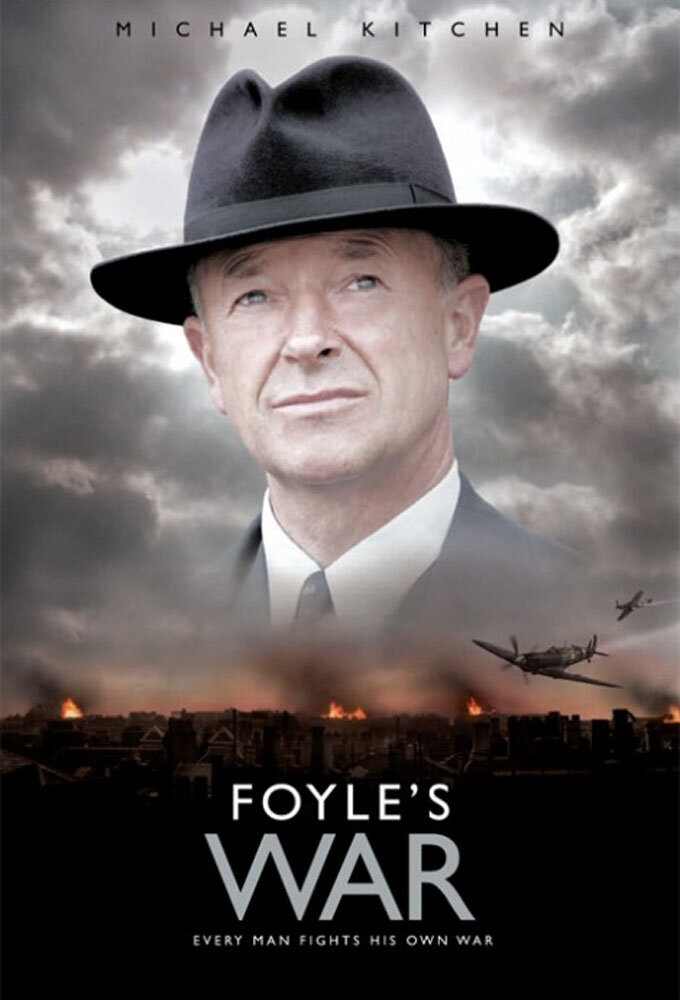
Foyle's War2002
A retired policeman investigates murder in a Sussex town under blackout and rationing, giving you decades of Miniver's homefront texture with a mystery to chew on.
But It's a long, gentle procedural commitment, closer to comfort television than cinema's emotional peaks.
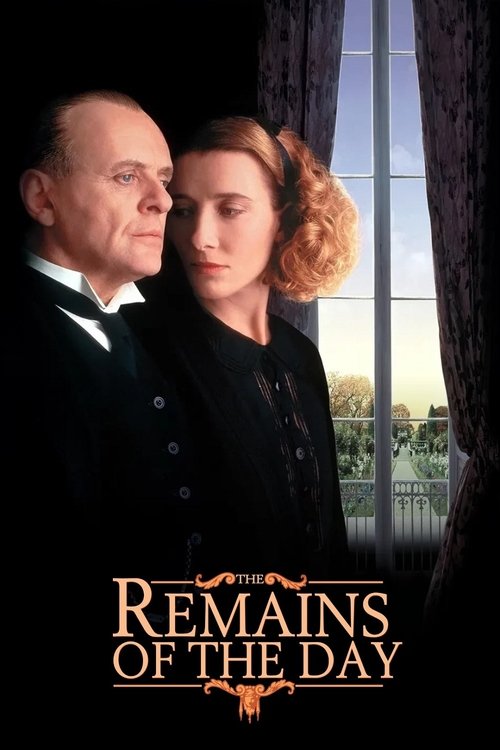
The Remains of the Day1993
Another English house, another war creeping toward the door, another story about people too dutiful to say the true thing until it's too late.
But It's colder and more devastating than Miniver ever allows itself to be, with no uplift at the end.
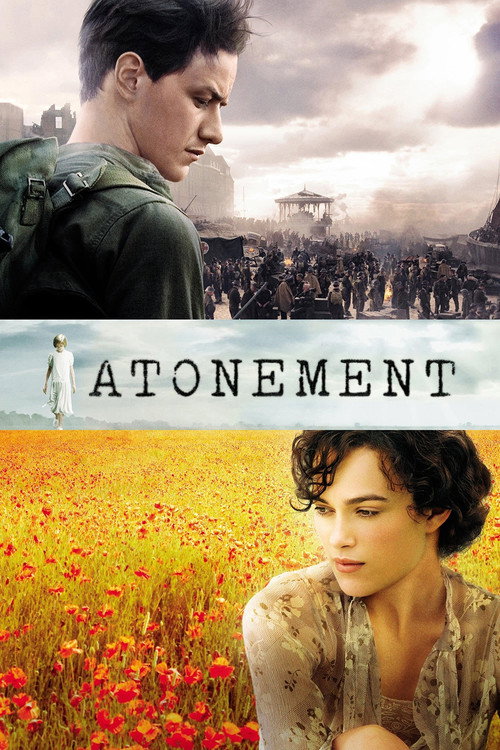
Atonement2007
Class, an English garden, a war that arrives and rearranges every relationship—the same ingredients reheated with a modern eye for how memory lies.
But Its structural trickery and bleak final turn are a long way from Miniver's straightforward, comforting sincerity.
Dad's Army1968
Takes the exact home-front furniture—vicars, squires, air-raid wardens, British pluck—and runs it through comedy instead of melodrama, revealing how thin the line was between the two all along.
The same English village bracing for invasion, the same stiff decency and class comedy, played instead as a beloved sitcom about a hopeless, lovable Home Guard platoon.
But It's broad, silly and studio-bound in a way that can feel a world away from Miniver's earnest tears.

The Cranes Are Flying1957no page yet
Same premise, a home front and a woman enduring while men go to war, filtered through Soviet realism instead of Hollywood uplift, showing how differently two allied nations turned the same war into cinema.
A Soviet masterpiece about a woman waiting for her fiancé through a war that reshapes her whole life, with camerawork so bold it makes Miniver's studio gloss look positively tame.
But Subtitled and mournful, it refuses Miniver's reassurance—this is grief without a comforting church service at the end.
People
Cast
 Greer GarsonMrs. Miniver
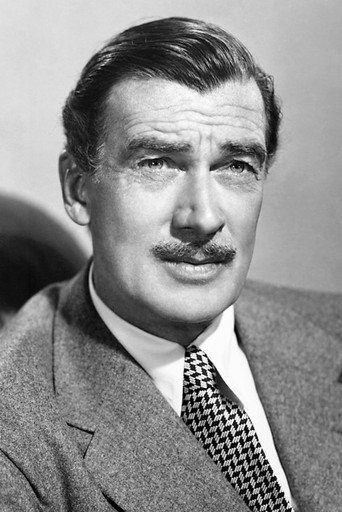 Walter PidgeonClem Miniver
 Teresa WrightCarol Beldon
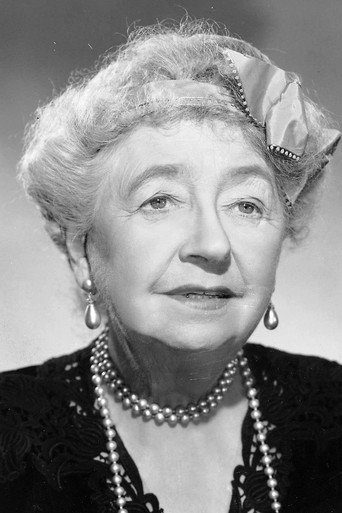 May WhittyLady Beldon
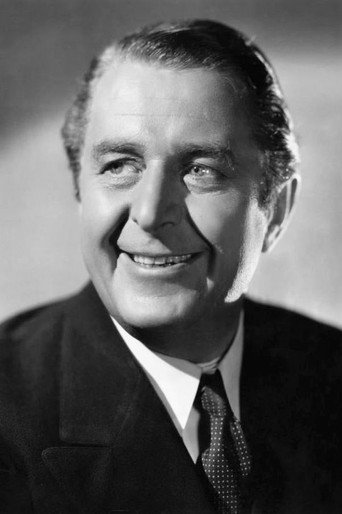 Reginald OwenFoley
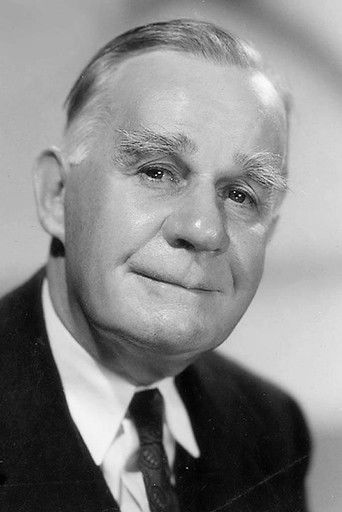 Henry TraversMr. Ballard
 Richard NeyVin Miniver
 Henry WilcoxonVicar
- Christopher SevernToby Miniver
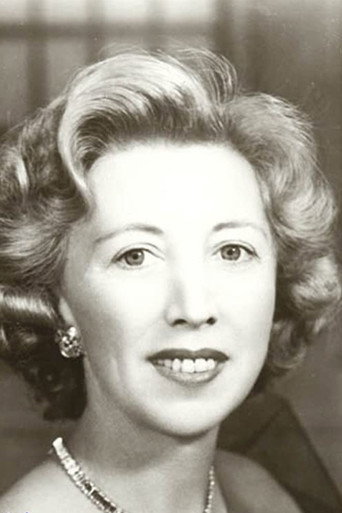 Brenda ForbesGladys
 Clare SandarsJudy Miniver
Directing
- William WylerDirector
Writing
- Jan StrutherNovel
- Arthur WimperisScreenplay
- Claudine WestScreenplay
- George FroeschelScreenplay
- James HiltonScreenplay
Production
- Sidney FranklinProducer
- William WylerProducer
Recommended by
The Best Years of Our Lives, Cavalcade, Random Harvest, Testament of Youth