
Film
Dangerous Moonlight
A 1941 wartime romance following a Polish pianist-pilot who loses his memory after combat, told through flashbacks as he recovers in an English hospital. It's a sweeping, emotionally urgent film that uses music and fractured narrative to capture displacement and longing during the early war years. For those drawn to romantic melodrama with real historical stakes.
Should you watch it?
Watch it if you like wartime romances where the love story is built from fragile, half-remembered moments and a score that does much of the talking.
Skip it if you need brisk plotting, since its wartime romance drifts and lingers, and the sentiment is laid on thick for a 1940s melodrama.
What it asks of you: Ninety-four minutes, unhurried through its middle, with quiet pauses and swelling sentiment that want you to sit with the feeling rather than race ahead.
Not sure? Find tonight's pick in a minute.
If you liked this
The 39 Steps1935
Hitchcock's perfect blend of suspense, romance, and wit—a man on the run across Scotland with a woman he doesn't trust but desperately needs. Fast, clever, and genuinely thrilling without losing sight of human connection.
But It's nearly eighty-five years old and the pacing occasionally feels stagy; some plot turns rely on coincidence rather than character.
Brief Encounter1945
Coward's masterpiece about two strangers meeting by chance and falling quietly in love—all passion contained by propriety and circumstance. Shot through with yearning, regret, and the ache of what cannot be said aloud.
But The emotional restraint might feel slow if you're expecting overt drama. It's subtle work that demands you meet it halfway.

The Way Ahead1944
Reed's ensemble film about British soldiers preparing for war—it catches the mixture of camaraderie, uncertainty, and quiet determination that defined the period. Urgent without being shrill, humane without sentimentality.
But There's no single love story to anchor it; some find the ensemble approach diffuse compared to a tighter narrative.
Not sure tonight? Get a pick in a minute, starting from Dangerous Moonlight
The wildcard
Something you would not have found on your own.
Notorious1946
Both are wartime romances where historical catastrophe—Poland's fall, Nazi infiltration—is inseparable from intimate longing. Both use a woman's perspective to measure the cost of war on the heart.
Hitchcock's masterpiece about a woman seduced into espionage, genuinely in love with the man using her. The famous wine cellar kiss, the paranoia, the moral vertigo—it's romantic thriller as character study, about betrayal and the impossible distance between desire and trust.
But It's bleak. The romance is real but poisoned; if you want love to win cleanly, this will unsettle you.
More like this (8)
Waterloo Bridge1940
A soldier and a dancer fall in love in wartime London, then circumstances tear them apart. Genuinely moving, with Vivien Leigh at her most fragile and the film unafraid to sit with heartbreak.
But The ending divides viewers sharply; some find it emotionally earned, others feel it's unduly punitive toward the female character.
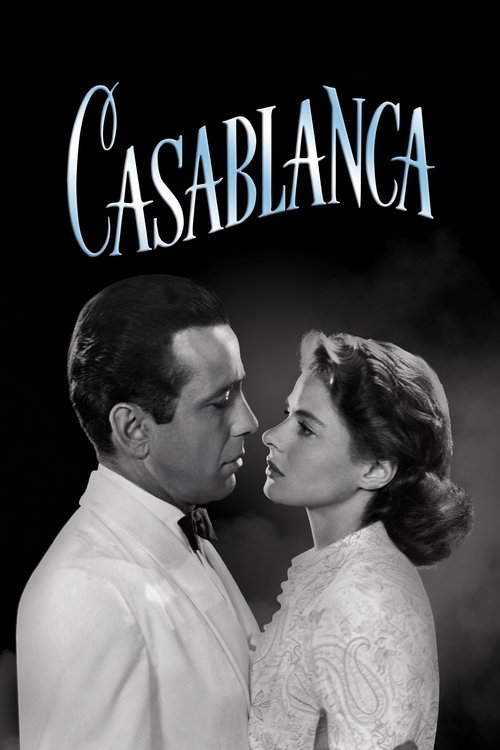
Casablanca1943
The gold standard: a film about impossible choices, old love, and sacrifice set against the backdrop of war. Every scene, every line works. If you haven't seen it, you should. If you have, it rewards another watch.
But Its iconic status can make it feel familiar even on first viewing; some modern viewers find the pacing deliberate rather than measured.
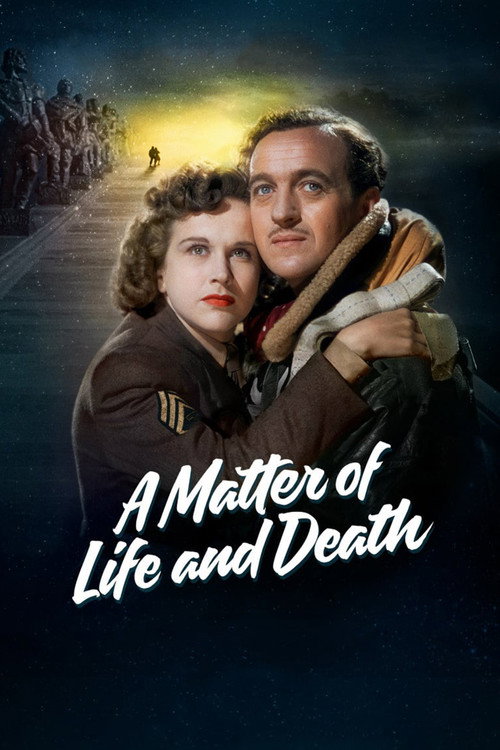
A Matter of Life and Death1946
Powell and Pressburger's extraordinary film about a pilot who should have died but didn't—a romance between him and an American radio operator unfolds while he's caught between this world and the next. Visually inventive and philosophically ambitious.
But The fantastical elements and colour cinematography can feel excessive; it's a film that asks you to surrender to its logic completely.
The Red Shoes1948
A ballet dancer torn between love and art, between a man and a mentor. Powell and Pressburger again create something visually ravishing and emotionally devastating about the price of ambition and desire.
But The ballet sequences are long; if dance bores you, those stretches will test your patience.

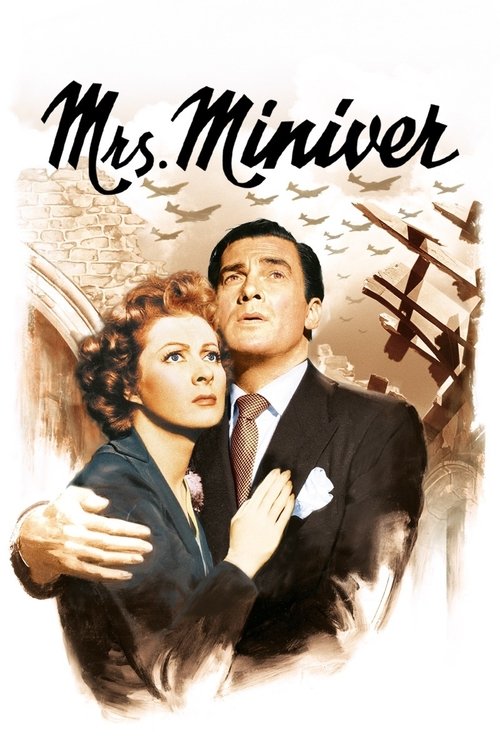
Mrs. Miniver1942
A British family endures the London Blitz and air raids. It's sentimental, yes, but it captures something true about ordinary courage and the way love sustains people through terror.
But The sentiment can tip into treacle; it won Best Picture and some find it overwrought compared to more restrained wartime dramas.
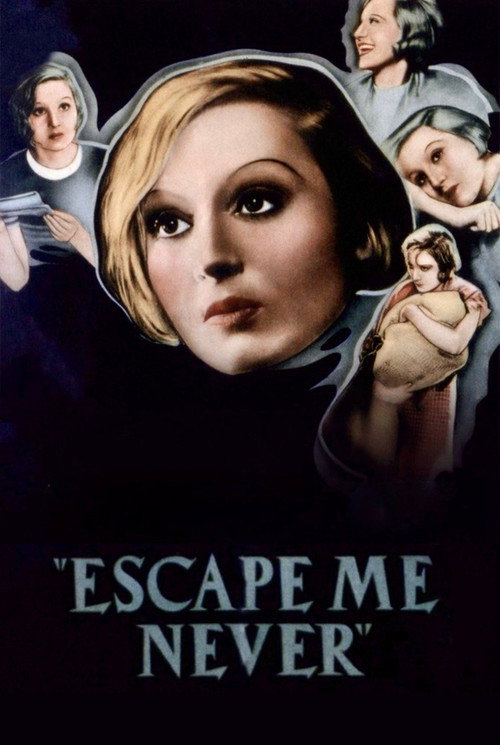
Escape Me Never1935
A pianist and a woman from the slums; she loves him, he's caught between her and his art and his ambitions. Pre-war Walbrook, who brings aristocratic vulnerability to romantic entanglement and moral confusion.
But It's from the mid-thirties and shows it—pacing feels glacial by modern standards, and the plot hinges on social attitudes now unmoored from their context.
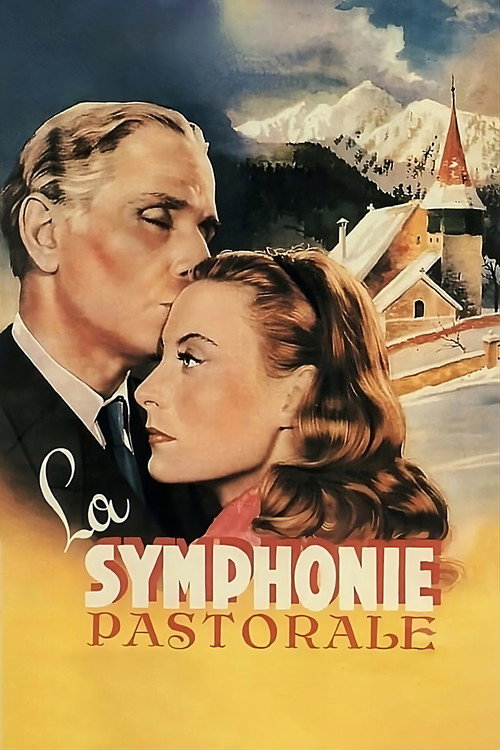
Pastoral Symphony1946
Both centre on a musician of unusual sensitivity caught between their art and another person. Both use the war as context for exploring how desire blinds us to moral reality. Both are European films about damage and displacement.
A Swiss Protestant pastor takes in a blind orphan girl during wartime. What begins as Christian charity becomes something far more complicated: Delannoy's film is restrained, austere, about the way desire can corrupt goodness. Gérard Philipe is magnetic. Shot in black and white in the Jura.
But It's a critique of its own male protagonist and his self-delusion; some find the moral severity punishing, and the film offers no comfort.
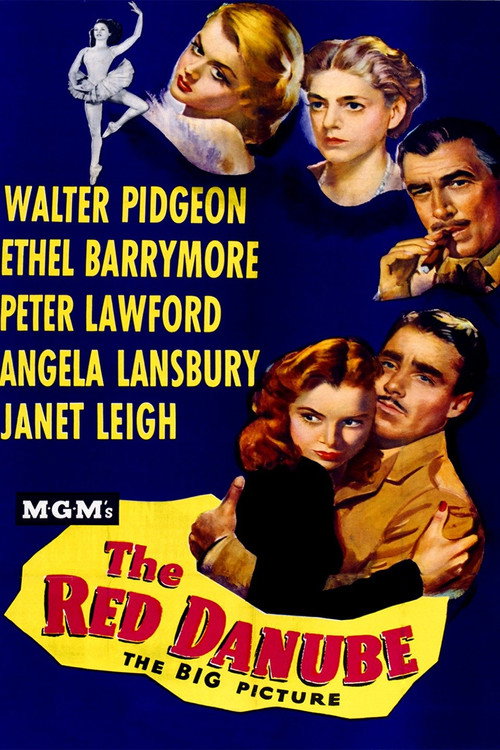
The Red Danube1949
Both are about Central European artists displaced by war, finding love in enemy territory, forced to choose between safety and the person they love. Both suggest that in wartime, romance and exile are the same story.
Post-war Vienna: a British officer, a Soviet colonel, and a displaced Hungarian dancer caught between two superpowers. It's melodrama dressed as geopolitics, but genuine—about the way love and survival become impossible to separate when empires collide.
But It's schematic (good Brit, bad Soviet) and the ending is thick with propaganda. The artifice shows; some will find it too clearly aligned with Cold War messaging.
People
Cast
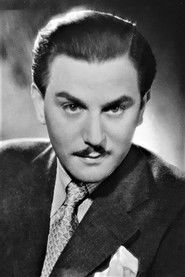 Anton WalbrookStefan 'Steve' Radetzky
 Sally GrayCarol Peters Radetzky
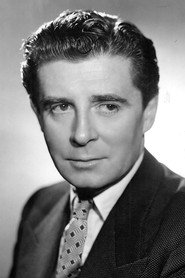 Derrick De MarneyMike Carroll
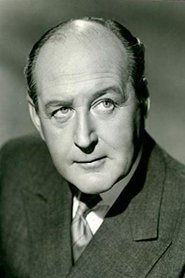 Cecil ParkerSpecialist
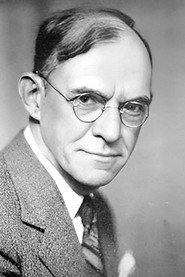 Percy ParsonsBill Peters
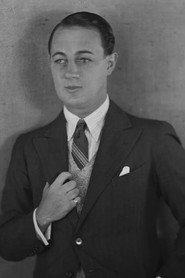 Kenneth KentAndre De Guise
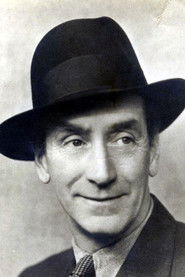 J.H. RobertsResiding Physician (as J.H.Roberts)
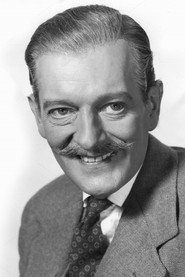 Guy MiddletonShorty
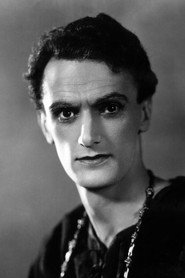 John LaurieBritish Commander
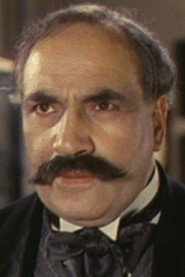 Frederick ValkPolish Bomber Commander
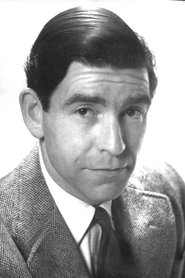 Robert BeattyReporter with Carol
 O.B. ClarenceWaiter with Tray of Wine
Directing
- Brian Desmond HurstDirector
Writing
- Terence YoungOriginal Story
- Terence YoungScreenplay
- Rodney AcklandWriter
Production
- William SistromProducer
Recommended by
Night Train to Munich, Thunderhead: Son of Flicka, Moonlight Sonata, The Man in Grey, Bomber's Moon