
Film
Moonlight Sonata
- Romantic drama
- Light-hearted
A 1937 curiosity that casts the legendary Polish pianist Ignacy Jan Paderewski as himself, stranded with other plane crash survivors at a Swedish baroness's estate. It's a gentle, aristocratic romance built around Paderewski's performance of his own compositions. A window into how cinema once celebrated classical music, and a chance to watch a musical giant interpret his own work.
Should you watch it?
Watch it if you come for a pianist's playing as much as the romance, and you're happy with a gentle, old-fashioned story where the music does the talking between glances.
Skip it if you want a tightly plotted romance with modern pacing; the drama is light, and the stretches of playing can feel like a concert interrupted by a story.
What it asks of you: Eighty-six minutes at an unhurried, courtly pace, with long takes of piano and quiet talk; scenes are allowed to linger and you have to settle into them.
Not sure? Find tonight's pick in a minute.
If you liked this
The Philadelphia Story1940
Elegant romantic comedy with a similar sense of refined social comedy and romantic entanglement among the upper classes. Cary Grant, Katharine Hepburn, and James Stewart navigate charming complications with wit and grace.
But The screwball comedy tone and rapid-fire dialogue are very different from *Moonlight Sonata*'s slower, more meditative pace.

Brief Encounter1945
Another restrained, emotionally sophisticated romance set in the 1940s that prizes subtlety and restraint. Celia Johnson and Trevor Howard convey longing through glances and silences, with Rachmaninoff's music underscoring the yearning.
But It's bleaker and more melancholic than *Moonlight Sonata*, and ends with genuine heartbreak rather than reconciliation.

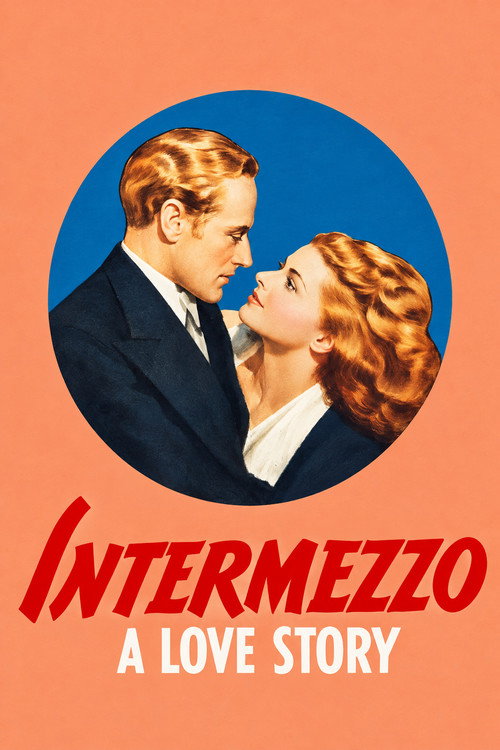
Intermezzo: A Love Story1939
Ingrid Bergman's Hollywood debut, another film built around a classical musician's life and romance. It shares that same reverence for musical artistry and the tension between love and artistic dedication.
But The domestic drama becomes increasingly soap-operatic, and the musical performance is secondary to the romantic plot.
Not sure tonight? Get a pick in a minute, starting from Moonlight Sonata
The wildcard
Something you would not have found on your own.
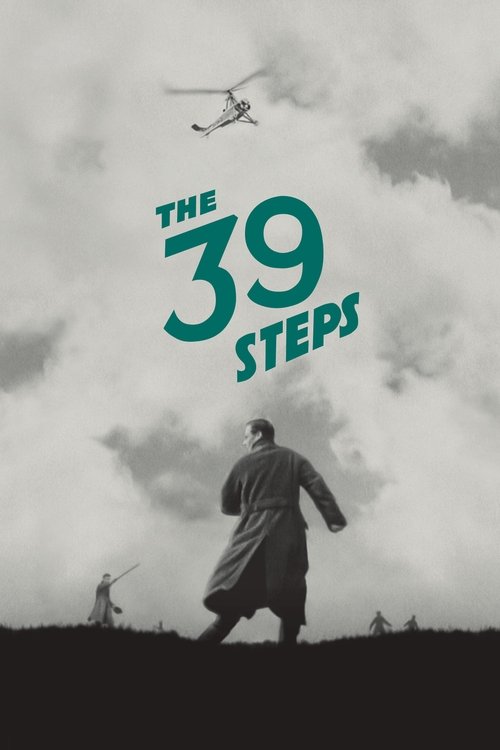
The 39 Steps1935
Both are British films from the late 1930s that represent the full capabilities of the era's studios, but they use them for opposite purposes: one celebrates stillness, music, and emotion; the other celebrates movement, deception, and suspense.
Hitchcock's masterpiece, released two years before *Moonlight Sonata*, proves that British cinema of the era could be as technically sophisticated as continental Europe. A perfect thriller that shows what the same production infrastructure could achieve.
But It's a completely different genre—a spy thriller with barely a romantic note—so you're trading intimacy for adrenaline.
More like this (8)
Dangerous Moonlight1941
A Welsh pianist becomes a test pilot during WWII in this romantic drama with spectacular piano sequences. It captures that same magic of cinema celebrating musical virtuosity within an intimate emotional story.
But It's heavier on wartime drama and psychological trauma than *Moonlight Sonata*, and less purely romantic.
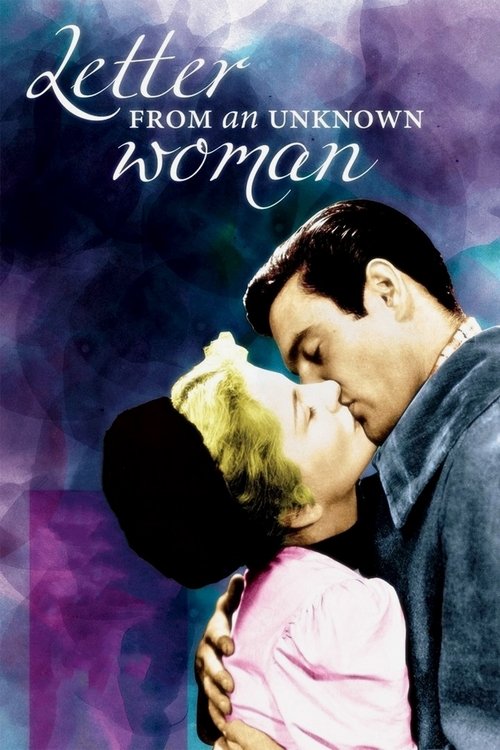
Letter from an Unknown Woman1948
Max Ophüls' exquisite meditation on lost love and artistic life. A pianist is central to the story, and the film has that same European elegance and focus on emotional subtlety over plot mechanics.
But It's considerably sadder and more cynical about romance and human nature than the gentler *Moonlight Sonata*.
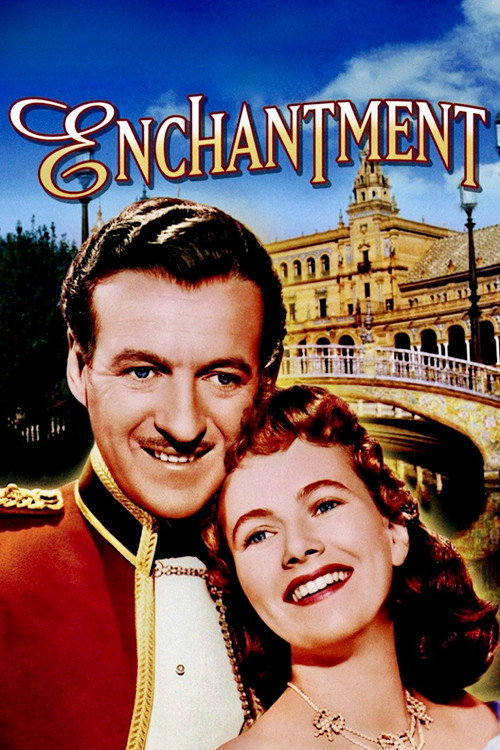
Enchantment1948
A similarly romantic European-set tale with aristocratic characters, wartime complications, and a gentle, nostalgic tone. David Niven and Teresa Wright navigate quiet emotional terrain with grace.
But The structure shifts between past and present in ways that can feel confusing, and the pacing drags in places.
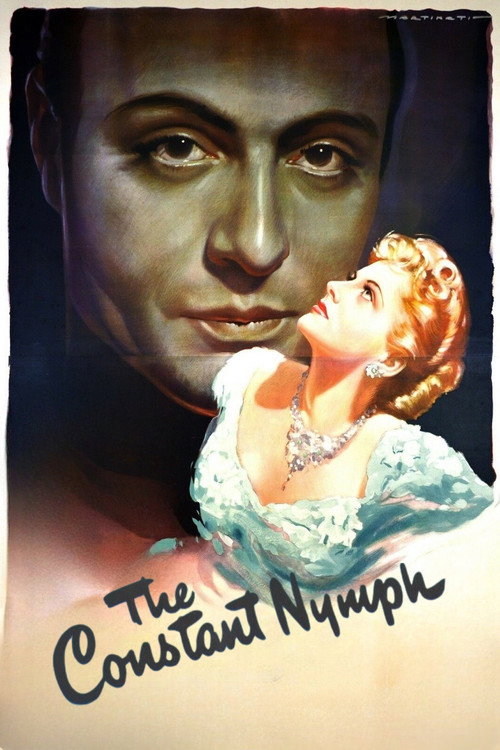
The Constant Nymph1943
A composer and a young woman navigate artistic passion and forbidden love in a cultured European household. Joan Fontaine and Charles Boyer bring intensity to a story that values musical and emotional refinement.
But It's considerably darker and more tragic than *Moonlight Sonata*, with genuine moral complications rather than aristocratic charm.
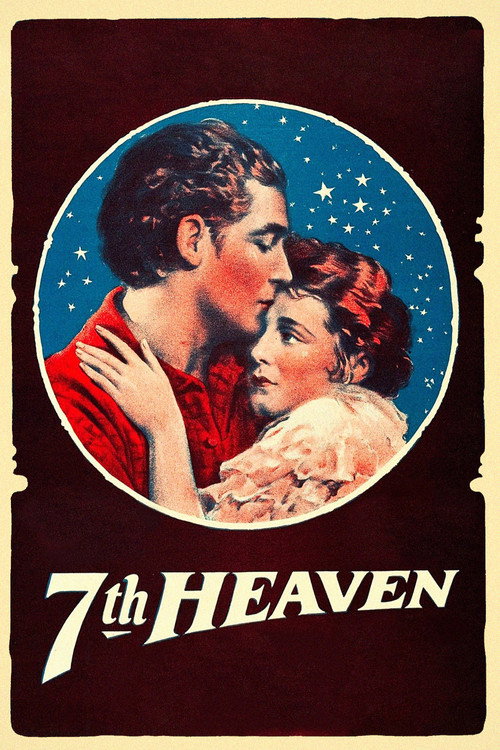
7th Heaven1927
An earlier silent film with similar themes of romance transcending class and circumstance, plus exquisite emotional restraint. Janet Gaynor and Charles Farrell (who appears in *Moonlight Sonata*) create magic through subtle performance.
But It's silent, which requires adjustment. The pacing and sentiment are decidedly of the 1920s, which some will find dated.
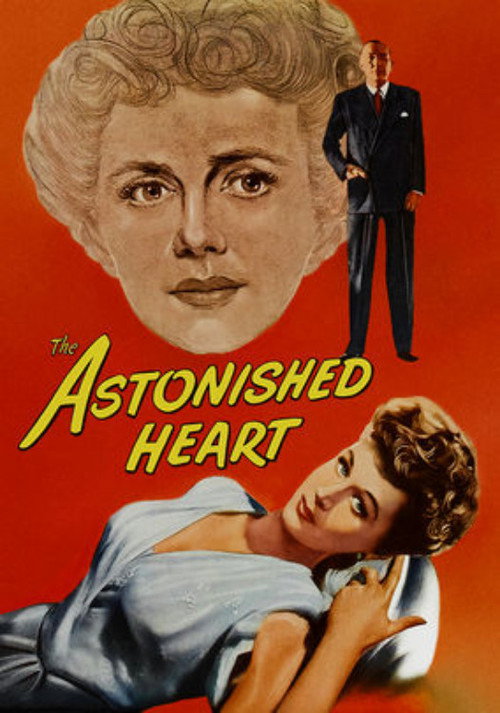
The Astonished Heart1950
Noel Coward wrote and starred in this drama about a successful pianist whose emotional life fractures in unexpected ways. It has that same European sophistication and focus on how art and passion intertwine.
But It's rather stagey and artificial, and Coward's performance is mannered in ways that feel dated now.
Pandora's Box1929
Both are about the collision between artistic passion and romantic love, but *Pandora's Box* sees it as tragedy while *Moonlight Sonata* sees it as transcendent. One watches people destroyed by desire; the other watches them ennobled by it.
G.W. Pabst's silent masterpiece about a woman who destroys everyone who loves her, a tale of artistic decadence and forbidden desire that captures European cinema at its most psychologically sophisticated and visually daring.
But It's silent, pessimistic, and genuinely tragic in ways *Moonlight Sonata* is not. Louise Brooks's performance is hypnotic but cold.

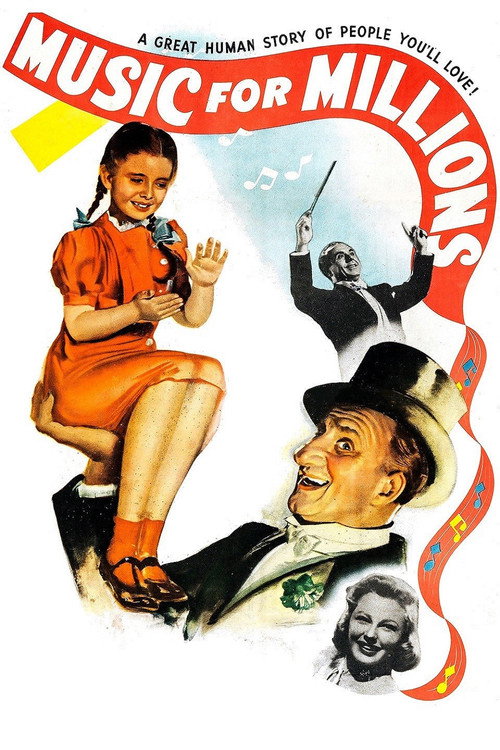
Music for Millions1944
Both films believe that classical music is not decoration but central to emotional and moral life. But *Music for Millions* is Americanized, wartime, and populist; *Moonlight Sonata* is European, pre-war, and aristocratic. They're the same film's opposite twins.
A wartime American film where a classical orchestra and a young conductor grapple with love, duty, and artistic responsibility. June Allyson brings warmth to a story that takes musical passion as seriously as *Moonlight Sonata* does, but from a very different cultural angle.
But It's earnest and sentimental in a specifically American way, and some of the wartime moralizing feels heavy-handed now.
People
Cast
- Ignacy Jan PaderewskiHimself
 Charles FarrellEric Molander
- Marie TempestBaroness Lindenborg
- Barbara GreeneIngrid Hansen
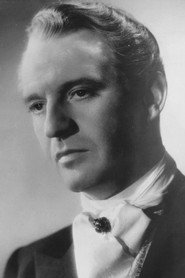 Eric PortmanMario de la Costa
- W. Graham BrownDr. Kurt Broman
 Queenie LeonardMargit
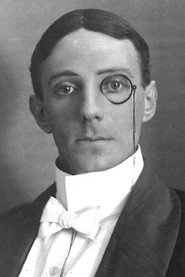 Laurence HanrayMr. Bishop
- Binkie StuartEric and Ingrid's Child
- Bryan PowleyNils
Directing
- Lothar MendesDirector
Writing
- E.M. DelafieldScreenplay
- Edward KnoblockScreenplay
- Hans RameauStory
- Hans RameauWriter