
Film
The Constant Nymph
Other titles called The Constant Nymph: the 1928 film.
A wartime romance about a composer caught between an adoring younger woman and a sophisticated widow, set in a bohemian household where art and desire tangle with class and propriety. Lush, melodramatic, gorgeously photographed—the kind of film that earns its own tears. For anyone who loves old Hollywood's emotional intelligence and doesn't mind watching beautiful people suffer beautifully.
Should you watch it?
Watch it if you are drawn to melancholy romances about artists whose genius makes them selfish, and you enjoy a love story staged in a crowded, emotional house where the feelings are as sharp as the music.
Skip it if you want a brisk plot or a modern sensibility; this is an old studio picture with theatrical speeches, and the romantic tangle can feel stagy and slow to unfold.
What it asks of you: Settle in for a little under two hours of talk-heavy scenes, with a slow, sentimental pace and an emotional register that stays close to heartache rather than lightness.
Not sure? Find tonight's pick in a minute.
If you liked this
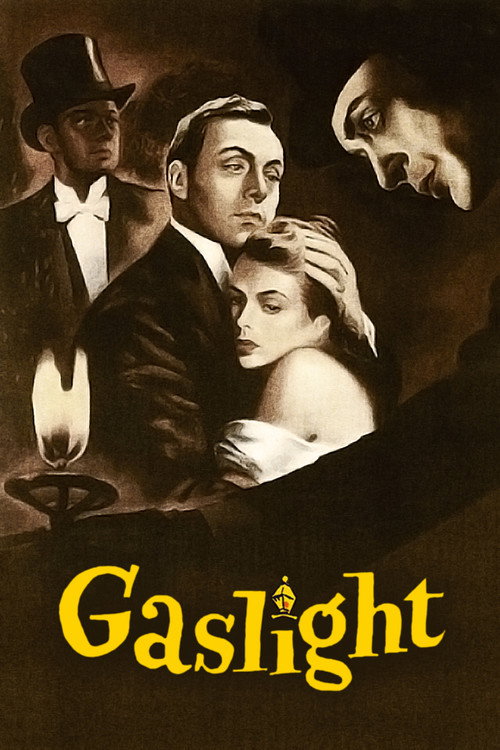
Gaslight1944
Boyer reunites with Fontaine in this masterclass of psychological manipulation. He's calculating and dangerous here; watching him dismantle her sanity is gripping, terrifying cinema. Essential post-war thriller.
But The pacing feels deliberate rather than urgent by modern standards, and his villainy can read as theatrical if you're not in the mood for grand-scale cruelty.
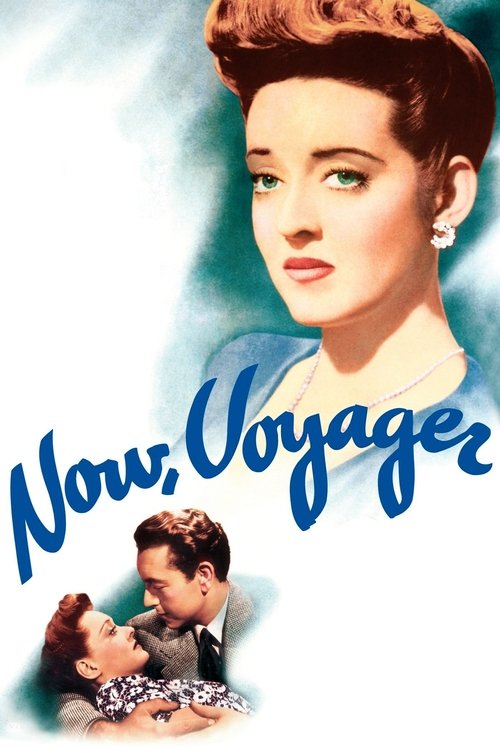
Now, Voyager1942
Fontaine's contemporary, Bette Davis, trapped in family obligation and depression, then slowly self-actualized through forbidden romance. Same era, same emotional register, equally beautiful and alive to a woman's inner transformation.
But The clinical approach to her therapy might feel dated, and the romance resolves in a way designed to appease 1942 audiences rather than satisfy modern ones.
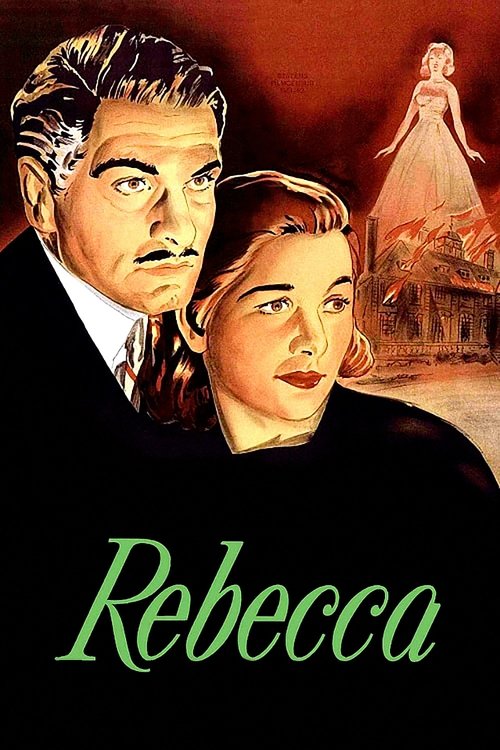
Rebecca1940
Fontaine again, this time haunted by a dead woman's memory and a husband she cannot trust. Hitchcock's mastery of Gothic dread and romantic uncertainty—it's The Constant Nymph's darker, more twisted cousin.
But The mystery is solved disappointingly early, and once you know the truth, some of the suspense evaporates on rewatch.
Not sure tonight? Get a pick in a minute, starting from The Constant Nymph
The wildcard
Something you would not have found on your own.
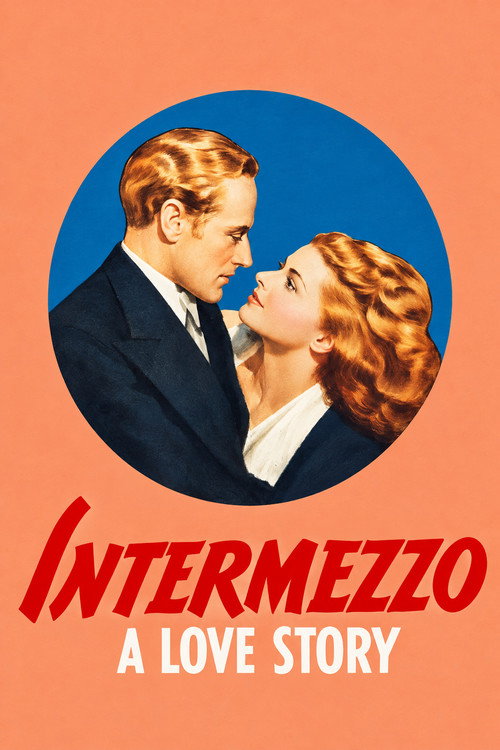
Intermezzo: A Love Story1939
Both films center on artists destabilized by love, both frame passion as a disruption to be resolved through renunciation, both use music and continental settings as visual aphrodisiacs.
Ingrid Bergman's American debut: a concert pianist falls for a celebrated violinist; their affair blooms in music and Paris, then collides with real life and conscience. It's the platonic ideal of The Constant Nymph—same architecture of desire meeting duty, same ravishing period detail.
But The film subordinates the woman's autonomy entirely to the romance, and her final sacrifice is treated as inevitable moral order rather than tragedy.
More like this (8)
Letter from an Unknown Woman1948
Fontaine's most perfect role: a woman who loves a man who barely knows she exists, framing her entire life around his indifference. Melodrama as tragedy. Ophüls's compositions make longing look like architecture.
But The heroine's passivity and self-sacrifice will frustrate anyone allergic to romantic suffering as virtue.

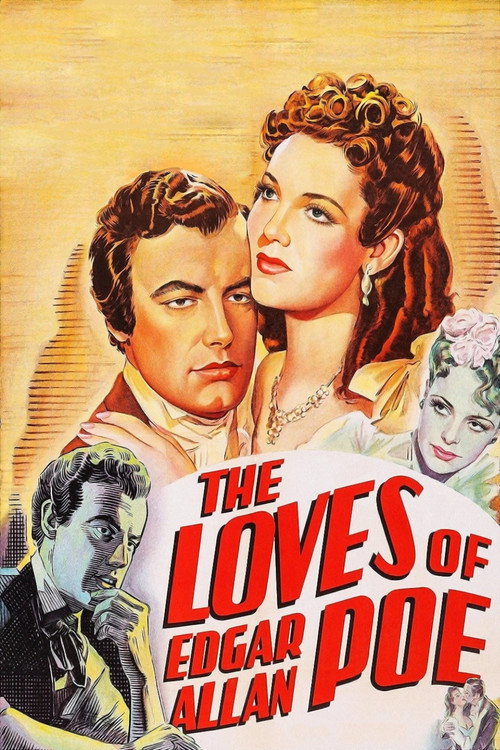
The Loves of Edgar Allan Poe1942
Boyer as Poe, tortured artist in love with his dying young wife. Same melodramatic DNA as The Constant Nymph—doomed passion, artistic torment, that 1940s belief that suffering proves depth of feeling.
But Biographical liberties are wild, and the film treats tragedy as romantic rather than tragic, which can feel queasy.
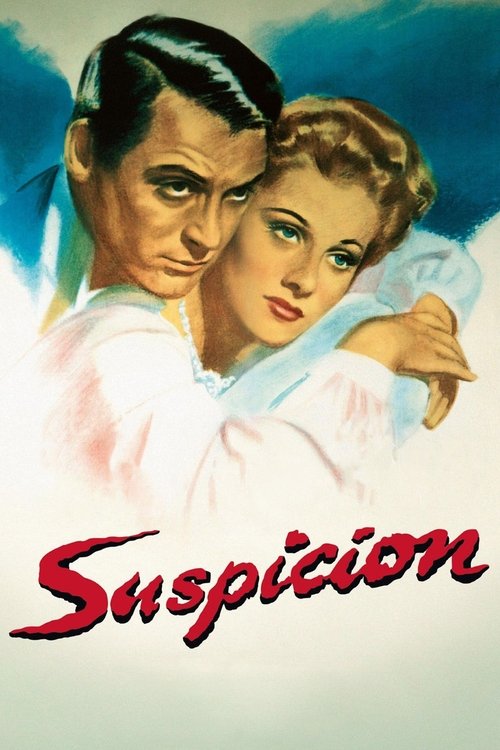
Suspicion1941
Fontaine's Oscar winner: a woman who marries charmingly and then suspects he might murder her. Cary Grant's charisma weaponized. The paranoia and conjugal dread are suffocatingly brilliant.
But The ending was reshot to appease audiences and undermines the psychological power of everything before it.
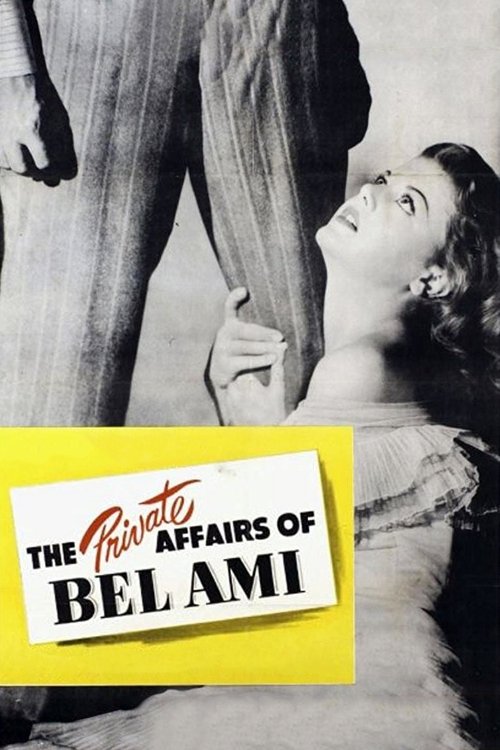
The Private Affairs of Bel Ami1947
Boyer as a social climber who uses his magnetism to seduce and betray women. It's The Constant Nymph inverted—Boyer as the destructive force rather than the torn conscience. Sharp, bitter, elegant.
But The satire can feel limp compared to the novel, and some viewers will find the cynicism exhausting rather than clarifying.
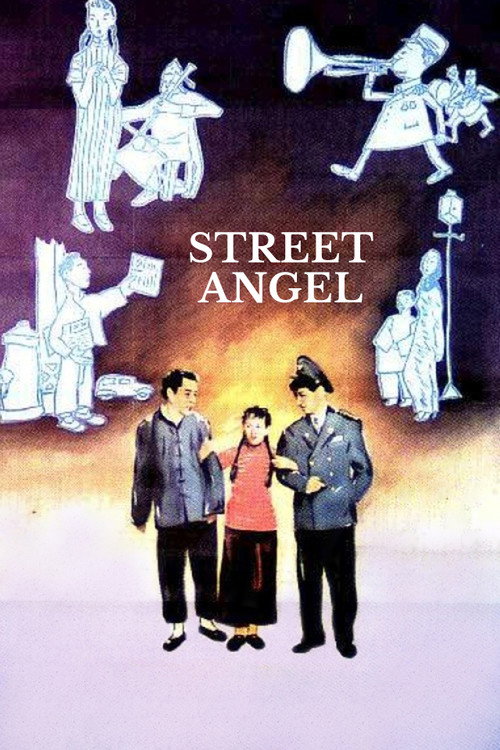
Street Angel1937
Marlene Dietrich as a wife who abandons respectability for love, and learns that the life you choose isn't always the life you get. Lubitsch's most bitter romance—gorgeous and sad.
But The pacing is glacial by intention, and if you need plot momentum, the lingering dissolves will feel like punishment.
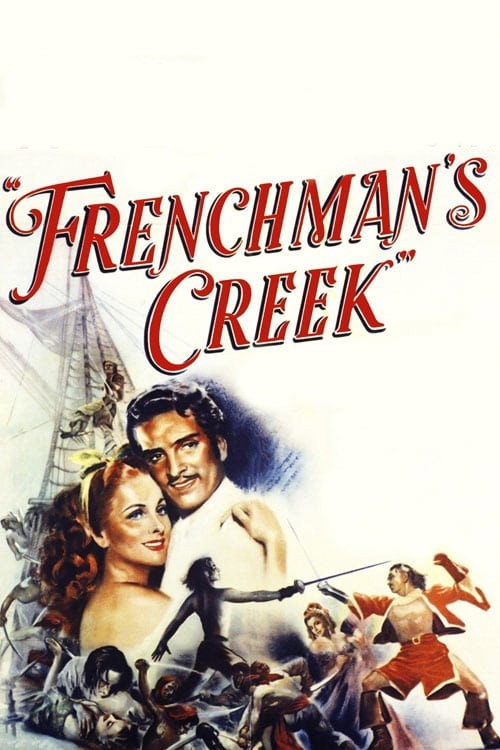
Frenchman's Creek1944
Joan Fontaine again, bored in her marriage, seduced by adventure and a roguish pirate captain. Lush adventure-romance shot in Technicolor. It's silly and escapist and utterly committed to its own desires.
But The plot is thin, the class politics are unexamined, and the whole thing coasts on Technicolor and charm rather than substance.
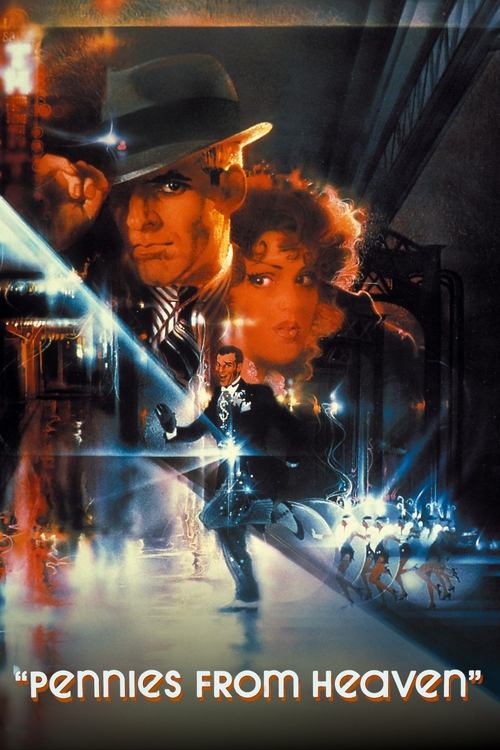
Pennies from Heaven1981
Both examine infidelity and artistic yearning across class lines; both use music as the language of what characters cannot say aloud; both filmed decades apart but sharing a belief that forbidden feeling is aesthetically true even when morally wrong.
Steve Martin as a Depression-era sheet-music salesman stuck in a loveless marriage, gravitating toward hope and an unhappy schoolteacher. Shot in bleak locations with fantasy musical numbers dropped in like hallucinations. Heartbreaking, strange, wholly alive.
But The tonal shifts between kitchen-sink realism and sudden Busby Berkeley pastiche alienate many viewers, and the ending is deliberately unresolved in ways that feel hostile to hope.
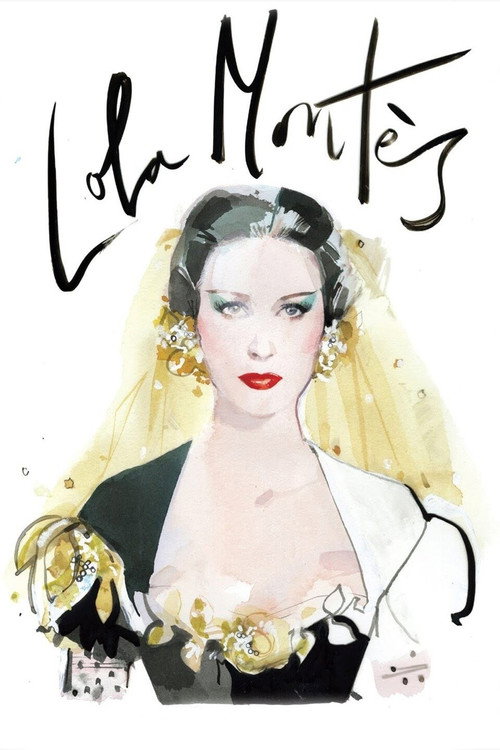
Lola Montès1955
Both involve a woman caught between rival men and her own desires, both use lavish visual language to express the gap between romantic fantasy and lived consequence, both suggest that beauty and intelligence aren't enough to save you from being used.
Max Ophüls's final film: a circus exposes the scandal-soaked life of a legendary courtesan. Shot in VistaVision and Technicolor, it's simultaneously the most beautiful and most bitter film about how men consume women's stories. Dazzling, furious, complete.
But The narrative is deliberately fragmented and looping, the color scheme can seem arch rather than moving, and its misanthropy is unrelenting.
People
Cast
 Charles BoyerLewis Dodd
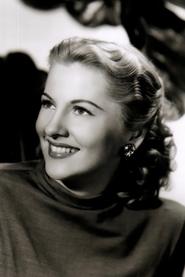 Joan FontaineTessa Sanger
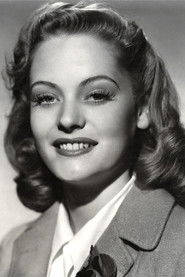 Alexis SmithFlorence Creighton
 Brenda MarshallToni Sanger
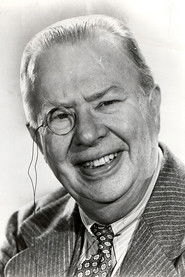 Charles CoburnCharles Creighton
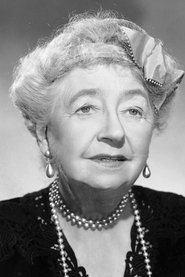 May WhittyLady Constance Longborough
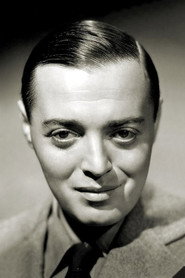 Peter LorreFritz Bercovy
 Joyce ReynoldsPaula Sanger
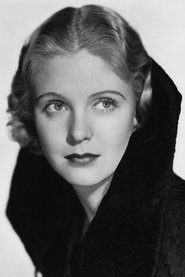 Jean MuirKate Sanger
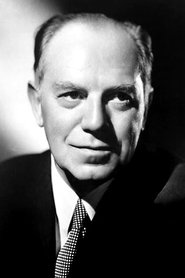 Montagu LoveAlbert Sanger
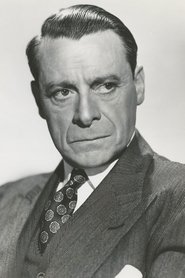 Eduardo CiannelliRoberto
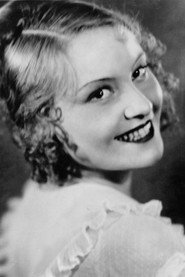 Janine CrispinMarie
Directing
- Edmund GouldingDirector
Writing
- Margaret KennedyNovel
- Kathryn ScolaScreenplay
- Basil DeanTheatre Play
Production
- Hal B. WallisExecutive Producer
- Jack L. WarnerExecutive Producer
- Henry BlankeProducer
Recommended by
Sisters of the Gion, Anna Karenina, The Inn of the Sixth Happiness, Moonlight Sonata, The Story of Three Loves, Lydia, To Each His Own