
Film
Sisters of the Gion
Sisters of the Gion is a lean, sharp-eyed 1936 drama set in Kyoto's geisha quarter, where two sisters navigate survival and morality in a world that commodifies them. Mizoguchi's camera is intimate but unsentimental, watching how economic desperation shapes choices and fractures bonds. It's for anyone hungry for cinema that refuses easy answers about women, money, and complicity.
If you liked this
Tokyo Story1953
Ozu's masterpiece about family fractures and unsaid things, shot with the same formal beauty and emotional restraint as Mizoguchi. Both films find profound quiet in domestic spaces and the gaps between what people need and what they can admit.
But It moves glacially, and if you're expecting narrative propulsion or catharsis, you'll leave disappointed. The power is cumulative, not immediate.

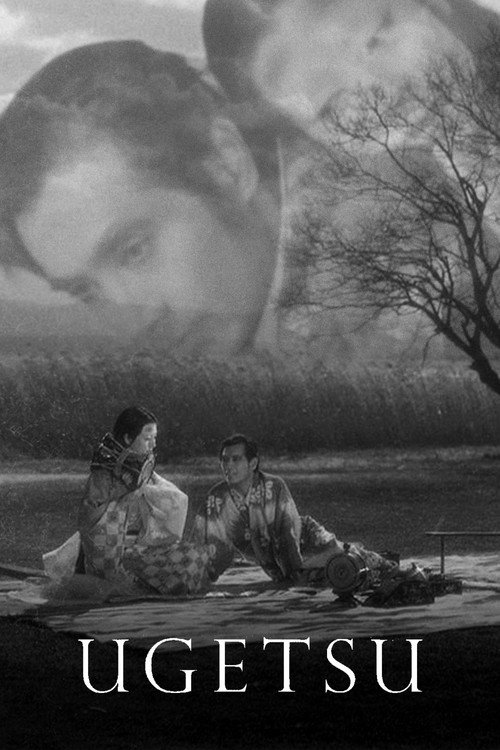
Ugetsu1953
Mizoguchi again, showing what he learned in the seventeen years after this film. A ghost story structured as moral inquiry, with the same luminous cinematography and the same hard-eyed view of what men demand from women. Richer than Sisters, but Sisters is the skeleton key.
But The supernatural element feels tacked on to modern viewers. If you're watching for realism, the ending may frustrate you.
In the Mood for Love2000
Wong Kar-wai's Hong Kong melodrama shares Sisters' fascination with confined spaces, economic anxiety, and the performance of desire. Both films use their settings—gion, a tenement—as characters. Both watch how people hurt each other by trying to survive.
But It's hermetically stylized, almost abstract. Some find it more beautiful than moving; some find that a problem.

Not sure tonight? Get a pick in a minute, starting from Sisters of the Gion
The wildcard
Something you would not have found on your own.
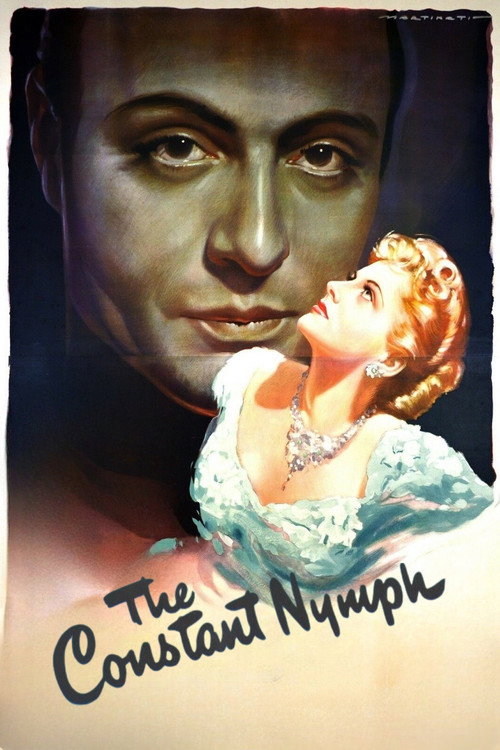
The Constant Nymph1943
Both films use sisterhood to explore the impossible economics of female survival, but where Mizoguchi shows compromise without sentimentality, Constant Nymph dramatizes self-sacrifice as romantic destiny. They're inverse commentaries on the same problem.
An American melodrama where a young woman devotes herself entirely to a man's artistic ambition, abandoning everything, while her less devoted sister thrives. It's a direct moral inversion of Sisters—same setup, opposite conclusions about what choice leads to dignity. Made in Hollywood, steeped in guilt.
But It's a woman's picture in the classical sense: emotional, weepy, structured around male desire. If that register feels dated to you, you won't find your way in.
More like this (7)
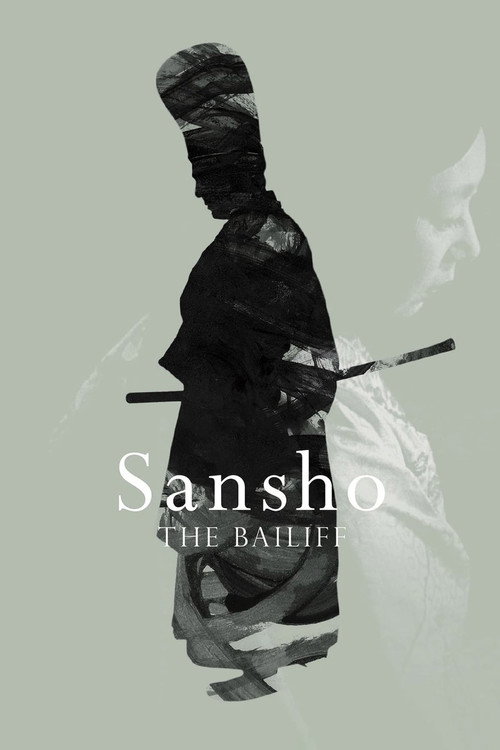
Sansho the Bailiff1954
Mizoguchi's humanist epic about slavery and redemption, structured around the same moral question: how do you survive systemic cruelty without becoming cruel? Shot by the same cinematographer. Bigger, sadder, but the same lens on human compromise.
But The pacing is severe. Long scenes of characters enduring. It's not designed to be comfortable.
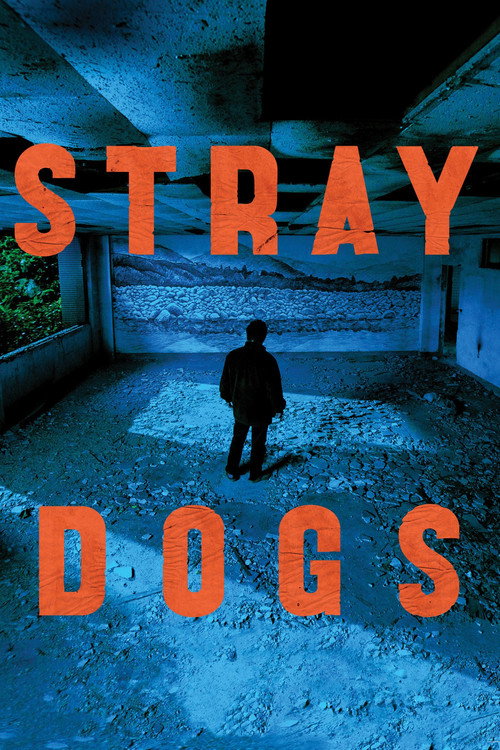
Stray Dogs2014
Tsai Ming-liang's Taipei drama about precarious sisters in a decaying building. It moves even more slowly than Sisters, but that stillness reveals the same thing: how poverty forces you to choose between your own survival and someone you love.
But Seventy-seven minutes that feel like three hours. Long takes of people standing in shadow. Genuinely austere.
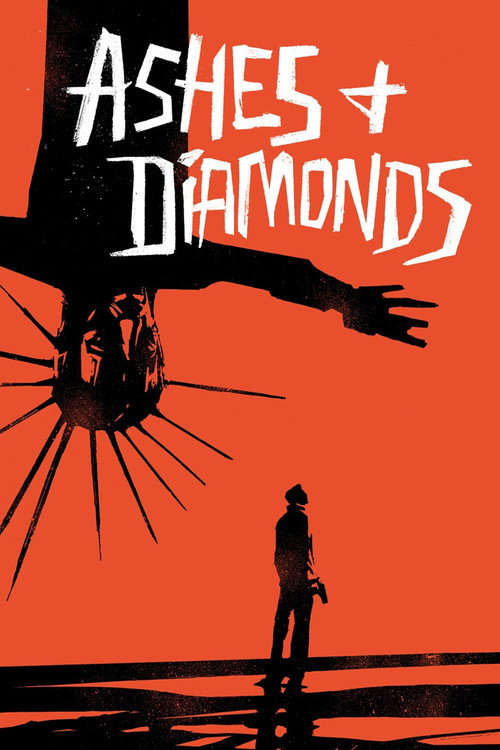
Ashes and Diamonds1958
Andrzej Wajda's Polish masterpiece about moral compromise in postwar chaos. Like Sisters, it's interested in how historical moment—war here, economic precarity there—forces ordinary people into impossible choices with no good options.
But The political context demands some homework. The ending is bleak without offering much comfort for the work of understanding.
The Ballad of Little Jo1993
An American woman assumes a male identity to survive in the Old West. Like Sisters, it's about a woman using deception to navigate a world that won't let her exist honestly. Quiet, formally precise, and genuinely radical about gender and survival.
But Low-budget and occasionally feels like it. Some will find the revenge narrative too neat compared to Mizoguchi's refusal of closure.

Chungking Express1994
Wong Kar-wai's earlier film, also set in confined urban spaces where people drift into and out of connection. Less stylized than In the Mood for Love but animated by the same melancholy about how we fail each other when we're lonely.
But Fragmented and occasionally incoherent. The romance elements might feel contrived if you're watching for Sisters' emotional precision.

The Seventh Seal1957
Bergman's medieval meditation on mortality and meaning. It shares Sisters' interest in people confronting systems larger than themselves—here, plague and faith; there, gender economics. Both films use their settings to ask what survives when everything else fails.
But It's explicitly philosophical and can feel ponderous. If you want human specificity over metaphysical inquiry, it may feel baroque.

Jeanne Dielman, 23, quai du Commerce, 1080 Bruxelles1976
Both films treat women's labour and self-commodification as a moral subject, not a plot engine. Both use restraint as a form of respect. But Mizoguchi gives you 1936 cinema; Akerman gives you duration as form. Different eras, same unflinching eye.
Chantal Akerman's three-hour film of a woman's daily routine—cleaning, cooking, accounting, sex work. Like Sisters, it refuses sentiment and watches economic necessity shape life without commenting on it. But where Mizoguchi uses beauty, Akerman uses time itself to make you feel the weight.
But It is three hours of routine footage. If you're watching for plot or emotion, you're in the wrong film. It's an endurance piece, intentionally.

People
Cast
 Isuzu YamadaO-mocha
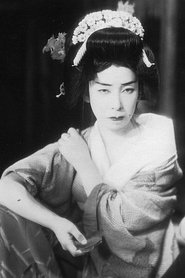 Yōko UmemuraUmekichi
- Benkei ShiganoyaShimbei Furusawa
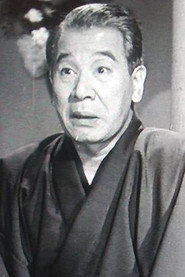 Eitarō ShindōKudo
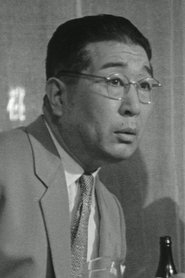 Taizō FukamiKimura
- Shizuko TakizawaOchiyo
- Namiko KawashimaOemi Furusawa
- Fumio OkuraJurakudo
- Sakurako IwamaOmasa Kudô
- Somenosuke HayashiyaSadakichi
- Reiko AoiUmeryu
- Mitsuzo TachibanaTachibana the driver
Directing
- Kōichi TakagiAssistant Director
- Kenji MizoguchiDirector
Writing
- Aleksandr KuprinNovel
- Kenji MizoguchiWriter
- Yoshikata YodaWriter
Production
- Masaichi NagataProducer