
Film
Stray Dogs
Tsai Ming-liang's spare, almost wordless portrait of poverty and connection in modern Taipei. A drifting father and two children, an isolated woman—all marginal, all reaching. Shot in long, patient takes that let you sit with their small gestures and silences. For viewers who believe cinema can find grace in the ordinary and uncomfortable.
Should you watch it?
Watch it if you are drawn to patient, wordless cinema where a static frame holds a face long enough for feeling to seep in, and the plot can stall without losing you.
Skip it if the pace is glacial and the silences run long, so if you need dialogue or momentum to stay engaged, a stretch of quiet hardship this length will wear you down.
What it asks of you: Nearly two and a half hours of long, unhurried takes and very little dialogue; it wants you to sit still and notice small gestures rather than chase a plot.
Not sure? Find tonight's pick in a minute.
If you liked this
Bicycle Thieves1948
Neorealist masterpiece about a father and son searching Rome for a stolen bicycle. Like Stray Dogs, it finds the weight of survival in ordinary moments and the dignity of those society has left behind.
But The pacing is measured and the film trusts you to draw your own conclusions—no music, minimal plot machinery. Requires patience and attention.

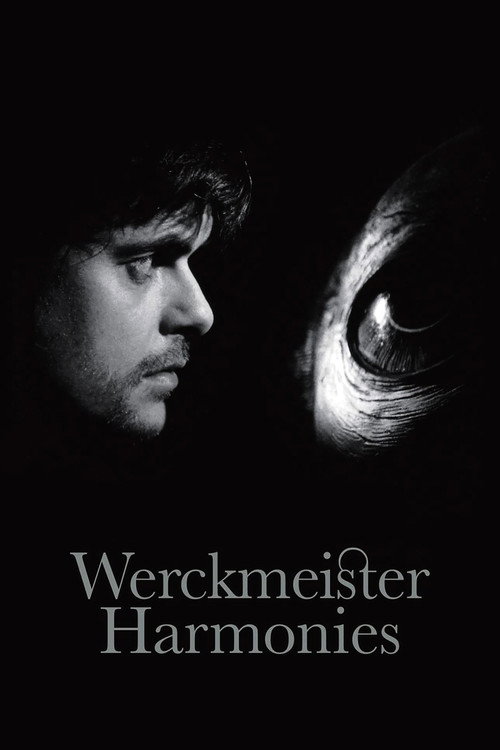
Werckmeister Harmonies2001
Béla Tarr's seven-hour meditation on community, isolation, and quiet desperation in a crumbling Hungarian town. Shares Tsai's belief that cinema can hold space for sadness without needing to explain it or hurry past it.
But Black and white, nearly dialogue-free, and genuinely challenging. This is not a film that rewards distraction or skimming.
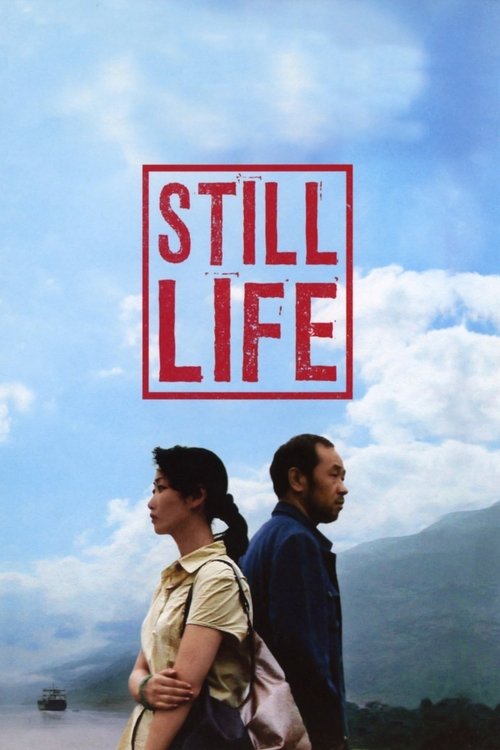
Still Life2006
Another Tsai Ming-liang film; a widower wanders Beijing searching for a friend as the city disappears beneath construction. If Stray Dogs moved you, this deepens that language—the same formal rigor applied to memory and time.
But Only see this if you want to understand Tsai's method more fully. It's austere and demands real commitment from the viewer.
Not sure tonight? Get a pick in a minute, starting from Stray Dogs
The wildcard
Something you would not have found on your own.
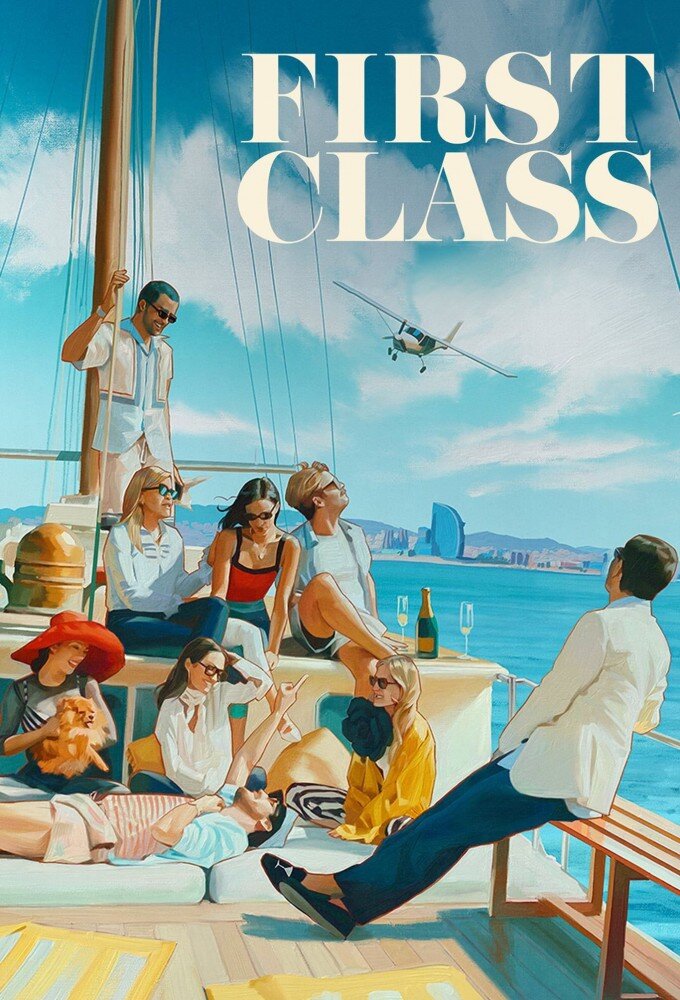
First Class2022
Both films locate human dignity in characters society has decided to discard. Stray Dogs does it through restraint; First Class through excess. Both refuse to look away.
Tinto Brass's baroque Italian drama about a boy sent to an elite boarding school where desire, class, and power collide. Visually sumptuous and shockingly moving—the opposite register from Stray Dogs, but shares its interest in how the body and circumstance determine fate.
But Erotic and explicit. The framing of adolescent sexuality will disturb some viewers, even as the film treats it with seriousness rather than prurience.
More like this (8)
A Ghost Story2017
Minimalist American film about grief, time, and presence. Like Stray Dogs, it trusts silence and stillness to carry emotional weight, and finds the transcendent in the everyday.
But Conceptual and slow-moving. The famous pie-eating scene tests patience, and the final act becomes abstract in ways some find pretentious.

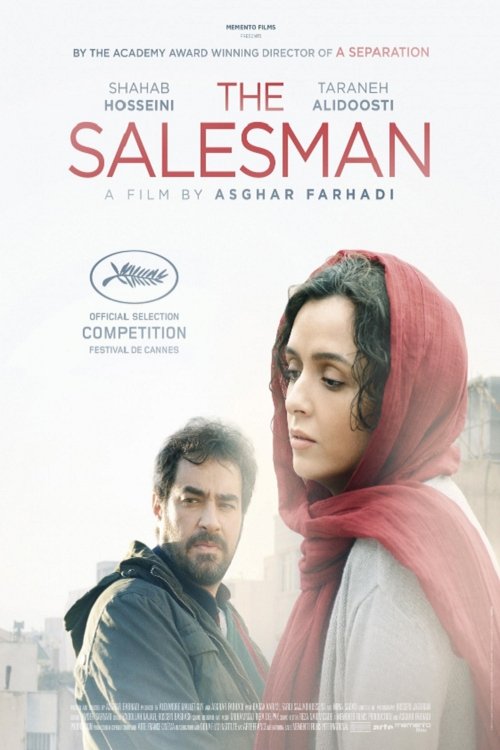
The Salesman2016
Asghar Farhadi's study of how a single incident fractures a marriage and exposes moral ambiguity. Shares Stray Dogs' interest in how poverty, shame, and circumstance shape behavior and choice.
But Morally complex in ways that resist easy satisfaction. Some viewers want clearer villainy or redemption.
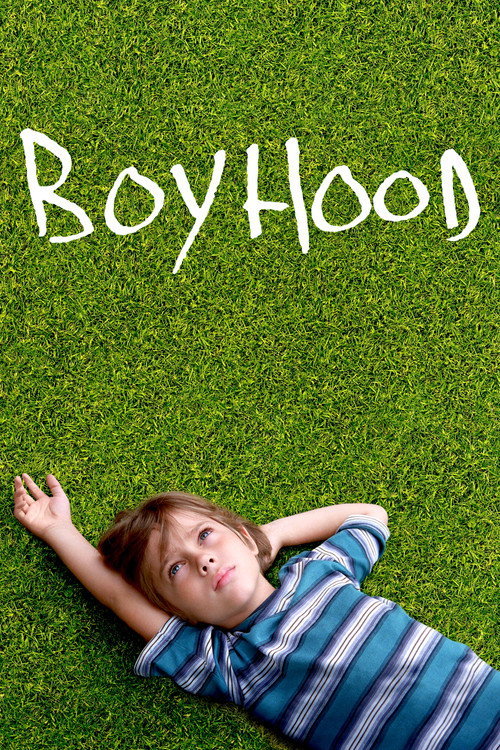
Boyhood2014
Richard Linklater filmed over twelve years with the same cast. Like Stray Dogs, it's about the texture of time and ordinary life—how childhood feels from the inside, without melodrama or false profundity.
But Three hours of conversations and small scenes. If you find hanging out with people more rewarding than plot, you'll love it; otherwise it's tedious.
Ikiru1952
Kurosawa's quiet masterpiece about a dying bureaucrat searching for meaning. Matches Stray Dogs' compassion for the marginal and forgotten, and its faith that a life has value regardless of status.
But Hanako Tsukamoto's performance as the hostess is played as a kind of comic relief that hasn't aged well. The second half shifts tone in ways modern viewers sometimes find jarring.

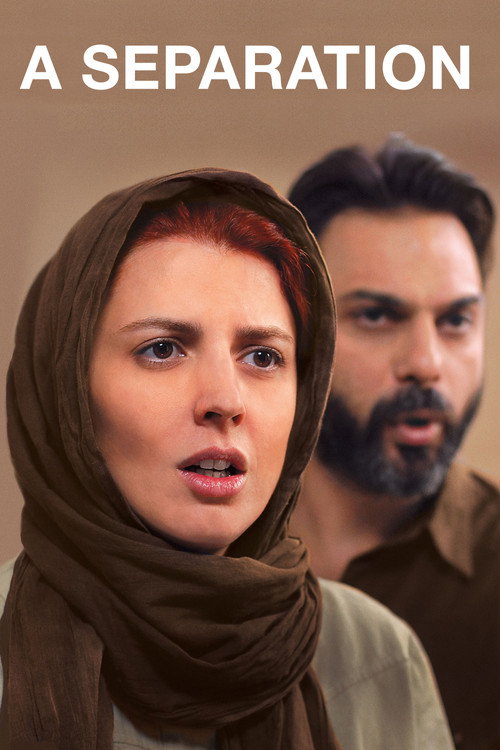
A Separation2011
Farhadi's Palme d'Or winner about a marriage coming apart in Tehran, and how class and circumstance complicate every decision. Finds moral ambiguity and human truth in ordinary collisions.
But Dialogue-heavy and plot-driven—the opposite of Stray Dogs' minimalism. Works as a thriller, which some find manipulative.
The Turin Horse2011
Béla Tarr's final film: Nietzsche's last days imagined through the eyes of his devoted groom. An elegy for consciousness and care. Shares Stray Dogs' monastic palette and its insistence on the spiritual dimension of human connection.
But Apocalyptic in mood and relentlessly bleak. Takes place in a single location with almost no plot. Can feel punishing.

Pather Panchali1955
Both films trust time and small moments to build emotional truth. Ray pioneered the approach Tsai has refined—cinema as patient witnessing rather than storytelling.
Satyajit Ray's debut: a family scraping by in rural Bengal. Documentary-like in texture, it finds the sacred in poverty and duration. Influenced world cinema's approach to showing lives without condescension or sentimentality.
But Very slow by modern standards. The image quality is soft, and the pacing reflects a different era of cinema-going. Requires adjustment.

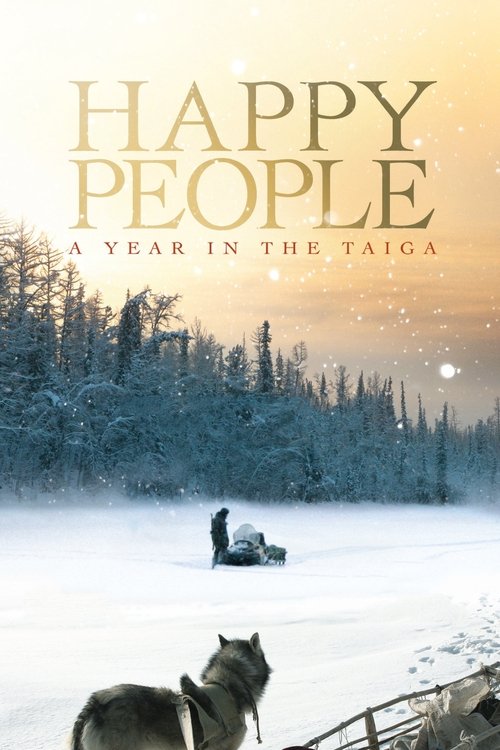
Happy People: A Year in the Taiga2010
Both films are about people living at the edge, finding meaning and dignity through routine and small human gestures. Neither judges or sentimentalizes. Both are acts of witnessing.
Werner Herzog's documentary following trappers in a remote Siberian village through the seasons. Wordless stretches of work and landscape, intimate observation of survival, and an almost spiritual sense of human resilience and connection to place.
But A nature documentary that refuses the usual structure or explanation. Demands active viewing and offers neither resolution nor commentary. Hypnotic rather than dramatic.
People
Cast
 Lee Kang-shengFather
 Lu Yi-chingWoman
 Chen Shiang-ChyiWoman
 Yang Kuei-meiWoman
- Lee Yi-chengYi-Cheng
 Lee Yi-chiehYi-Chieh
- Wu Jin-KaiWang
Directing
- Tsai Ming-liangDirector
Writing
- Chen Yu TungWriter
- Peng FeiWriter
- Tsai Ming-liangWriter
Production
- Jacques BidouCo-Producer
- Marianne DumoulinCo-Producer
- Vincent WangExecutive Producer
- Lee Kang-shengProducer
- Wei Jie ChenProduction Manager
Recommended by
Sisters of the Gion, Rumble: The Indians Who Rocked the World, The Idiot, A Thousand Thoughts, Death Wish II