
Film
Happy People: A Year in the Taiga
- Slow-burning
Werner Herzog narrates this serene portrait of indigenous trappers in a remote Siberian village, following their year-long cycle of hunting, building, and survival. It's meditative and gorgeous—less interested in hardship than in competence and self-sufficiency. For anyone who finds modern life exhausting.
Should you watch it?
Watch it if you want a slow, observational portrait of daily work and quiet ritual, narrated with Herzog's wry philosophical gravity, where nothing much happens and that is the point.
Skip it if you need a plot, a clear arc or talking heads explaining things, since this is mostly watching trappers, boats and seasons unfold with little explanation.
What it asks of you: Ninety-four minutes of unhurried takes, sparse narration and a mood that drifts between gentle humour and quiet melancholy, with attention rewarded by small details rather than drama.
Not sure? Find tonight's pick in a minute.
If you liked this
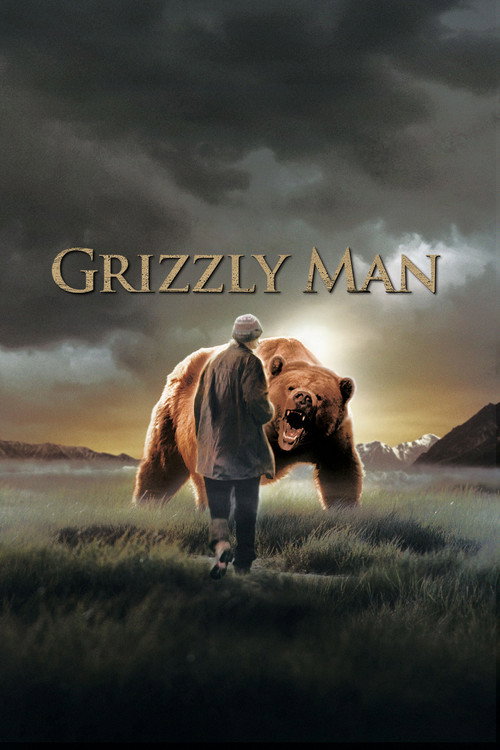
Grizzly Man2005
Herzog's other masterpiece about humans in wilderness, equally hypnotic but tragic. His voice guides you through obsession, beauty, and inevitable collision with nature's indifference.
But Ends in genuine horror. If you came for peaceful taiga life, this is considerably darker.
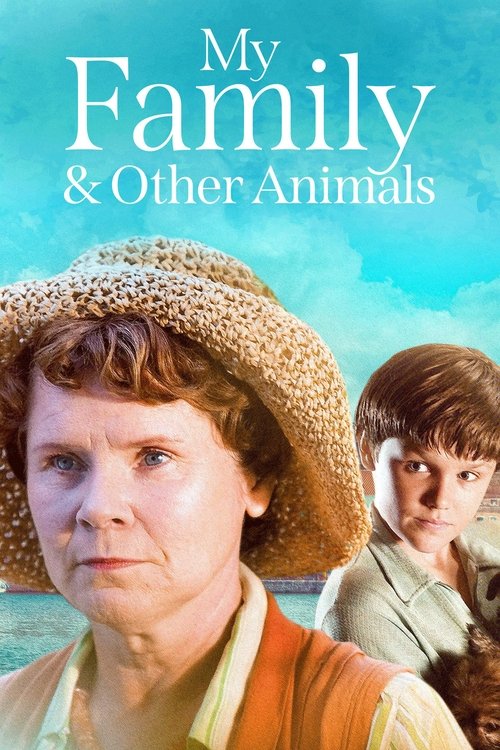
My Family and Other Animals2005
Gentle-paced observational storytelling set in a specific place and season. A family adapts to a new world; you watch rhythms emerge. Same unhurried intelligence.
But British period drama sensibility. Much slower than mainstream TV, which will bore people who need plot.
Stalker1979
Tarkovsky's philosophical meditation on desire and place. Wordless sequences, unhurried pacing, genuine awe at landscape. Profoundly contemplative filmmaking.
But Two hours of people walking and talking slowly. Demands patience most viewers won't grant it.

Not sure tonight? Get a pick in a minute, starting from Happy People: A Year in the Taiga
The wildcard
Something you would not have found on your own.
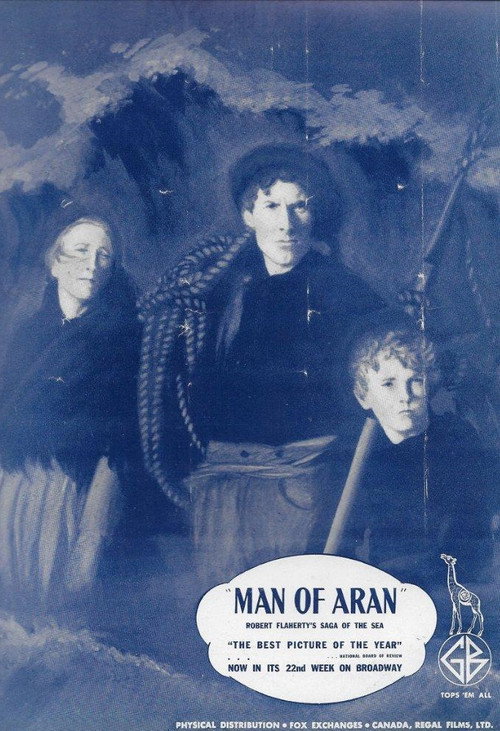
Man of Aran1934
Both films document traditional livelihood in extreme landscape through patient observation, but Flaherty romanticizes while Herzog simply witnesses. Watching them together reveals how perspective has shifted.
Robert Flaherty's staged documentary of islanders in Ireland, making boats and fishing in brutal waters. It's technically acted-out, yet feels like truth: the work is real, the skill undeniable, the dignity unmocked.
But From 1934. Black-and-white, silent-era pacing, and increasingly it's understood as a colonial fantasy of 'authenticity.' The romance predates modern documentary ethics.
More like this (8)
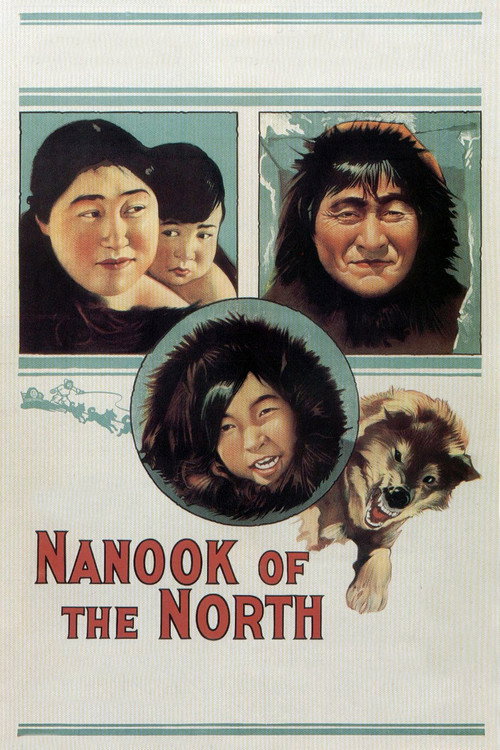
Nanook of the North1922
The progenitor: an Inuit family's seasonal survival filmed with poetry and real respect. Shows how little the template has changed; Herzog builds on this directly.
But Extremely dated. Early cinema techniques, staged moments, and a colonial gaze that doesn't age well.
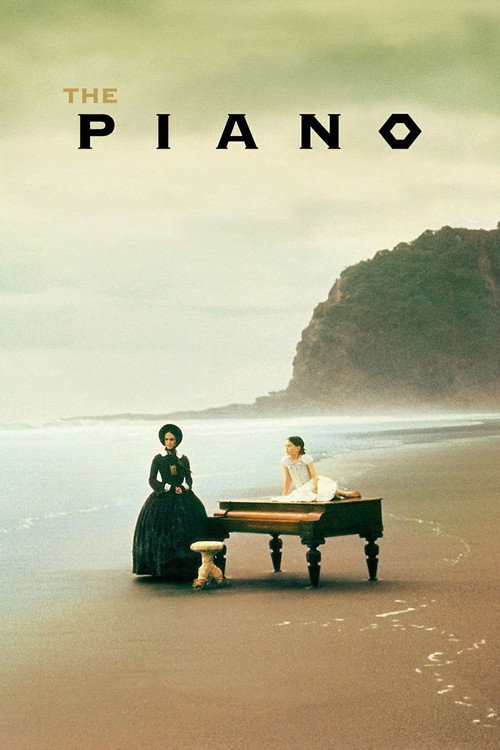
The Piano1993
Story and landscape coexist equally. New Zealand wilderness becomes a character; settlement and adaptation drive everything, not dialogue. Sensory immersion.
But Quite dark psychologically. The gentleness is surface; beneath it are compulsion and violence.
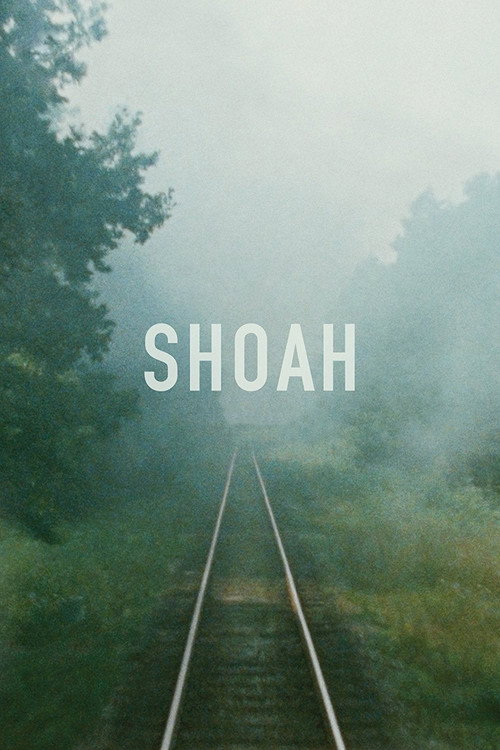
Shoah1985
Nine hours of a man listening. Patience as method; presence as respect. No archival footage, no dramatization—only testimony and landscape. Pure documentary filmmaking.
But Subject matter is atrocity. Extremely demanding, and not remotely similar in tone despite shared cinematic philosophy.
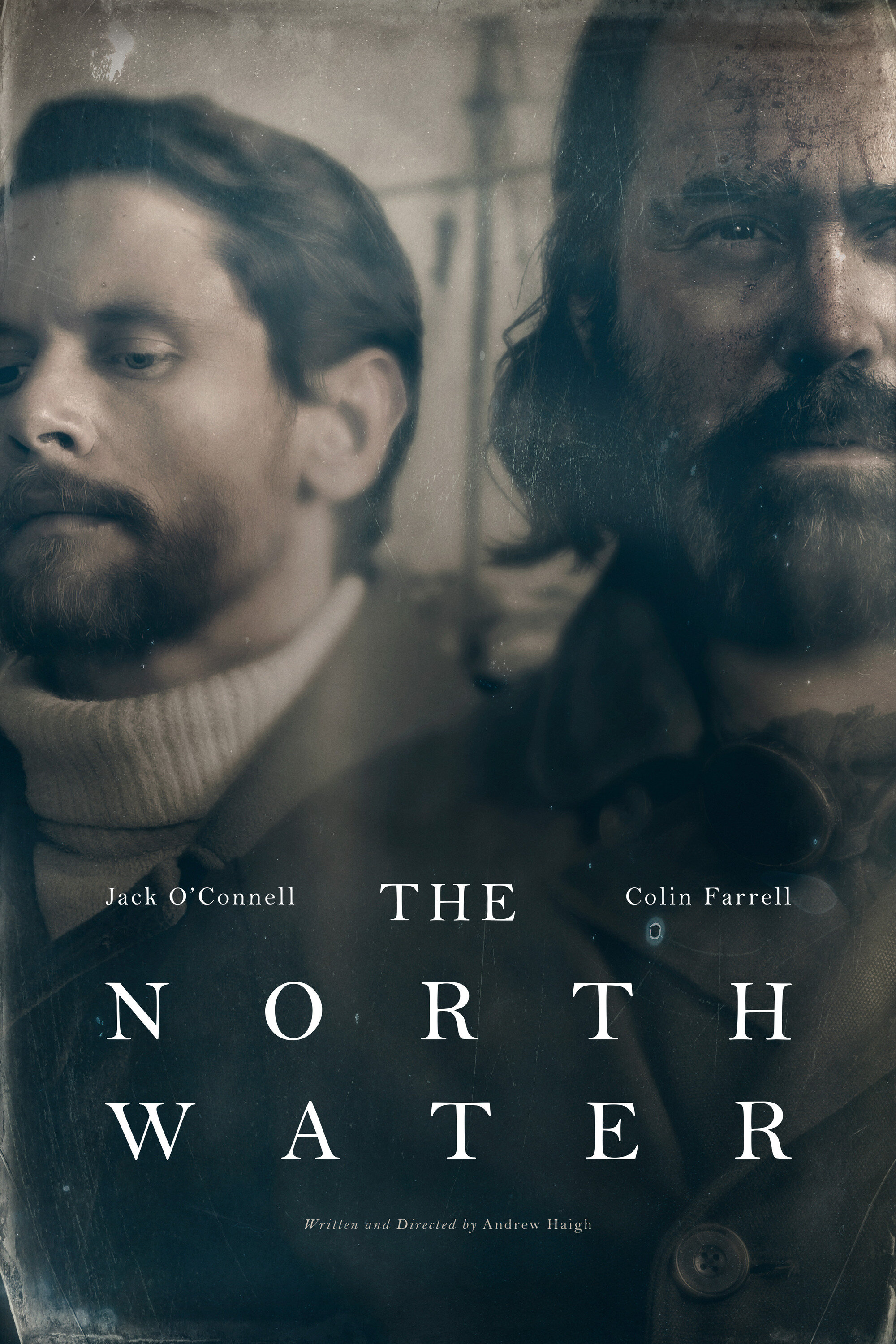
The North Water2021
Arctic survival and human nature in extreme conditions. Stunning cinematography of hostile landscape; characters tested against cold, hunger, and each other.
But Brutal and profane. Trading post atmosphere, not trappers' virtue. Assumes you want violence with your stunning shots.
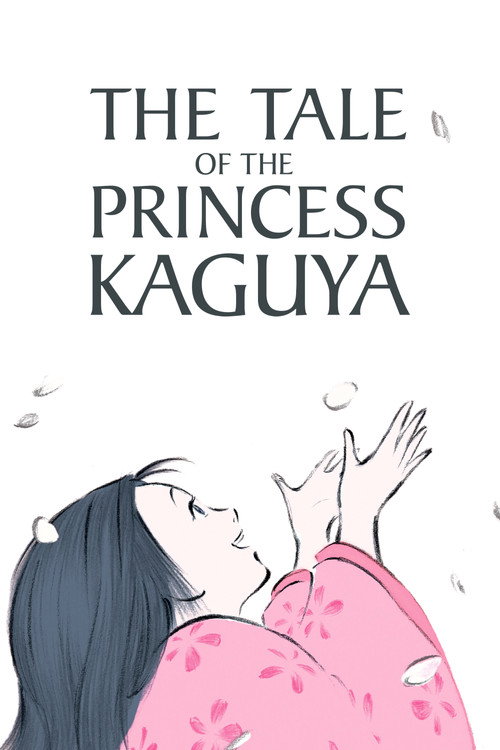
The Tale of The Princess Kaguya2013
Hand-drawn animation that moves like watercolor. Serene, seasonal, about belonging and the cost of connection. Meditative in register despite being story-driven.
But Animated feature about a fairy tale princess. Wrong expectations entirely if you want documentary realism or non-fiction.
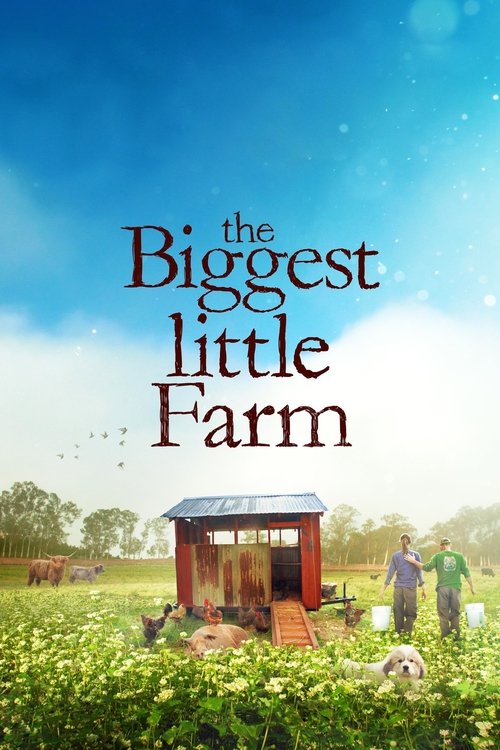
The Biggest Little Farm2019
A year in the life of people building something in wilderness, seasons turning, systems emerging. Genuinely moving about work and stewardship.
But Aggressively uplifting. If you want complexity and ambiguity, this wholesome narrative will feel hollow.
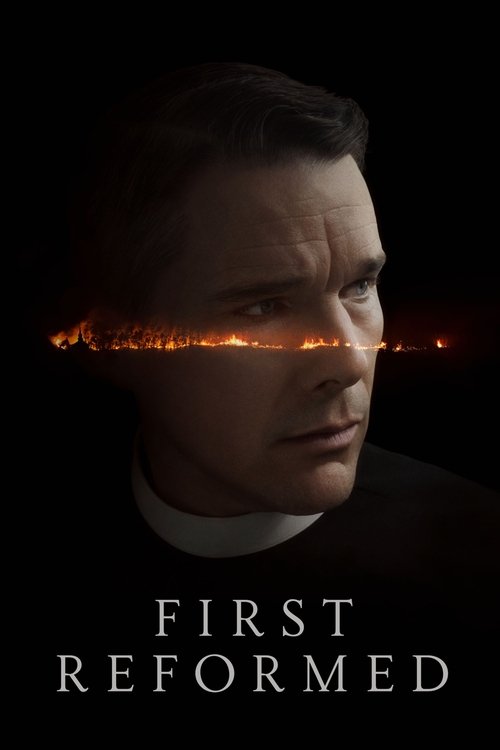
First Reformed2018
Both use wide landscape shots to isolate their subjects and suggest spiritual reckoning. Both trust you to sit with quiet images without explanation.
Utterly different plot—a pastor's crisis of faith in contemporary upstate New York—but the same meditative visual language: landscape as moral weight, silence as eloquence, a man alone with purpose. Paul Schrader directing.
But Existential and bleak where Taiga is serene. Not a documentary, not about survival, but about meaning-making in the absence of it.
Tokyo Story1953
Both films are about competence, routine, dignity, and acceptance of life's shape. Both believe you can see a human life whole in a year, or a visit, without melodrama.
Ozu's hourlong study of an old couple visiting their children, staying in their modest home, returning to their modest life. Nothing happens; everything shifts. The seasons of a human life rendered in space and light.
But Post-war Japanese cinema. Painfully slow, minimal plot, centered on family obligation and aging—aesthetically and thematically remote from anything in the taiga.

People
Cast
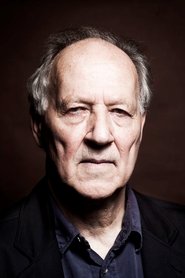 Werner HerzogNarrator (voice)
- Gennady SolovievSelf - Trapper #1
- Anatoly BlumeiSelf - Trapper #2
- Gennady TiganovSelf - Native Boat Builder
- Mikhail TarkovskySelf - Trapper #3
Directing
- Dmitry VasyukovDirector
- Werner HerzogDirector
Writing
- Dmitry VasyukovWriter
- Rudolph HerzogWriter
- Werner HerzogWriter
Production
- Robyn KleinAssociate Producer
- Thomas NickelCo-Producer
- Klaus BadeltExecutive Producer
- Timur BekmambetovExecutive Producer
- Werner HerzogExecutive Producer
- Carl WoebckenProducer
- Christoph FisserProducer
- Nick N. RaslanProducer
Recommended by
Nanook of the North, The Rover, Born Rich, Stray Dogs, Autism: The Musical