
Film
The Rover
- Street-gang crime
- Social drama
- Very dark
A punishing post-collapse thriller set in a lawless Australian desert. Guy Pearce is a man stripped to nothing but rage, pursuing his stolen car with a wounded stranger in tow. Sparse, brutal, and almost perversely austere—it finds profound humanity in silence and survival. For anyone who loved the slow-burn dread of No Country for Old Men.
Should you watch it?
Watch it if you like lean, dust-caked dramas where characters say little and menace lives in the silences, and you don't mind a story moving at the pace of a long walk across empty country.
Skip it if you need momentum or a clear sense of direction, since long stretches of unhurried waiting and sudden brutality can feel bleak rather than rewarding.
What it asks of you: Patience first: about an hour and three-quarters of mostly quiet watching, tension carried by glances and pauses rather than dialogue, and a mood that never really lifts.
Not sure? Find tonight's pick in a minute.
If you liked this
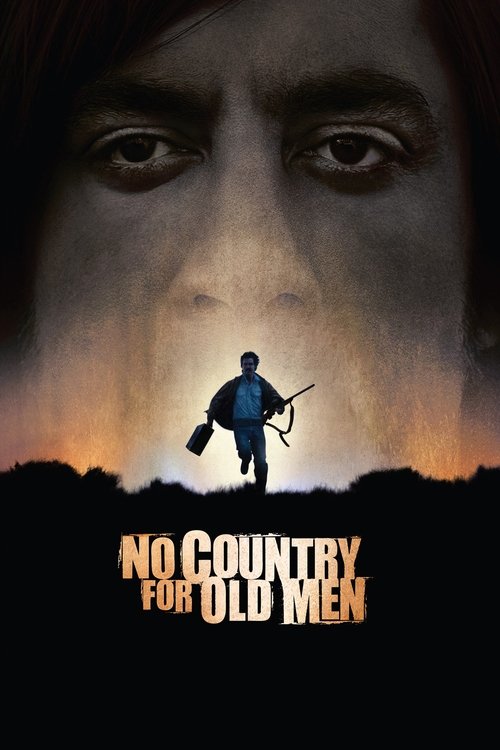
No Country for Old Men2007
A similar hunt through a landscape of casual violence, where possession and survival matter more than morality. Both films trust you to sit with dread without musical cues or explanations.
But Methodical pacing and an ending that refuses catharsis can feel punishing rather than profound if you're not in the mood.
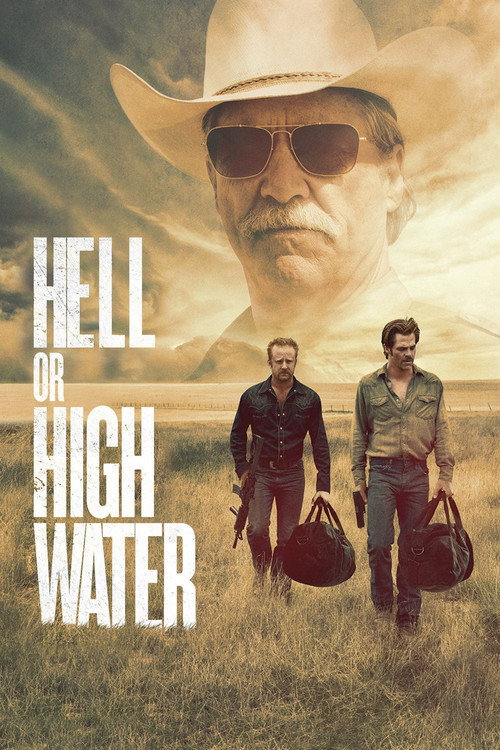
Hell or High Water2016
Modern crime drama with the same lean, desert-worn aesthetic and a partnership between men on opposite sides of the law bound by circumstance and self-interest.
But Takes longer to build steam than The Rover, and some find its moral ambiguity frustratingly unresolved.
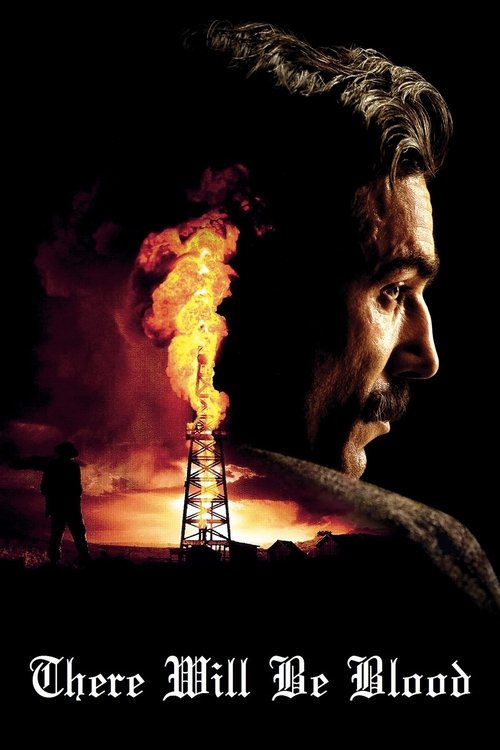
There Will Be Blood2007
Obsession and possession as the engine of a man's entire existence. Paul Thomas Anderson's control of mood and Pearce-like intensity from Daniel Day-Lewis achieves what The Rover reaches for.
But Nearly three hours of accumulating darkness; if you don't surrender to its rhythm early, it will exhaust you.
Not sure tonight? Get a pick in a minute, starting from The Rover
The wildcard
Something you would not have found on your own.
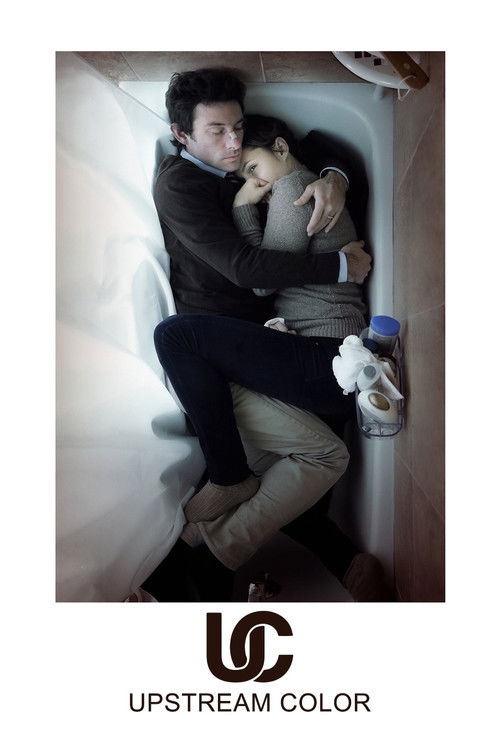
Upstream Color2013
Both films reject conventional narrative clarity in favor of mood, gesture, and the unspoken bond between two people. Both trust the audience to find meaning in what is *not* said.
Shane Carruth's companion study in isolation and unknowability: two people moving through a world where meaning has dissolved and only instinct and presence remain. Like The Rover, it trusts silence and gesture over exposition.
But Deliberately cryptic to the point of opacity; the plot is deliberately obscured and some find this experimental approach infuriating rather than illuminating.
More like this (8)
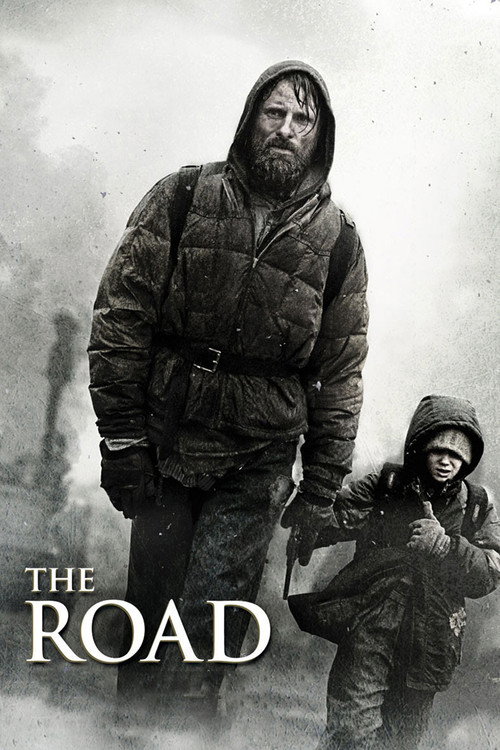
The Road2009
Post-apocalyptic devastation rendered as intimate tragedy rather than spectacle. Cormac McCarthy's nihilism adapted with genuine tenderness between two survivors.
But Relentlessly bleak. The father-son dynamic and occasional hope make it marginally less alienating than The Rover, which some find claustrophobic.
Stalker1979
A journey into a mysterious zone with a taciturn guide and a stranger, where the real story is interior and philosophical rather than plot-driven. Tarkovsky creates dread from atmosphere alone.
But Soviet science-fiction poetry, not narrative. If you want momentum and dialogue, this will feel glacial and impenetrable.

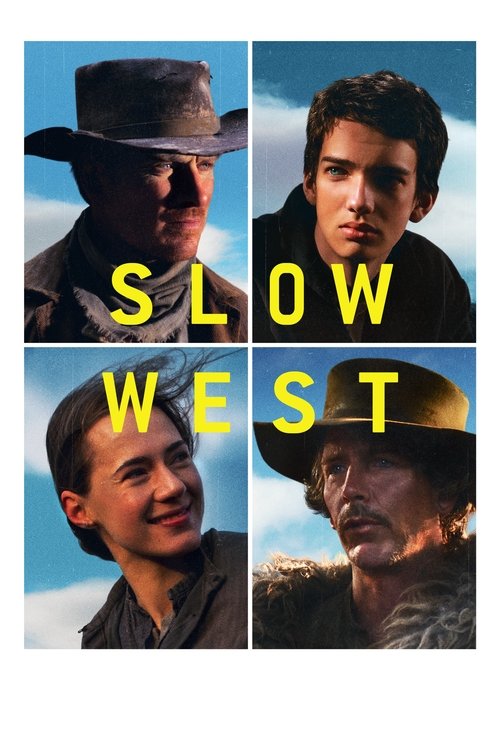
Slow West2015
An unlikely pairing traversing hostile terrain in pursuit of something precious. Stylish, violent, and genuinely funny in ways that ground the violence and make the partnership feel earned.
But Tonal shifts between comedy and brutality don't work for everyone; some find it too clever for its own good.
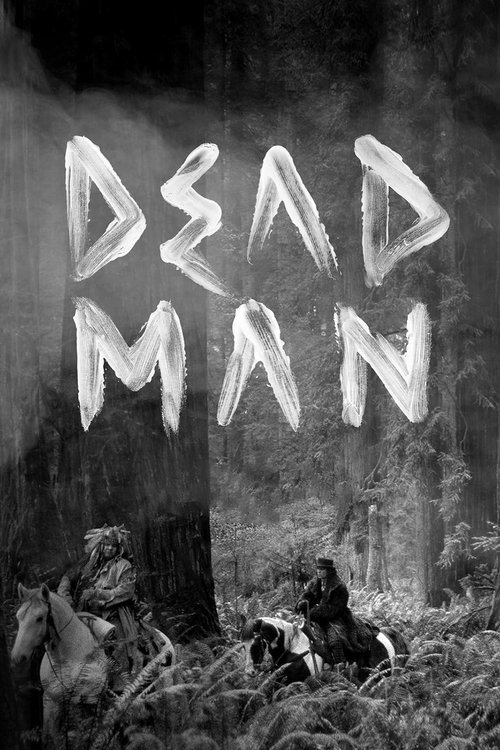
Dead Man1995
Jim Jarmusch's acid-Western: a hunted man and a cryptic Indigenous companion move through a monochrome wasteland. Poetic, strange, and deeply concerned with mortality and dispossession.
But Deliberately paced and willfully weird. The deadpan tone and experimental structure alienate viewers seeking conventional narrative satisfaction.
The Ballad of Little Jo1993
Survival and partnership in the American frontier, with a lead performance of astonishing restraint. Maggie Greenwald's film shares The Rover's interest in how little remains when everything is stripped away.
But Deliberately small and quiet. Its refusal to be a conventional period drama frustrates those expecting more plot momentum and spectacle.

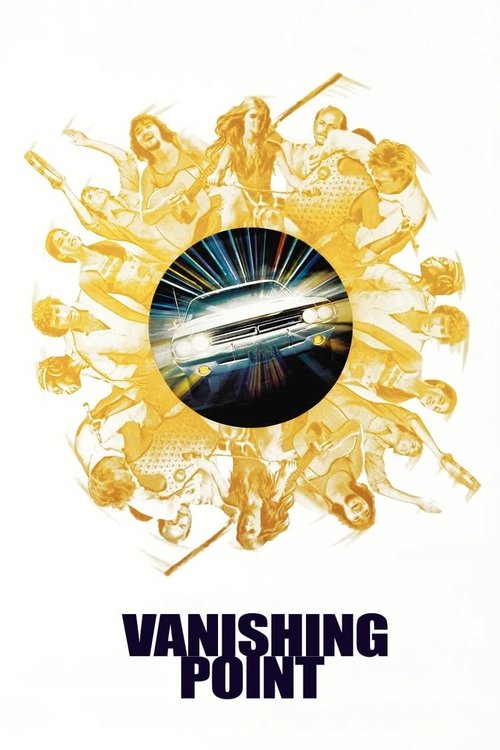
Vanishing Point1971
A man and his car racing toward oblivion across American highways, pursued by forces he can't escape. Hypnotic, propulsive, and equally concerned with possession as identity.
But Episodic structure and 1970s aesthetics date it; the counterculture messaging feels period-specific in ways that can distract modern viewers.
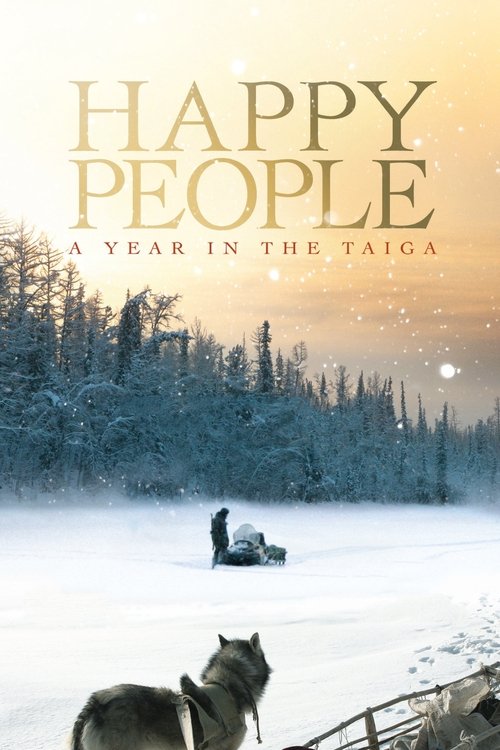
Happy People: A Year in the Taiga2010
Both The Rover and this film are studies in how humans endure when everything non-essential has been stripped away. Both find dignity in persistence rather than triumph.
A documentary about trappers in remote Siberia surviving on self-reliance and skill alone. It captures the same austere poetry of survival, the same relationship between a man and his possessions, without a shred of sentimentality.
But A nature documentary with no plot, no arc, no conventional stakes. If you need narrative propulsion, this is meditative to the point of monotony.
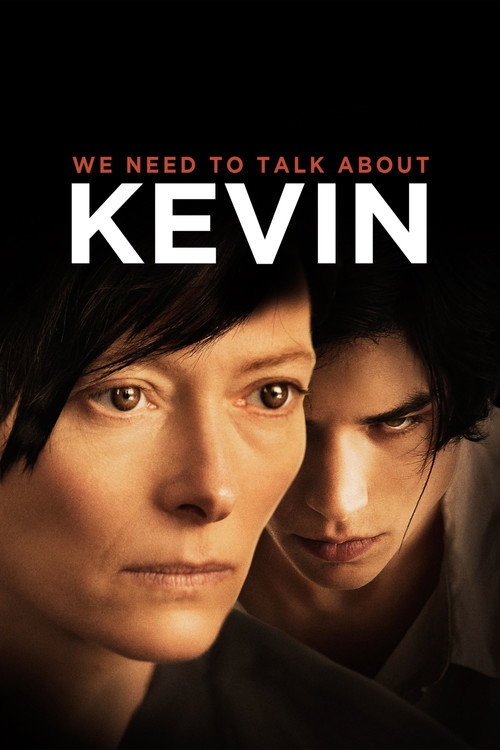
We Need to Talk About Kevin2011
Both films use unconventional structure and visual language to explore how two people can be bound together by damage and survival, unable to save each other or themselves.
Lynne Ramsay's fractured, sensory exploration of a mother and her devastating son. Like The Rover, it uses fragmentation and silence to communicate emotional rupture; both are about people bound together by circumstance and unresolved harm.
But Told in fragments across time, visually dense and emotionally overwhelming. Its focus on maternal tragedy rather than revenge makes it a fundamentally different kind of darkness.
People
Cast
 Guy PearceEric

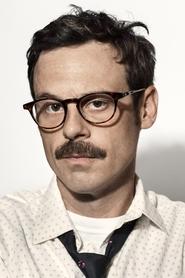 Scoot McNairyHenry
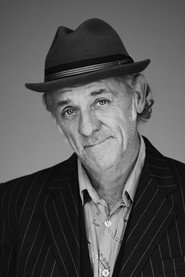 David FieldArchie
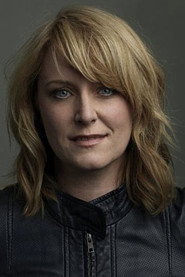 Susan PriorDorothy Peeples
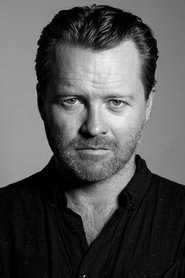 Anthony HayesSgt. Rickofferson
 Tawanda ManyimoCaleb
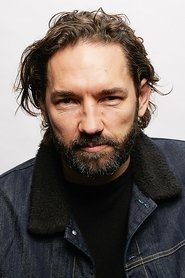 Nash EdgertonTown Soldier
- Gillian JonesGrandma
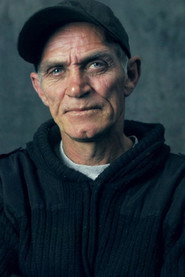 Richard GreenStorekeeper
- Chan KienKaraoke
- Tek Kong LimKaraoke
Directing
- David MichôdDirector
- Deborah AntoniouFirst Assistant Director
- Mojgan KhademScript Supervisor
- Betty FotofiliSecond Assistant Director
Writing
- David MichôdScreenplay
- Duncan ThompsonScript Consultant
- David MichôdStory
- Joel EdgertonStory
Production
- Hannah AndrewsAssistant Production Coordinator
- Megan HuitemaAssistant Production Coordinator
- Kirsty McGregorCasting
- Elisabeth PidgeonCasting Assistant
- Adam RymerExecutive Producer
- Alison CohenExecutive Producer
- Anita SheehanExecutive Producer
- Glen BasnerExecutive Producer
- Nina StevensonExecutive Producer
- Tory MetzgerExecutive Producer
- Vincent SheehanExecutive Producer
- Trish OstighExtras Casting Coordinator
- Mark KrausFirst Assistant Accountant
- Tu Nhi LamFirst Assistant Accountant
- Mark EvansLocation Manager
- David LindeProducer
- David MichôdProducer
- Liz WattsProducer
- Kylie MullerProduction Accountant
- Kathleen HaynesProduction Assistant
- Alex FewsterProduction Coordinator
- John MurphyProduction Runner
- Jon LontosProduction Runner
- Shannon CrottyProduction Runner
- Stephen EhrlerProduction Runner
- Fiona NixPublicist
- Paul PflugPublicist