
Film
Dead Man
- Weird western
- Period drama
- Very dark
- Strange
- Slow-burning
Jim Jarmusch's 1995 western is a fever dream of grief and mortality, shot in black and white with atonal guitar and the rhythm of an elegy. A man dying slowly wanders through a landscape that's already ghosts. It asks nothing of you but attention, and pays that back in moments of crushing strangeness and rare beauty.
If you liked this
The Ballad of Little Jo1993
A revisionist western about a woman passing as a man to survive the frontier. Like Dead Man, it treats the myth of the West as something cracked and strange, shot through with loneliness and the weight of secrets.
But It's quiet and deliberately paced, more portrait than story. The myth-breaking works against conventional satisfaction.

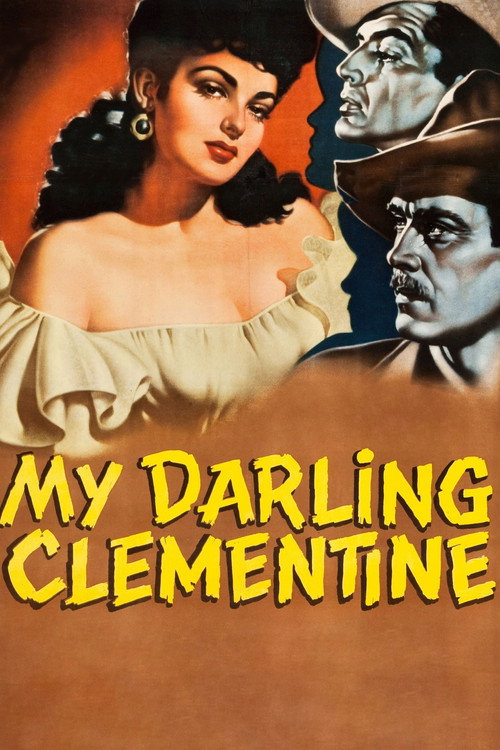
My Darling Clementine1946
John Ford's masterpiece about the Earp-Holliday alliance captures the same elegiac tone Jarmusch reaches for: the West as something beautiful and doomed, full of courtesy between men who know they're dying.
But A classical Hollywood film—it moves by different rules than Dead Man. The sepia mythology is what Jarmusch was trying to unhinge.
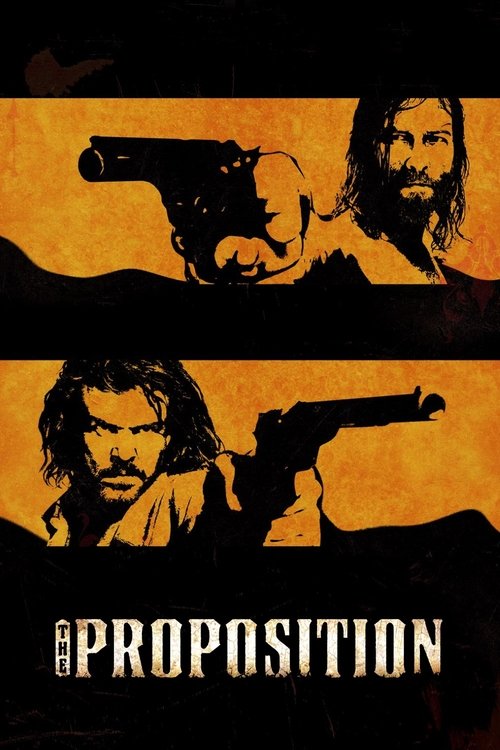
The Proposition2005
Another fever-dream western: brutal, beautifully composed, and interested in grace under impossible conditions. Nick Cave's score and script feel spiritual kin to Jarmusch's vision of violence and redemption.
But Australianism might feel like a deflection if you wanted to stay in American mythology. The violence is more foregrounded than meditative.
Not sure tonight? Get a pick in a minute, starting from Dead Man
The wildcard
Something you would not have found on your own.
Synecdoche, New York2008
Both are films about consciousness approaching annihilation, experienced as a strange displacement from the world. Both use artificiality and repetition as spiritual tools.
Charlie Kaufman's film about a director building a life-sized reproduction of New York inside a warehouse shares Dead Man's structure: a man dying slowly, consciousness fragmenting, the boundary between real and symbolic collapsing. Both treat death as a gradual realization rather than an event.
But Genuinely difficult. It rewards multiple viewings but might feel pretentious on first encounter. The layers of metaphor can feel suffocating rather than liberating.

More like this (7)
Johnny Guitar1954
Nicholas Ray's weird, operatic western subverts every convention: it's more interested in emotion and surrealism than plot. A genuine precursor to Jarmusch's approach to the genre.
But It's campy in spots. The gender politics are what they are. It can feel overheated where Dead Man is ice-cold.

Stalker1979
Tarkovsky's meditative sci-fi is structured like a pilgrimage through an indifferent landscape toward spiritual knowledge. If Dead Man is a western, Stalker is its philosophical shadow.
But Nearly three hours. Almost nothing happens in the conventional sense. Requires the same patience as Dead Man but offers even less plot.

Come and See1985
Elem Klimov's war film follows a boy into apocalypse with the relentless inevitability of a spiritual journey. The same sense of a consciousness being unmade by landscape and violence.
But One of the most harrowing films ever made. Not meditative—it's visceral and traumatizing. Dead Man is the ghost version of this.

In the Mood for Love2000
Wong Kar-wai's film about two neighbors discovering their spouses are having an affair is formally obsessed with color, framing, and the spaces between people. Like Dead Man, it's more interested in mood than plot.
But It's a completely different register: romantic where Dead Man is nihilistic. The technique might feel precious if you want spiritual weight.

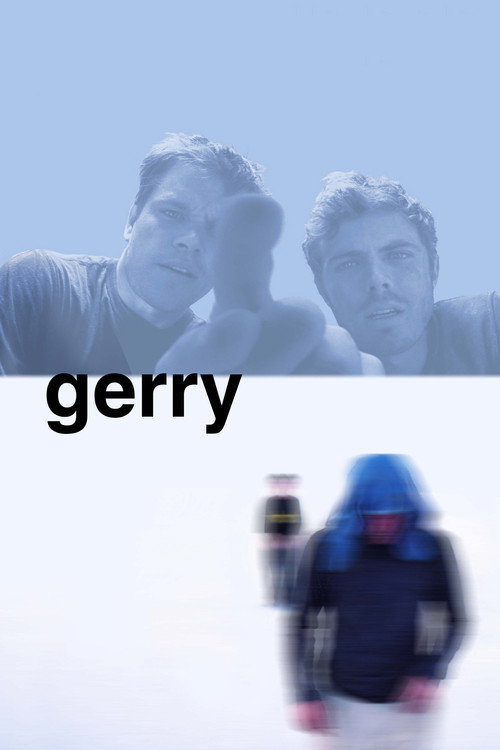
Gerry2002
Gus Van Sant's film about two men walking toward a distant goal, saying almost nothing, enduring landscape. A modern, almost literal riff on Jarmusch's vision of wandering and self-loss.
But Ninety minutes of two men walking. Some will find it profound; others will find it empty. There's no mystery to resolve.
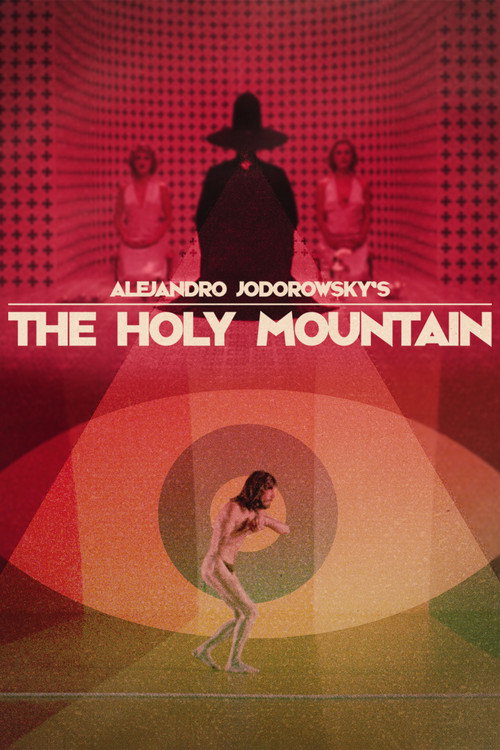
The Holy Mountain1973
Both films structure themselves as spiritual journeys where the landscape and encounters are more important than plot. Both treat death and transformation as the only real subject.
Alejandro Jodorowsky's surrealist pilgrimage film follows a man ascending toward enlightenment through symbolic trials and grotesquerie. It's a spiritual western—pagan, visionary, utterly committed to the strange.
But Bizarre, sometimes offensive, genuinely disturbing imagery. If you watch Dead Man for the elegance, this will feel like spiritual punk rock.
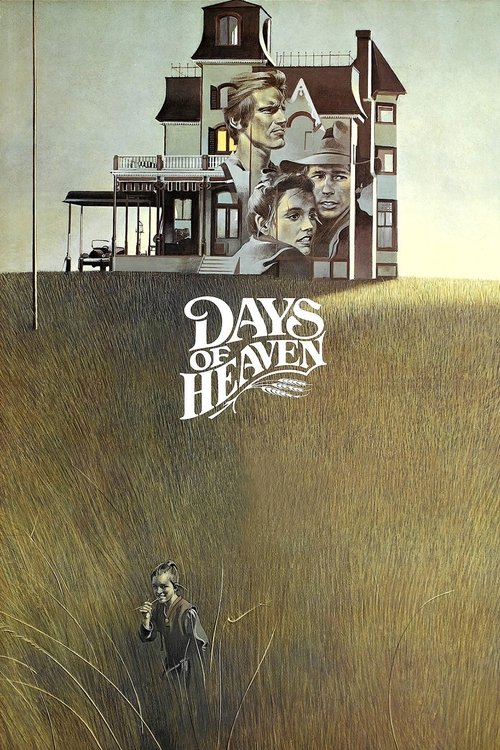
Days of Heaven1978
Both films use the landscape as the true protagonist and treat human lives as brief, beautiful, doomed things moving through indifferent nature. Both believe in the spiritual weight of visual composition.
Terrence Malick's film about migrant workers and passion filmed like a poem, all wheat fields and golden light and whispered narration. It's a western made by someone who cares more about beauty and mortality than genre.
But Plot is almost beside the point. The narration can feel precious. If you want narrative momentum, you'll be frustrated.
People
Cast
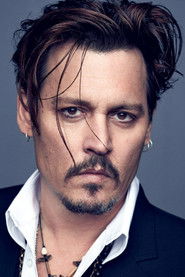 Johnny DeppWilliam Blake
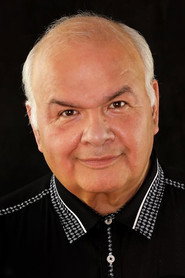 Gary FarmerNobody
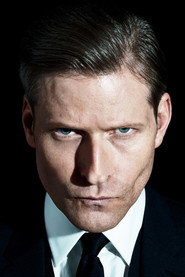 Crispin GloverTrain Fireman
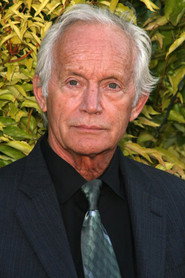 Lance HenriksenCole Wilson
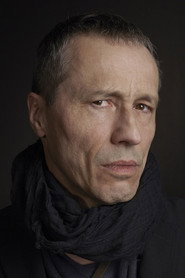 Michael WincottConway Twill
 Eugene ByrdJohnny 'The Kid' Pickett
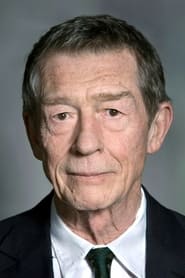 John HurtJohn Scholfield
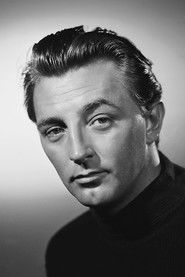 Robert MitchumJohn Dickinson
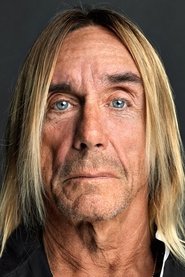 Iggy PopSalvatore 'Sally' Jenko
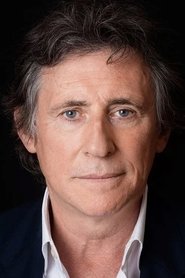 Gabriel ByrneCharlie Dickinson
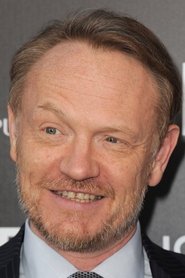 Jared HarrisBenmont Tench
 Mili AvitalThel Russell
Directing
- Jim JarmuschDirector
- Todd PfeifferFirst Assistant Director
- Jude GorjancSecond Assistant Director
- Constance L. HoySecond Second Assistant Director
Writing
- Jim JarmuschWriter
Production
- Shari HilliardArt Department Production Assistant
- Ellen LewisCasting
- Laura RosenthalCasting
- Karen KochCo-Producer
- Demetra J. MacBrideProducer
- Beth DePatieProduction Manager
Recommended by
The Rover, Pat Garrett & Billy the Kid, She Wore a Yellow Ribbon, Monte Walsh, Cheyenne Autumn, Geronimo: An American Legend, The Shooting, 3 Bad Men, The Return of a Man Called Horse, Warlock, Blood on the Moon, The Last Challenge, Arrowhead, 7 Men from Now, The Kid and the Killers