
Film
Cheyenne Autumn
John Ford's final Western follows a cavalry captain pursuing the Cheyenne as they flee their reservation toward Montana, built from their perspective rather than the soldiers'. It's an ambitious, elegiac film that turns the genre's usual sympathy inside out, asking uncomfortable questions about manifest destiny and military duty. For viewers ready for something that breaks the Western's expected shape.
Should you watch it?
Watch it if you love sprawling, painterly Westerns where the landscape carries as much weight as the plot, and you don't mind a director treating the frontier as a moral argument rather than a playground.
Skip it if the pace is deliberate and the comic episodes can jar against the grief underneath, so if you want a lean, tightly plotted saddle picture, this will test your patience.
What it asks of you: Settle in for nearly two and a half hours of unhurried wide-screen wandering, long stretches of travel, and a tone that swings between elegy and lighter comic relief.
Not sure? Find tonight's pick in a minute.
If you liked this
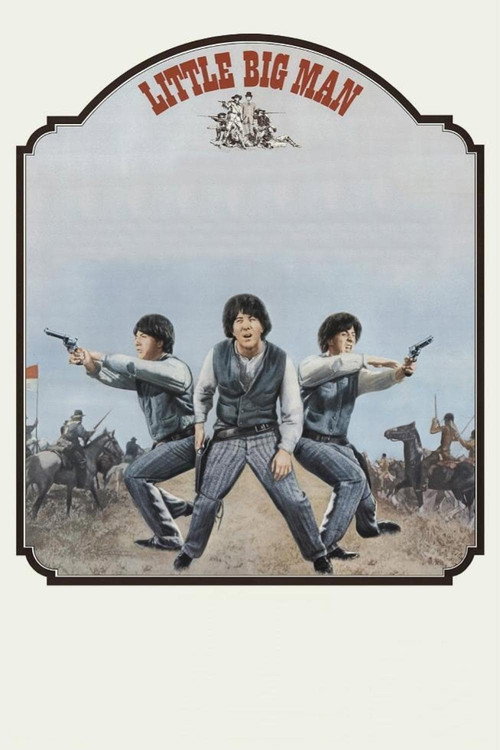
Little Big Man1970
Shifts the entire Western onto its head by centering Indigenous experience and showing cavalry brutality without flinching. Arthur Penn's masterpiece is darker and angrier than Ford, but asks the same fundamental questions about whose story we've been told.
But Nearly three and a half hours, structurally wayward, and the tonal shifts between comedy and atrocity take getting used to. It doesn't feel like a traditional Western, which is precisely the point.
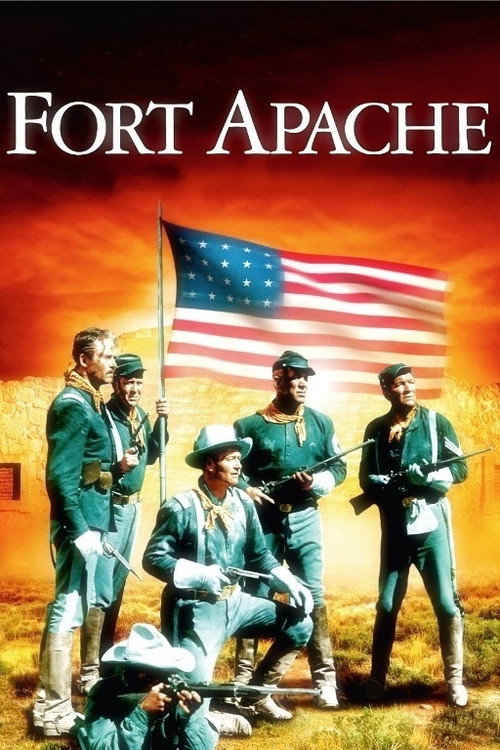
Fort Apache1948
Ford's earlier cavalry trilogy film that examines the gap between military myth and moral reality. Henry Fonda's rigid officer is both sympathetic and terribly wrong—the moral complexity Ford perfected before Cheyenne Autumn.
But Shorter and more conventionally structured than Cheyenne Autumn, so it might feel safer. The racism of its era clings to it in ways even Ford couldn't fully transcend at that point.
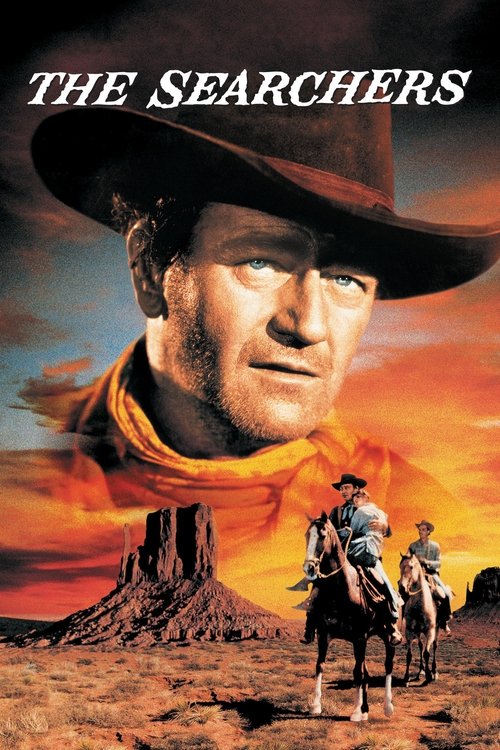
The Searchers1956
Ford's most celebrated Western, structurally similar in its long-distance pursuit narrative, but morally even darker. John Wayne's Ethan Edwards is a man you watch with deep unease, making it a masterclass in what the genre could examine if brave enough.
But Also over two hours and shot in Monument Valley's overwhelming beauty, which can feel remote. Wayne's character is genuinely unlikeable, which some find a barrier rather than a feature.
Not sure tonight? Get a pick in a minute, starting from Cheyenne Autumn
The wildcard
Something you would not have found on your own.
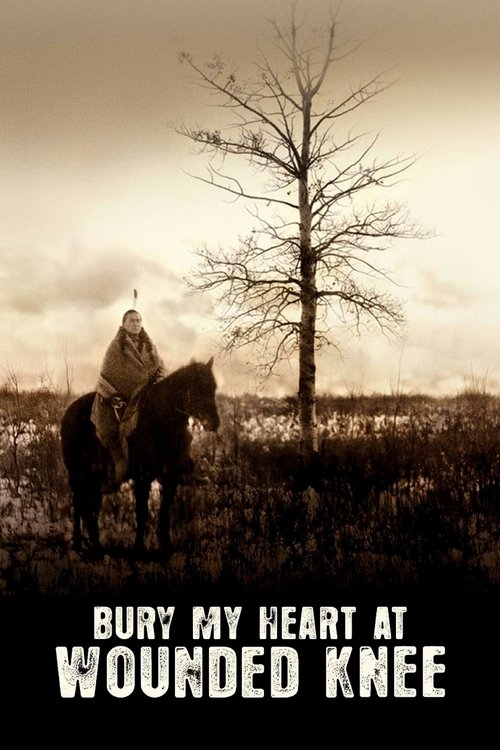
Bury My Heart at Wounded Knee2007
Both attempt to correct the Western's traditional narrative by centering Cheyenne survival and resistance, but Bury My Heart argues from history rather than myth, making Ford's ambition concrete.
HBO's unflinching miniseries traces the actual historical events—broken treaties, forced relocations, the genocide Ford obliquely addresses—with documentary precision and human weight. It's the historical argument Cheyenne Autumn makes, but stated plainly and without the romance of cinema.
But Relentlessly bleak and sometimes difficult to watch. It offers no catharsis or comfort, only the record of what happened, which is harder than any fiction.
More like this (8)
Johnny Guitar1954
Nicholas Ray's strange, almost hallucinatory Western that treats its female protagonist as a force of nature rather than a supporting element. Weird, operatic, and interested in the same power dynamics that drive Cheyenne Autumn.
But Genuinely peculiar—the tone veers from camp to menace without apology. If you want a conventional genre exercise, this isn't it.

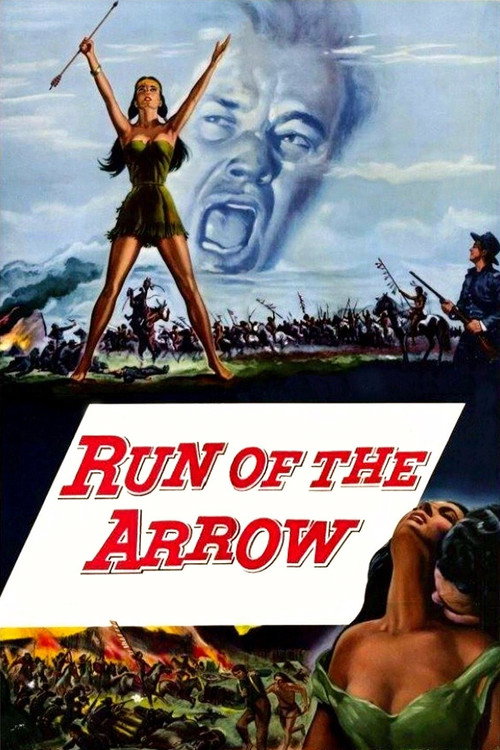
Run of the Arrow1957
Samuel Fuller's savage film about a Confederate soldier who joins the Sioux after the Civil War ends. Raw, morally complicated, and utterly uninterested in making anyone comfortable about violence or cultural belonging.
But Shot on a tiny budget with obvious limitations, and Fuller's abrasive style won't appeal to those wanting elegance. The political positions are blunt to the point of discomfort.
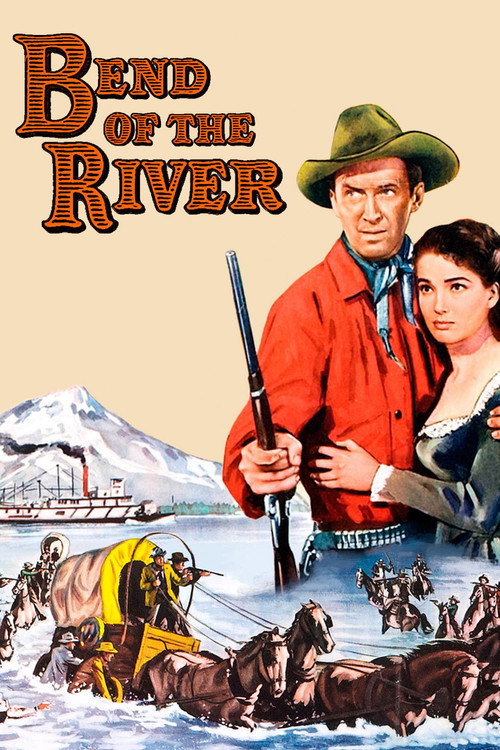
Bend of the River1952
Anthony Mann's Western with James Stewart shows good men forced into moral compromise by circumstance. Lean, intelligent, and interested in character under pressure in the way Ford's later work became obsessed with.
But Less overtly about Indigenous peoples, so it might feel too tangential. Mann's style is more pragmatic than poetic, which some find cold.
The Ballad of Little Jo1993
Maggie Greenwald's unusual Western centers a woman passing as a man in the frontier, based on a true story. Quiet, precise, and genuinely strange about gender and belonging in ways most Westerns never touch.
But Very spare and unhurried. The payoff is internal rather than dramatic, which requires patience and attention most Westerns don't demand.

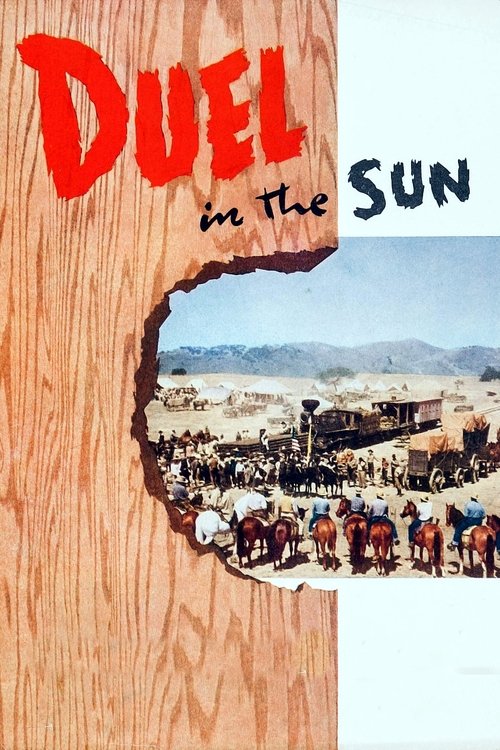
Duel in the Sun1946
David O. Selznick's wildly ambitious Western melodrama features Jennifer Jones in a role that defies the genre's usual constraints on female sexuality and agency. Gaudy, excessive, unforgettable.
But Doesn't take anything seriously including itself, which might feel frivolous next to Cheyenne Autumn's moral weight. The Technicolor excess reads as camp now.
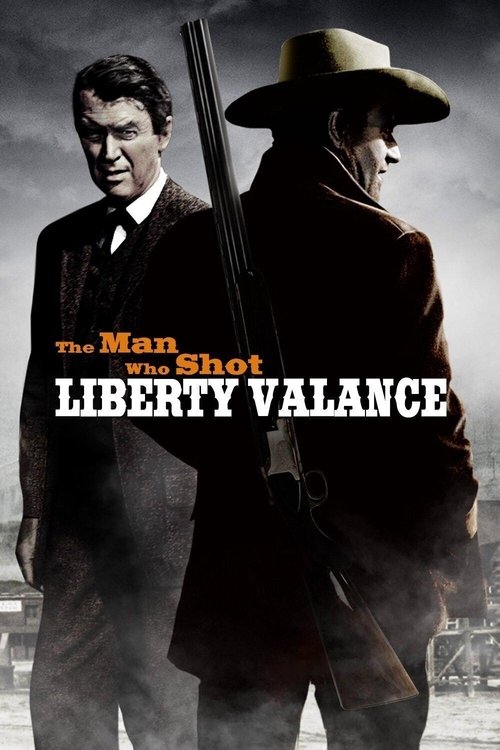
The Man Who Shot Liberty Valance1962
Ford's late meditation on myth versus reality, where Jimmy Stewart and Lee Marvin's climactic confrontation is reframed as something built on lies. A quiet, perfect argument about how the West was won and whose story mattered.
But Very slow and deliberately staged, shot in black and white on sets rather than location. The philosophy matters more than action, which asks different things of a viewer.
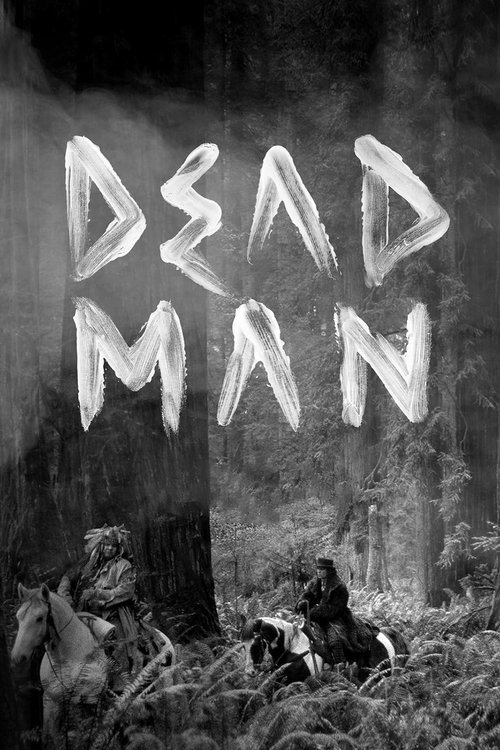
Dead Man1995
Both films use the frontier journey as a meditation on mortality and displacement rather than adventure, and both see the land itself as a character passing judgment on those who move through it.
Jim Jarmusch's black-and-white fever dream of the frontier—Johnny Depp as a man drifting west after being shot, accompanied by a ghost. It's a Western that dissolves into elegy and hallucination, treating the frontier as spiritual death rather than opportunity.
But Abstract and deliberately slow, with long passages of silence. If you want plot or conventional narrative momentum, you'll find none. It's hypnotic or maddening depending on your mood.
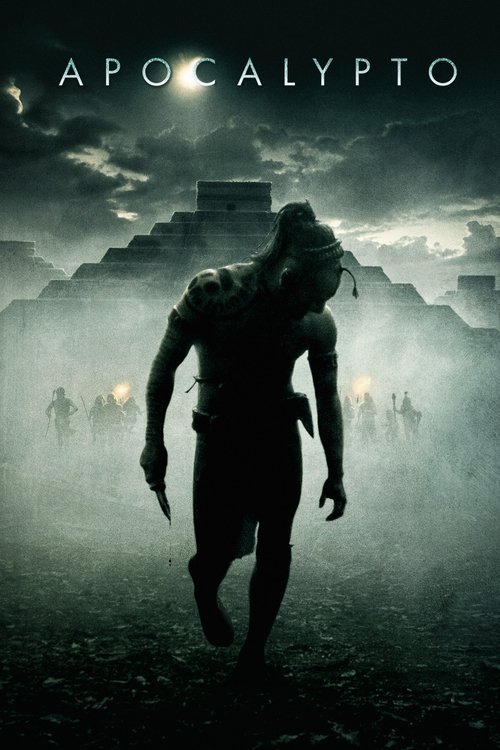
Apocalypto2006
Both films examine civilization collapse through the experience of those in flight from institutional power, asking what survival means when everything you knew is dismantled. Both refuse the comfort of clear heroes or villains.
Mel Gibson's visceral film about the collapse of a Mayan civilization and one man's desperate flight for survival is structured as a chase sequence where the pursuers embody an entire dying culture. Brutal, gorgeously shot, and morally ambiguous in ways that echo Ford's refusal to let anyone off cleanly.
But Extremely violent and graphic, with a third act that tips into action-movie territory. The moral complexity gets muddled by spectacle, and Gibson's politics complicate the viewing.
People
Cast
 Richard WidmarkCapt. Thomas Archer
 Carroll BakerDeborah Wright
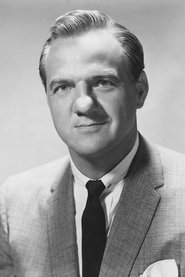 Karl MaldenCapt. Wessels
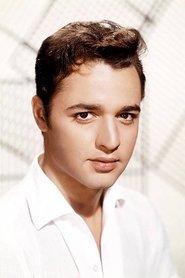 Sal MineoRed Shirt
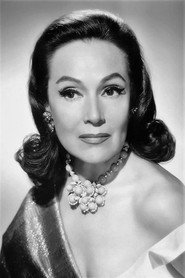 Dolores del RíoSpanish woman
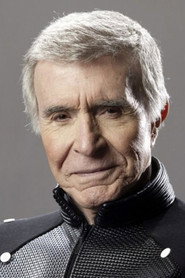 Ricardo MontalbanLittle Wolf
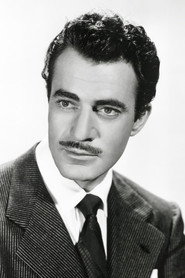 Gilbert RolandDull Knife
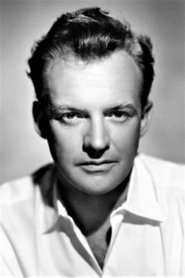 Arthur KennedyDoc Holliday
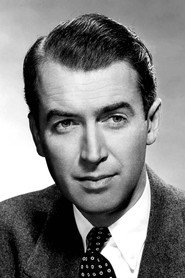 James StewartWyatt Earp
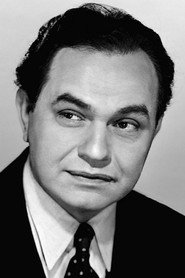 Edward G. RobinsonSecretary of the Interior Carl Schurz
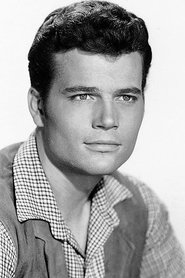 Patrick WayneSecond Lieut. Scott
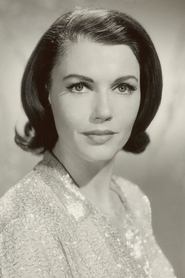 Elizabeth AllenGuinevere Plantagenet
Directing
- Ray KelloggAssistant Director
- Russell SaundersAssistant Director
- Wingate SmithAssistant Director
- John FordDirector
Writing
- Howard FastNovel
- James R. WebbScreenplay
Production
- Bill CornfordLocation Manager
- Bernard SmithProducer
- John FordProducer
Recommended by
Soldier Blue, They Died with Their Boots On, The Gatling Gun, Geronimo: An American Legend, The Last Wagon