
Film
Soldier Blue
- Revisionist western
- Very dark
A 1970 Western that refuses easy comfort. After a cavalry massacre, a naive soldier and a white woman raised by Cheyenne must trek across hostile territory while reckoning with divided loyalties. It's deliberately provocative—not interested in heroes or villains, more in the moral wreckage of colonialism. Grim, unglamorous, occasionally brutal.
Should you watch it?
Watch it if you want a revisionist Western that argues with its own genre, where the romance and the landscape carry moral weight and the violence is meant to make you flinch.
Skip it if you need a fast, tidy adventure, since its pace is deliberate, its cruelty is hard to sit through and its 115 minutes circle the same wounds.
What it asks of you: Settle in for just under two hours of unhurried scenes, long silences and sudden brutality, with a tone that moves from earnest to bitter and rarely lets you off.
Not sure? Find tonight's pick in a minute.
If you liked this
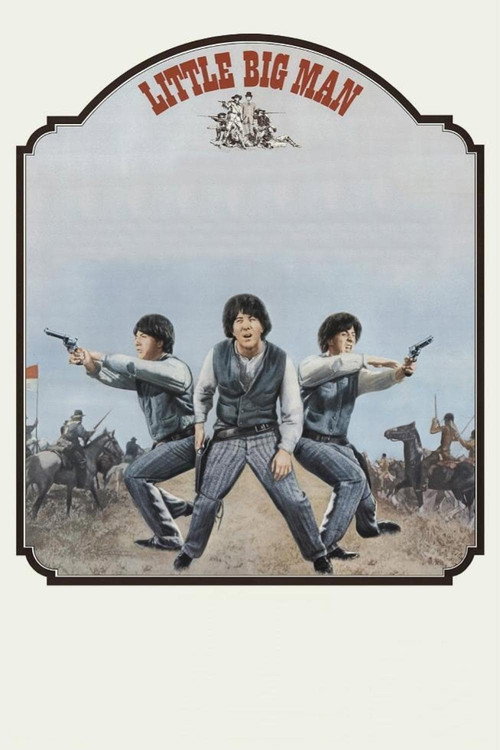
Little Big Man1970
Dustin Hoffman as a white man raised by Cheyenne, trying to navigate between two worlds. It shares Soldier Blue's refusal to make this story simple or comforting, with dark humour beneath the tragedy.
But Nearly four hours long, and the tonal shifts between comedy and atrocity can feel jarring if you're not braced for them.
Johnny Guitar1954
A Western where moral certainty collapses and a woman's loyalty is genuinely ambiguous. Like Soldier Blue, it interrogates the genre's mythology by taking its contradictions seriously.
But The pacing is glacial and the dialogue occasionally overwrought. It's a curious film, not a crowd-pleaser.

The Ballad of Little Jo1993
A woman living as a man in the frontier West, surviving on her own terms. It has Soldier Blue's interest in how people navigate impossible positions between cultures and identities, but with quieter dignity.
But Very slow and austere. If you want narrative momentum, this isn't it—it's mood and endurance.

Not sure tonight? Get a pick in a minute, starting from Soldier Blue
The wildcard
Something you would not have found on your own.
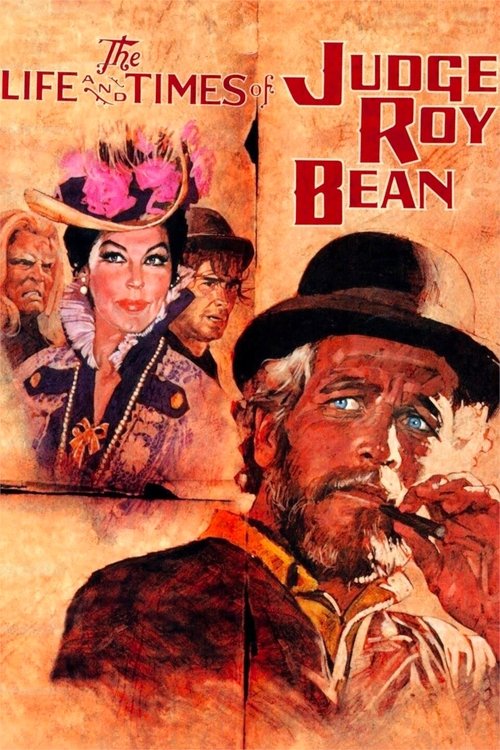
The Life and Times of Judge Roy Bean1972
Both films reject the Western's offer of a stable moral universe. One does it through brutal realism, the other through carnival—different registers for the same disillusionment.
John Huston's revisionist Western: a con-man judge creates a fake civilisation in the desert, obsessed with Lillian Russell. Like Soldier Blue, it treats American mythology as performance and delusion, but as absurdist farce instead of tragedy.
But It's genuinely weird and tonal—sometimes funny, sometimes bitter, sometimes confused. The Paul Newman character is not sympathetic, and the film doesn't ask you to like him.
More like this (8)
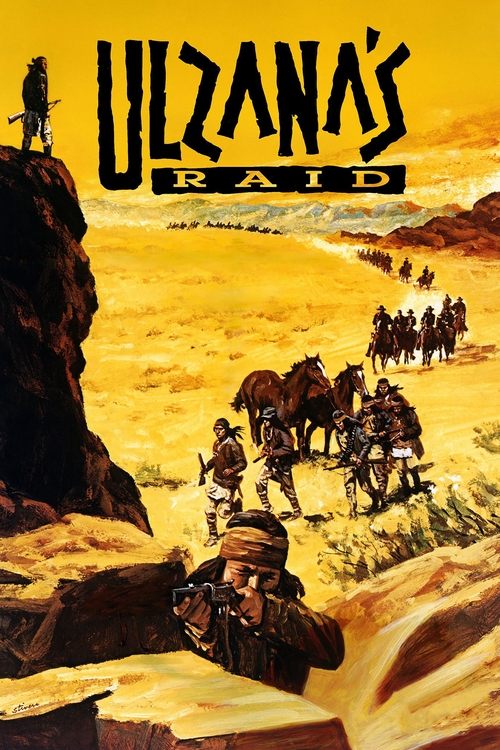
Ulzana's Raid1972
A taut, intelligent Western that treats Apache raiders as intelligent opponents rather than savages. Robert Aldrich's direction and Bruce Davison's performance capture the same disillusionment with America's mythology.
But It's a revenge film at heart, which means the ending may feel like a step backward from Soldier Blue's refusal to offer satisfaction.
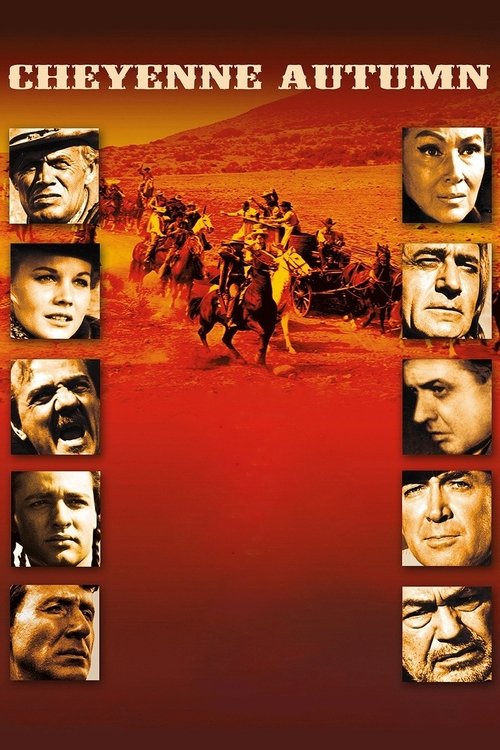
Cheyenne Autumn1964
John Ford's late meditation on the Cheyenne's 1,500-mile flight to Montana. It's epic in scale but deeply pessimistic about American progress, with genuine sympathy for its Native characters.
But At 154 minutes, Ford meanders. Long stretches feel digressive, and some sequences lean into problematic comedy that undercuts the seriousness.
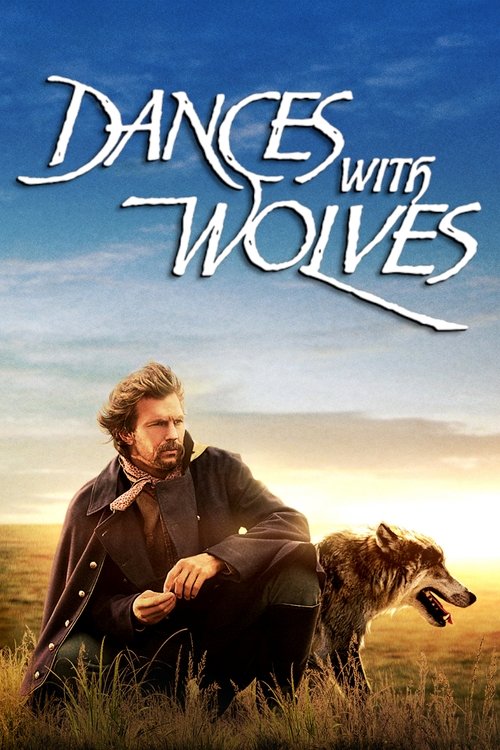
Dances with Wolves1990
Kevin Costner's epic about a Union soldier who integrates into Lakota life. It's more conventionally beautiful than Soldier Blue, with better funding, but it shares the core idea of cultural collision and genuine relationship.
But It's gentler and more sentimental, which means it sidesteps some of the harder truths that make Soldier Blue uncomfortable to watch.
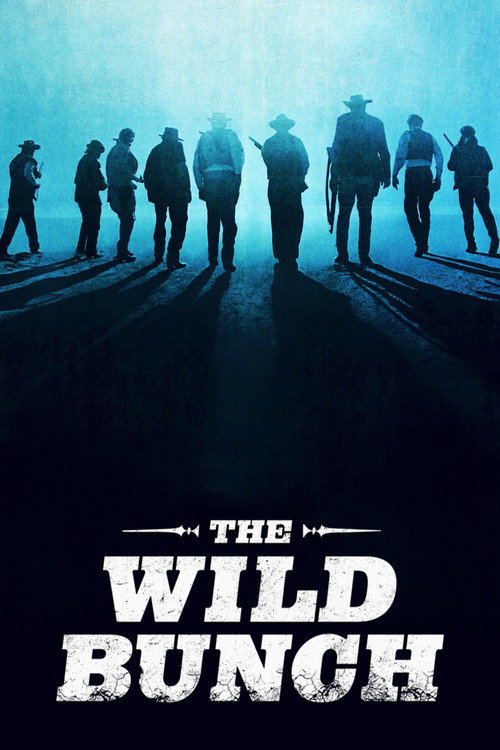
The Wild Bunch1969
Peckinpah's meditation on obsolescence and violence, made the same year as Soldier Blue. Both films understand that the Western is about a world ending, and that nostalgia is a luxury.
But It's a gunfight film first, not a character study. The bloodshed is the point, which may overwhelm if you're seeking moral dialogue.
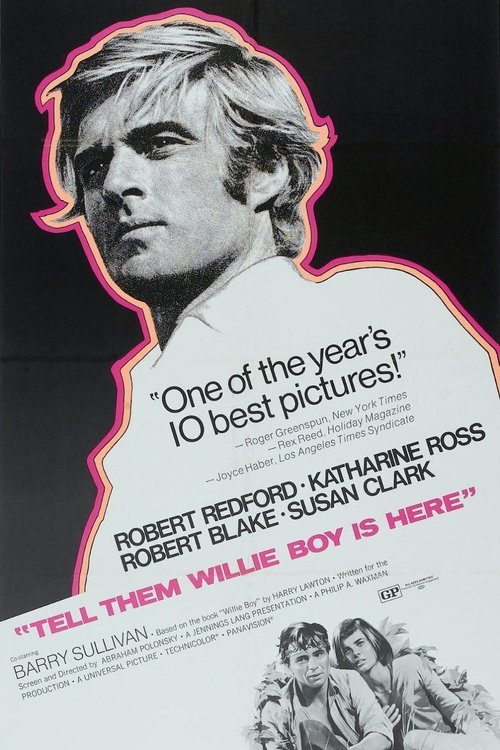
Tell Them Willie Boy Is Here1969
A 1909-set story of a Paiute man hunted by California authorities. Abraham Polonsky's film is spare and elegiac, treating its protagonist with quiet dignity while the system closes in.
But Very quiet and undramatic. It relies on mood and implication rather than plot, which can feel static if you need conventional narrative.
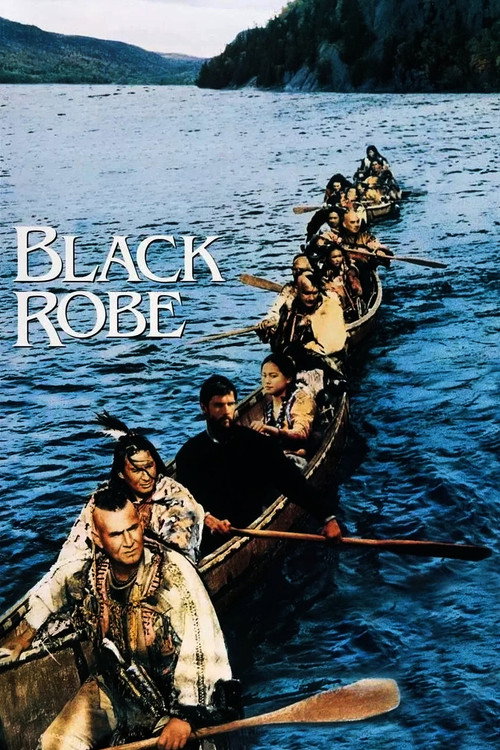
Black Robe1991
A Jesuit missionary journeys through 17th-century Canada with Algonquin guides. It's deeply interested in how belief systems collide, and how good intentions can cause profound harm—Soldier Blue's thematic DNA in a different setting.
But Dense and philosophically heavy, with a bleak ending. If you want spiritual reassurance, this film offers none.
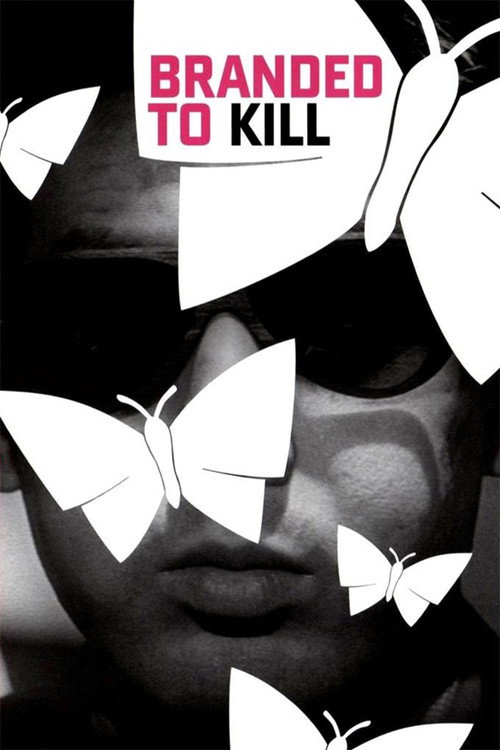
Branded to Kill1967
Both centre on a woman whose allegiances are genuinely split, not resolved. Both refuse to simplify her into a love interest or a traitor.
Seijun Suzuki's Japanese crime film about a hitman and his wife navigating betrayal and obsession. It shares Soldier Blue's interest in a couple forced into impossible circumstances, but renders it through dreamlike, fractured editing rather than landscape.
But Abstract and disorienting, with editing that can feel deliberately hostile. If you need clarity, this will frustrate you.
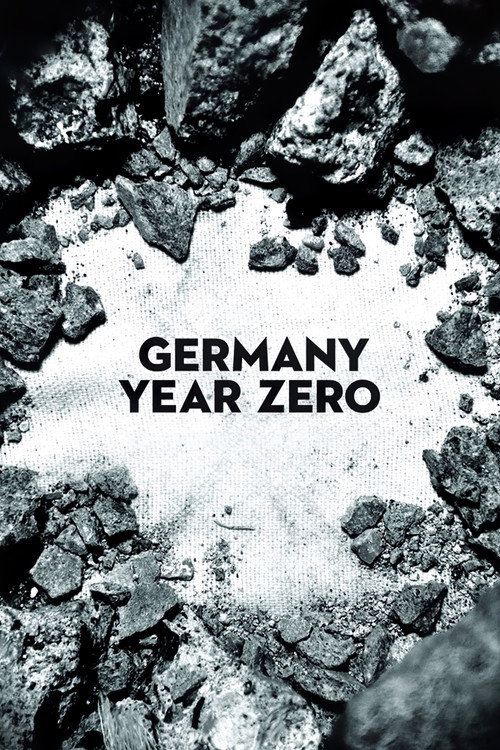
Germany, Year Zero1948
Both films believe that geography and circumstance shape morality more than choice does. Both refuse to let the viewer feel innocent.
Rossellini's neorealist study of a young boy surviving post-war Berlin, filmed in ruins among actual debris. It has Soldier Blue's unflinching look at how ideology destroys innocence, but turns the camera on a child rather than lovers.
But Devastating and airless. It offers no comfort or redemption, only the weight of history pressing down on the helpless.
People
Cast
 Candice BergenKathy Maribel Lee, 'Cresta'
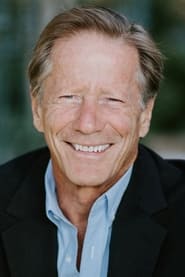 Peter StraussHonus Gent
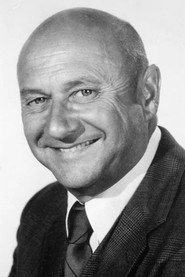 Donald PleasenceIsaac Q. Cumber
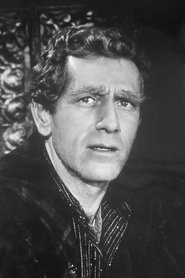 John AndersonCol. Iverson
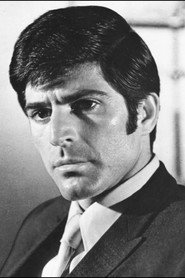 Jorge RiveroSpotted Wolf
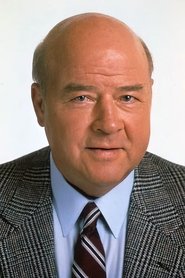 Dana ElcarCapt. Battles
- Bob CarrawayLt. McNair
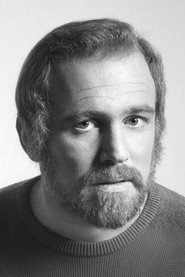 Martin WestLt. Spingarn
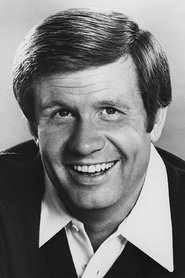 James HamptonPvt. Menzies
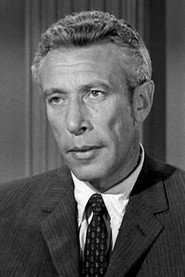 Mort MillsSgt. O'Hearn
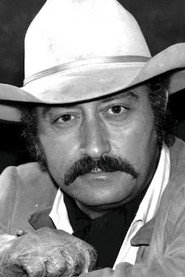 Jorge RussekRunning Fox
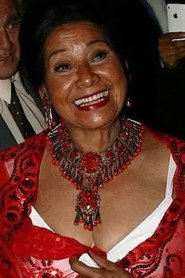 Aurora ClavelIndian Woman
Directing
- Mario CisnerosAssistant Director
- Terry Morse Jr.Assistant Director
- Ralph NelsonDirector
- Bob ForrestScript Supervisor
- Everett CreachSecond Unit Director
Writing
- Theodore V. OlsenNovel
- John GayScreenplay
Production
- William S. GilmoreAssociate Producer
- Leonard MurphyCasting
- Joseph E. LevineExecutive Producer
- Gabriel KatzkaProducer
- Harold LoebProducer
- Rhonda GroganProduction Secretary
Recommended by
A Man Called Horse, Utu, Ulzana's Raid, Tell Them Willie Boy Is Here, The Losers