
Film
Tell Them Willie Boy Is Here
A 1969 Western that reimagines a real manhunt through a contemporary lens, focusing on a Paiute man fleeing across the desert after a killing. The film treats its subject with moral complexity rather than spectacle, more interested in the machinery of pursuit and prejudice than gunplay. For viewers seeking Westerns that question the genre's assumptions.
Should you watch it?
Watch it if you like Westerns that treat the chase as a study of prejudice and posse psychology rather than a showcase for gunfights, and you're happy with a slow, dusty pace.
Skip it if you want a brisk genre thriller, since this one lingers on dialogue and the moral weight of the hunt, and it can feel like a sermon rather than a ride.
What it asks of you: Ninety-eight minutes of unhurried pacing, long stretches of open country and silence, and a slow, grinding search that rewards patience over momentum.
Not sure? Find tonight's pick in a minute.
If you liked this
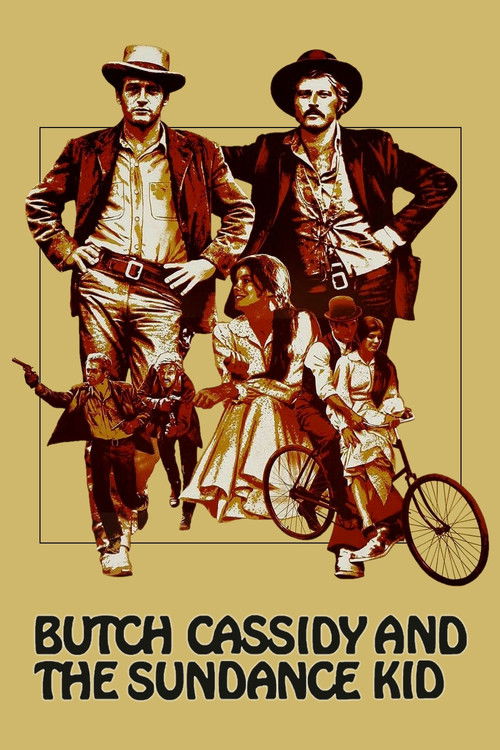
Butch Cassidy and the Sundance Kid1969
Released the same year, this film also follows men on the run across landscapes that offer no mercy. Newman and Redford have the charisma and chemistry that makes you root for outlaws, and it wrestles with mortality without losing its grace.
But It's a considerably more fun film. If you want the bleakness of Tell Them Willie Boy, this one's actually too charming and frequently too funny.
Johnny Guitar1954
An early Western that challenges genre conventions by centring a woman's agency and refusing simple morality. Nicholas Ray's direction is propulsive and strange, full of colour and psychological tension. A genuine outlier that predates revisionist Westerns.
But It's visually theatrical in ways that feel more like opera than realism. The plotting can feel airless, and the emotional core takes time to locate.

The Ballad of Little Jo1993
A rigorously unsentimental film about a woman passing as a man in the Old West, based on real events. Maggie Greenwald directs with documentary precision. It shares Tell Them Willie Boy's commitment to historical truth over romance.
But The pacing is deliberate to the point of austere. There's almost no score, minimal dramatic crescendo. It demands patience and rewards it quietly.

Not sure tonight? Get a pick in a minute, starting from Tell Them Willie Boy Is Here
The wildcard
Something you would not have found on your own.
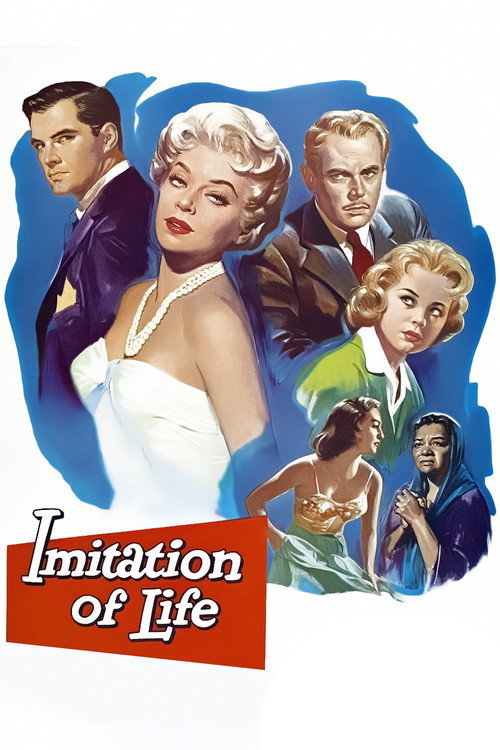
Imitation of Life1959
Both films examine how institutions and social machinery destroy people who won't fit prescribed categories. Sirk and Abraham use different genres to show the same trap closing.
Douglas Sirk's melodrama about race, passing, and the unbearable weight of being seen. A Black woman passes for white; a white woman watches from outside. The film's emotional architecture—its refusal of easy resolution—mirrors Willie Boy's exploration of how society pursues and defines people. Sirk finds the tragedy in systems, not in individuals.
But It's a women's picture, not a Western. The emotional register is operatic rather than restrained. If you want genre consistency, this will feel like a detour. It's also three hours.
More like this (8)
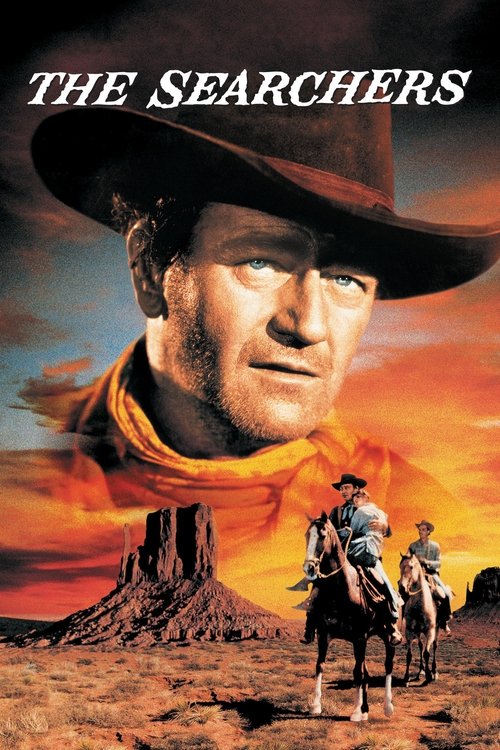
The Searchers1956
John Ford's masterpiece about obsession, racism, and the mythology of the West. It's formally gorgeous and morally corrosive—a film that uses the Western form to critique the Western myth. Essential viewing for anyone thinking seriously about the genre.
But Wayne's character is deeply unlikeable and the film doesn't soften that. It's also nearly two hours and structurally leisurely. Ford assumes you'll sit with discomfort.
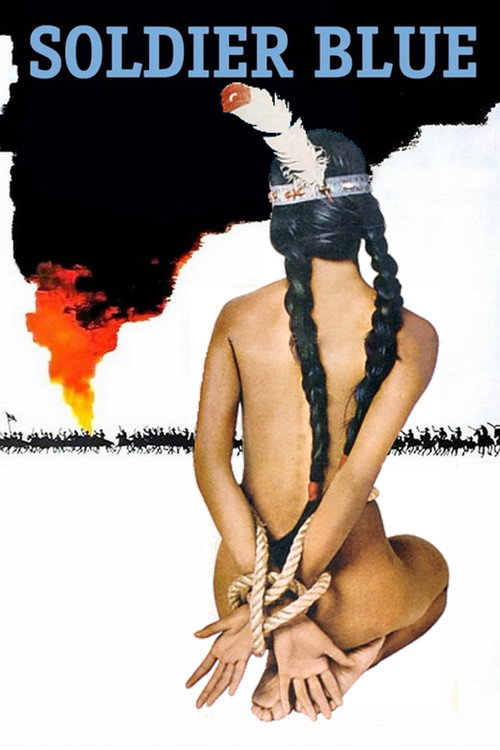
Soldier Blue1970
A contemporary Western that explicitly indicts American violence against Native Americans, drawing parallels to Vietnam. Brutal and unapologetic. If Tell Them Willie Boy interests you for its moral positioning, this one goes further.
But It's didactic by design and the dialogue can feel like speechmaking. The violence is graphic in ways that feel more like provocation than storytelling.
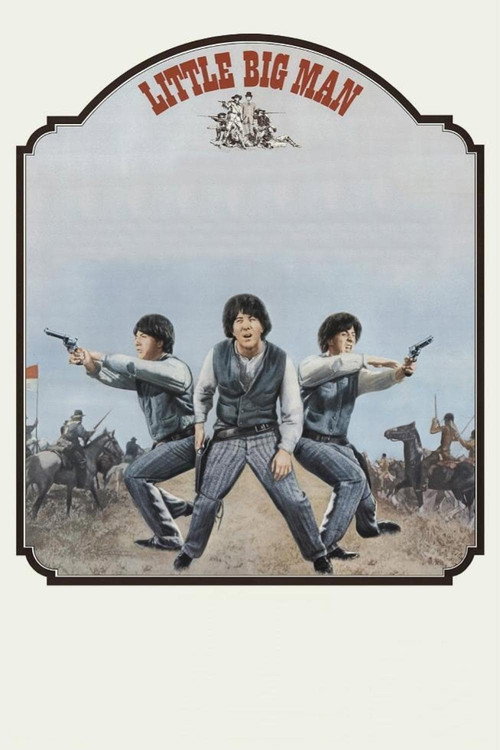
Little Big Man1970
Arthur Penn's sprawling, darkly comic revisionist Western that dismantles frontier mythology through a picaresque narrative. It's formally inventive and genuinely funny while being entirely serious about its critique of American expansion and genocide.
But It's shaggy and tonal. It tries a lot of things and not all of them work. Some sequences feel like sketches. Nearly three hours.
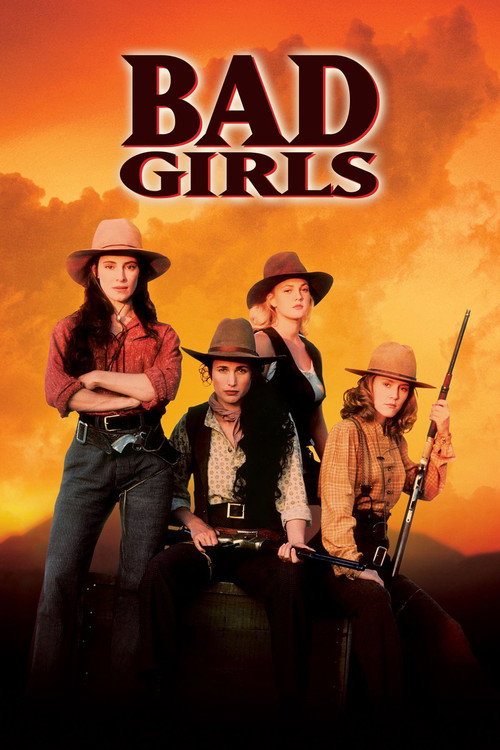
Bad Girls1994
Four women navigating the American West on their own terms—not a standard Western but a genuine attempt at reclaiming the form. It has energy and a real commitment to showing female agency as part of Western history.
But The script is uneven and the film sometimes mistakes busyness for depth. The action sequences don't land with real weight. Audiences and critics largely dismissed it.
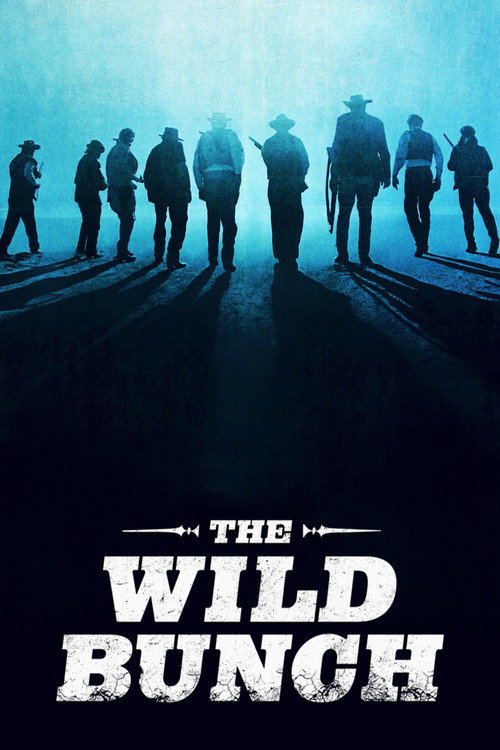
The Wild Bunch1969
Peckinpah's explosive meditation on aging violence and obsolescence in the West. Released the same year as Tell Them Willie Boy, it's operatic where the other is restrained, but both films are asking what the West means when it's already dying.
But It's extremely violent and the editing can feel chaotic. If you want contemplative moral complexity, this prioritizes sensory experience. The philosophy emerges from chaos rather than clarity.
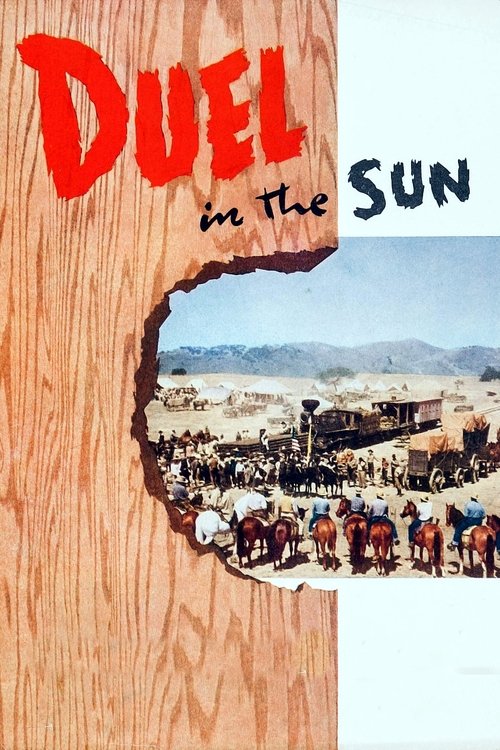
Duel in the Sun1946
A lurid, Freudian Western melodrama that breaks genre expectations through sheer baroque excess. Jennifer Jones and Gregory Peck combust together. It's wildly entertaining and proves the Western could be psychologically complex and emotionally excessive simultaneously.
But It's campy in ways that might seem unserious. The moralising can feel dated. It's closer to soap opera than realism, which is actually its appeal but not everyone's appetite.
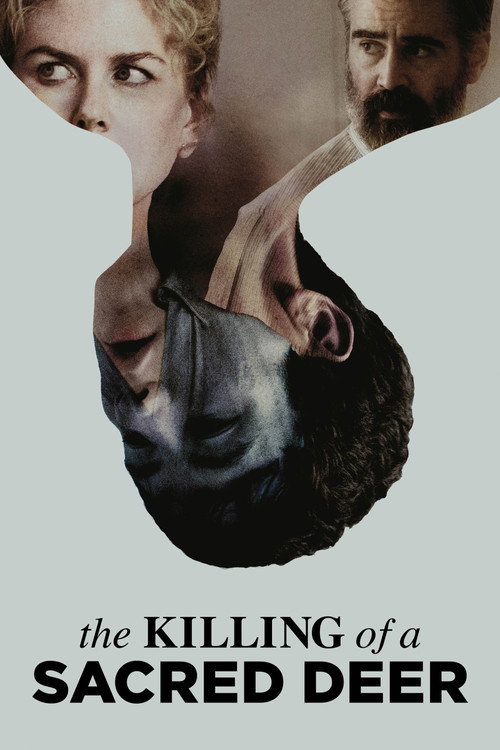
The Killing of a Sacred Deer2017
Both films centre indigenous experience rather than the settler perspective. Where Tell Them Willie Boy operates within Western conventions to subvert them, this film ignores Western conventions entirely and tells the story from inside the community.
A Navajo filmmaker making a Navajo film about Navajo life—not a Western, but a revolution in indigenous representation. Shot on the Navajo Nation with nonprofessional actors, it has documentary authenticity and emotional honesty. Absolutely unlike anything in the Western canon and essential viewing for reconsidering what that canon means.
But It's in Navajo with subtitles and has no conventional plot arc. The pacing and structure will feel completely foreign if you're trained on conventional narrative. It's under an hour and might feel slight if you're not attuned to what it's doing.
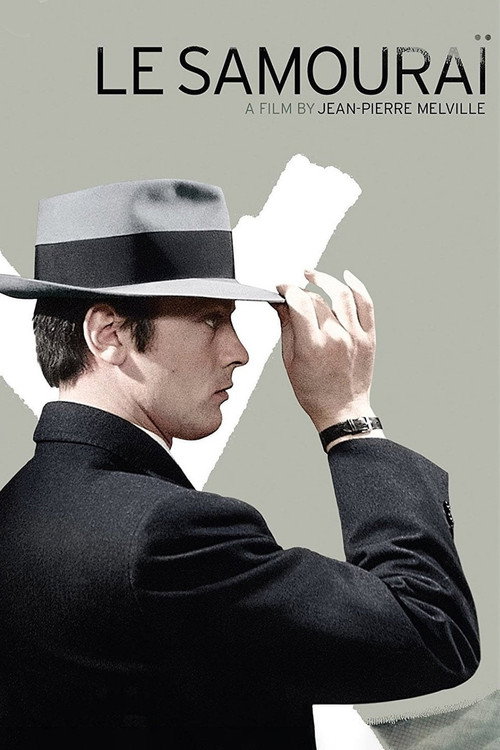
Le Samouraï1967
Both films treat pursuit as metaphysical rather than plot-driven. Both protagonists move with a kind of fatal grace—not trying to escape their fate but accepting it with a code. The suspense comes from watching someone walk toward what they know is coming.
Jean-Pierre Melville's ice-cold thriller about a hitman moving through Paris with the precise code of a samurai. No Western, but structurally identical to Tell Them Willie Boy: a man alone, pursued, moving through space with ritual dignity. Melville creates suspense from inevitability. The loneliness is architectural.
But It's French noir, not American; composed rather than naturalistic. Long stretches of silence and minimal dialogue. The climax is quietly anti-climactic. If you want catharsis or conventional resolution, you won't find it.
People
Cast
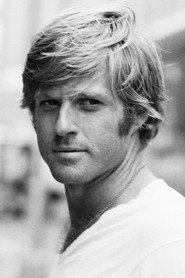 Robert RedfordCooper
 Katharine RossLola
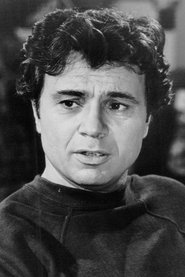 Robert BlakeWillie
 Susan ClarkLiz
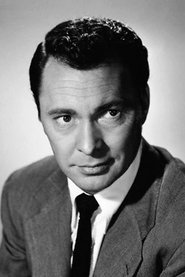 Barry SullivanCalvet
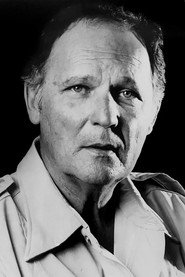 John VernonHacker
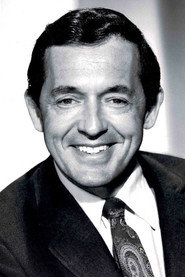 Charles AidmanBenby
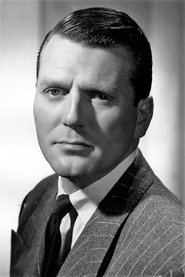 Charles McGrawWilson
 Shelly NovackFinney
 Robert LiptonNewcombe
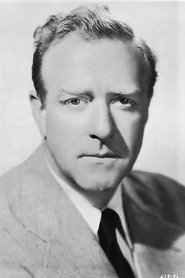 Lloyd GoughDexter
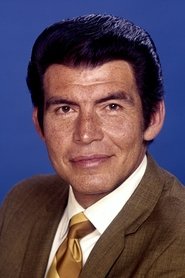 Ned RomeroTom
Directing
- Joseph E. KenneyAssistant Director
- Abraham PolonskyDirector
- Ted SwansonSecond Assistant Director
Writing
- Harry LawtonNovel
- Abraham PolonskyWriter
Production
- Jennings LangProducer
- Philip A. WaxmanProducer
- Hal W. PolaireUnit Production Manager
Recommended by
Broken Arrow, Devil's Doorway, Soldier Blue, The Trial of the Catonsville Nine, The Last of His Tribe