
Film
The Trial of the Catonsville Nine
A 1972 courtroom drama about nine Vietnam War protesters who burned draft records in Baltimore in 1968. Shot with documentary immediacy, it reconstructs their trial with the actual defendants playing themselves—a radical choice that collapses the distance between performance and conviction. Essential viewing for anyone curious about how radical conscience confronts the machinery of law.
If you liked this
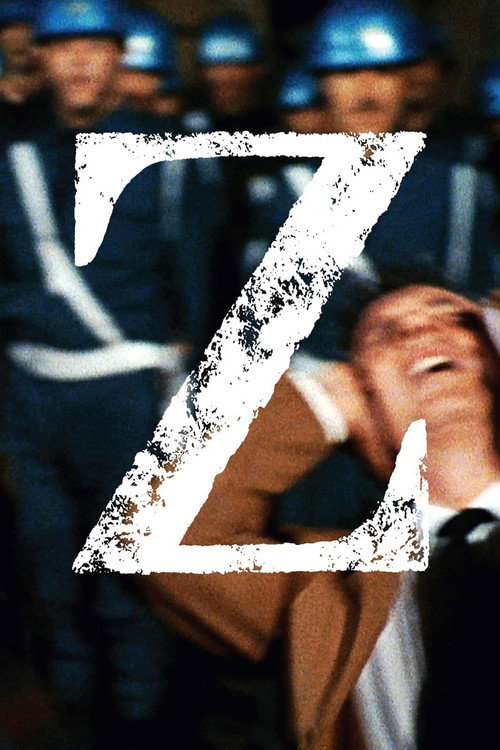
Z1969
Costa-Gavras's political thriller about state repression and assassination has the same urgent realism and moral clarity. A film that argues passionately while keeping you on the edge of your seat—proof that politics and suspense are not opposites.
But Its depiction of bureaucratic evil can feel schematic, and the pacing occasionally favors message over momentum. Also subtitled, which requires attention.
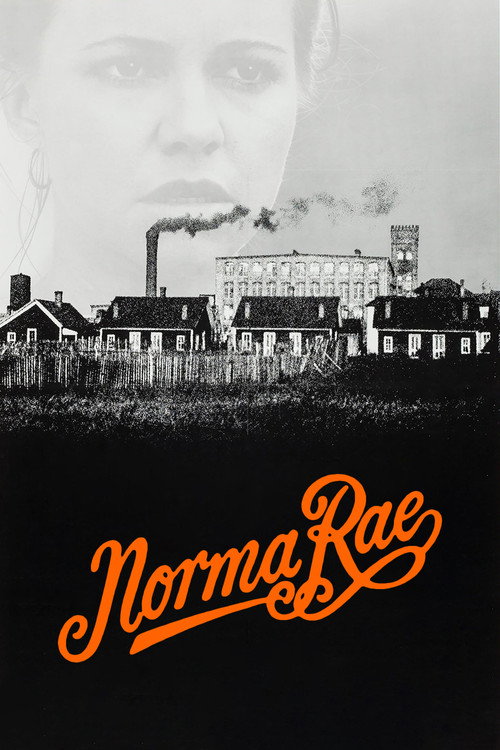
Norma Rae1979
Sally Field as a textile worker who becomes a union organizer. Like Catonsville, it's about ordinary people choosing confrontation over complicity, and it finds genuine drama in the unglamorous work of organizing.
But It can tip toward sentiment in the final act, and the resolution feels slightly too neat for the messiness of real labor struggle.
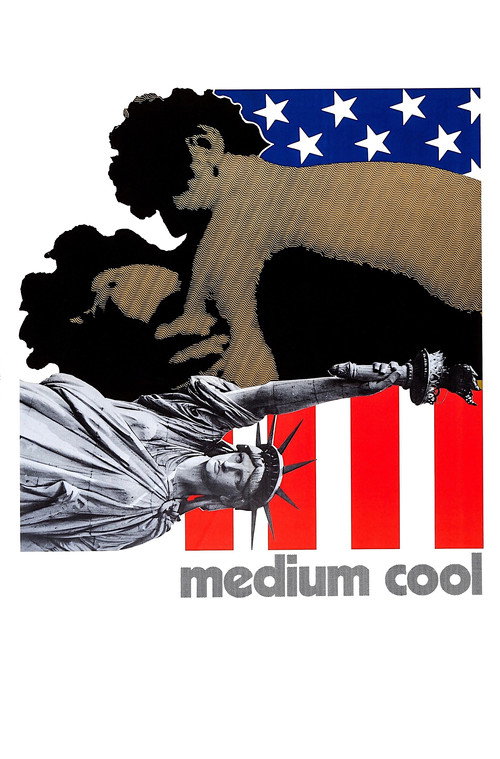
Medium Cool1969
Haskell Wexler's film about a cameraman during the 1968 Chicago riots blends narrative and documentary footage into something that questions who gets to tell the story of protest. Formally restless and politically alive.
But The narrative thread is deliberately thin, and some viewers find the self-consciousness about filmmaking more interesting than the plot itself. Also quite fragmentary in places.
Not sure tonight? Get a pick in a minute, starting from The Trial of the Catonsville Nine
The wildcard
Something you would not have found on your own.
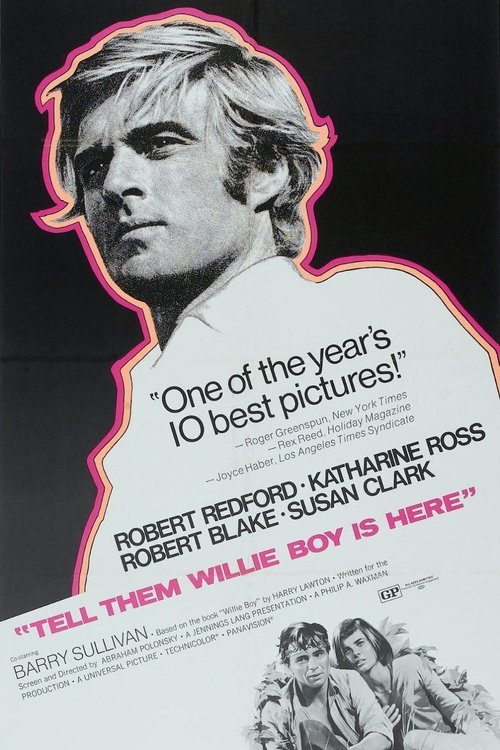
Tell Them Willie Boy Is Here1969
Both are about people who choose visibility and confrontation over invisibility and obedience, and both see the legal system as fundamentally rigged against them. Both made in 1969, both asking if the law can ever serve justice.
Abraham Polonsky's Western about a Paiute man hunted for his refusal to submit to white authority. Same year as the Catonsville action, it uses the Western to ask identical questions about justice, force, and who the law protects. Visually gorgeous and morally uncompromising.
But The Western form may feel distant from the contemporary courtroom drama. Some find the pacing slow, and the ending offers no comfort whatsoever.
More like this (7)
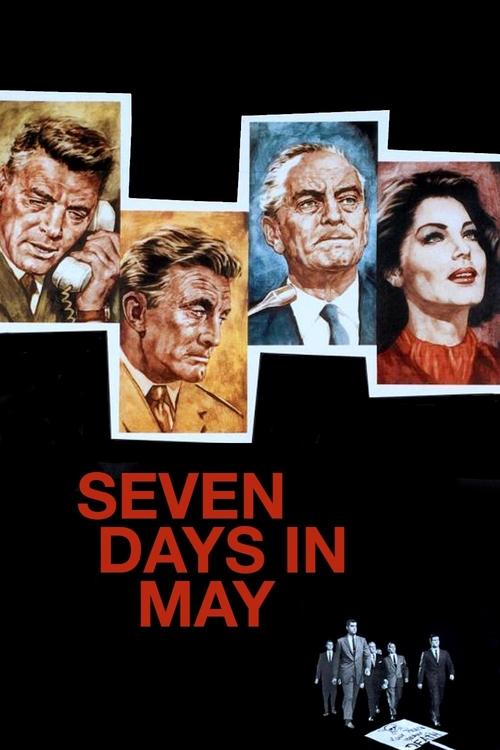
Seven Days in May1964
A conspiracy thriller about military officers plotting against a president they deem too peaceful. The inverse of Catonsville—instead of citizens resisting the state, you see the state threatening itself. Tense and thought-provoking.
But It's more conventional thriller than political examination, and the resolution feels more reassuring than the situation warrants. Fairly mainstream spy entertainment.
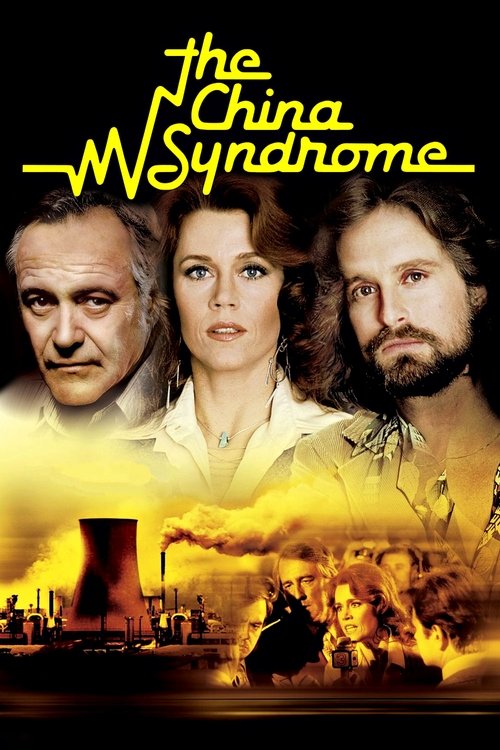
The China Syndrome1979
Pakula's thriller about a nuclear plant coverup uses the apparatus of suspense cinema to explore institutional corruption. Jane Fonda as a reporter who becomes witness to dangerous truth—conscience and fear intersecting.
But The plot mechanics sometimes overshadow the deeper questions about who profits from danger. It works better as a thriller than as political analysis.
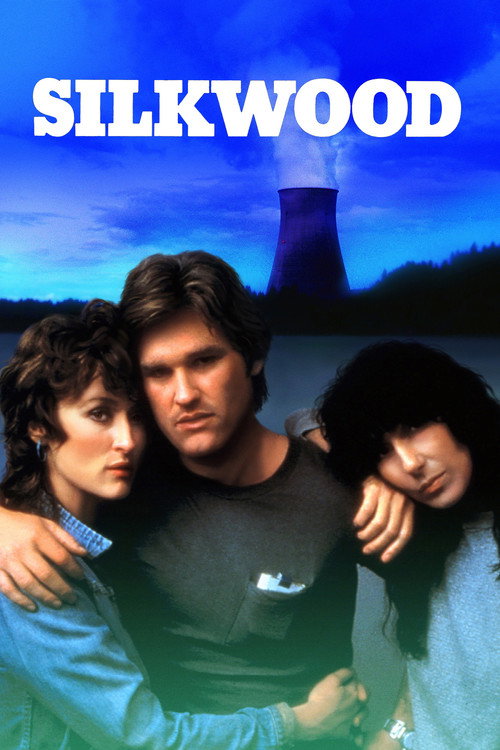
Silkwood1983
Meryl Streep as Karen Silkwood, the plutonium plant worker whose contamination death became a mystery and a scandal. Another film about a person who sees something wrong and cannot look away.
But It's more biographical than Catonsville, and less focused on the courtroom confrontation. Some find the ending emotionally manipulative.
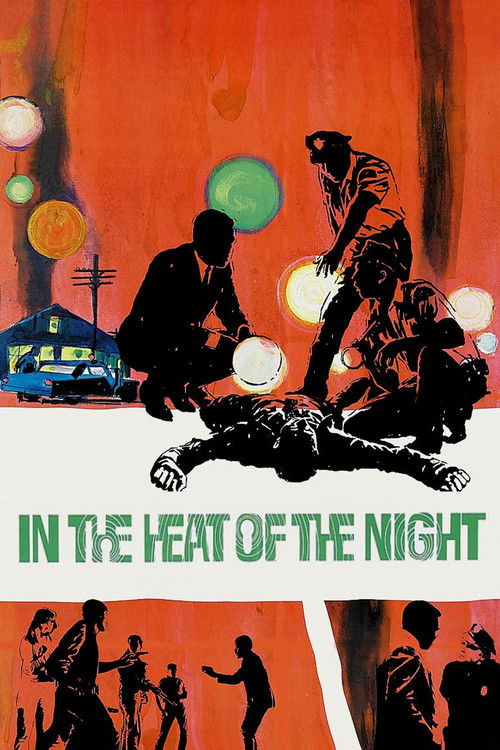
In the Heat of the Night1967
Sidney Poitier and Rod Steiger in a murder mystery that is also a meditation on power, race, and the law. Taut and humane, with real tension underneath every scene.
But It's more detective story than political argument, and the racial dynamics, while progressive for 1967, now feel somewhat limited in their scope.
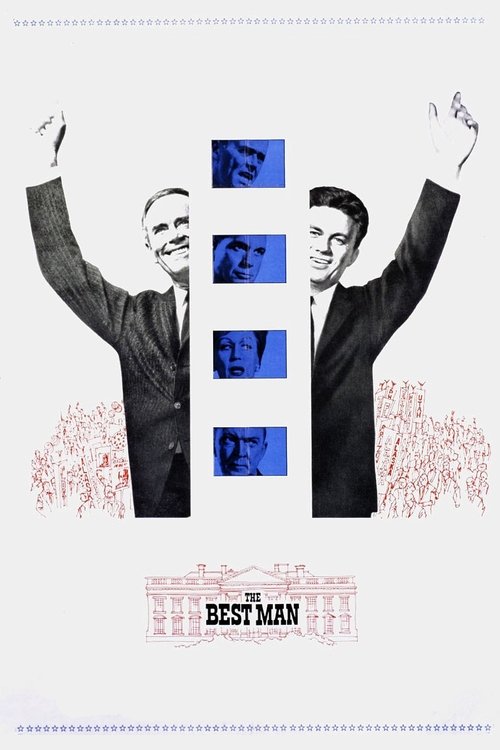
The Best Man1964
Gore Vidal's backstage political drama about a presidential convention. Sharp dialogue, genuine stakes, and a cast of professionals who understand power as a game played at the highest level.
But It's primarily about electoral politics and insider maneuvering, not grassroots resistance. The satire can feel dated in its specifics.
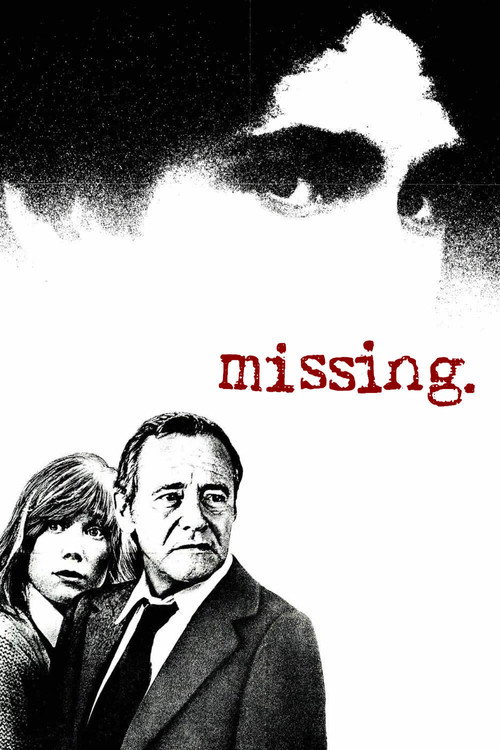
Missing1982
Costa-Gavras again, this time about an American journalist disappeared during the Chilean coup. Based on real events, it's furious about American complicity abroad and refuses easy answers.
But The political argument sometimes overwhelms the human story, and Jack Lemmon's character can feel like a stand-in rather than a person. Also quite bleak without redemption.
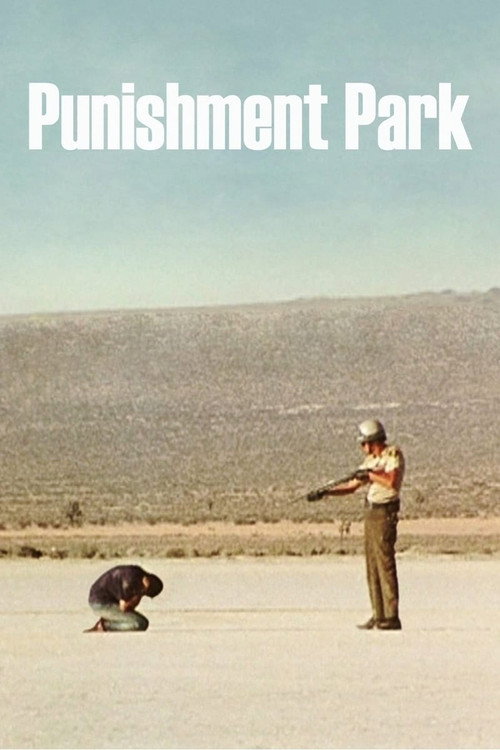
Punishment Park1971
Where Catonsville puts its faith in the courtroom as a place to speak truth to power, Punishment Park suggests the system will simply eliminate you if you become inconvenient. Same historical moment, opposite conclusions about whether law can be trusted.
Peter Watkins's shocking mockumentary about political prisoners hunted across a desert by park rangers as their 'sentence.' It looks like a documentary, sounds like news, and will make you furious. The form itself is the argument.
But It's viscerally brutal and offers no narrative satisfaction. Some find the mockumentary style dated, and the acting is deliberately wooden. Genuinely difficult to watch.
People
Cast
 Barton HeymanJohn Hogan
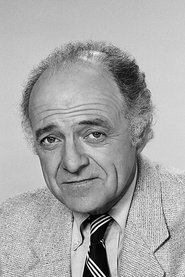 Ed FlandersFather Daniel Berrigan
 Gwen ArnerMarjorie Melville
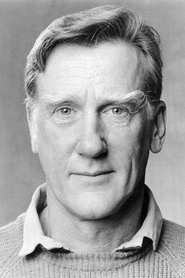 Donald MoffatThomas Melville
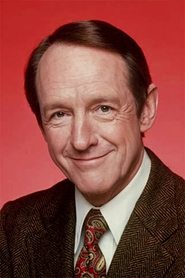 William SchallertJudge
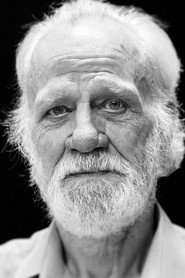 Leon RussomDavid Darst
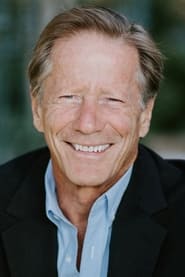
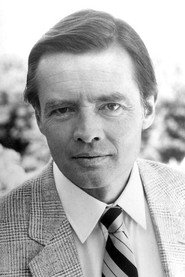 Richard JordanGeorge Mische

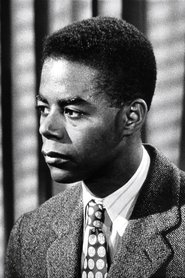
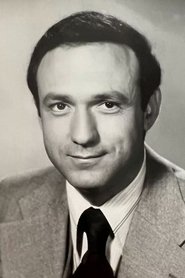
Directing
- Marty HornsteinAssistant Director
- Gordon DavidsonDirector
- Jane FickerScript Supervisor
Writing
- Daniel BerriganScreenplay
- Saul LevittScreenplay
- Daniel BerriganStory
Production
- Michael MontelCasting
- Joel GlickmanExecutive Producer
- Gregory PeckProducer