
Film
Path to War
Path to War is John Frankenheimer's final film, a muscular political thriller that stays inside the Oval Office as LBJ and his closest advisors argue themselves into Vietnam. Gambon gives a masterclass in controlled fury—a powerful man watching his presidency slip away. It's for anyone drawn to the architecture of bad decisions, told with HBO-grade precision and real stakes.
Should you watch it?
Watch it if you enjoy talky, room-based political drama where the tension lives in arguments over memos and who gets to speak, the way it did in films like All the President's Men.
Skip it if you want a war film with combat, or you find a three-hour stretch of Oval Office debate and phone calls too static to hold your attention.
What it asks of you: It runs close to three hours and stays mostly indoors, so it asks for patience and sustained focus, with its weight carried by dialogue rather than action.
Not sure? Find tonight's pick in a minute.
If you liked this
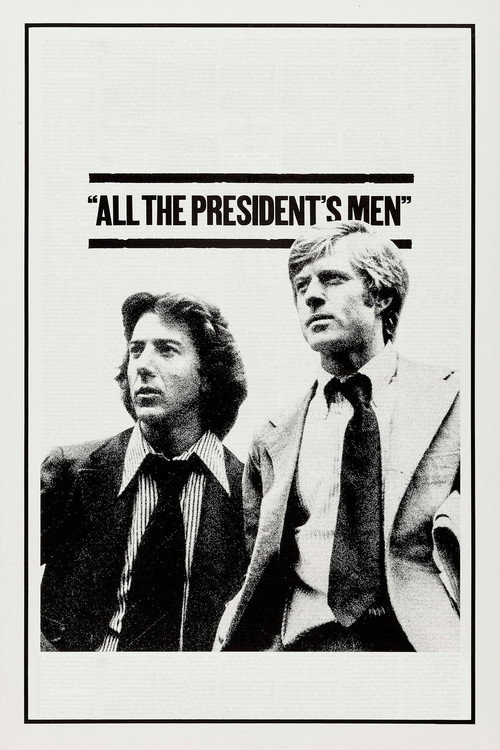
All the President's Men1976
Woodward and Bernstein hunt Nixon's secrets through Washington corridors. Like Path to War, it's a procedural about power that grips you even when you know the ending—the pleasure is watching smart people think.
But It's a 1970s political thriller that assumes you care about journalism. If you want spectacle or action, this will feel slow and talky.
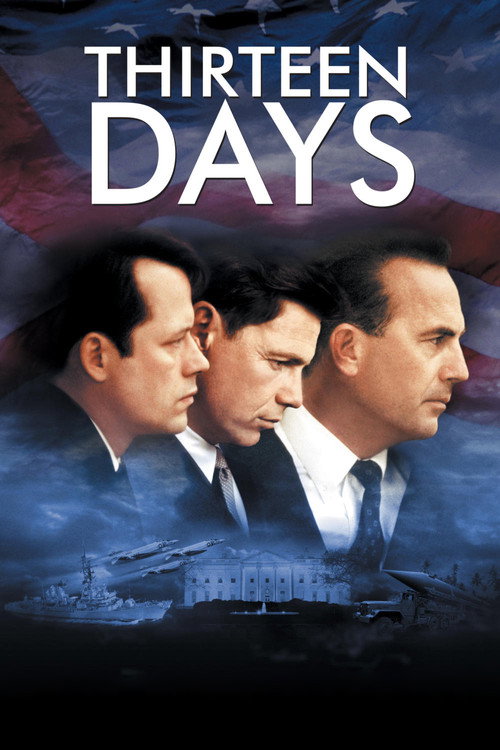
Thirteen Days2000
Another high-wire political drama about Kennedy during the Cuban Missile Crisis. Tense, contained, with brilliant supporting work and the same obsession with how close we came to ruin through reasonableness itself.
But Kevin Costner carries it, and he's more movie-star than actor. The Boston accents are a bit much, and it leans slightly into heroics where Path to War refuses to blink.
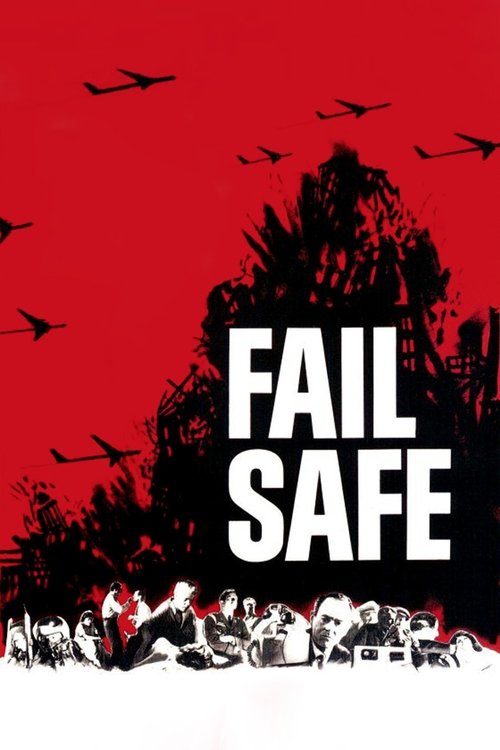
Fail Safe1964
Cold War nightmare about miscommunication and military escalation spiraling beyond anyone's control. Made just after Kennedy, it has the same sick dread that Path to War channels about institutional failure.
But It's in black and white and moves at a 1960s pace. If you need visual gloss or fast editing, this will feel austere and punishing.
Not sure tonight? Get a pick in a minute, starting from Path to War
The wildcard
Something you would not have found on your own.
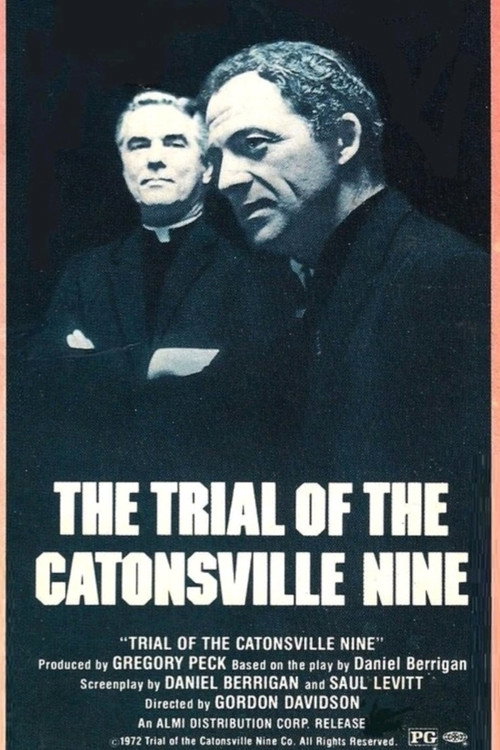
The Trial of the Catonsville Nine1972
Both examine Vietnam, but from opposite ends: Path to War shows the architects, Catonsville shows the conscience. Together they form a complete picture of what that war cost America.
A group of Catholic activists burn draft records to protest Vietnam. Unlike Path to War's inside game, this puts you in a basement with priests and ordinary people who decided the system was broken. The connection is the flip side: the people Path to War's Oval Office *creates*.
But It's from the 1970s, shot simply, and operates more as political testimony than drama. If you need plot movement or emotional catharsis, it's austere to the point of punishing.
More like this (7)
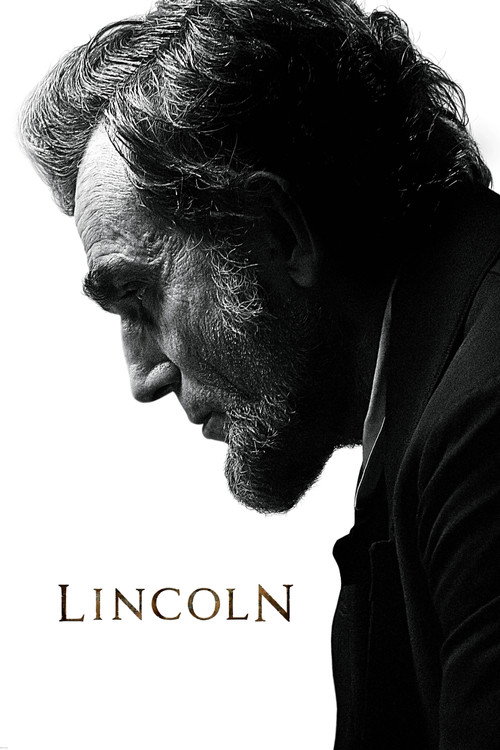
Lincoln2012
Spielberg's chamber drama of a president and his cabinet arguing about power, responsibility, and the cost of war. Quiet, dialogue-heavy, and obsessed with what men say when they think the doors are closed.
But It's long, deliberately paced, and more interested in moral philosophy than plot. Some people find Spielberg's approach to history too reverent.
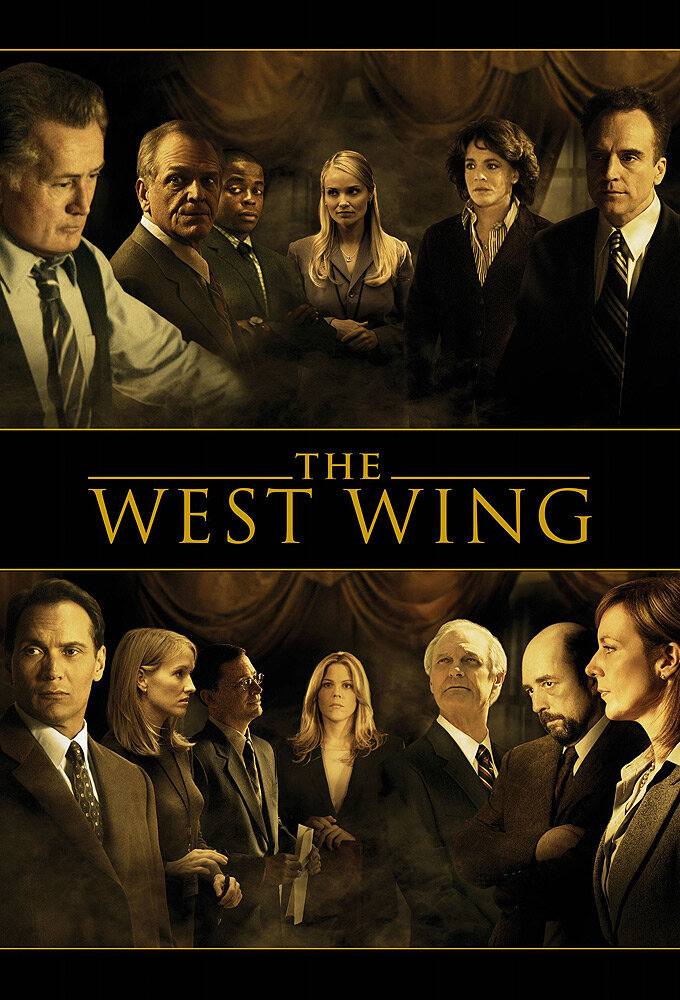
The West Wing1999
Sorkin's intelligent, rapid-fire look at presidential decision-making, written by someone who loves the machinery of power. Idealistic where Path to War is tragic, but equally absorbing about process and consequence.
But It's deeply optimistic about government in a way that can feel naive, especially if you watch it right after Path to War's disillusionment. Also eight seasons is a commitment.
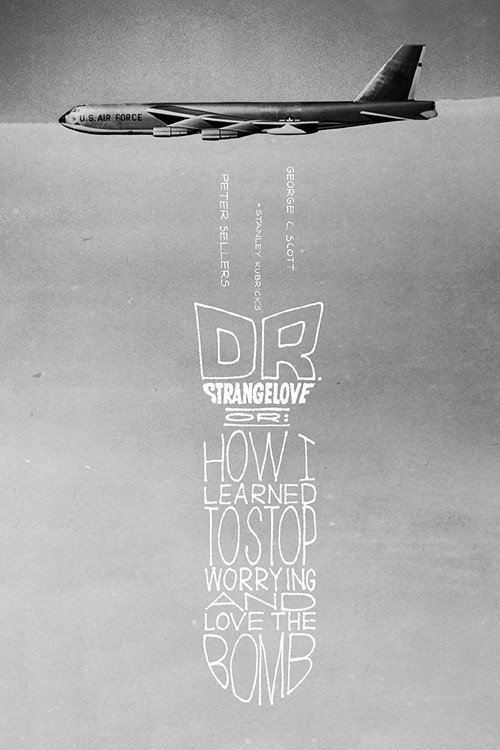
Dr. Strangelove or: How I Learned to Stop Worrying and Love the Bomb1964
Kubrick's blackest comedy about the Cold War and institutional failure. It hits many of the same targets as Path to War—the absurdity of power, the men who think they control events—but from the opposite emotional register.
But It's satire, and a fairly brutal one. If you want moral seriousness rather than gallows humour, the comedy might feel glib about real suffering.
The Fog of War2003
Errol Morris interviews Robert McNamara about Vietnam. Unlike Path to War, it's McNamara's own voice justifying and second-guessing himself—a real documentary that makes Path to War's dramatization even more haunting.
But It's a talking-head documentary, not drama. Some people find Morris's style (the graphics, the philosophy) more arch than illuminating.

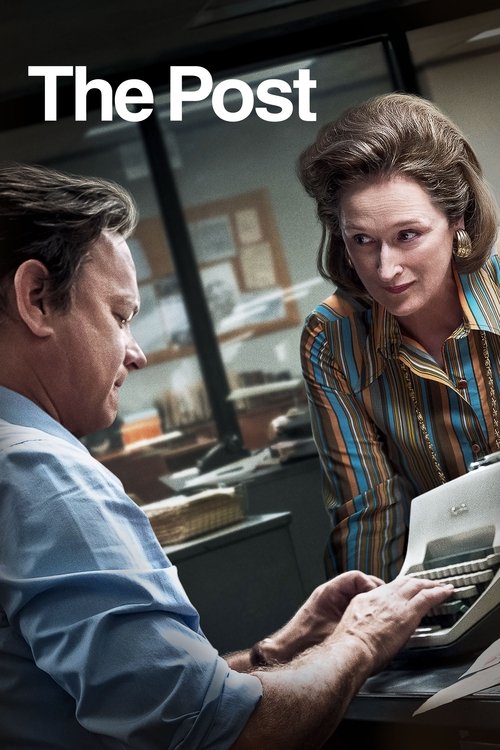
The Post2017
Spielberg and Meryl Streep on the Pentagon Papers and free speech. It's a political thriller about the right to know the truth about Vietnam—the civilian aftermath of what Path to War shows us being decided.
But It's more Hollywood thriller than Path to War's cold procedural. The patriotism can feel earnest in a way some find sentimental.
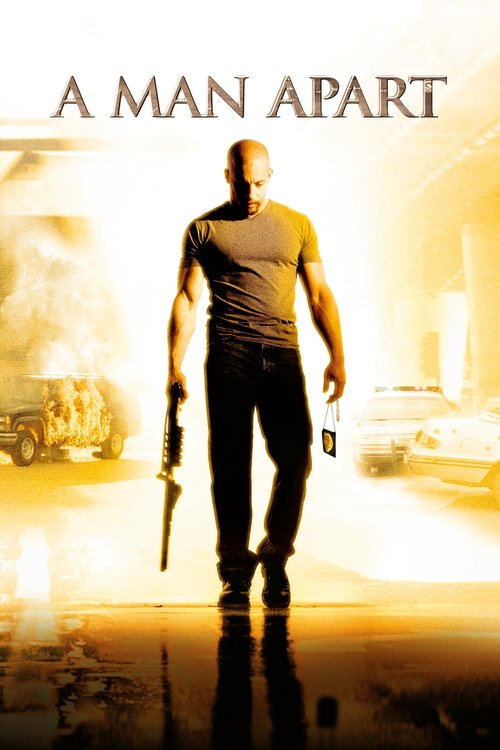
A Man Apart2003
Frankenheimer's final two films from 2003: one about presidents failing in slow motion, one about cops failing in real time. Same director, same engine, completely different costumes.
Vin Diesel plays an undercover DEA agent investigating drug cartels. It's a muscular, aggressively masculine thriller—the *opposite* moral register from Path to War—but John Frankenheimer directed it the same year. Watch how power corrupts, how systems fail, in an action film instead of a political drama.
But It's a standard action thriller that has nothing to do with politics or history. If you see it, you're following a director's obsession, not watching a recommendation that stands on its own terms.
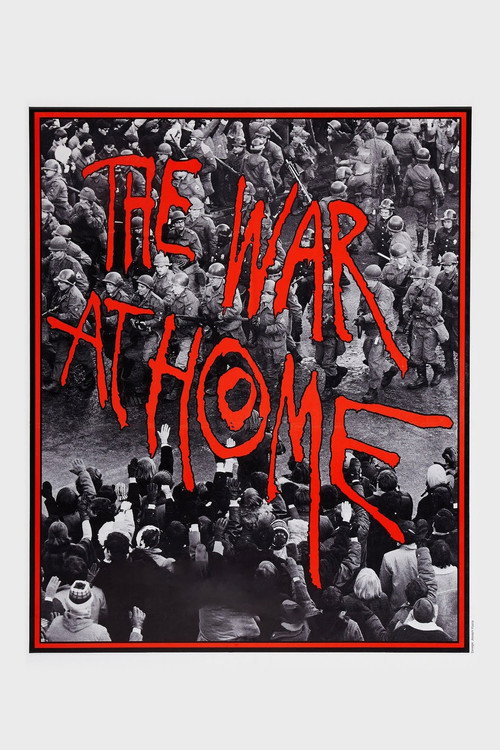
The War at Home1979
Both are about 1965-1968 Vietnam, but Path to War is official history and The War at Home is the history that was supposed to stay quiet. They're arguments about who gets to tell the story.
A documentary about the Wisconsin Anti-War movement, made by people who were inside it. Black and white, intimate, no narration—it *is* what it filmed. Where Path to War dramatizes the Pentagon Papers, this is unmediated archive of what ordinary Americans were deciding at the same moment.
But It's a 1979 documentary without a conventional structure. No one has heard of it, and it requires patience with form. You'll have to work.
People
Cast
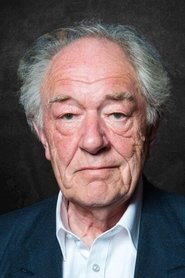 Michael GambonLyndon Johnson
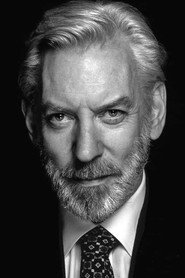 Donald SutherlandClark Clifford
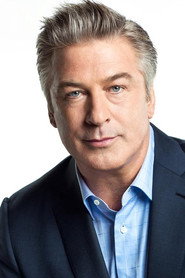 Alec BaldwinRobert McNamara
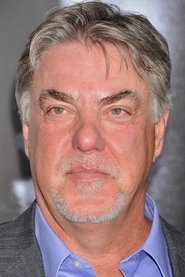 Bruce McGillGeorge Ball
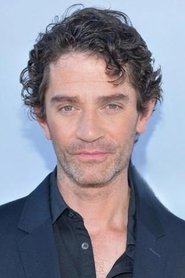 James FrainRichard Goodwin
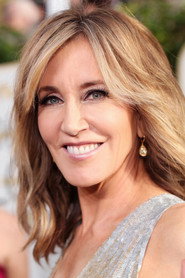 Felicity HuffmanLady Bird Johnson
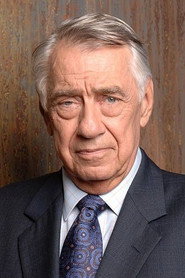 Philip Baker HallEverett Dirksen
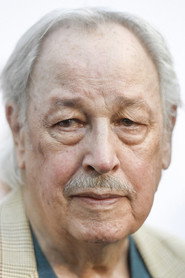 Frederic ForrestEarle G. Wheeler
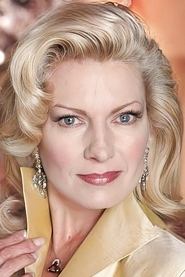 Diana ScarwidMarny Clifford
 Sarah PaulsonLuci Baines Johnson
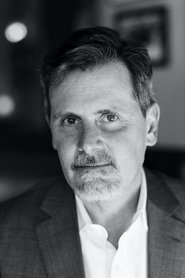 Chris EigemanBill Moyers
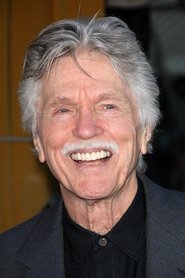 Tom SkerrittWilliam Westmoreland
Directing
- John FrankenheimerDirector
- Maxine BergenScript Supervisor
Writing
- Daniel GiatWriter
Production
- Mindy MarinCasting
- Cary BrokawExecutive Producer
- Edgar J. ScherickExecutive Producer
- Howard DratchExecutive Producer
- John FrankenheimerExecutive Producer
- Shirley DavisLine Producer
- Lowell RottenbergPost Production Coordinator
- Guy RiedelProducer
- Christopher K. GrapProduction Coordinator
- Carol FlaisherProduction Manager
- Sanjay BhattacharyaProduction Manager
- Donna Jean CoatesResearcher