
Film
Nixon
Oliver Stone's sprawling, operatic autopsy of Richard Nixon treats the man less as history and more as Shakespearean wreckage — a brilliant, resentful, self-sabotaging figure narrating his own downfall in flashback. Anthony Hopkins doesn't impersonate Nixon so much as inhabit his paranoia. It's dense, exhausting, visually restless, and oddly sympathetic. For anyone who wants their presidential biopics with teeth and ambiguity, not hagiography.
If you liked this
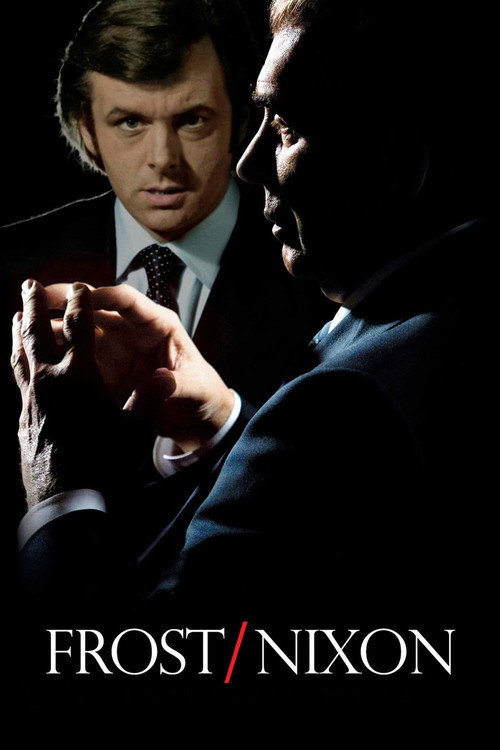
Frost/Nixon2008
Watch Nixon cornered rather than in command — this is his humiliation, years later, played out as a duel of wits with a lightweight interviewer who turns out not to be one.
But Frank Langella's Nixon is warmer and more theatrical than Hopkins's; if you want the same brooding intensity, it isn't quite there.
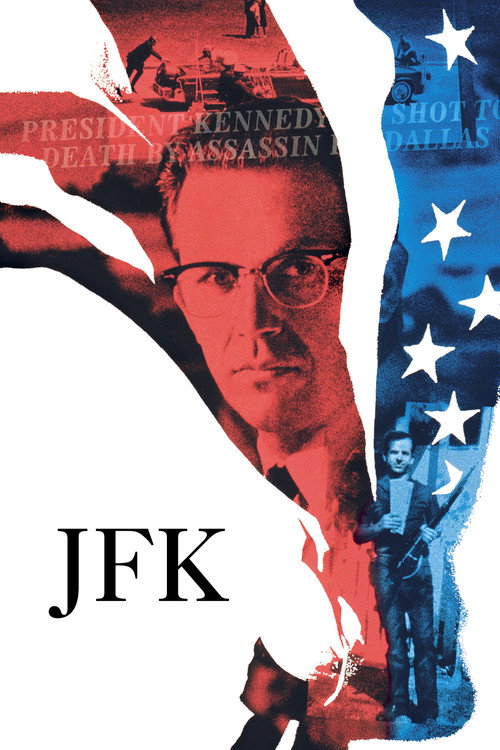
JFK1991
Stone's other great presidential obsession, made with the same jagged editing and conspiratorial fever. See where his style came from before he turned it on Nixon himself.
But Three hours of dense, argumentative conspiracy theory that plays fast and loose with fact — exhilarating or maddening depending on your patience.
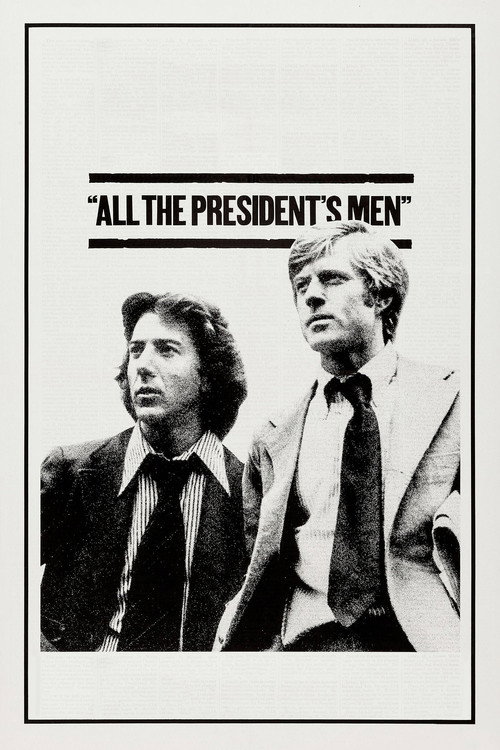
All the President's Men1976
The other half of the story: Watergate from the reporters' side, methodical and paranoid in a completely different register. Essential companion piece.
But Nixon himself barely appears — if you wanted more of the man, this is all procedure and phone calls.
The wildcard
Something you would not have found on your own.
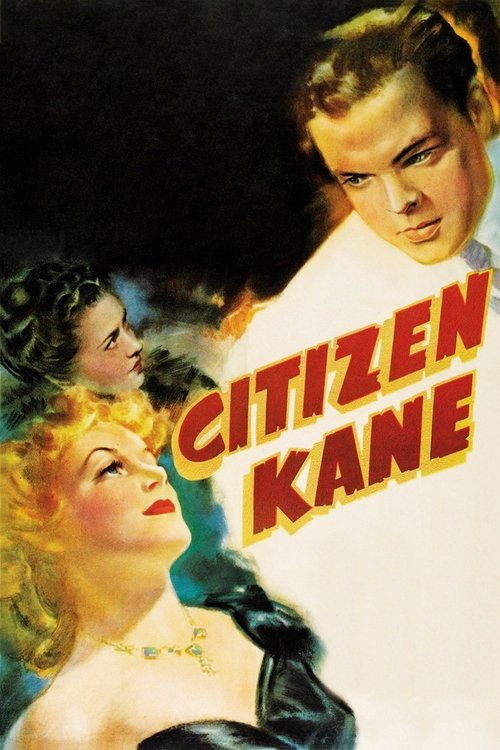
Citizen Kane1941
Both are non-linear psychological autopsies of powerful men whose public grandeur masks a private wound from childhood — Kane is Nixon's cinematic grandfather.
The blueprint for every 'great man undone by a childhood wound' biopic since — a fractured, flashback-driven portrait of power, isolation and self-destruction that Stone was clearly channeling.
But Black and white, nearly a century old, and its innovations are now so absorbed into cinema that it can feel almost quaint on first watch.
More like this (8)
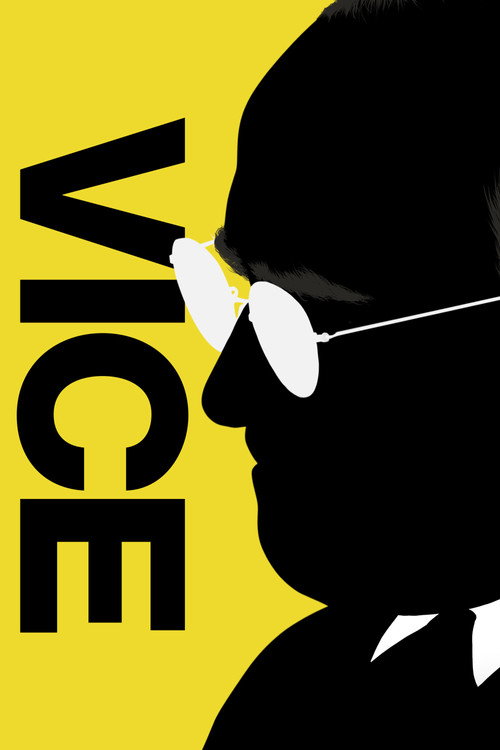
Vice2018
Another towering, morally compromised power player rendered through a fractured, stylised biopic structure — Christian Bale's Cheney is Nixon's spiritual descendant in ambition and secrecy.
But Much glibber and more satirical than Stone's film; it winks at the camera in a way Nixon never does.
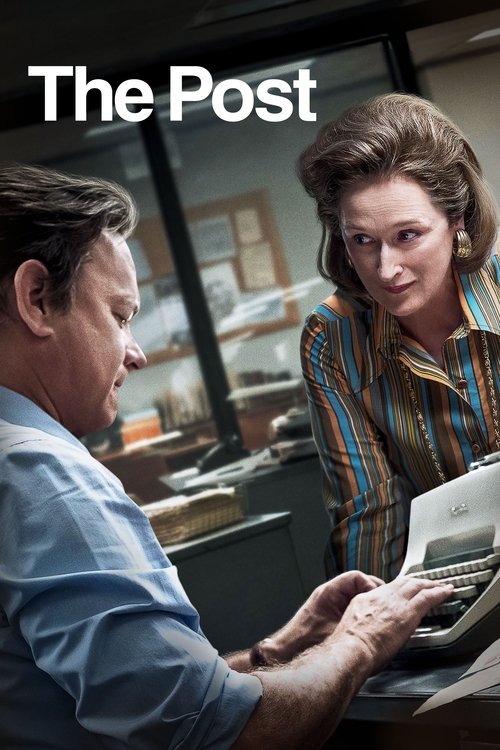
The Post2017
Same Nixon-era paranoia and institutional rot, viewed from a newsroom instead of the Oval Office, with Spielberg's warmer, more hopeful hand on the tiller.
But Considerably lighter and more triumphant in tone — don't expect Stone's darkness or interiority.
W.2008no page yet
Stone returns to the presidency two decades later, this time with more sympathy and less menace. Watch how his method evolved tackling a very different kind of flawed president.
But Josh Brolin's Bush is a lesser, gentler creation than Hopkins's Nixon — the film simply doesn't hit as hard.
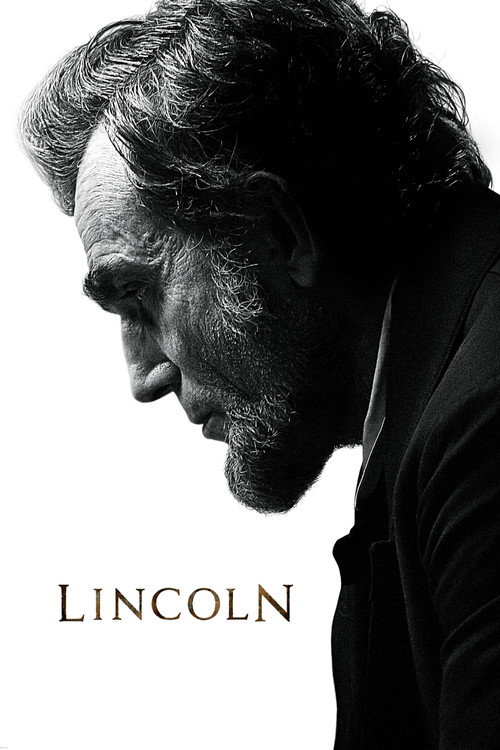
Lincoln2012
A presidential portrait built on legislative maneuvering rather than paranoia, showing the flip side — a president using power skillfully instead of being consumed by it.
But Reverent and stately where Nixon is jagged and cynical; if you want messiness, this is the wrong temperature entirely.
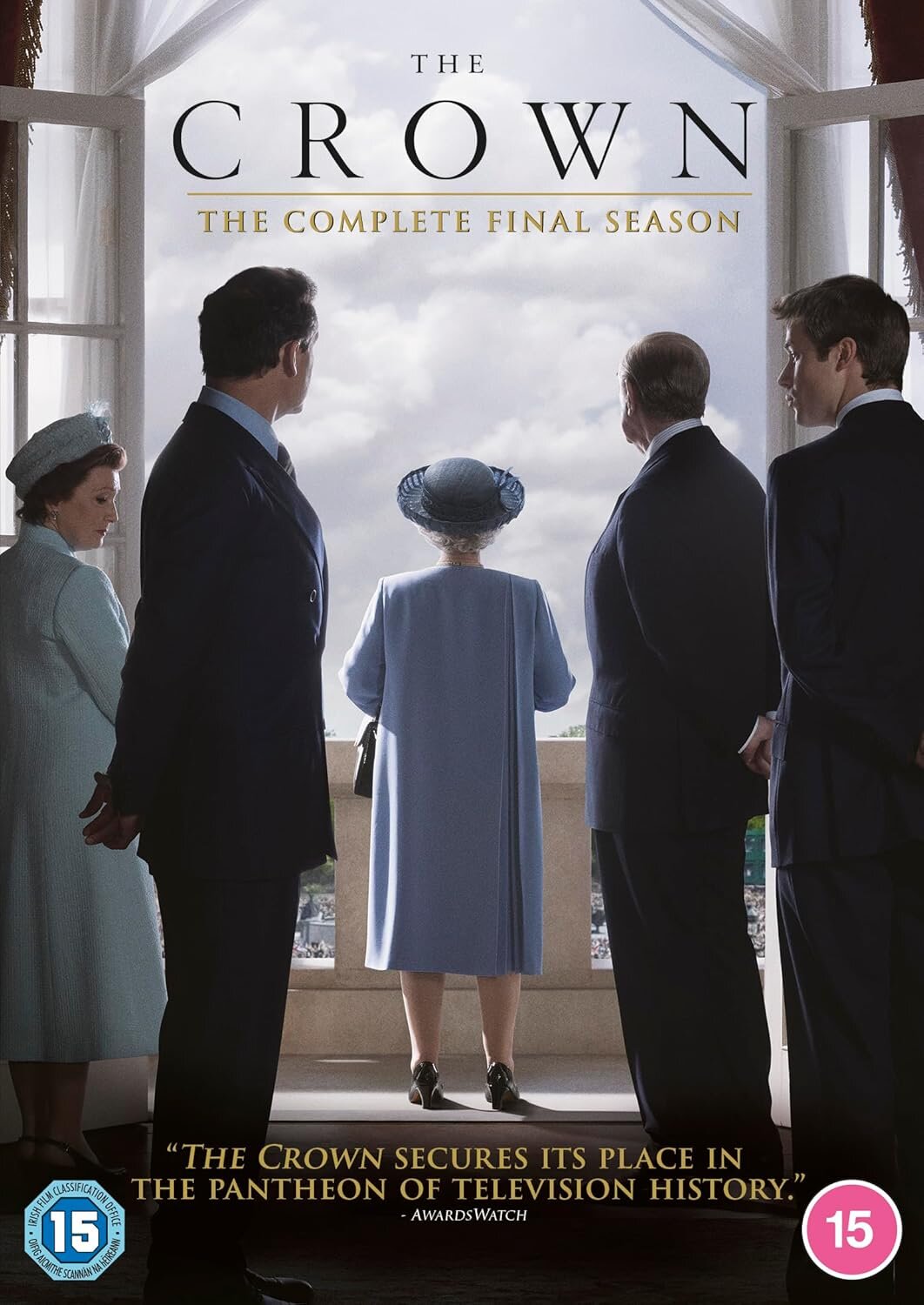
The Crown2016
A slow, glossy, multi-season study of power's psychological toll on those who hold it, with the same interest in private torment behind public composure.
But Genteel British restraint instead of American grandiosity — a very different kind of institution and a much gentler pace.
Path to War2003no page yet
John Frankenheimer's LBJ film covers the era just before Nixon's, with the same claustrophobic sense of a president trapped by his own decisions and advisors.
But Little-seen and TV-movie in scale — nowhere near Stone's operatic ambition or visual daring.
Nixon by Nixon: In His Own Words2014no page yet
Where Stone dramatizes Nixon's inner torment through performance, this strips it away entirely and lets the actual tapes reveal the same paranoia and self-pity.
A documentary built entirely from Nixon's own secret Oval Office recordings — no actor, no interpretation, just the real voice mumbling, scheming and unraveling in real time.
But No narrative shaping or dramatic music to soften it — it's raw archival audio, which some will find dry rather than gripping.
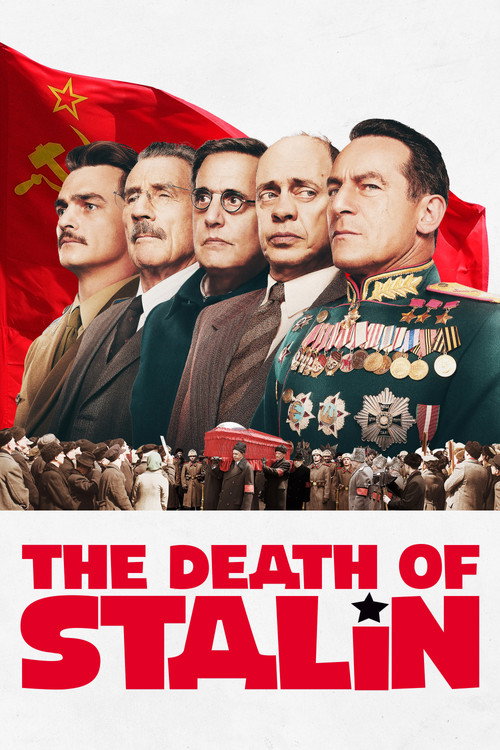
The Death of Stalin2017
Same subject — the corrosive psychology of men clinging to power and the courtiers who enable them — filtered through satire instead of Stone's Shakespearean solemnity.
A pitch-black farce about the terror and absurdity that follow a dictator's death, proving that the machinery of political paranoia is just as gripping played for horrified laughter.
But Broad, vicious comedy instead of tragic grandeur — if you want to take the presidency seriously, this will feel like sacrilege.
People
Cast
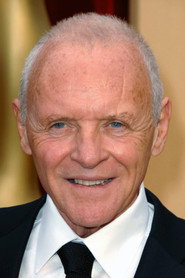 Anthony HopkinsRichard Nixon
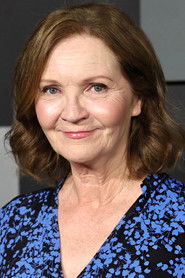 Joan AllenPat Nixon
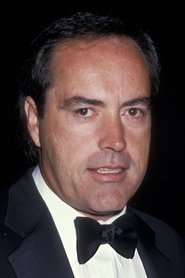 Powers BootheAlexander Haig
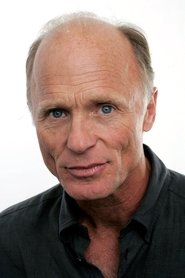 Ed HarrisE. Howard Hunt
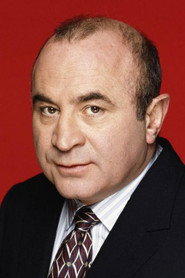 Bob HoskinsJ. Edgar Hoover
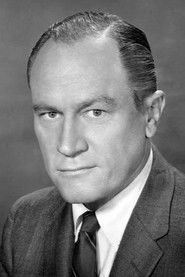 E.G. MarshallJohn Mitchell
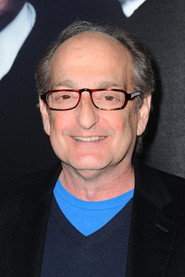 David PaymerRon Ziegler
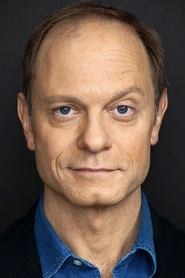 David Hyde PierceJohn Dean
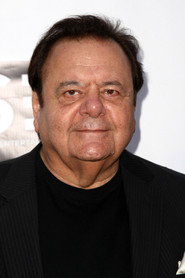 Paul SorvinoHenry Kissinger
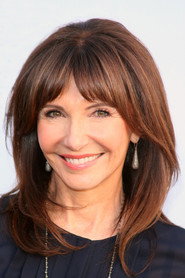 Mary SteenburgenHannah Nixon
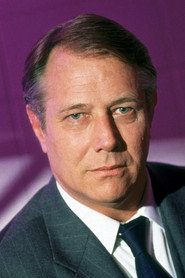 J.T. WalshJohn Ehrlichman
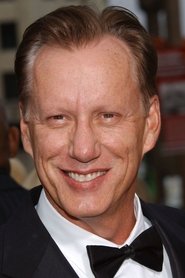 James WoodsH.R. Haldeman
Directing
- Oliver StoneDirector
- David SardiFirst Assistant Director
- Deirdre HorganScript Supervisor
- Maggie MurphySecond Assistant Director
- Scott RobertsonSecond Second Assistant Director
Writing
- Christopher WilkinsonScreenplay
- Oliver StoneScreenplay
- Stephen J. RiveleScreenplay
Production
- Ryan T. MennealyArt Department Production Assistant
- Richard RutowskiAssociate Producer
- Billy HopkinsCasting
- Heidi LevittCasting
- Mary VernieuCasting
- Dan HalstedCo-Producer
- Eric HamburgCo-Producer
- Andrew G. VajnaProducer
- Clayton TownsendProducer
- Oliver StoneProducer
- Christine FransenProduction Coordinator
- Sashy BogdanovichResearch Assistant
- Lenny VulloUnit Production Manager
Recommended by
JFK, All the King's Men, The Iron Lady, Reds, The Last Emperor, Get Me Roger Stone, All the Way