
Film
Nixon by Nixon: In His Own Words
A 72-minute assembly of Nixon's secret White House recordings from 1971–73, letting him narrate his own presidency—his thinking on Vietnam, the Pentagon Papers, court appointments—while the tapes themselves expose the casual cruelty and prejudice he kept hidden from public view. Unsettling, clarifying, and often darkly funny.
Should you watch it?
Watch it if you are drawn to history told through raw primary material, where a president's own unguarded voice does the narrating and you want to hear the tapes rather than be lectured about them.
Skip it if you want analysis, context or a filmmaker's argument, since this mostly lets the recordings speak and offers little commentary to frame the ugliness on display.
What it asks of you: At about seventy-two minutes, it asks for steady attention to dense archival audio and mostly still images, with its discomfort arriving in quiet, unhurried bursts.
Not sure? Find tonight's pick in a minute.
If you liked this
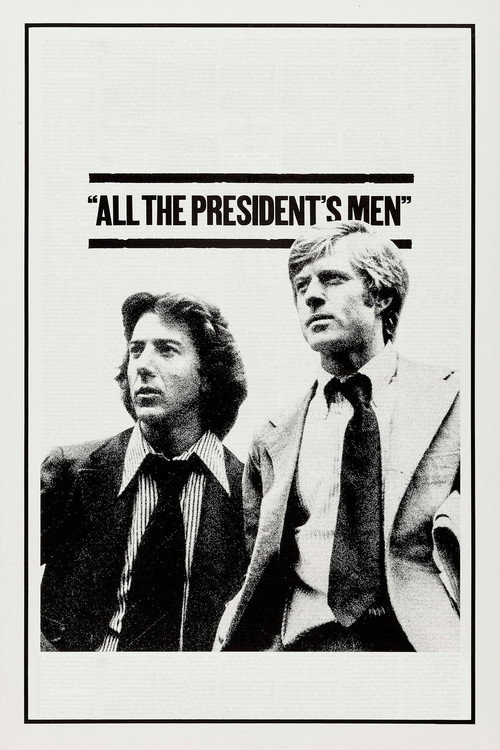
All the President's Men1976
The definitive Watergate thriller. Redford and Hoffman chase the story from the outside; here you hear Nixon's voice from within, making this the perfect companion piece that deepens both films.
But It's a 1970s procedural with slower pacing than modern thrillers, and some plot threads feel less urgent once you know how it ends.
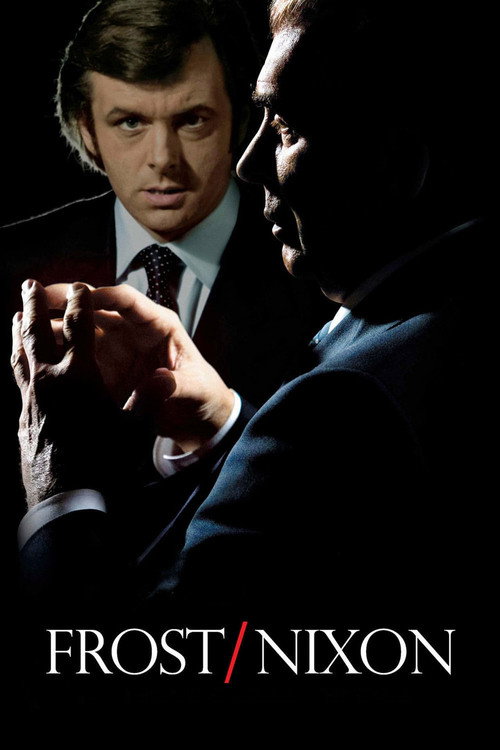
Frost/Nixon2008
Frank Langella's Nixon grants the man a tragic complexity. Watching the real recordings after this film is like seeing the performance stripped away—you hear what Langella was working from.
But It dramatizes their interviews heavily, and the real tapes are messier and less eloquent than the film suggests.
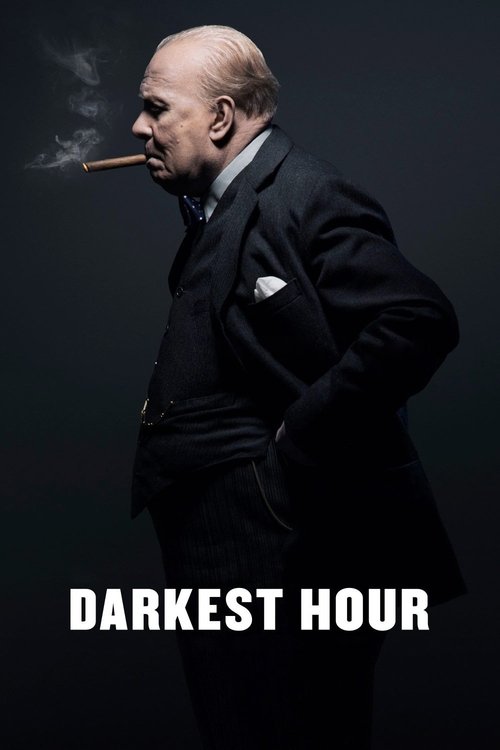
Darkest Hour2017
Another portrait of a wartime leader wrestling with impossible choices and his own nature. Gary Oldman's performance echoes the wounded egotism the tapes reveal, but in a very different man and era.
But It's reverential toward Churchill in ways the Nixon tapes never allow. The comparison only works if you're comfortable with the contrast.
Not sure tonight? Get a pick in a minute, starting from Nixon by Nixon: In His Own Words
The wildcard
Something you would not have found on your own.
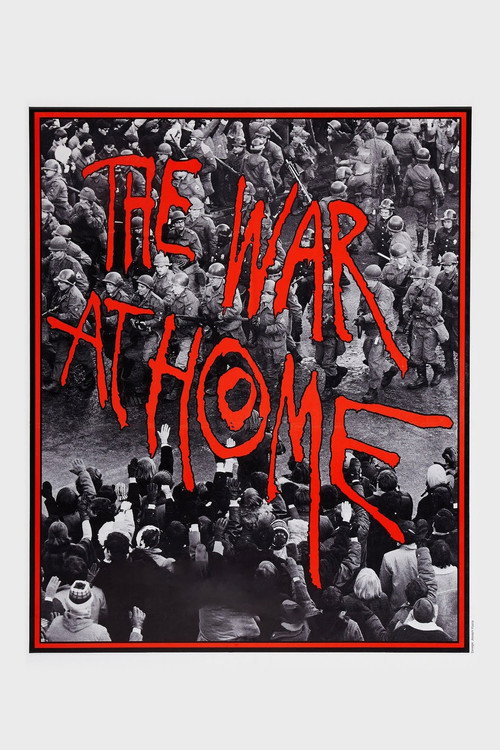
The War at Home1979
Both are primary-source documents of the Vietnam War era and Nixon's grip on it, but from opposing sides—his secret voice versus the public resistance he was trying to suppress.
A stunning collage-documentary about the anti-war movement in Madison, Wisconsin—protest songs, student organizing, FBI surveillance—made while the war was still happening. Where Nixon's tapes are a closed room, this captures the streets responding to him in real time.
But It's experimental and structurally unconventional; there's no narrator, no traditional through-line. Requires active attention and tolerance for fragmentation.
More like this (5)
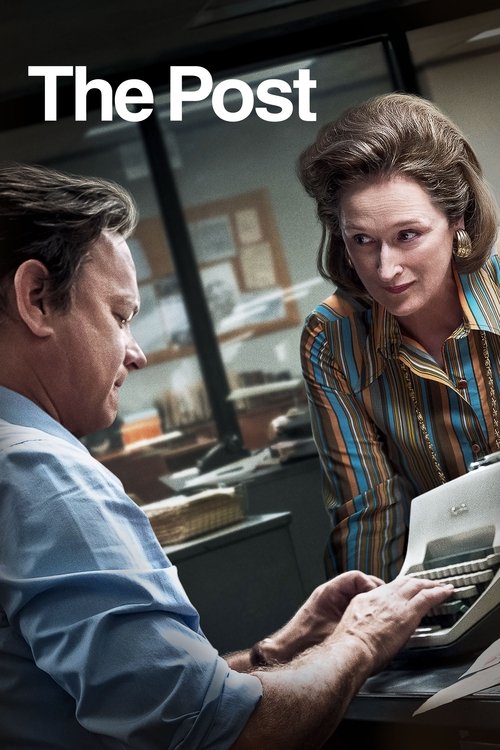
The Post2017
Spielberg's account of the Pentagon Papers publication. Hearing Nixon rage about it on these tapes—his actual voice, unfiltered—adds a layer of vindication to what Meryl Streep fights for.
But It's a broad, clean drama about institutional courage; the tapes are grimy and personal in a way this film's tone doesn't quite match.
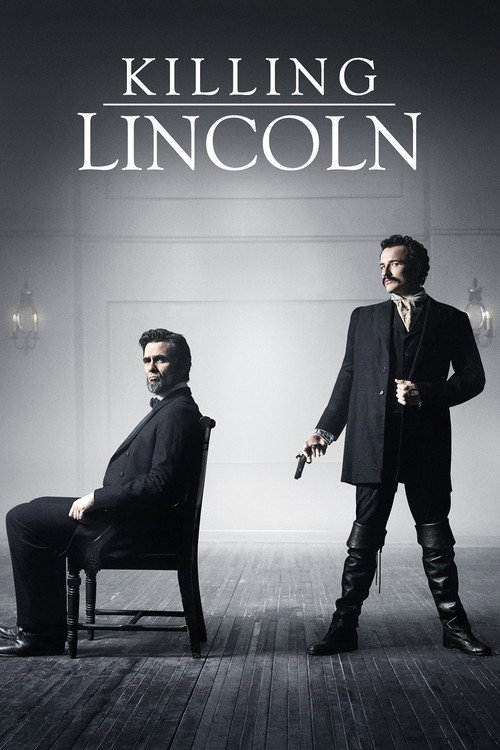
Killing Lincoln2013
Another O'Reilly docudrama that uses archival material and re-enactment to walk through a presidency in crisis. Similar structure, similar accessibility, similar commitment to letting history speak for itself.
But The Lincoln material is more familiar, and the re-enactments sometimes feel like padding where these Nixon recordings carry the weight alone.
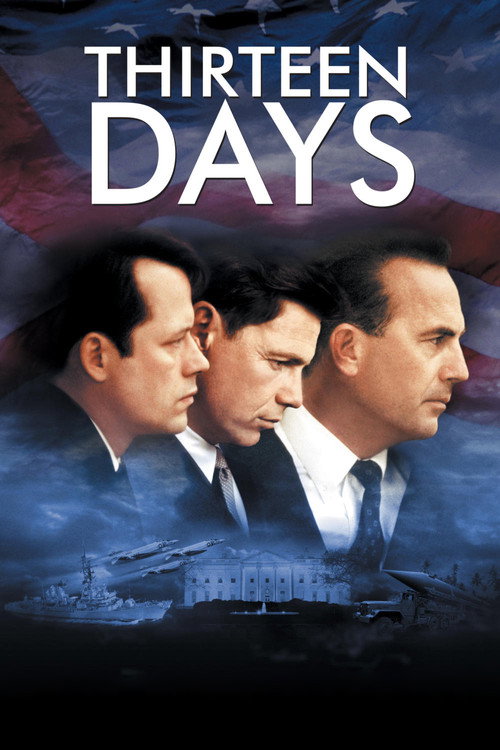
Thirteen Days2000
A tense recreation of the Cuban Missile Crisis, showing a president in real time deciding between war and diplomacy. You hear the same impulses toward secrecy and control that defined Nixon, but in a moment of genuine existential stakes.
But The film inflates Kennedy's role and takes dramatic liberties. It's also less interesting as a document than hearing the actual voice.
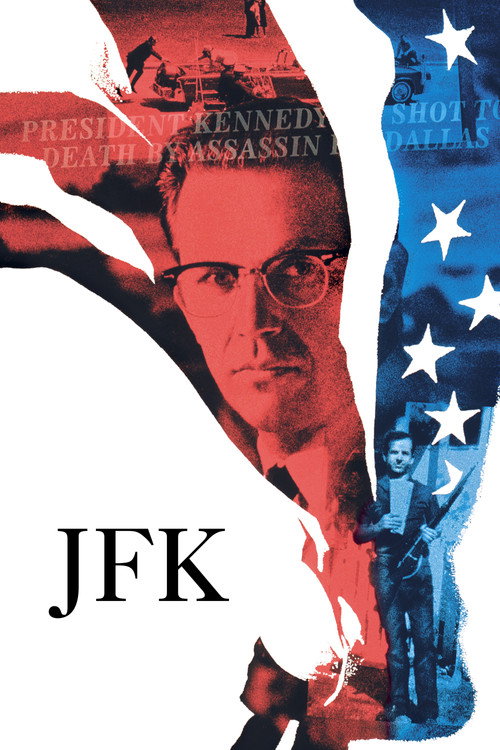
JFK1991
Stone's Kennedy investigation shares the obsessive, conspiratorial energy of these Nixon tapes—a sense that the official story conceals something darker. The paranoia is thematic in both.
But It's speculative and baroque where this documentary is direct. Some viewers find Stone's style exhausting, and the tone is wildly different.
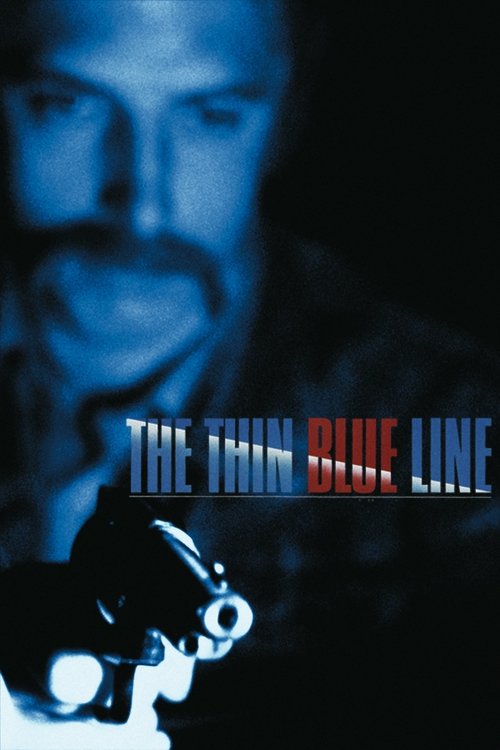
The Thin Blue Line1988
Both use primary evidence—tapes and documents—to show how institutions lie, how the powerful protect themselves, and how ordinary people are crushed in the process. Morris learned from Watergate-era filmmaking.
Errol Morris's masterpiece about a wrongful murder conviction. It doesn't directly address Nixon, but its entire method—using archive, interview, and reconstruction to expose how power distorts truth—is the investigative cousin to what these tapes reveal.
But It's a specific true-crime case, not a historical panorama, and some viewers find true-crime material uncomfortable regardless of filmmaking quality.
People
Cast
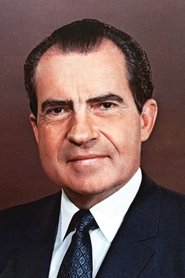 Richard NixonSelf (archive footage)
 David BrinkleySelf (archive footage)
 Pat BuchananSelf (archive sound)
- Stephen BullSelf - White House Aide (archive sound)
- Alexander ButterfieldSelf (archive footage)
 John ChancellorSelf (archive footage)
 Charles ColsonSelf (archive footage)
 Walter CronkiteSelf (archive footage)
- John DeanSelf (archive footage)
 Sam DonaldsonSelf (archive footage)
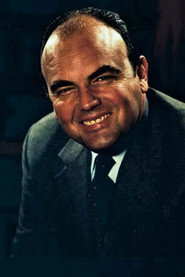 John EhrlichmanSelf (archive sound)
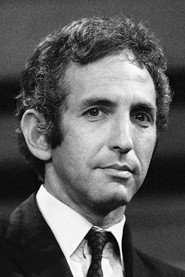 Daniel EllsbergSelf (archive footage)
Directing
- Peter W. KunhardtDirector