
Film
The War at Home
A documentary about the Vietnam War's impact on Madison, Wisconsin, tracking how the conflict fractured a college town and its university into opposing camps. Combining archival footage with participant interviews, it captures the moral intensity and raw anger of the anti-war movement at ground level, where idealism and rage collided with police and each other. Essential viewing about how a nation tears itself apart.
Should you watch it?
Watch it if you want to see how ordinary campus protest felt from inside, through people who were there, and you like history told by its participants rather than narrated from above.
Skip it if you need a clear through-line or a strong central character, since this is a mosaic of archive clips and recollections that circles its subject instead of building one argument.
What it asks of you: Its shape is patient and episodic, asking you to hold many faces and fragments in mind across a hundred minutes, moving between speakers and archive clips without much guidance.
Not sure? Find tonight's pick in a minute.
If you liked this
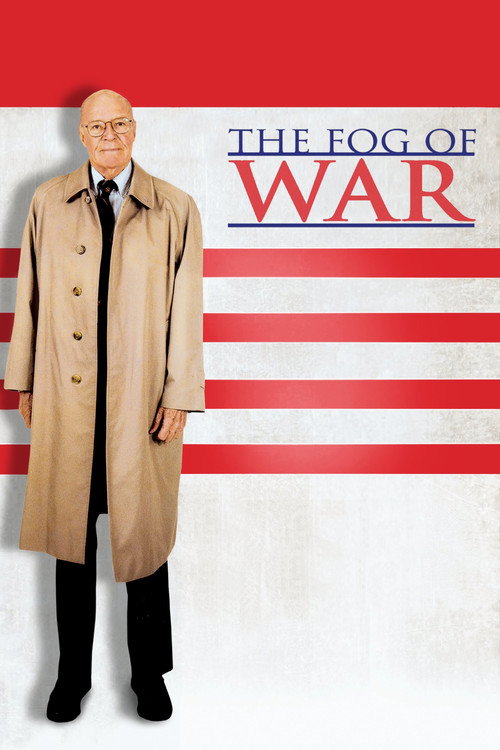
The Fog of War2003
Errol Morris's examination of Robert McNamara's role in Vietnam offers an equally unflinching look at how institutional power operates, told through a single perspective wrestling with complicity and consequence.
But It's a one-man interview film with no dramatic arc, and McNamara's rationalizations may infuriate rather than illuminate.
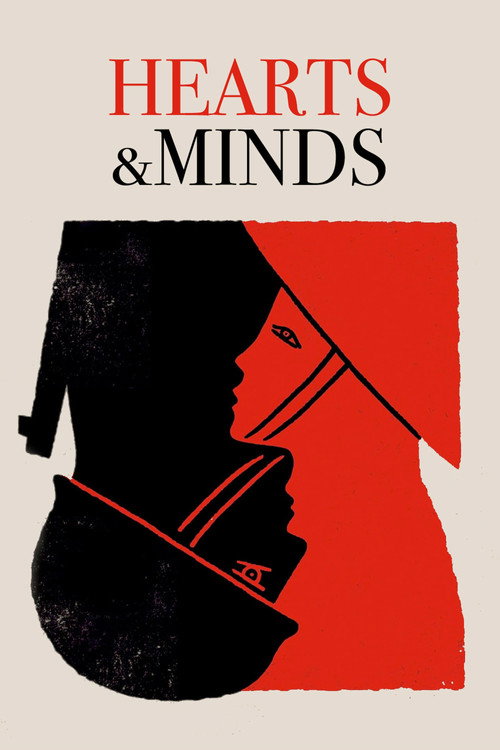
Hearts and Minds1974
Peter Davis's landmark Vietnam documentary situates the war in American history and psychology, exploring why the nation fought and what it cost domestically. Powerful, disturbing, brilliantly constructed.
But Some of its editing techniques feel dated now, and its moral certainty may read as preachy to modern viewers.
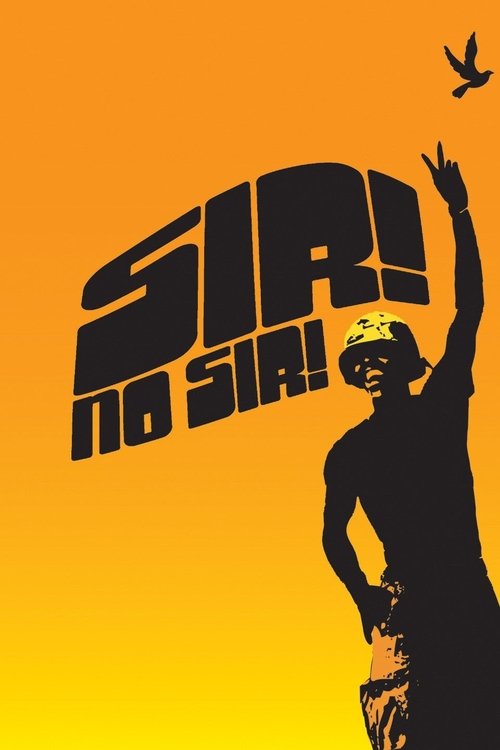
Sir! No Sir!2005
Focuses on GI resistance to the war—soldiers and veterans who refused to fight or organized against it. A counterpoint to The War at Home, showing dissent from within the military establishment itself.
But Less polished than other Vietnam documentaries, with a more limited theatrical distribution history.
Not sure tonight? Get a pick in a minute, starting from The War at Home
The wildcard
Something you would not have found on your own.
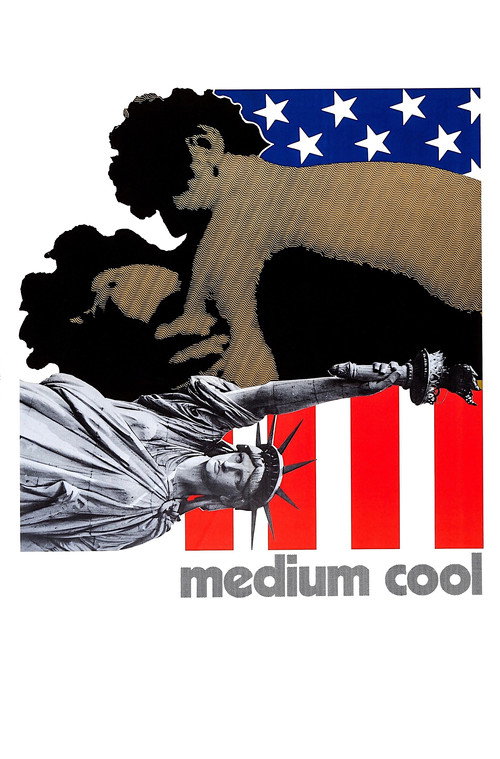
Medium Cool1969
Both collapse the boundary between document and event; both suggest that witnessing is not neutral, and that the camera itself becomes a participant in the conflict.
Haskell Wexler's fiction film shot during the 1968 Democratic Convention in Chicago uses real riot footage interwoven with a fictional narrative. It's The War at Home's formal inverse: not a documentary about politics, but politics erupting into drama. A cameraman covering the war at home becomes caught in it.
But The narrative elements don't cohesively gel with the documentary sections, and the film's formal ambitions sometimes overwhelm its storytelling.
More like this (8)
The Battle of Algiers1966
Gillo Pontecorvo's dramatization of colonial war and urban insurgency is the template for understanding how populations become radicalized. Watched by militaries and anti-war activists alike—both sides saw themselves in it.
But Black-and-white, formally austere, and morally ambiguous in ways that demand active thought rather than offering comfort.

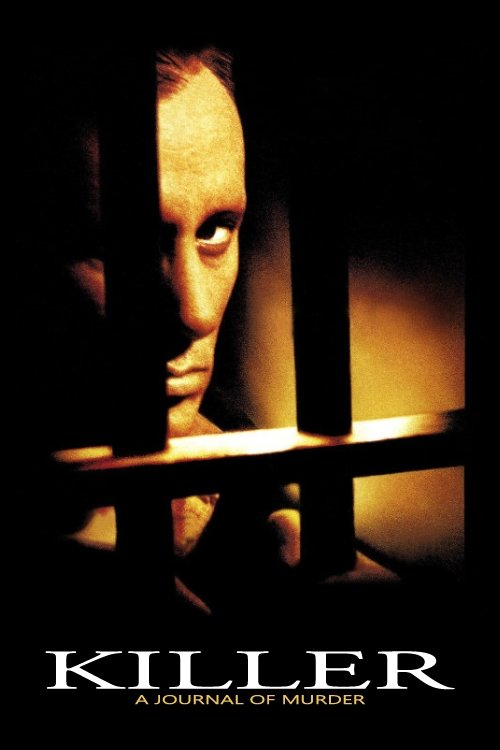
Killer: A Journal of Murder1996
A small, strange film about a prison guard and an inmate that explores how violence becomes normalized and justified within institutions—a mirror to how a nation normalizes military violence.
But It's oblique rather than direct, and the connection requires thought; some will find it too tangential.
Winter Light1963
Bergman's film about faith and doubt in a small community captures the spiritual despair underlying the 1960s crisis of belief—the same ground The War at Home examines from a political angle.
But Slow, bleak, and entirely interior; it has no plot and exists in a register of quiet desolation.

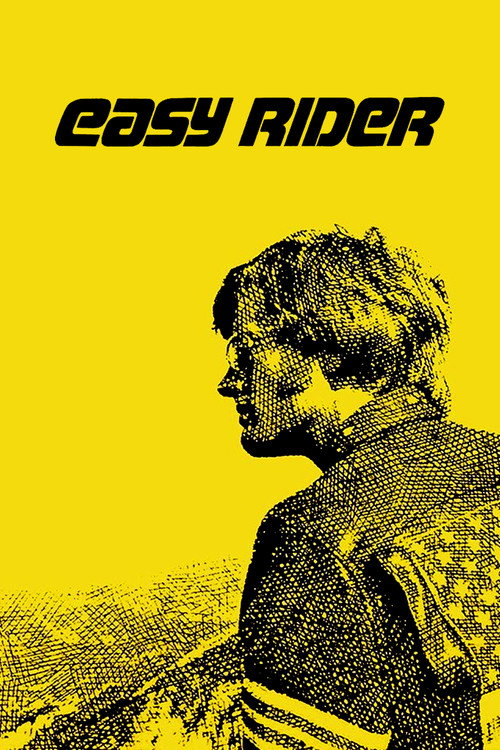
Easy Rider1969
Less a narrative than a document of the counterculture moment itself, capturing the optimism and violence simmering beneath the era The War at Home documents. Dennis Hopper's America.
But The politics are oblique and the characters sometimes grating; it's a mood piece, not an argument.
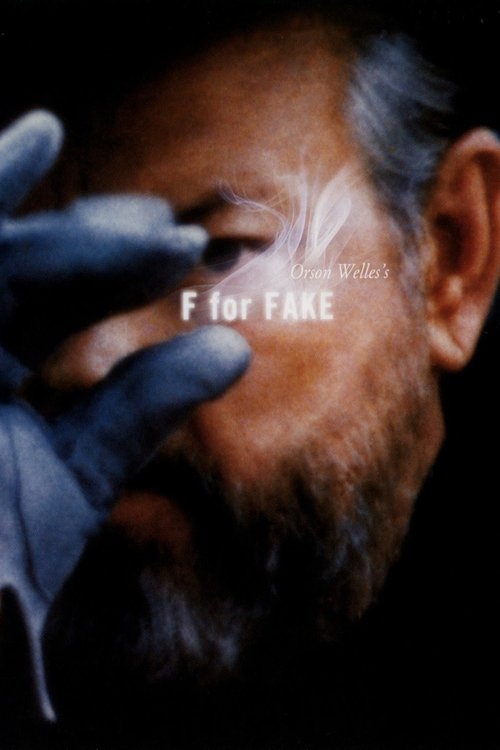
F for Fake1973
Orson Welles' essay on truth, hoax, and authenticity in media feels oddly contemporary with The War at Home—both probe how we know what we know and whom to trust in chaos.
But Formally experimental and deliberately mischievous; it may feel like Welles is more interested in playing tricks than answering questions.
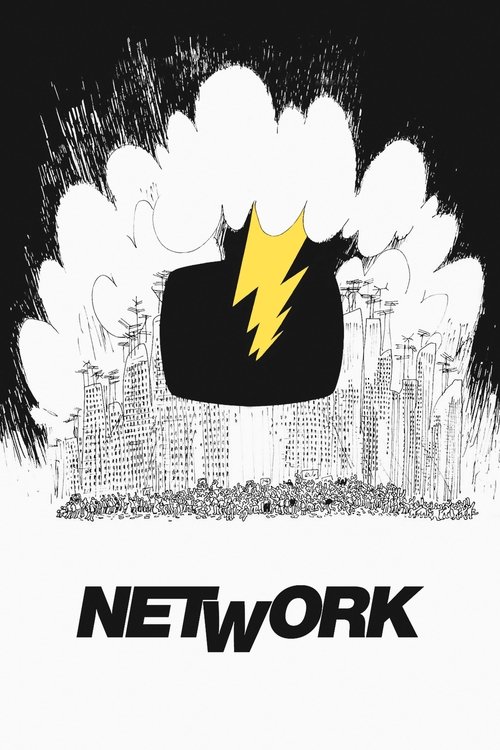
Network1976
Paddy Chayefsky's savage satire of how media manufactures outrage and spectacle—the machinery that both amplified and distorted the anti-war movement itself.
But Broad and theatrical, with a cynicism that can feel thin after repeated viewing.
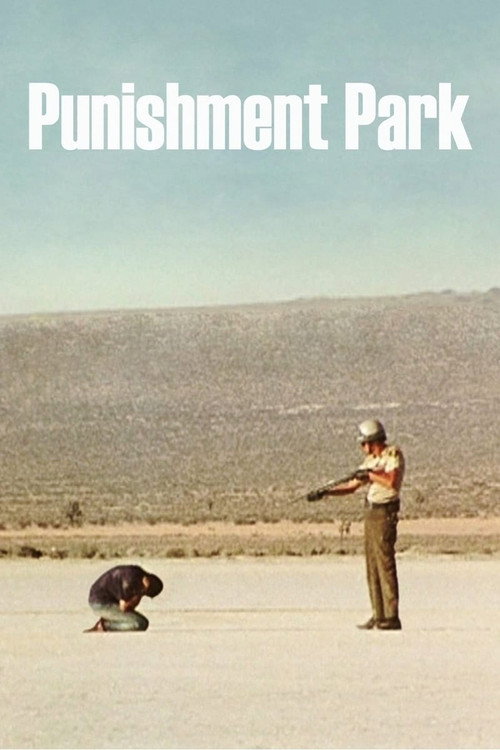
Punishment Park1971
Both are essays about how the state treats domestic dissent as an enemy; both ask what happens when the margin becomes the target.
Peter Watkins's banned British mockumentary imagines a near-future America where war protestors are hunted for sport in the desert. It's a science-fiction nightmare extrapolated from the tensions The War at Home shows as already present.
But Deliberately ugly and exhausting; it's designed to sicken rather than entertain, and the mockumentary format may confuse or alienate viewers seeking traditional narrative.
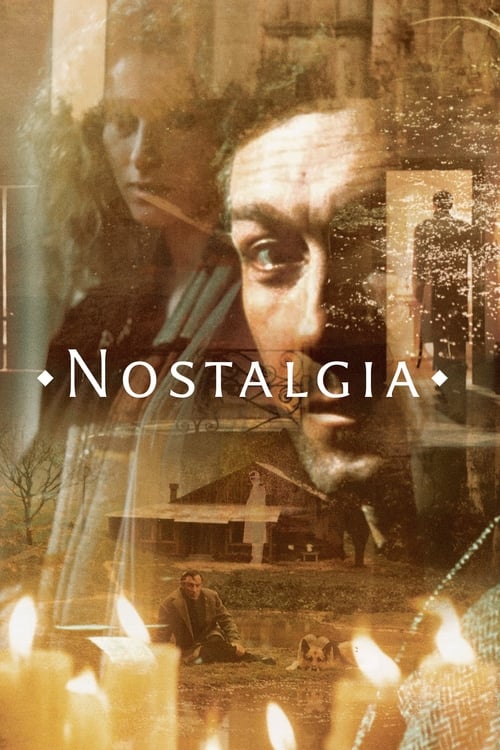
Nostalgia1983
Both are ultimately about exile—whether physical, spiritual, or ideological—and the impossibility of returning to the world you believed in before the rupture occurred.
Andrei Tarkovsky's meditative film about an intellectual in a foreign land, searching for meaning and home, transforms into a meditation on what happens when your country ceases to exist as you knew it. A spiritual reckoning with historical rupture. Unlike The War at Home's political rage, this is its intimate, quieter twin.
But Tarkovsky's long takes and contemplative pace will test patience; it makes no concessions to conventional cinema and rewards only those who surrender to its rhythm.
People
Cast
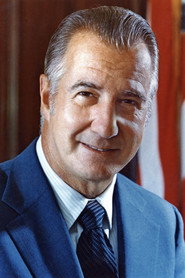 Spiro AgnewSelf (archive footage)
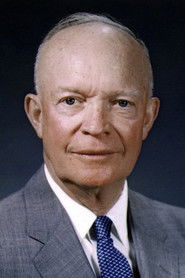 Dwight D. EisenhowerSelf (archive footage)
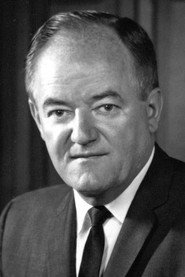 Hubert H. HumphreySelf (archive footage)
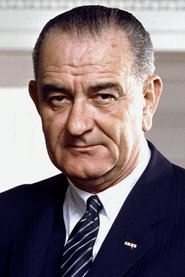 Lyndon B. JohnsonSelf (archive footage)
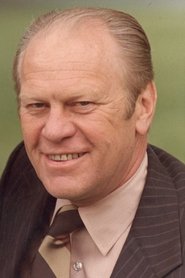 Gerald FordSelf (archive footage)
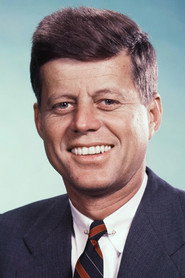 John F. KennedySelf (archive footage)
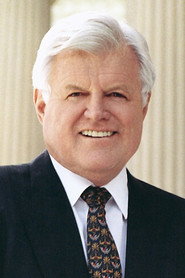 Ted KennedySelf (archive footage)
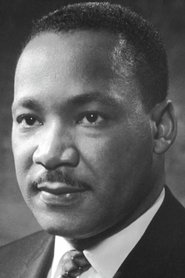 Martin Luther King Jr.Self (archive footage)
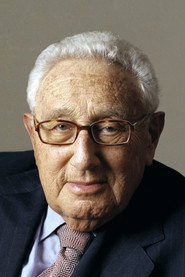 Henry KissingerSelf (archive footage)
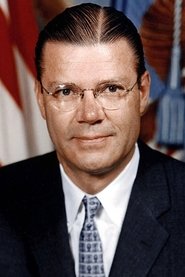 Robert McNamaraSelf (archive footage)
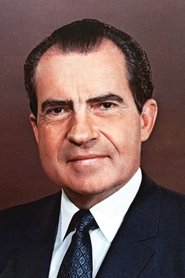 Richard NixonSelf (archive footage)
Directing
- Barry Alexander BrownDirector
- Glenn SilberDirector
Production
- Barry Alexander BrownProducer
- Glenn SilberProducer
Recommended by
The Great Santini, Ruthless People, Path to War, Story of G.I. Joe, Winter Soldier, Control Room, Bitter Lake, Crisis: Behind a Presidential Commitment, Millhouse, Basic Training, The Trials of Henry Kissinger, Nixon by Nixon: In His Own Words, Welfare, Personal Best, Sir! No Sir!, Children on Trial, Target for Tonight, Sympathy for the Devil, Taps, Lover Boy, When the Tenth Month Comes, The Boys in Company C, Elephant, The Chocolate War, The Rite, Little Murders, The Fighting Seabees, FTA, The Selling of the Pentagon, Juvenile Court, Young Törless, WMD: Weapons of Mass Deception, The Stone Boy, The Long Day's Dying, London Orbital, Shock and Awe, Occupation in 26 Pictures, Family Viewing