
Film
Personal Best
A 1982 sports drama about two female track athletes whose coaching relationship becomes romantic, then fraught when they compete for Olympic selection. Director Robert Towne brings his screenwriting craft to bear on desire, ambition, and the collision between personal and professional stakes. Quietly progressive for its era, unafraid of the sensuality of athletic bodies and complex female want.
Should you watch it?
Watch it if you want a love story built out of sweat, stopwatches and hard-won self-discipline, where the romance grows inside the daily grind of training and rivalry rather than apart from it.
Skip it if the pace is unhurried and the training scenes run long, and if you want a sports film built around clear race stakes, the talky middle may frustrate you.
What it asks of you: It asks for patience with long stretches of athletic routine and quiet talk, favoring bodies, moods and mornings over plot, and runs a leisurely two hours plus.
Not sure? Find tonight's pick in a minute.
If you liked this
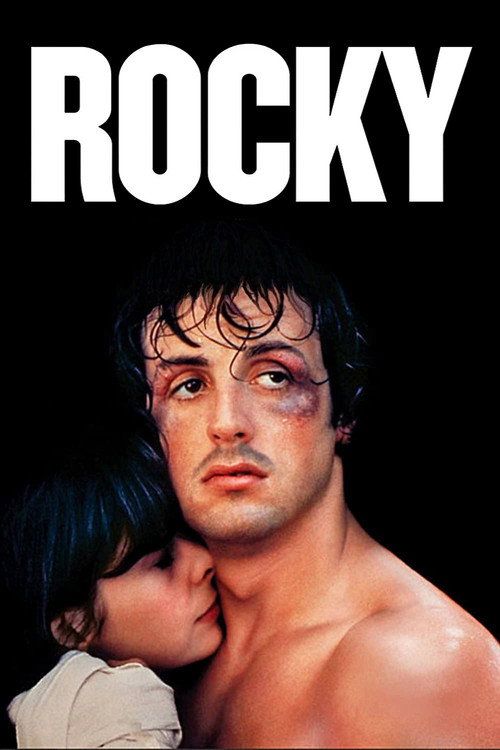
Rocky1976
The template for sports-as-metaphor-for-self-discovery. Like Personal Best, it trusts that training montages and the grind of improvement can carry emotional weight without needing constant external drama.
But It's been imitated so many times the original can feel familiar now. The gender politics are also very much of its moment.
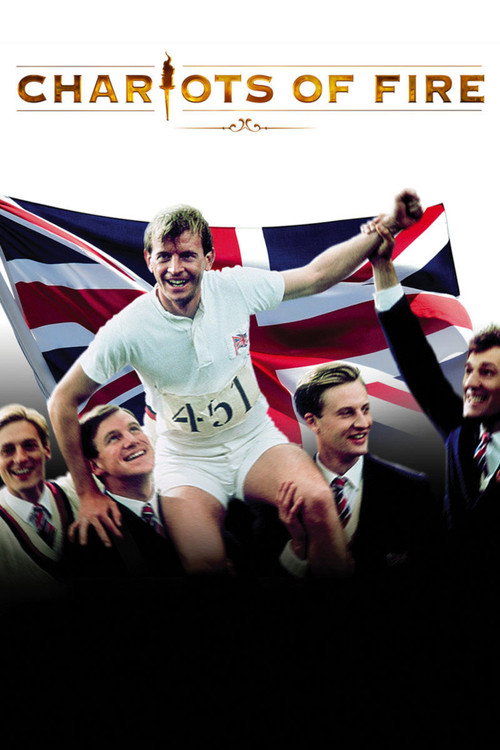
Chariots of Fire1981
Released the year before Personal Best, it's equally interested in what drives athletes beyond medals: faith, identity, belonging. Both films let you feel the runner's high rather than just watching competition from the stands.
But The pacing is measured and meditative. If you need constant plot momentum, this won't provide it.
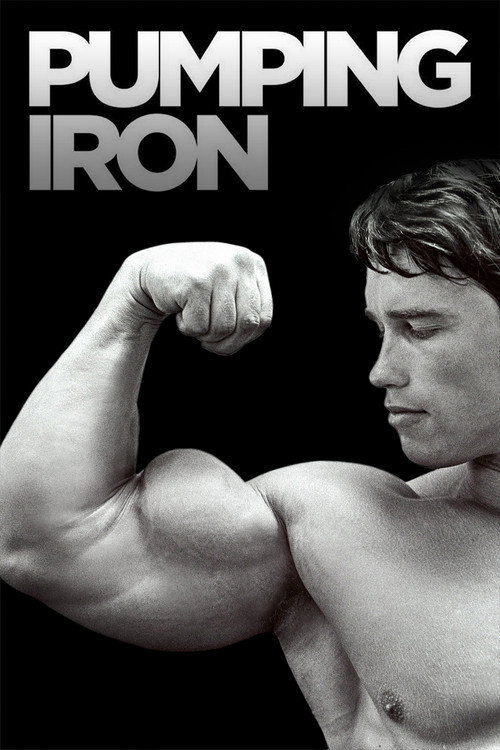
Pumping Iron1977
A documentary that captures the obsession and narcissism and genuine self-improvement drive of bodybuilders with unflinching warmth. Like Personal Best, it finds eroticism and intimacy in the sculpted human form without winking.
But It's about bodybuilding in the 1970s, which means it's very much a period piece. Also fairly unstructured—it meanders.
Not sure tonight? Get a pick in a minute, starting from Personal Best
The wildcard
Something you would not have found on your own.
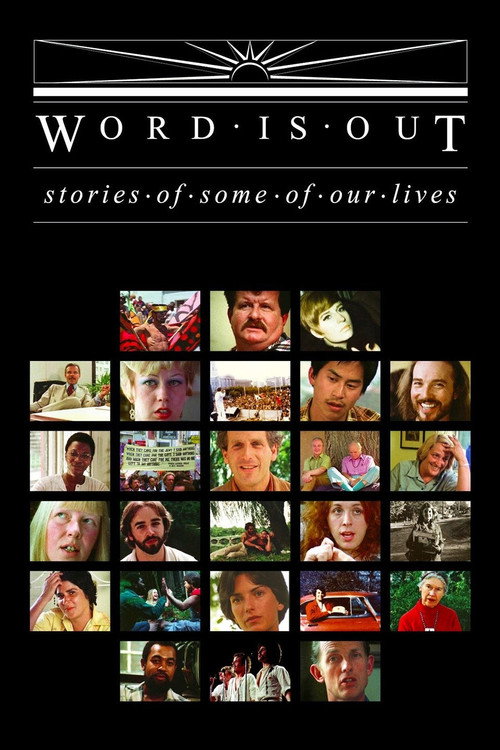
Word Is Out: Stories of Some of Our Lives1977
Both refuse to make queerness a tragedy or a twist. Both center desire as a legitimate part of a full life, not a scandal.
A documentary collage of LGBTQ+ Americans speaking directly to camera about their lives and loves. Personal Best arrives three years later and translates that same honest clarity into fiction—both films insist on showing desire as natural, not shameful.
But It's structurally repetitive: person after person in talking-head format. The 1970s video quality is grainy. Requires patience with a meditative approach to documentary.
More like this (8)
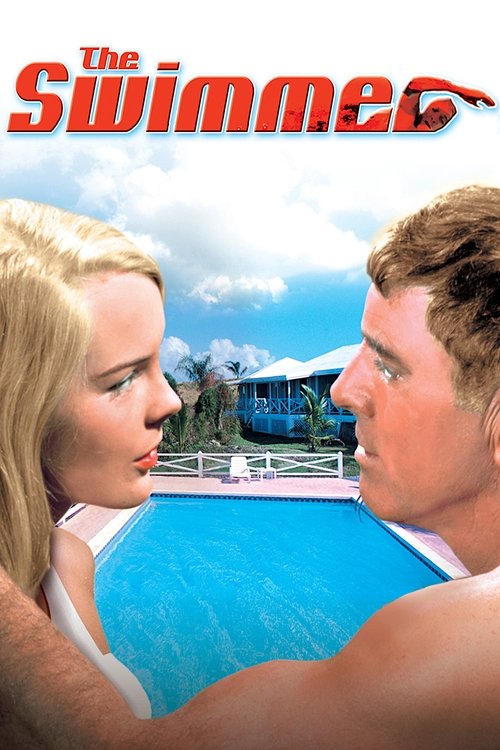
The Swimmer1968
Frank Perry's quietly devastating film about a man using athletic ritual to escape a collapsing life. Both films understand that the body's discipline can be a way of processing emotional truths you can't speak aloud.
But It's got a 1960s indie fatalism that some find depressing rather than moving. The ending is bleak.
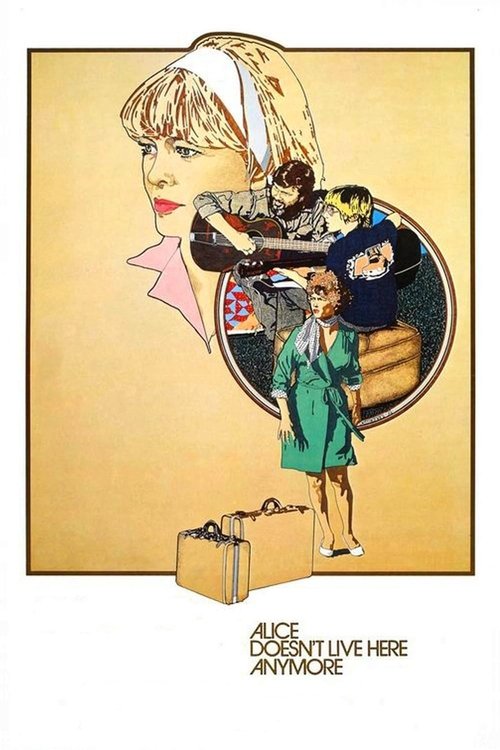
Alice Doesn't Live Here Anymore1974
Scorsese film about a woman rebuilding herself after loss, figuring out what she actually wants rather than what she's supposed to want. That same self-discovery engine, just without the track spikes.
But It's really a character study, not a plot-driven film. Some scenes feel indulgent in their focus on small domestic moments.
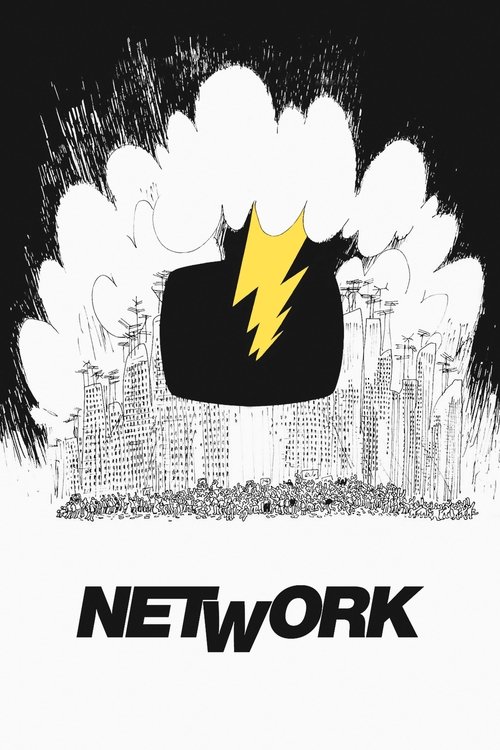
Network1976
Robert Towne wrote this too—you'll recognize his obsession with how institutions corrupt individual desire. The energy and stakes feel totally different, but the psychological architecture is his.
But It's a satire that swings wildly in tone, from comedy to genuine horror. The shifts can feel jarring if you're not in the mood.
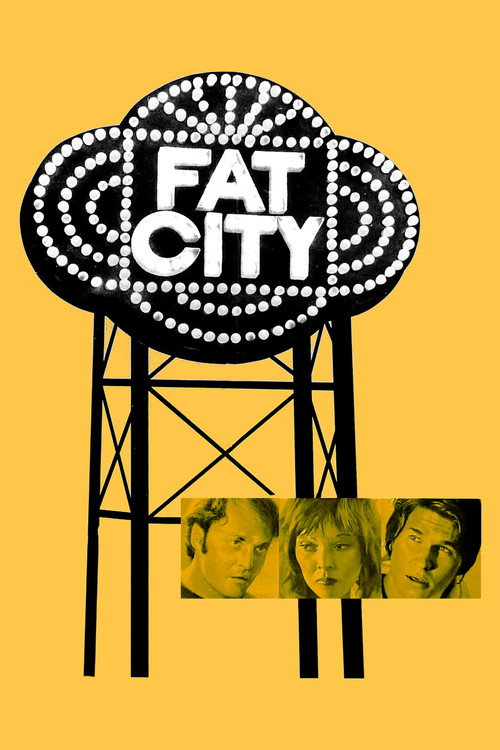
Fat City1972
John Huston's boxing film that treats athletics as a way men numb themselves rather than discover themselves. Gritty and unsentimental in a way that makes Personal Best's romanticism feel radical by contrast.
But It's bleak and unglamorous. If you want uplift, this will frustrate you. Also, no women's perspectives at all.
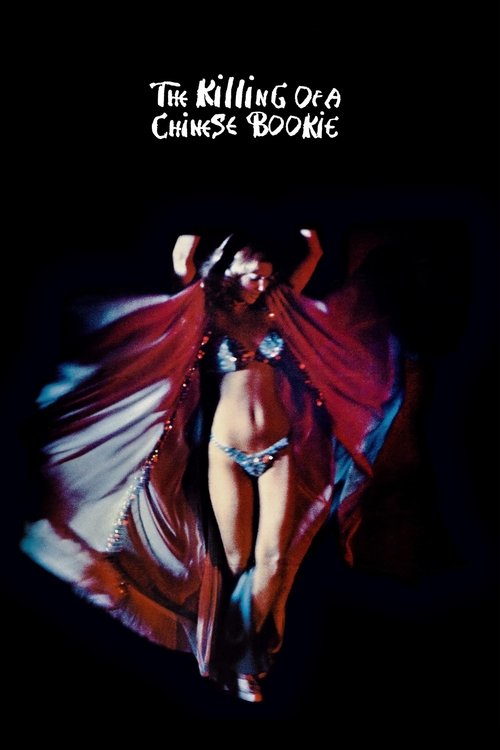
The Killing of a Chinese Bookie1976
Cassavetes' film about a man defining himself through obsession and skill. That same focus on how the body's discipline becomes a way of existing in the world, a form of prayer almost.
But It's oblique and repetitive and absolutely refuses to explain itself. Not everyone's patience will hold.
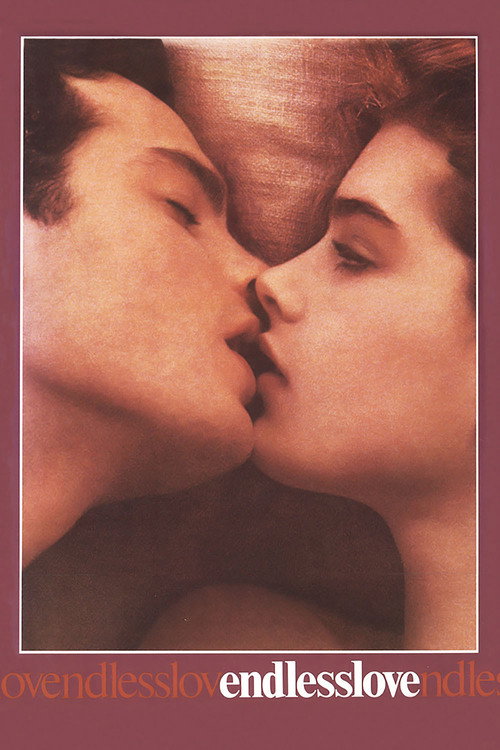
Endless Love1981
Also from 1981, also about young people learning that desire and ambition can't coexist peacefully. The romance is more conventional, but Towne's influence on how American cinema thinks about these collisions is visible.
But It's earnest in a way that can read as unintentionally silly. Also the Franco Zeffirelli direction is very lush, which not everyone wants.
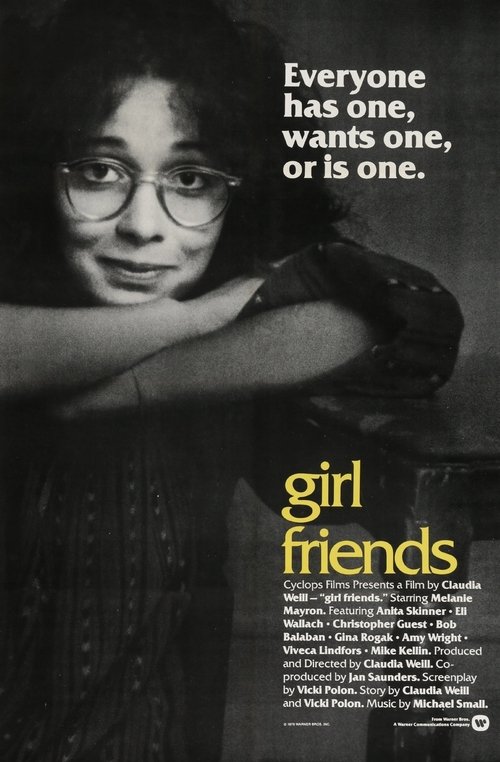
Girlfriends1978
Both films center female desire and female competition as equally valid truths. Both know that loving someone doesn't mean you won't want to beat them.
Claudia Weill's intimate film about two women navigating ambition, desire, and the fact that their needs might not align anymore. Black-and-white, low-budget, gorgeously observed. Same emotional DNA as Personal Best—the romance is real, but so is the cost.
But The pacing is glacial, almost documentary-like. Shot on a shoestring so the image is sometimes ugly. If you need glossy production values, skip it.
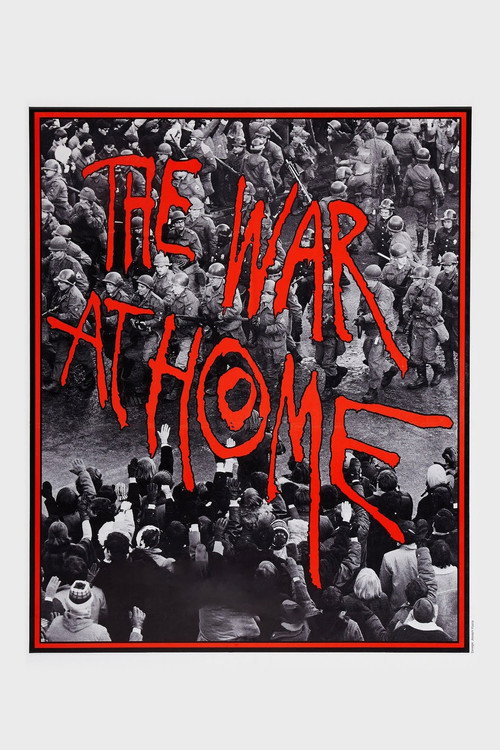
The War at Home1979
Both understand that love and competition, intimacy and divergence, can happen at the same moment. Neither one offers easy reconciliation.
A documentary about a family torn apart by conflicting desires: the father's ambition in his career, the daughter's political activism, the mother's need for emotional stability. Personal Best dramatizes that same collision between competing loyalties—what happens when the people you love want different things.
But It's about the Vietnam era and generational conflict, so the politics are heavy. Also genuinely painful to watch—no catharsis, just the wreckage of incompatible needs.
People
Cast
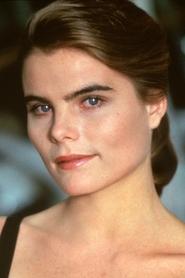 Mariel HemingwayChris Cahill
- Patrice DonnellyTory Skinner
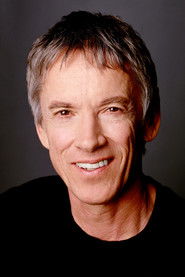 Scott GlennTerry Tingloff
- Kenny MooreDenny Stites
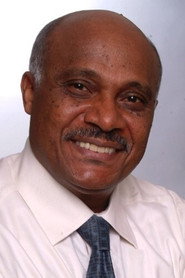 Jim MoodyRoscoe Travis
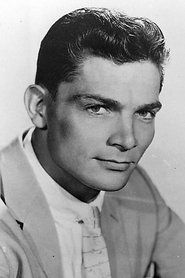 Larry PennellRick Cahill
 Luana AndersRita Cahill
 George De La PenaRaoul
- Kari G. PeytonPenny Brill
- Jodi AndersonNadia "Pooch" Anderson
- Maren SeidlerTanya
- Martha WatsonSheila
Directing
- Jerry GrandeyAssistant Director
- William S. BeasleyAssistant Director
- Regina GordonAssistant Director Trainee
- Robert TowneDirector
- Ray QuirozScript Supervisor
- Daniel J. HeffnerSecond Assistant Director
- Michael GreenSecond Assistant Director
- Robert J. DohertySecond Assistant Director
- Nikita KnatzSecond Unit Director
Writing
- Robert TowneWriter
Production
- Philip ProcterAssistant Location Manager
- Peter PeytonAssociate Producer
- David GeffenExecutive Producer
- Jeff ParguerLocation Casting
- Robert TowneProducer
- Richard MartiniProduction Assistant
- Ron RapielProduction Consultant
- Leah BrownProduction Coordinator
- Sheila A. WarnerProduction Coordinator
- Richard H. PrinceUnit Production Manager
- William L. YoungUnit Production Manager
Recommended by
Dangal, The Winners, Vision Quest, Spring Fever, American Flyers