
Film
Word Is Out: Stories of Some of Our Lives
A landmark 1977 documentary where over two dozen gay and lesbian Americans—spanning ages, races, and backgrounds—speak directly to camera about their lives, from childhood through coming out to adulthood. It's intimate, unhurried, and structured as a collective portrait rather than a series of talking heads. Essential viewing: the first major film to let queer people tell their own stories without mediation.
Should you watch it?
Watch it if you want to hear people speak in their own words about coming out, marriage pressure and building a life, with the patience to let each story unfold at its own pace.
Skip it if you are after a documentary with narration, archival montage or a clear argument, since this is almost entirely people talking directly to the camera in long unbroken stretches.
What it asks of you: It runs over two hours and asks you to sit with talking heads, listening closely rather than being guided, with little music or visual variety to carry you along.
Not sure? Find tonight's pick in a minute.
If you liked this
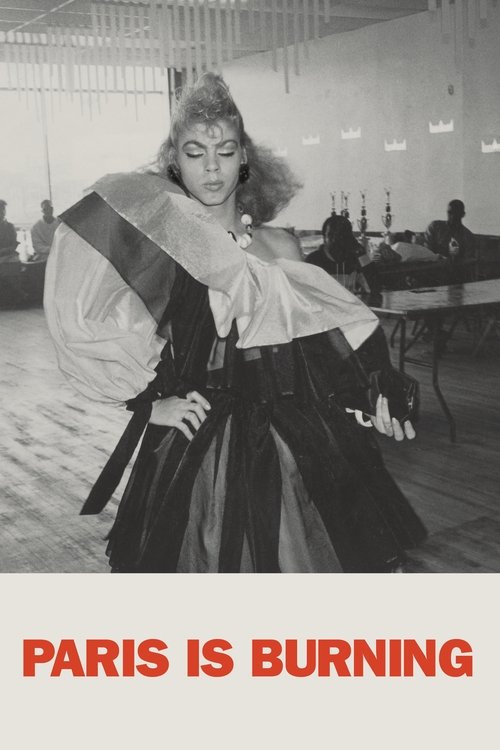
Paris Is Burning1991
Jennie Livingston's documentary of 1980s New York ball culture is similarly structured around real people's unfiltered voices. It captures a community's joy, style, survival, and defiance with the same intimate directness and formal intelligence.
But It's intensely focused on a specific subculture—if voguing and house balls aren't your entry point, some distance may remain. Certain scenes are heartbreaking in ways that linger.
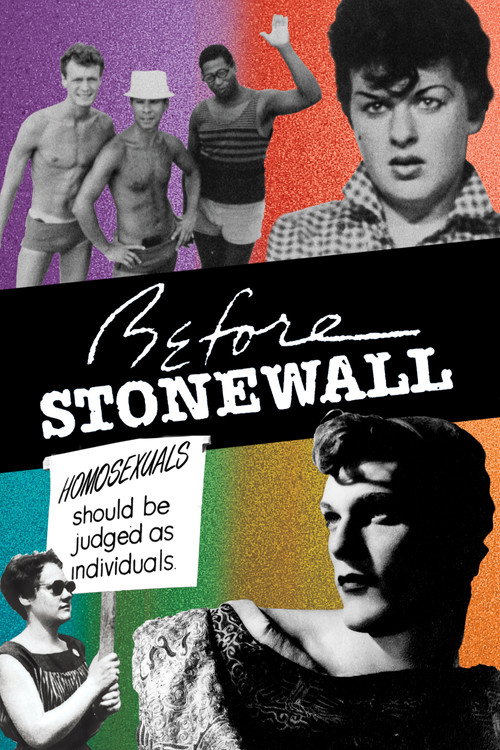
Before Stonewall1984
Gail Rubin and John Scagliotti made a companion piece to *Word Is Out*, tracing pre-Stonewall queer life through interviews, archival footage, and photographs. It's a direct historical bridge that deepens and contextualizes the earlier film's stories.
But The pacing is deliberate and archival in tone. If you want contemporary spectacle rather than patient historical reconstruction, this will feel slow.
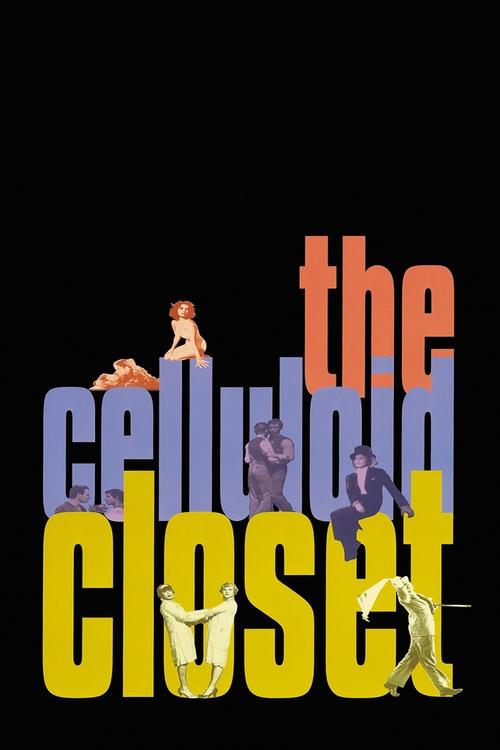
The Celluloid Closet1996
Rob Epstein again, this time tracing how Hollywood depicted (and hid) queerness across a century of cinema. It's smartly constructed, funny, and angry—a perfect complement to *Word Is Out*'s focus on real lives versus invented ones.
But Heavy on film clips means you'll recognize most references only if you've seen classic Hollywood. The critique can feel familiar now that it's been widely absorbed.
Not sure tonight? Get a pick in a minute, starting from Word Is Out: Stories of Some of Our Lives
The wildcard
Something you would not have found on your own.
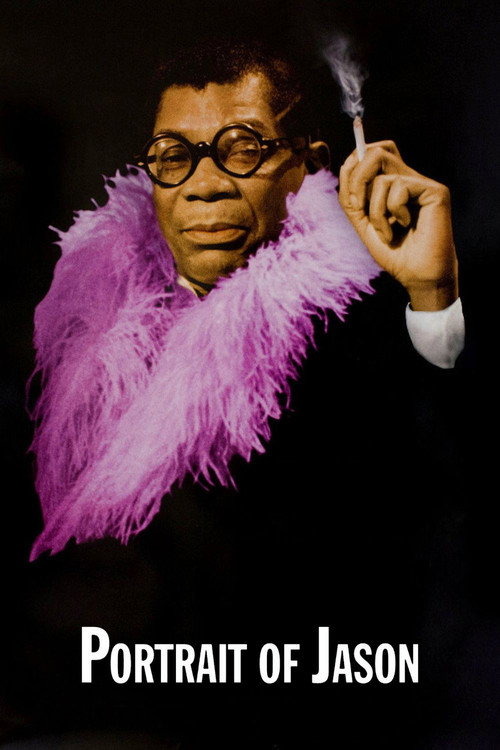
Portrait of Jason1967
Both films centre unfiltered personal testimony as a radical act. Both trust that listening to queer people speak about their own lives—without narrative scaffolding or expert commentary—is itself a form of liberation and documentation.
Ten years before *Word Is Out*, Shirley Clarke filmed a Black gay male sex worker talking directly to camera for 105 minutes straight—no cuts, minimal editing. It's a radical precedent: one person, unmediated, talking their life into being on film.
But Watching one person speak for nearly two hours tests patience. The film's ethics around exploitation were debated then and remain uncomfortable now. You must sit with that discomfort.
More like this (6)
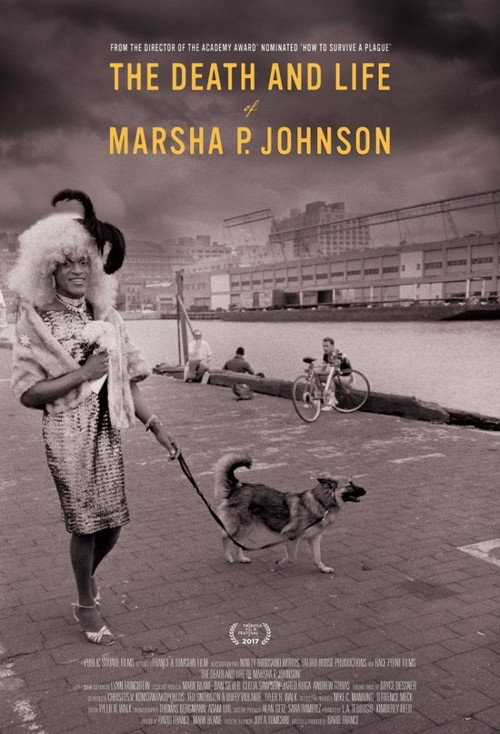
The Death and Life of Marsha P. Johnson2017
Dave Chappelle's documentary centres a Black trans activist and Stonewall figure through interviews, archival footage, and community memory. It has *Word Is Out*'s spirit: letting someone speak across time, honouring complexity and resistance.
But It's painful—Marsha's life included exploitation, poverty, and early death. The film doesn't soften that, and neither should you expect it to.
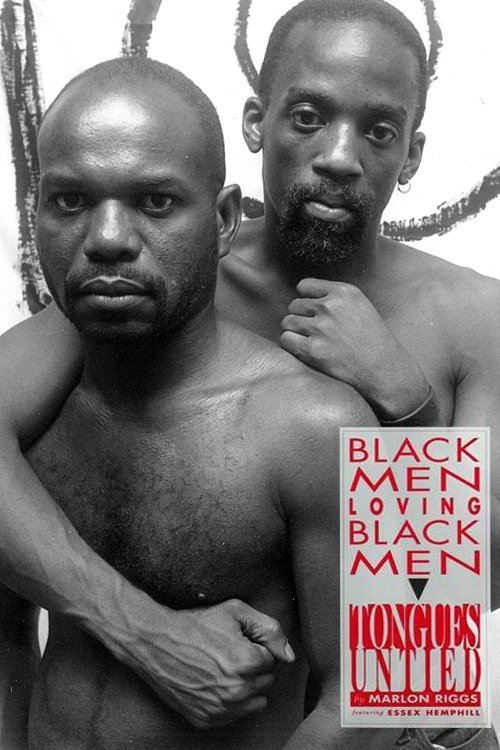
Tongues Untied1990
Marlon Riggs's poetic documentary about Black gay men combines personal testimony, performance, poetry, and rage. It's formally inventive where *Word Is Out* is direct, but equally committed to letting marginalized voices lead.
But It's experimental and deliberately difficult in places. If you want straightforward narrative, the fragmentary structure will frustrate.
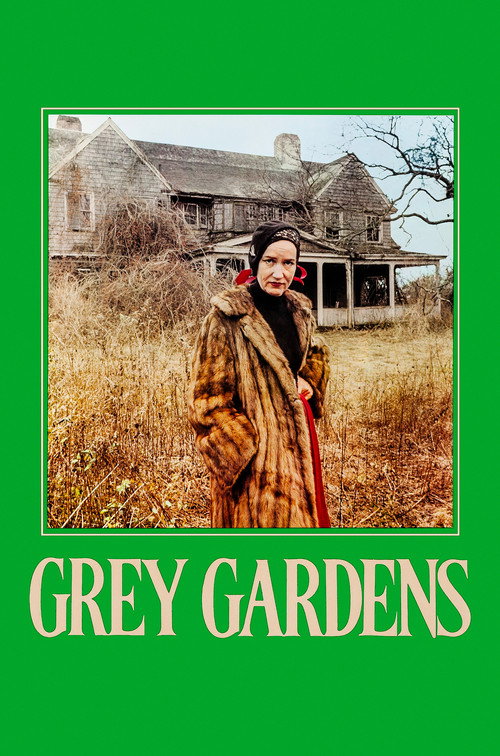
Grey Gardens1976
The Maysles brothers' portrait of eccentric mother and daughter living in decay is a forerunner of *Word Is Out*'s intimate documentary form. It's equally committed to capturing people in their own space, unscripted and unsentimental.
But It's a portrait of decline and isolation that some find exploitative. There's a voyeuristic edge that sits uneasily with repeated viewing.
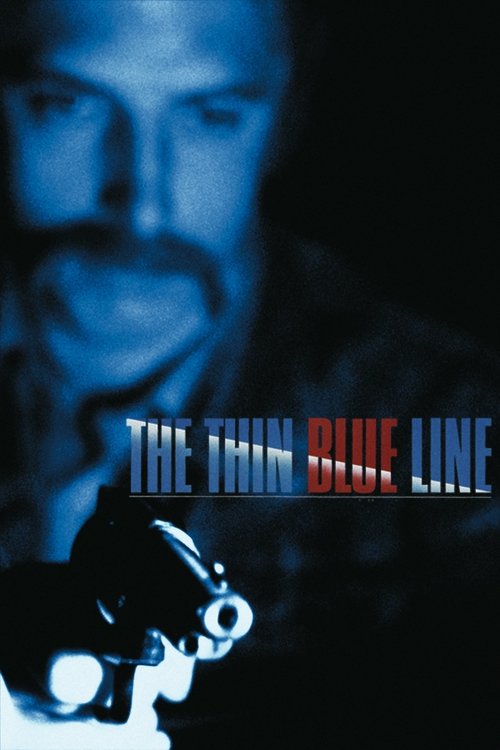
The Thin Blue Line1988
Errol Morris's investigation of a wrongful conviction uses interview testimony as its backbone, reconstructed scenes, and a refusal to settle for easy answers. It shares *Word Is Out*'s faith that listening reveals truth.
But It's a murder case, and the reconstructions of violence are stylized in ways that some find distasteful. The formal experimentation can feel like it's doing the work emotion should.
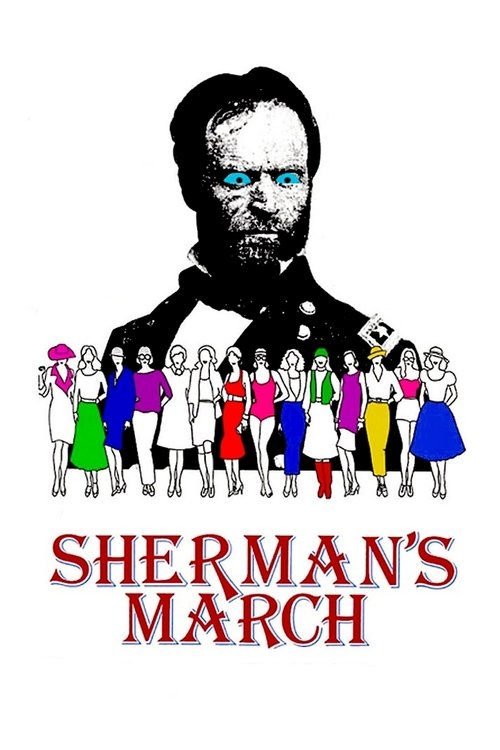
Sherman's March1986
Ross McElwee's essay-documentary is a picaresque journey through the American South where the filmmaker talks to real people about love, desire, and history. It's rambling, funny, and deeply American in a way that complements *Word Is Out*.
But It's almost three hours of one man's voice and neuroses. His romantic quest is the spine, which some will find self-indulgent or tedious.
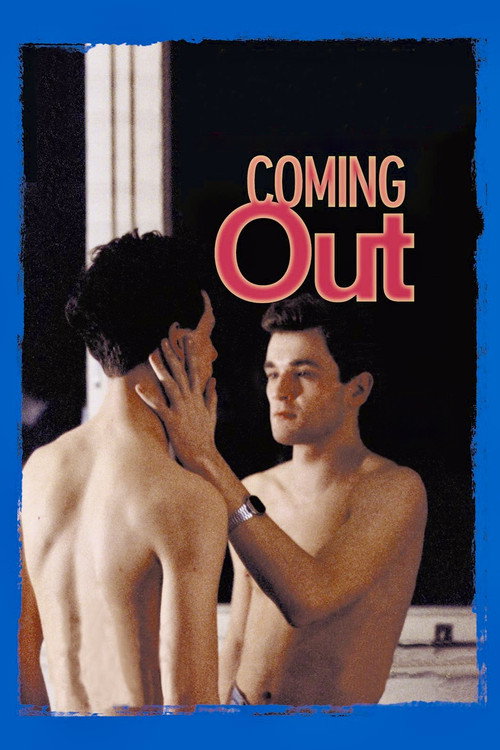
Coming Out1989
Both films treat coming out not as a single moment but as a process woven through ordinary life. Both reject the idea that queer identity is exceptional or spectral—it's simply lived, ordinary, and worth showing in detail.
Heiner Carow's East German film follows a middle-aged schoolteacher beginning to live openly as gay in the final months before the Berlin Wall falls. It's a narrative feature, not a documentary, but structured almost like testimony—intimate, unglamorous, politically urgent.
But It's subtle and slow, with long stretches of quiet domesticity. If you want dramatic catharsis, the ending is ambiguous and unsentimental. Subtitles required.
People
Cast
- Pat BondSelf
- John BurnsideSelf
- Elsa GidlowSelf
- Donald HackettSelf
 Harry HaySelf
- Pam JacksonSelf
- Rusty MillingtonSelf
- Trish NugentSelf
- Mark PinneySelf
- Rick StokesSelf
Directing
- Andrew BrownDirector
- Lucy Massie PhenixDirector
- Nancy AdairDirector
- Peter AdairDirector
- Rob EpsteinDirector
- Veronica SelverDirector
Production
- Peter AdairProducer
Recommended by
The Normal Heart, The Third Memory, The Times of Harvey Milk, Personal Best, Before Stonewall